High Speed Curved Tooth Coupling
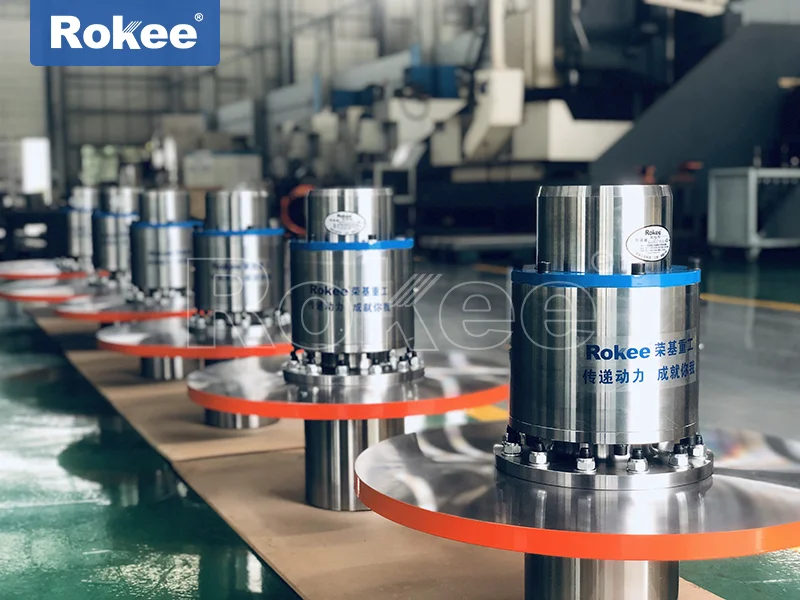
In the field of high-speed mechanical power transmission, the high speed curved tooth coupling stands as a core connecting component that bridges driving shafts and driven shafts, playing an irreplaceable role in stabilizing torque transmission, compensating shaft misalignment and ensuring efficient operation of rotating machinery. Unlike conventional rigid couplings and flexible couplings with elastic elements, this type of coupling integrates the advantages of high load-bearing capacity, strong misalignment compensation and stable high-speed operation, making it widely applied in industrial scenarios where high rotational speed, heavy load and precise transmission are required. Its design and manufacturing are rooted in advanced gear meshing theory and precision machining technology, with every structural detail optimized to adapt to the harsh operating conditions of high-speed rotating systems, from small-scale precision transmission equipment to large-scale heavy-duty industrial units, and its performance indicators directly affect the overall efficiency, service life and operational safety of the entire transmission system.
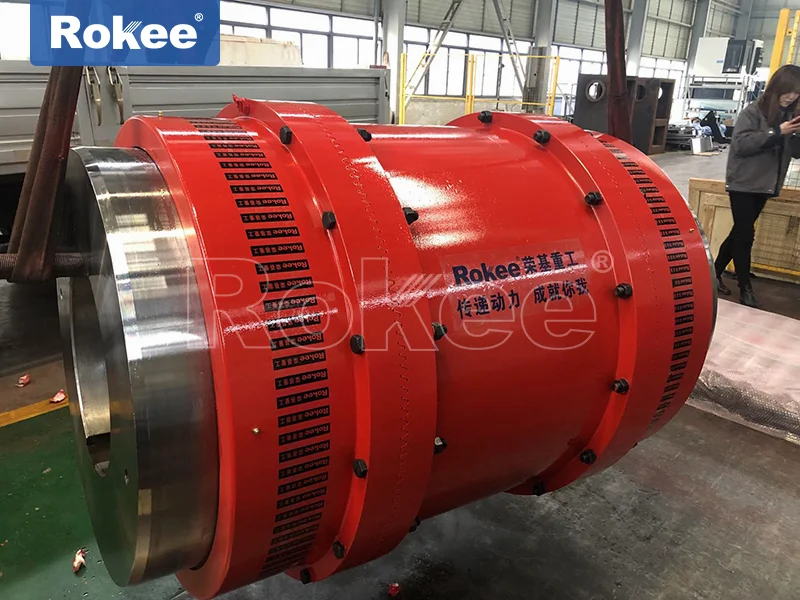
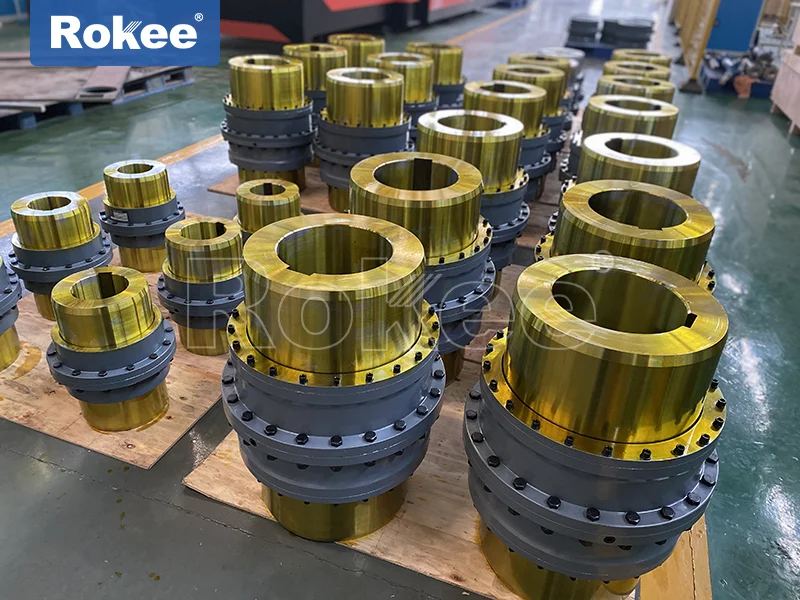
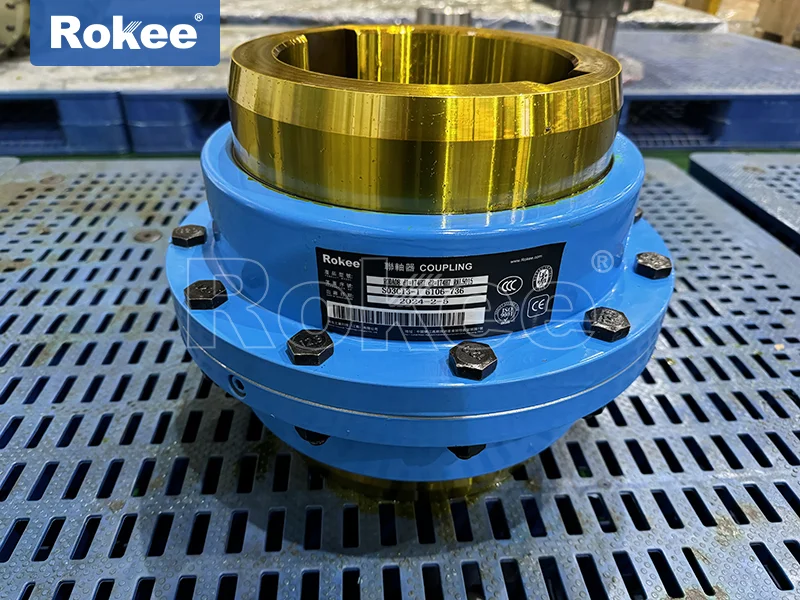
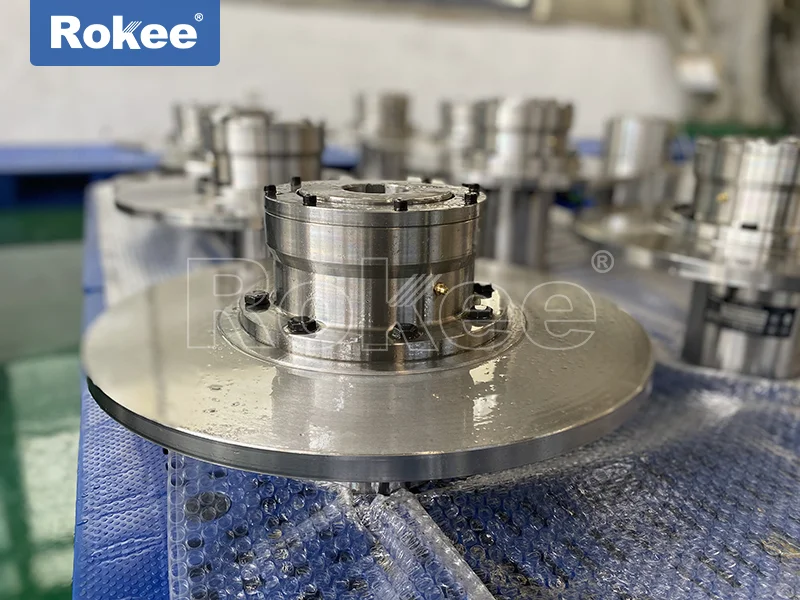
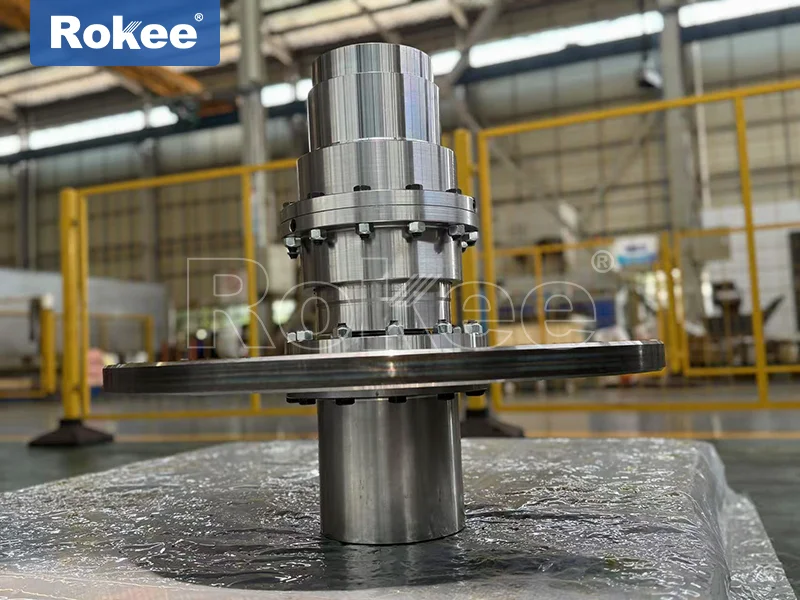
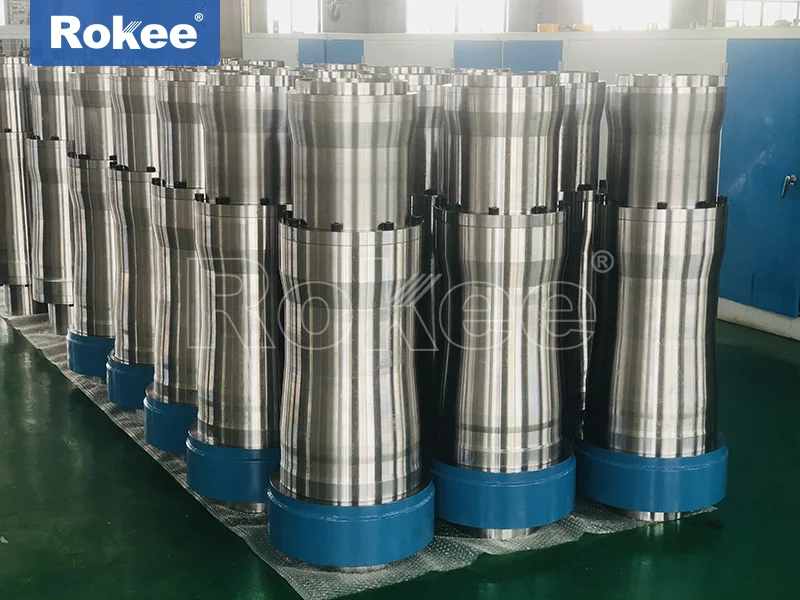
From the perspective of structural composition, the high speed curved tooth coupling features a compact and scientific layout, with core components that are precisely matched and processed to meet high-precision assembly standards. The main body of the coupling is mainly composed of two external gear hubs with curved tooth profiles, two internal gear sleeves, sealing components and fastening connectors. The external gear hub is the key torque transmission part, which is directly connected to the driving and driven shafts through interference fit, key connection or other reliable connection modes; its tooth surface is processed into a smooth curved (drum-shaped) contour, which is the most distinctive structural feature different from straight tooth gear couplings. The internal gear sleeve is equipped with internal teeth that match the curved external teeth, and the two form a closed meshing pair after assembly, realizing the synchronous rotation and torque transmission between the two shafts. The sealing components are arranged at both ends of the internal gear sleeve, forming a closed lubrication cavity inside the coupling, which can effectively prevent the leakage of lubricating medium and the invasion of external dust, impurities and moisture, ensuring the stable operation of the meshing tooth surface under good lubrication conditions for a long time. In addition, some high-speed models are equipped with optimized balance structures and axial limit components, which are tailored to eliminate unbalanced forces caused by high-speed rotation and avoid axial displacement that affects the meshing state of gears. All components are made of high-strength alloy steel materials with excellent mechanical properties, undergoing specialized heat treatment processes such as carburizing, quenching and nitriding to enhance the hardness, wear resistance and fatigue strength of the tooth surface, while ensuring the toughness of the matrix to resist impact loads and alternating stresses generated during high-speed operation.
The operating principle of the high speed curved tooth coupling is based on the flexible meshing between curved external teeth and internal teeth, which not only realizes efficient torque transmission but also endows the coupling with unique adaptive performance. When the two connected shafts have a certain degree of misalignment due to manufacturing errors, installation deviations, thermal deformation or mechanical vibration during operation, the curved tooth profile can automatically adjust the meshing position and contact area, avoiding stress concentration and local wear caused by rigid contact. Compared with straight tooth couplings, the curved tooth design increases the effective contact area between gear teeth, distributes transmission load more evenly, and reduces the contact pressure on the tooth surface, which is crucial for prolonging the service life of the coupling under high-speed and heavy-load conditions. During high-speed rotation, the coupling relies on the precise meshing of curved teeth to maintain stable torque transmission efficiency, minimizing power loss caused by friction and misalignment; at the same time, the closed internal lubrication system forms a uniform oil film on the tooth surface, which further reduces friction coefficient, dampens vibration and noise, and buffers instantaneous impact loads. It is worth noting that the structural design of the high speed curved tooth coupling strictly follows the dynamic balance requirements of high-speed rotating parts, and the overall structure is processed with precision dynamic balance correction to minimize centrifugal force and radial runout during high-speed operation, avoiding additional loads on the connected shafts and bearings, thus ensuring the stability of the entire transmission system.
The comprehensive performance of the high speed curved tooth coupling is the core advantage that distinguishes it from other types of couplings, covering multiple dimensions such as load-bearing capacity, misalignment compensation, high-speed adaptability, wear resistance and service life. In terms of load-bearing performance, it has a high torque-to-weight ratio and can transmit large torque with a compact structural size, which is suitable for limited installation space in high-speed equipment; the optimized curved tooth meshing structure enables it to withstand both steady continuous loads and instantaneous impact loads without damage, showing strong load adaptability. For misalignment compensation, it can simultaneously adapt to radial misalignment, angular misalignment and axial displacement between two shafts, and the comprehensive compensation range is far superior to rigid couplings; even under the superposition of multiple misalignments, it can still maintain stable meshing and transmission, effectively reducing the additional load on shafting and bearings, and reducing the failure rate of related components. In terms of high-speed operation performance, the precision-machined tooth profile and strictly controlled dynamic balance index enable the coupling to operate stably at a high rotational speed range, with small vibration amplitude, low noise and no abnormal wear even under long-term continuous high-speed operation. The wear resistance of the coupling is guaranteed by high-strength materials, specialized heat treatment and sufficient lubrication conditions; the smooth curved tooth surface reduces abrasive wear, and the closed sealing structure prevents abrasive particles from entering the meshing area, greatly extending the overhaul cycle and service life. In addition, the coupling has good environmental adaptability, can maintain stable performance in different temperature environments and mild corrosive working conditions, and meets the transmission needs of various industrial sites.
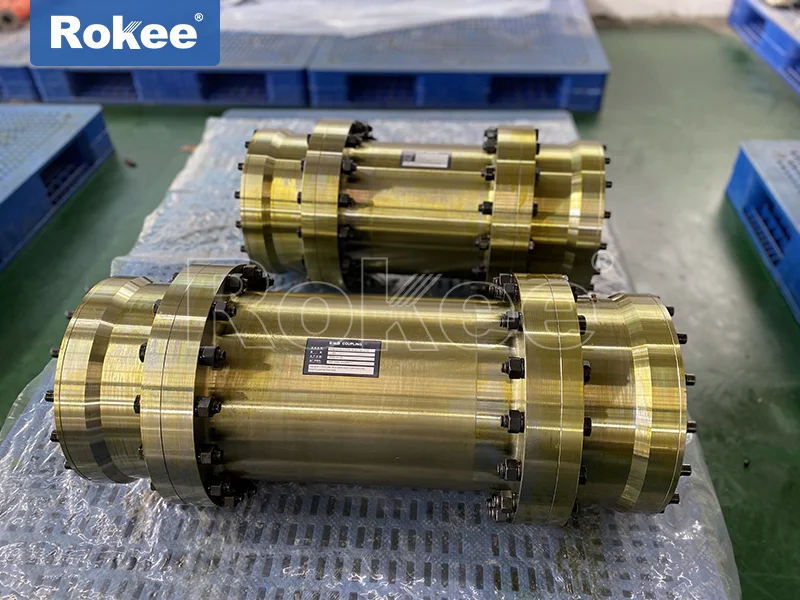
Classified by structural design and application scenarios, high speed curved tooth couplings can be divided into multiple types, each with targeted structural improvements to adapt to different transmission requirements and working conditions. The most basic classification is based on the overall structure, including standard integrated high-speed curved tooth couplings and split-type (with intermediate shaft) high-speed curved tooth couplings. Standard integrated models feature a compact structure, small axial size, and are suitable for transmission occasions with short shaft spacing and high installation accuracy; they are easy to install and disassemble, and have higher dynamic balance performance, making them ideal for high-speed precision equipment such as small and medium-sized turbines and high-speed pumps. Split-type models are equipped with a detachable intermediate shaft between the two internal gear sleeves, which can adjust the axial distance between the two shafts according to actual needs, and have stronger misalignment compensation ability; they are widely used in large-scale industrial equipment with long shaft spacing, such as large generator sets, centrifugal compressors and heavy-duty transmission lines. According to the lubrication mode, they can be divided into grease-lubricated high-speed curved tooth couplings and oil-jet lubricated high-speed curved tooth couplings; grease-lubricated models are suitable for medium-high speed and medium-load occasions, with simple maintenance and no need for additional lubrication systems, while oil-jet lubricated models are designed for ultra-high-speed and heavy-load working conditions, realizing real-time lubrication and cooling of the meshing tooth surface through forced oil supply, which can effectively control the temperature rise of the coupling during high-speed operation and improve operational stability. In addition, according to the connection mode with the shaft, there are keyed connection high-speed curved tooth couplings and keyless interference fit high-speed curved tooth couplings; keyless models achieve zero-clearance connection through hydraulic expansion or interference fit, further improving dynamic balance accuracy and transmission rigidity, which are more suitable for ultra-high-speed and high-precision transmission systems.
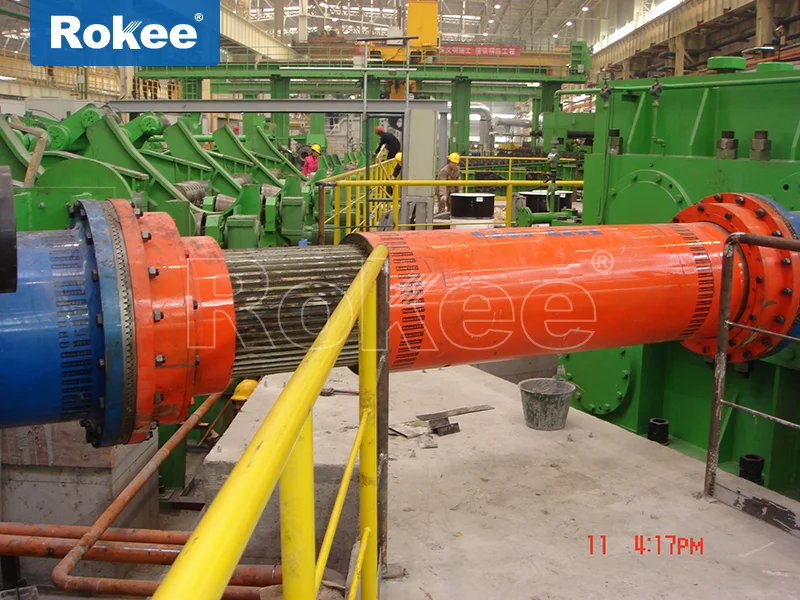
In terms of practical industrial applications, high speed curved tooth couplings have become the preferred transmission connection component in many high-end mechanical fields due to their excellent comprehensive performance, covering almost all industrial sectors involving high-speed and heavy-duty power transmission. In the power generation industry, they are widely used in steam turbines, gas turbines, generator sets and boiler feed pump systems, undertaking the torque transmission between high-speed rotating prime movers and driven equipment; their stable high-speed operation performance and strong misalignment compensation ability can adapt to the thermal deformation of shafting during long-term operation of power generation equipment, ensuring the efficient and safe operation of the entire unit. In the petrochemical and natural gas industry, they are applied to high-speed centrifugal compressors, pumps, fans and other rotating equipment, meeting the requirements of continuous operation, heavy load and high speed in chemical production, and adapting to the harsh working conditions with certain corrosiveness in the production environment. In the mechanical manufacturing and metallurgical industry, they are used in high-speed rolling mills, large-scale machine tool spindles and heavy-duty transmission systems, withstanding frequent impact loads and ensuring the transmission accuracy and stability of mechanical processing and metallurgical production. In the aerospace and marine power fields, high-speed curved tooth couplings with lightweight and high-strength design are used in aero-engine ground test benches, marine propulsion systems and auxiliary power units, relying on their compact structure and reliable performance to meet the strict requirements of weight and operational safety in these fields. In addition, they are also widely used in high-speed fans, vacuum pumps, gearboxes and other precision transmission equipment, playing a vital role in improving equipment transmission efficiency, reducing maintenance costs and prolonging service life.
With the continuous development of industrial technology and the increasing demand for high-speed, intelligent and long-life mechanical equipment, the performance requirements for high speed curved tooth couplings are also constantly improving. The future optimization and upgrading of this coupling will focus on finer structural design, higher-performance material application, more precise machining technology and more efficient lubrication and sealing systems. The improvement of tooth profile processing accuracy will further reduce friction loss and vibration during meshing; the application of new high-strength, lightweight alloy materials will enhance the load-bearing capacity while reducing the weight of the coupling, improving high-speed dynamic performance; the integrated design of intelligent monitoring and condition sensing will realize real-time monitoring of temperature, vibration and wear status during the operation of the coupling, providing data support for predictive maintenance of equipment. Nevertheless, the core advantages of high speed curved tooth couplings—high load-bearing capacity, excellent high-speed stability and reliable misalignment compensation—will always make them occupy an important position in the field of high-speed power transmission. For engineering designers and equipment maintenance personnel, a comprehensive understanding of the structure, performance, classification and application characteristics of high speed curved tooth couplings is of great significance for reasonable model selection, standardized installation and maintenance, and maximizing the performance of transmission systems, so as to ensure the efficient, stable and long-term operation of various high-speed mechanical equipment.
In summary, the high speed curved tooth coupling is a precision transmission component that perfectly balances high-speed adaptability, load-bearing performance and flexible compensation ability, with a scientific and compact structural design and stable and reliable mechanical properties. Its diversified classification can meet the personalized transmission needs of different industrial scenarios and different equipment parameters, and has become an indispensable key part in modern high-speed mechanical transmission systems. From the perspective of operational principle, it realizes efficient torque transmission and adaptive misalignment compensation through unique curved tooth meshing; from the perspective of practical application, it provides a safe and efficient connection solution for high-end industrial equipment in multiple fields, promoting the improvement of overall industrial transmission efficiency and equipment reliability. With the continuous progress of manufacturing technology and material science, the performance of high speed curved tooth couplings will be further enhanced, and their application scope will continue to expand, continuing to play a pivotal role in the development of high-speed mechanical transmission technology.