Shim Pack Couplings
In the realm of mechanical power transmission, shaft couplings serve as indispensable components that bridge driving and driven shafts, enabling efficient torque transfer while addressing operational challenges such as misalignment, vibration, and dimensional variations. Among the diverse array of coupling designs available, the Shim Pack Coupling stands out as a precision-engineered solution tailored for demanding industrial environments, blending robust structural integrity, adaptive performance, and versatile functionality to meet the evolving needs of modern machinery. Unlike conventional flexible or rigid couplings that rely on elastomeric materials or fixed rigid connections, the Shim Pack Coupling leverages a unique layered shim assembly to deliver controlled flexibility, precise alignment adjustment, and reliable torque transmission, making it a staple in applications where precision, durability, and operational stability are non-negotiable.
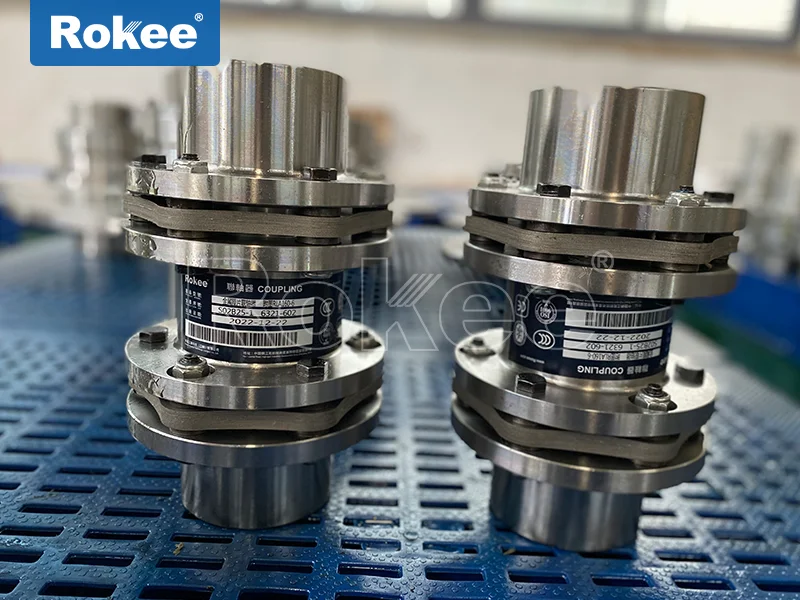
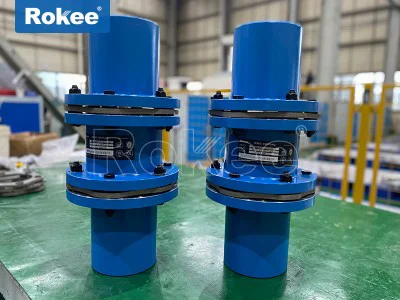
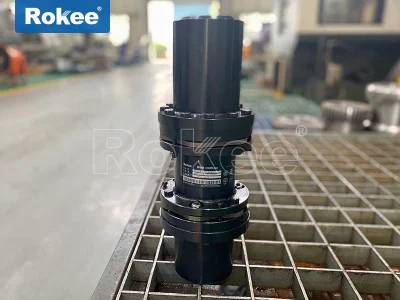
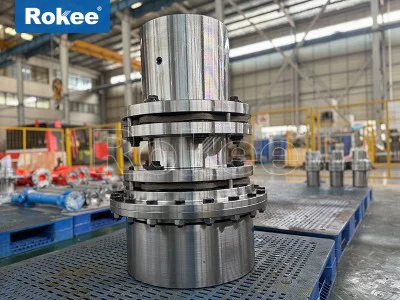
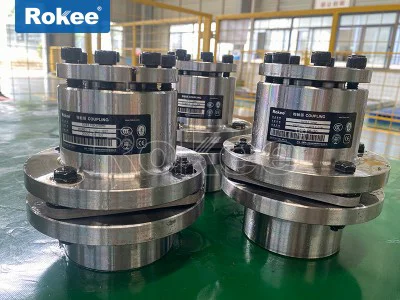
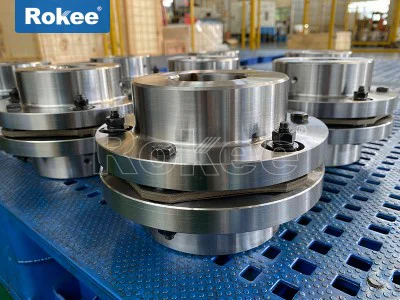
At its core, the structure of a Shim Pack Coupling is defined by a modular, layered design that prioritizes simplicity, durability, and adaptability, with no overly complex moving parts that could compromise long-term reliability. The fundamental framework consists of two robust hub assemblies, a stacked shim pack (the defining core component), and a set of high-strength fastening hardware that secures the entire assembly into a unified unit. Each hub is precision-machined to fit snugly onto the corresponding driving and driven shafts, featuring a tapered or straight bore design to ensure a tight, backlash-free connection that minimizes slippage during torque transfer. The hubs are typically forged from high-grade alloy steel or carbon steel, materials selected for their exceptional tensile strength, resistance to fatigue, and ability to withstand repeated mechanical stress without deformation or cracking. The central shim pack, which distinguishes this coupling type from others, is composed of multiple thin, flat shim plates stacked in precise alignment; these shims are crafted from resilient, high-strength metallic alloys, engineered to flex slightly under load while maintaining structural rigidity to transmit torque effectively.
The layered configuration of the shim pack is a masterclass in mechanical engineering, as it allows for controlled deflection along axial, angular, and minor radial planes, a critical feature that accommodates shaft misalignment without imposing excessive stress on the coupling or connected machinery. Unlike single-piece flexible elements that may suffer from uneven stress distribution or premature wear, the stacked shim design distributes mechanical stress evenly across each individual plate, reducing localized fatigue and extending the service life of the entire coupling. The fastening system, comprising heavy-duty bolts, nuts, and washers, is designed to maintain consistent clamping force across the shim pack and hubs, ensuring that the assembly remains tightly secured even under high-speed rotation, heavy torque loads, or fluctuating operational temperatures. Notably, the structural design eliminates the need for lubrication or regular maintenance of internal moving components, a stark contrast to gear couplings or elastomeric couplings that require ongoing upkeep to preserve performance. This maintenance-free attribute stems from the all-metal construction and absence of friction-prone parts, making the Shim Pack Coupling a low-cost, high-efficiency choice for remote or hard-to-access machinery installations.
Beyond its streamlined structural design, the Shim Pack Coupling boasts a suite of exceptional performance characteristics that position it as a superior choice for heavy-duty and precision-critical applications. Foremost among these is its exceptional torque transmission capacity, capable of handling high levels of rotational force without slipping, distorting, or failing, even in continuous-duty industrial operations. The rigid yet flexible nature of the shim pack allows for efficient power transfer with minimal energy loss, ensuring that the full torque generated by the driving shaft is delivered to the driven shaft, optimizing overall machinery efficiency. Another key performance trait is its superior misalignment compensation ability; the coupling can accommodate moderate angular misalignment, slight axial displacement, and minimal radial offset between connected shafts, a vital capability that accounts for manufacturing tolerances, thermal expansion, operational vibration, and minor shaft movement during machine operation. This misalignment absorption not only prevents premature wear on bearings, gears, and shaft seals but also reduces noise and vibration levels, creating a smoother, quieter operational environment and extending the lifespan of adjacent machinery components.
Thermal stability is another standout performance feature of the Shim Pack Coupling, as its all-metal construction resists warping, softening, or degradation when exposed to extreme temperature fluctuations, whether in high-heat industrial settings or low-temperature operating environments. Unlike elastomeric couplings that can harden, crack, or lose flexibility in extreme temperatures, the metallic shim pack retains its mechanical properties across a broad temperature range, ensuring consistent performance regardless of ambient or operational heat. Additionally, the coupling exhibits excellent resistance to environmental contaminants, including oil, grease, dust, moisture, and mild chemical exposure, making it suitable for use in harsh industrial settings where cleanliness is difficult to maintain. The fatigue resistance of the Shim Pack Coupling is equally impressive; the evenly distributed stress across the layered shims prevents crack propagation and material fatigue, even under cyclic loading conditions, such as those found in reciprocating machinery or intermittent-duty equipment. This resistance to fatigue translates to a longer service life, reduced downtime for replacements, and lower long-term operational costs for industrial facilities.
Shim Pack Couplings are categorized into distinct types based on key design variables, including shim pack configuration, hub design, misalignment compensation capacity, and intended operational scope, each tailored to address specific mechanical requirements and application constraints. The primary classification revolves around the structure of the shim pack and the hub mounting style, with each variant offering unique advantages for different torque loads, shaft sizes, and misalignment scenarios. The most common type is the standard single-shim-pack coupling, featuring a single stacked layer of shims positioned between two standard straight-bore hubs; this design is the most versatile, offering balanced misalignment compensation and torque capacity for general industrial applications, making it the go-to choice for a wide range of standard machinery setups. This variant is ideal for systems with moderate torque requirements and minimal to moderate shaft misalignment, providing a cost-effective, reliable solution without unnecessary design complexity.
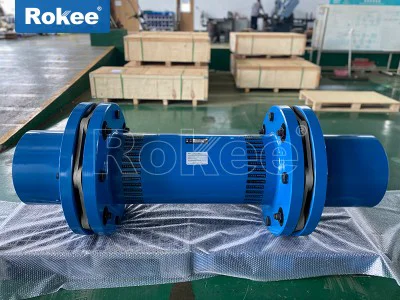
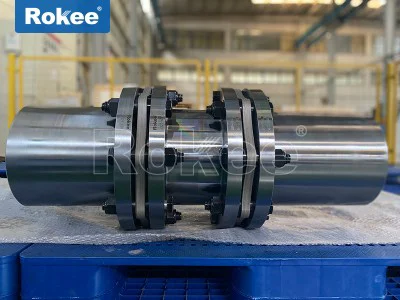
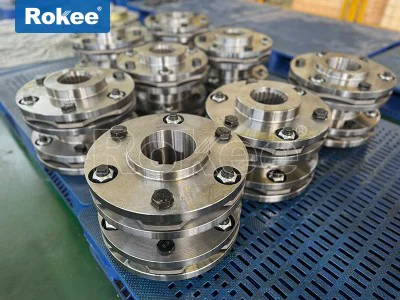
A second prominent type is the double-shim-pack coupling, equipped with two separate stacked shim assemblies positioned on either side of a central spacer or intermediate hub. This dual-shim design enhances the coupling’s misalignment compensation capabilities, particularly for angular and radial offset, making it suitable for applications where shaft misalignment is more pronounced or where greater flexibility is required. The double-shim configuration also boosts torque transmission capacity, allowing it to handle heavier load demands compared to the single-shim-pack variant, making it a preferred choice for heavy machinery and high-torque power transmission systems. For installations with space constraints or specialized shaft mounting requirements, the flanged hub Shim Pack Coupling is available, featuring hubs with integrated flanges that simplify installation and alignment, especially in compact machinery layouts or where shaft access is limited. The flanged design also adds structural rigidity, enhancing stability during high-speed operation and reducing the risk of axial movement within the coupling assembly.
Additional specialized types include the tapered-bore Shim Pack Coupling, designed with tapered hubs that provide a more secure, interference fit on shafts, eliminating the risk of slippage even under extreme torque loads and high vibration; this variant is commonly used in heavy-duty industrial equipment where shaft stability is critical. There is also the short-coupled Shim Pack Coupling, engineered with a compact overall length to fit machinery with limited axial space between driving and driven shafts, without compromising torque capacity or misalignment compensation. Conversely, the extended-length Shim Pack Coupling features a longer spacer between the hubs, designed to bridge larger gaps between shafts, making it suitable for applications where shaft separation is unavoidable due to machinery design or operational requirements. Each type is engineered to maintain the core performance benefits of the Shim Pack Coupling—durability, low maintenance, and efficient torque transfer—while adapting to specific spatial, load, and misalignment needs, ensuring that there is a suitable variant for nearly every mechanical power transmission scenario.
The versatility of Shim Pack Couplings, combined with their robust performance and durable construction, has led to their widespread adoption across a vast spectrum of industrial sectors, where they serve as critical components in countless power transmission systems. In the manufacturing and machinery sector, these couplings are extensively used in conveyor systems, pumps, compressors, fans, and mixers, where they ensure reliable torque transfer and absorb operational misalignment, keeping production lines running smoothly and minimizing downtime. Their maintenance-free design is particularly valuable in continuous manufacturing operations, where unscheduled maintenance can disrupt entire production workflows and result in significant financial losses. In the heavy machinery and construction equipment industry, Shim Pack Couplings are integrated into excavators, cranes, crushers, and material handling machinery, where they withstand heavy shock loads, extreme vibration, and harsh outdoor conditions, delivering consistent performance in rugged work environments.
The energy and power generation sector relies heavily on Shim Pack Couplings for critical applications, including generators, turbines, pumps, and cooling systems, where precision, reliability, and thermal stability are paramount. These couplings operate efficiently in high-temperature, high-speed power generation environments, maintaining torque transfer integrity and accommodating thermal expansion of shafts without failure, ensuring uninterrupted power production. In the marine and offshore industry, where equipment faces exposure to saltwater, moisture, and corrosive marine environments, the corrosion-resistant, all-metal construction of Shim Pack Couplings makes them ideal for use in shipboard machinery, offshore drilling equipment, and marine propulsion systems, resisting degradation and maintaining performance in harsh maritime conditions. The mining and mineral processing industry also benefits greatly from these couplings, utilizing them in crushers, mills, conveyors, and screening equipment, where they endure heavy loads, abrasive dust, and continuous operation, standing up to the most demanding mining conditions without premature wear or failure.
Beyond these core industrial sectors, Shim Pack Couplings find application in transportation equipment, agricultural machinery, aerospace support systems, and various specialized mechanical setups. In agricultural equipment, they power irrigation systems, harvesting machinery, and tillage tools, adapting to the variable loads and outdoor conditions typical of farming operations. In transportation, they are used in heavy-duty vehicle transmissions, rail equipment, and material handling vehicles, providing reliable power transfer in mobile machinery. Their precision design also makes them suitable for aerospace ground support equipment, where consistent performance and minimal maintenance are essential for operational safety and efficiency. Regardless of the sector, the unifying factor driving the adoption of Shim Pack Couplings is their ability to deliver reliable, efficient power transmission while addressing the inherent challenges of shaft misalignment, vibration, and harsh operating conditions, all while requiring minimal upkeep and offering exceptional long-term durability.
In summary, the Shim Pack Coupling represents a pinnacle of practical mechanical engineering, merging a straightforward, robust structure with exceptional performance capabilities to meet the diverse needs of modern industrial power transmission. Its layered shim pack design enables precise misalignment compensation and efficient torque transfer, while its all-metal construction delivers unparalleled durability, thermal stability, and resistance to environmental stressors. The wide range of available types ensures that engineers and equipment designers can select a variant perfectly tailored to their specific application requirements, from standard general-purpose setups to heavy-duty, high-precision, or space-constrained installations. With its widespread use across manufacturing, energy, mining, marine, construction, and agricultural sectors, the Shim Pack Coupling has solidified its status as an indispensable component in global industrial machinery, offering a unique blend of reliability, efficiency, and low maintenance that sets it apart from other coupling designs. As industrial technology continues to advance and machinery demands grow more stringent, the Shim Pack Coupling will remain a vital solution, adapting to evolving operational needs and continuing to deliver consistent, high-performance power transmission for years to come.