Precision Curved Tooth Coupling
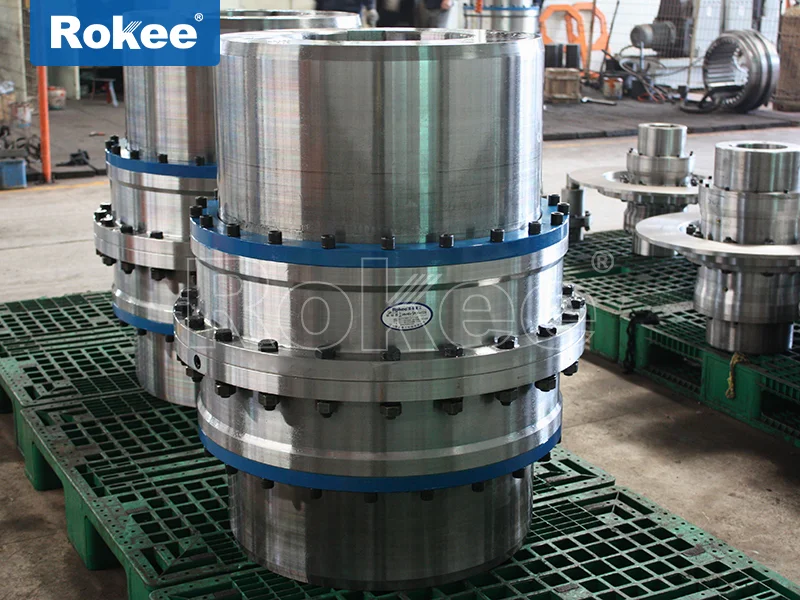
In the field of mechanical power transmission, precision curved tooth couplings stand as one of the most widely applied and high-performance flexible coupling components, bridging the gap between driving shafts and driven shafts while addressing the inherent challenges of shaft misalignment and torque transmission in complex mechanical systems. Unlike rigid couplings that offer no tolerance for positional deviations, or ordinary flexible couplings with limited load-bearing capacity, precision curved tooth couplings integrate the advantages of rigid torque transmission and flexible deviation compensation, forming a core transmission component that balances strength, precision, and adaptability.
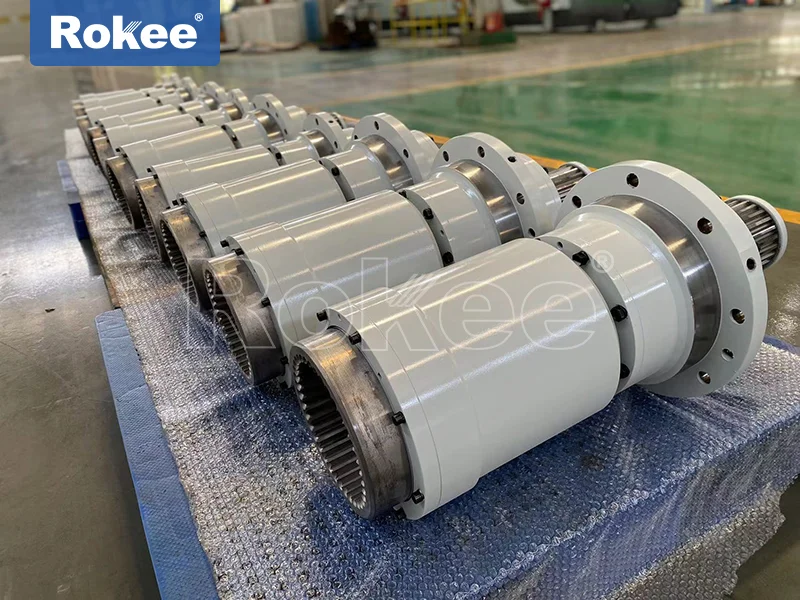
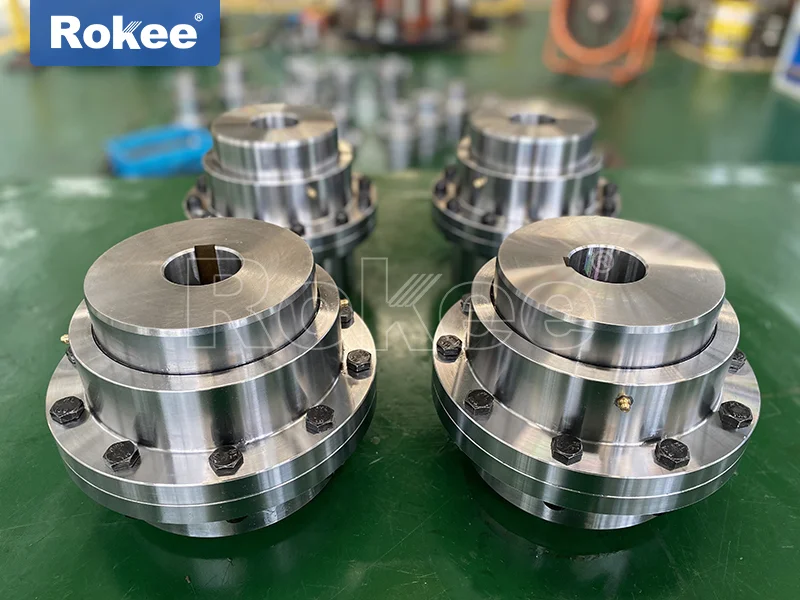
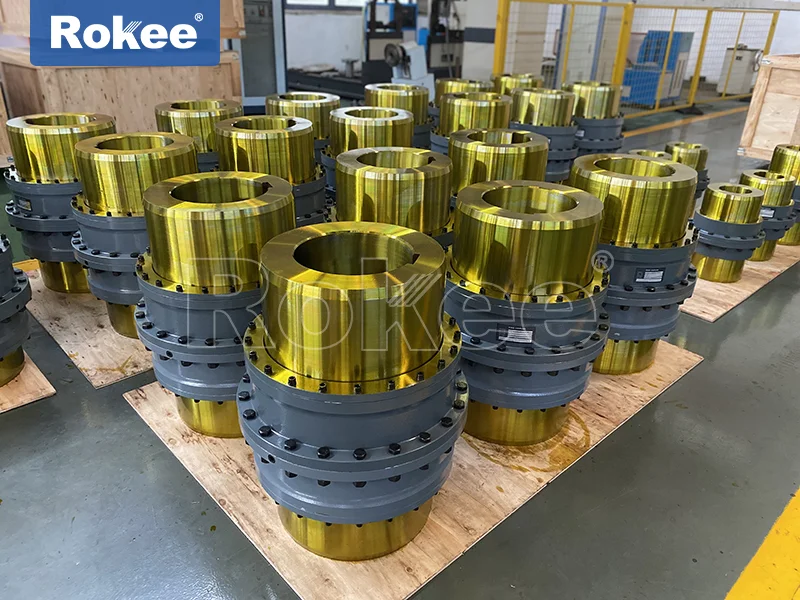
At the structural level, precision curved tooth couplings feature a compact and scientifically designed mechanical structure, with core components that work in synergy to achieve efficient power transmission. The basic structure mainly consists of two outer gear hubs with curved tooth profiles, two inner gear sleeves matched with the outer curved teeth, fastening connectors, and sealing components. The most critical structural feature lies in the curved (drum-shaped) tooth profile of the outer gear hub, which is processed into a spherical arc surface with the sphere center located on the central axis of the gear, a design that fundamentally distinguishes it from straight-tooth gear couplings. The inner gear sleeves are equipped with internal straight teeth that precisely mesh with the outer curved teeth, forming a closed meshing pair; this meshing structure is not a simple point contact but a uniform surface contact within a certain range, which optimizes the stress distribution of the entire tooth surface. The two outer gear hubs are respectively connected to the driving shaft and driven shaft through keyways, shrink fits, or other shaft-hub connection methods, ensuring stable torque transfer without relative sliding during operation. The inner gear sleeves are usually connected by fastening bolts or integrated into a unified sleeve structure, and the entire coupling is equipped with sealing rings at both ends to form a closed internal space, which prevents the leakage of lubricating medium and the intrusion of external dust, debris, and moisture, protecting the internal meshing teeth from wear and corrosion. In addition, high-precision curved tooth couplings often adopt a precision machining process for tooth surfaces, such as gear grinding and heat treatment hardening, to enhance surface hardness, wear resistance, and dimensional accuracy, ensuring stable meshing and long-term reliable operation under high-speed and high-load conditions.
The working principle of precision curved tooth couplings is closely centered on their unique curved tooth meshing structure. During the operation of mechanical equipment, the driving shaft drives the outer gear hub to rotate, and torque is transmitted to the inner gear sleeve through the meshing of curved outer teeth and inner straight teeth, and then further transmitted to the driven shaft and the connected working components to complete the power transmission process. The core advantage of the curved tooth design is its ability to compensate for various forms of shaft misalignment that commonly occur in mechanical systems, including angular misalignment, radial misalignment, and axial misalignment. When there is a certain angle deviation between the driving shaft and driven shaft, the curved tooth surface can still maintain uniform meshing without forming edge contact or stress concentration, which is a prominent problem in straight-tooth couplings. For radial misalignment caused by installation errors or mechanical deformation, the relative sliding between the curved outer teeth and inner teeth allows the coupling to adapt to radial displacement within a specified range without damaging the tooth surface. At the same time, the coupling can also absorb a certain amount of axial telescopic displacement generated during equipment operation, avoiding axial stress accumulation that leads to damage to bearings or shaft bodies. Unlike elastic element-based flexible couplings, precision curved tooth couplings rely on mechanical meshing for torque transmission, so they can maintain high torque rigidity and transmission accuracy, without elastic fatigue or deformation failure, making them suitable for high-precision and high-load transmission scenarios.
The core performance of precision curved tooth couplings is comprehensively reflected in torque transmission capacity, misalignment compensation ability, service life, transmission efficiency, and operational stability, making them superior to many other types of couplings in heavy-duty and precision transmission fields. In terms of torque transmission, thanks to the large contact area of curved tooth meshing and uniform stress distribution, these couplings can bear extremely large radial loads and axial loads while transmitting high torque, with a high torque-to-weight ratio and a compact structure that saves installation space. The misalignment compensation performance is another core advantage: compared with straight-tooth couplings, curved tooth couplings can tolerate larger angular misalignment (usually several times that of straight-tooth products), as well as moderate radial and axial misalignment, effectively reducing the additional internal force generated by shaft deviation on bearings, gears, and other key components, thereby extending the overall service life of the mechanical system. In terms of transmission efficiency, the precise meshing of curved teeth minimizes sliding friction and power loss during operation, achieving a high transmission efficiency close to rigid couplings, which is crucial for energy-saving operation of mechanical equipment. In terms of wear resistance and service life, the hardened curved tooth surface and good lubrication conditions inside the coupling slow down tooth surface wear, and the uniform stress distribution avoids local fatigue damage, greatly prolonging the replacement cycle of the coupling. Additionally, precision curved tooth couplings have excellent impact resistance and vibration damping performance, which can absorb slight vibration and impact loads generated during equipment startup, shutdown, or load mutation, reducing mechanical noise and improving the stability of the entire transmission system. They also have strong adaptability to different operating environments, whether in high-speed rotating systems or low-speed heavy-duty operation scenarios, and can maintain stable performance without obvious performance degradation.
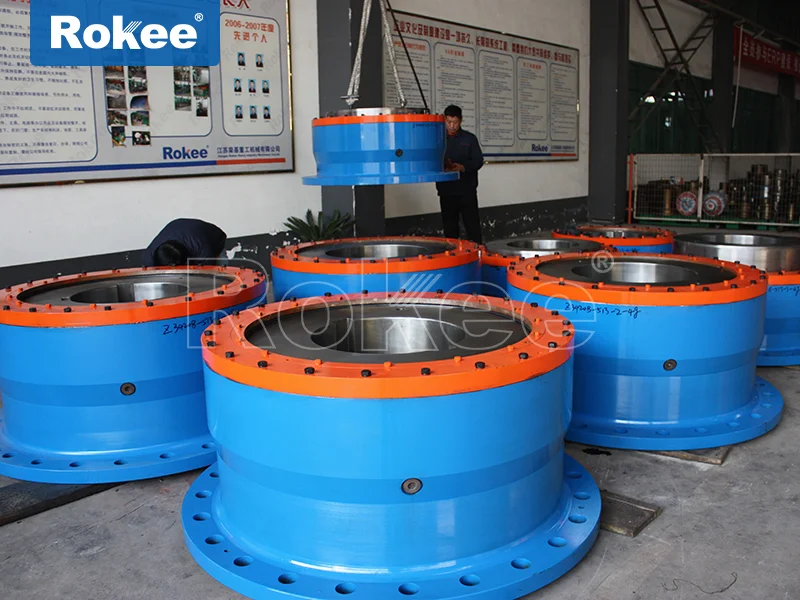
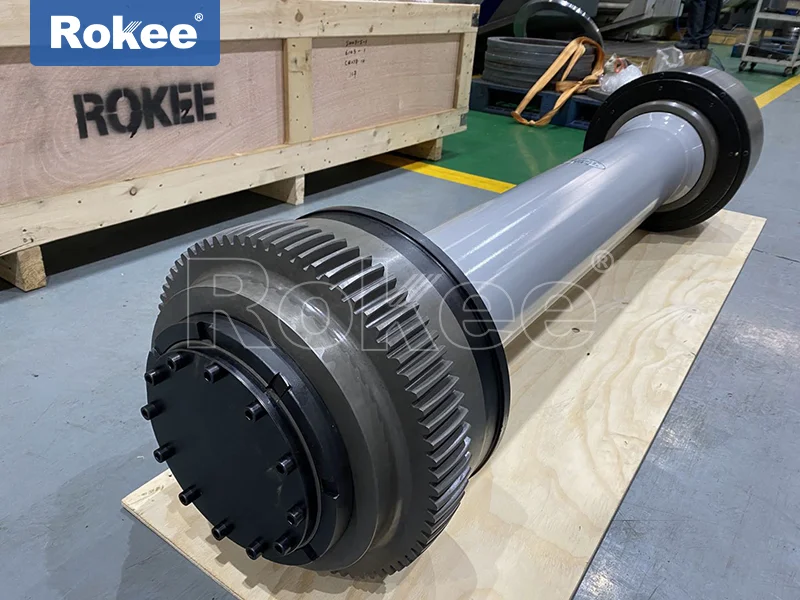
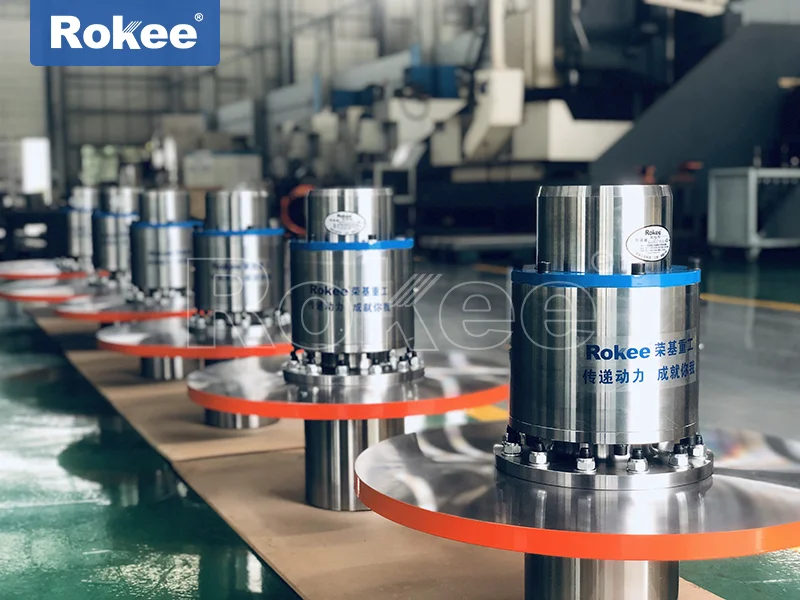
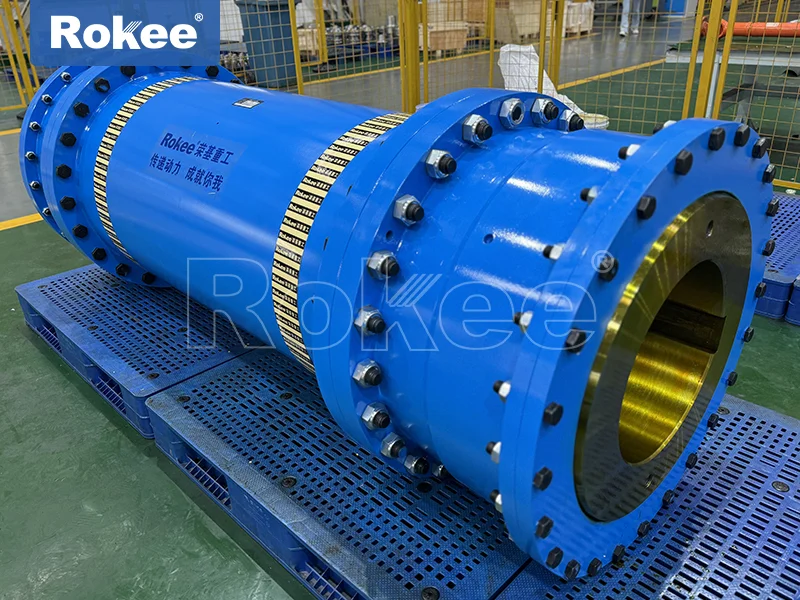
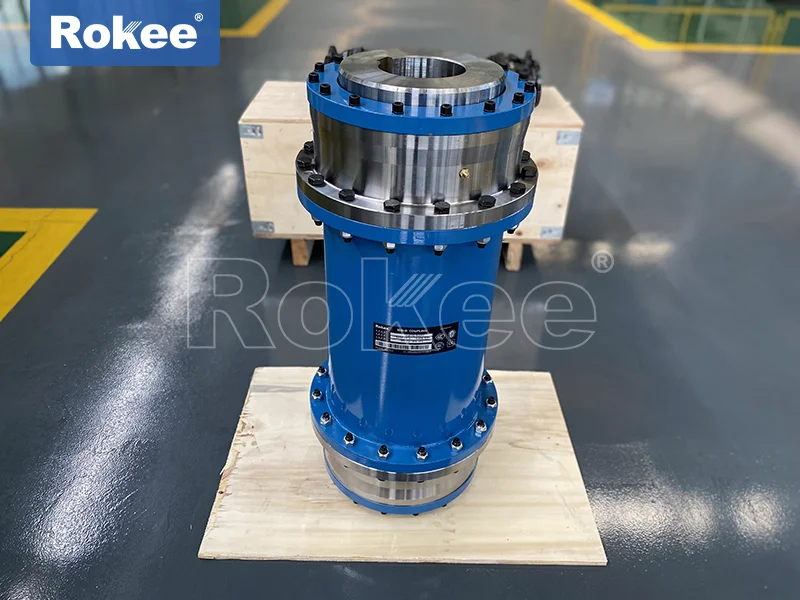
Precision curved tooth couplings are divided into multiple structural types according to different design structures, application scenarios, and functional requirements, each with unique structural characteristics and applicable working conditions, meeting the diversified needs of different mechanical systems. The most basic classification is based on the number of meshing tooth groups: single-stage curved tooth couplings and double-stage curved tooth couplings. Single-stage curved tooth couplings have a set of curved tooth meshing pairs, featuring a simpler structure, smaller axial size, and suitability for transmission systems with small misalignment deviations and limited installation space, commonly used in small and medium-sized mechanical equipment with relatively high shaft alignment accuracy. Double-stage curved tooth couplings are equipped with two sets of curved tooth meshing structures, which greatly enhance the ability to compensate for comprehensive misalignment, especially for large angular and radial deviations, and are widely used in large heavy-duty machinery where shaft alignment is difficult to guarantee. According to the structural form of connection and assembly, they can be divided into integral inner sleeve type and split inner sleeve type; the integral type has higher structural rigidity and better concentricity, suitable for high-speed operation, while the split type is easier to install and disassemble, convenient for later maintenance and replacement, and suitable for equipment with narrow maintenance space. According to additional functional configurations, there are standard precision curved tooth couplings and special functional couplings with auxiliary components, such as those with brake wheels or brake discs, which integrate transmission and braking functions and are suitable for mechanical systems that require frequent braking; vertical installation curved tooth couplings are specially designed for vertical shaft transmission systems, optimizing the stress state of the coupling under vertical load to prevent axial sinking and ensure stable operation. There are also extended long-distance transmission types with intermediate shafts or connecting pipes, which are used in mechanical systems where the distance between the driving and driven shafts is large, solving the problem of long-distance torque transmission while maintaining misalignment compensation performance. In addition, according to the machining accuracy and load-bearing level, they can be divided into standard precision type and high-precision heavy-duty type, with the latter adopting higher-standard machining and heat treatment processes, suitable for ultra-high torque and high-precision transmission requirements in heavy industry and precision manufacturing.
The excellent structural design and comprehensive performance of precision curved tooth couplings make them widely used in almost all fields of mechanical engineering, covering heavy industry, manufacturing, transportation, energy, and other industries, becoming an indispensable key component in various power transmission systems. In the field of heavy machinery and equipment, such as metallurgical machinery, mining machinery, and lifting and transportation equipment, these couplings bear the task of transmitting huge torque, adapting to the harsh working conditions of heavy load, continuous operation, and large shaft misalignment, ensuring the stable operation of rolling mills, crushers, conveyors, and other equipment, and withstanding frequent impact loads without failure. In the field of general industrial machinery, including machine tools, pumps, fans, compressors, and gearboxes, precision curved tooth couplings provide high-precision torque transmission, compensate for installation and operation-induced misalignment, reduce equipment vibration and noise, and improve the machining accuracy of machine tools and the operational stability of fluid machinery. In the energy equipment industry, such as generators, motors, and various power transmission devices, their high transmission efficiency and long service life reduce energy loss and equipment maintenance costs, supporting the efficient and stable operation of power generation and power transmission systems. In the transportation machinery industry, including ship power systems, construction machinery, and automotive transmission systems, the compact structure and strong misalignment adaptability of curved tooth couplings adapt to the limited installation space and complex vibration conditions of mobile machinery, ensuring reliable power transmission under variable loads. In addition, in precision manufacturing, textile machinery, printing machinery, and other light industrial equipment, high-precision curved tooth couplings achieve micro-deviation compensation and high-precision torque transmission, ensuring the processing accuracy and product quality of light industrial equipment. They also play an important role in agricultural machinery, engineering drilling equipment, and other special mechanical fields, adapting to diverse complex working conditions and meeting the personalized transmission needs of different equipment.
With the continuous development of mechanical engineering technology in the direction of high speed, heavy load, precision, and intelligence, the performance requirements for transmission components are constantly increasing, and the application prospects of precision curved tooth couplings are further broadened. The continuous optimization of tooth profile design, the application of new high-strength wear-resistant materials, and the improvement of precision machining processes are continuously enhancing the performance of curved tooth couplings, expanding their application scope to more extreme working conditions. In practical engineering applications, selecting the appropriate type of precision curved tooth coupling according to the equipment's torque parameters, shaft diameter, misalignment amount, operating speed, and working environment is the key to giving full play to its performance advantages. At the same time, standardized installation, regular lubrication maintenance, and periodic inspection of tooth surface wear can further extend the service life of the coupling and ensure the long-term stable operation of the entire mechanical transmission system. As a core transmission component that perfectly balances rigid torque transmission and flexible deviation compensation, precision curved tooth couplings will continue to occupy an important position in the field of mechanical power transmission, providing reliable technical support for the efficient and stable operation of various mechanical equipment.