Choose Curved Tooth Coupling For Efficient Transmission To Upgrade Sandwich Panel Production Machinery Performance
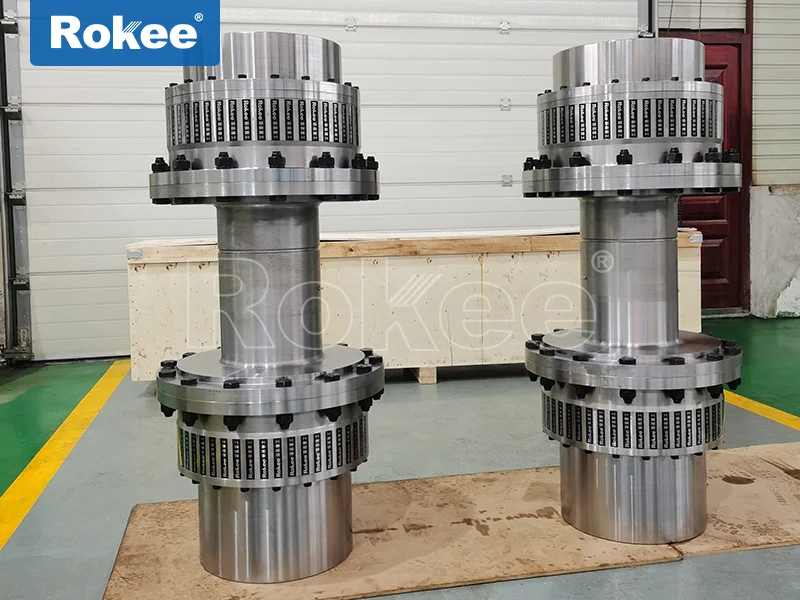
In the modern manufacturing industry, sandwich panel production machinery plays a crucial role in meeting the growing demand for high-quality, lightweight, and durable building materials. These machines operate continuously in harsh industrial environments, requiring precise coordination between multiple components to ensure consistent production efficiency and product quality. At the core of this coordination lies the transmission system, which serves as the "nerve center" of the machinery, transferring power from the motor to various functional units such as uncoiling, roll forming, foaming, lamination, and cutting. Among the numerous transmission components available, the curved tooth coupling has emerged as a superior choice for upgrading sandwich panel production machinery, thanks to its exceptional efficiency, durability, and adaptability. Unlike traditional coupling types, curved tooth couplings are specifically designed to address the unique challenges of continuous industrial transmission, making them an indispensable component for manufacturers seeking to enhance productivity and reduce operational costs.
To understand why curved tooth couplings are ideal for sandwich panel production machinery, it is first necessary to grasp the operational characteristics of such machinery and the core requirements placed on its transmission system. Sandwich panel production is a complex, continuous process that involves multiple sequential steps, each requiring stable and precise power transmission. From the uncoiling of facing materials to the precise cutting of finished panels, every link relies on the seamless transfer of torque to ensure that each component operates in synchronization. Any disruption in power transmission—such as torque loss, vibration, or misalignment—can lead to defects in the final product, including uneven panel thickness, poor bonding between layers, or irregular cutting edges. Moreover, sandwich panel production machinery often operates for extended periods, sometimes 24 hours a day, which places significant stress on transmission components. This continuous operation demands components that can withstand high loads, resist wear, and maintain performance over long service lives without frequent maintenance. Additionally, the layout of sandwich panel production lines often results in slight misalignments between the motor and driven shafts due to space constraints and the integration of multiple functional modules, requiring transmission components that can accommodate such misalignments without compromising efficiency.
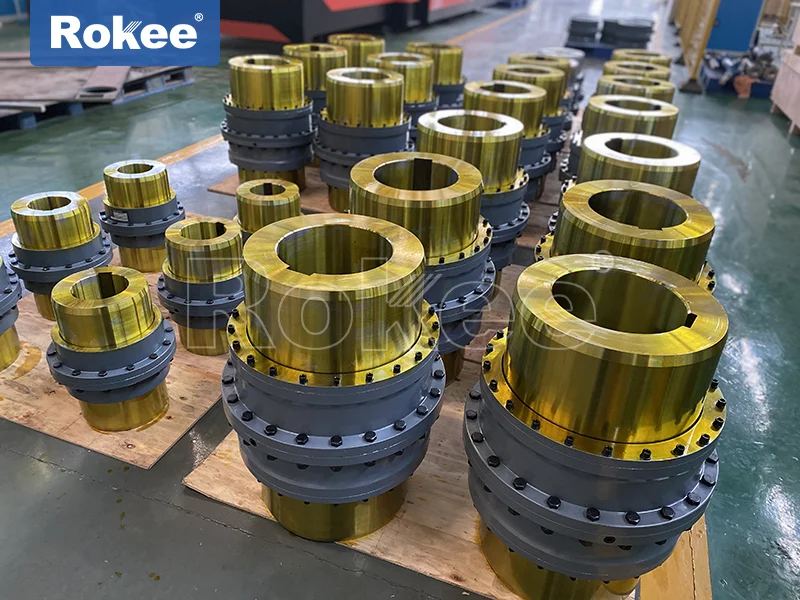
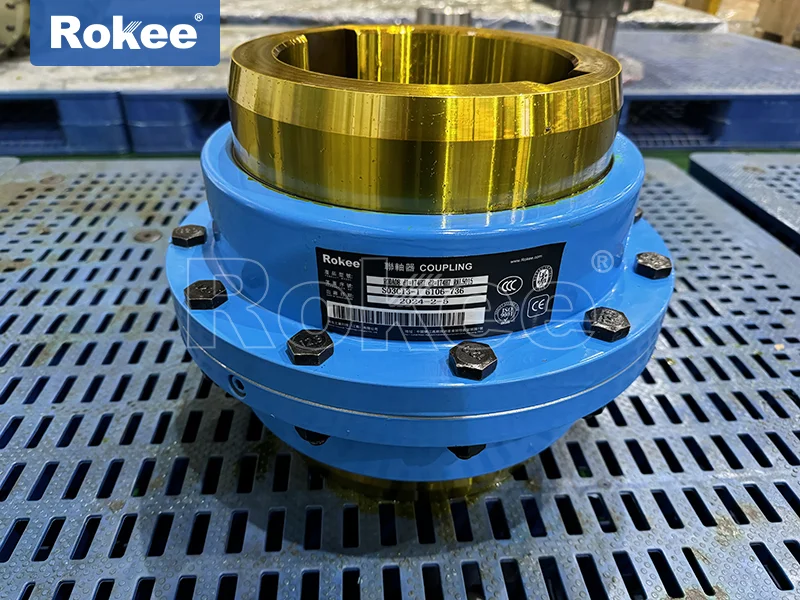
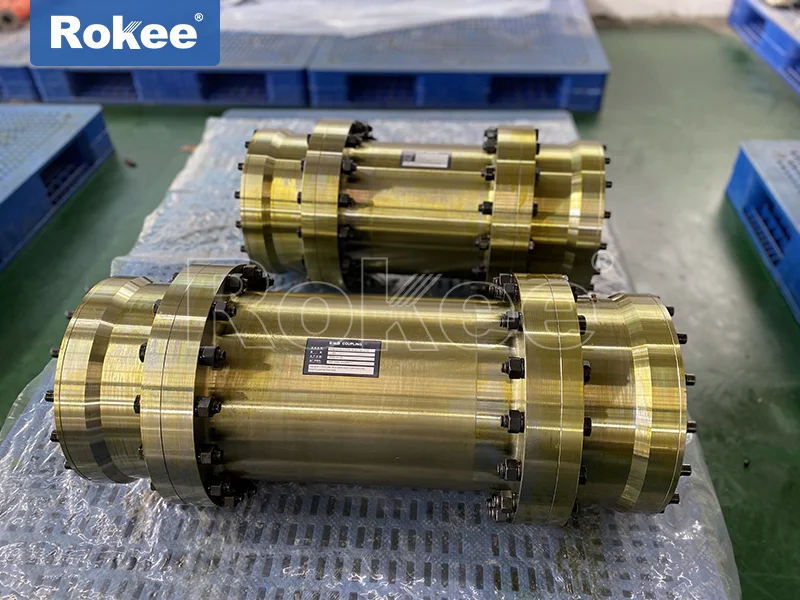
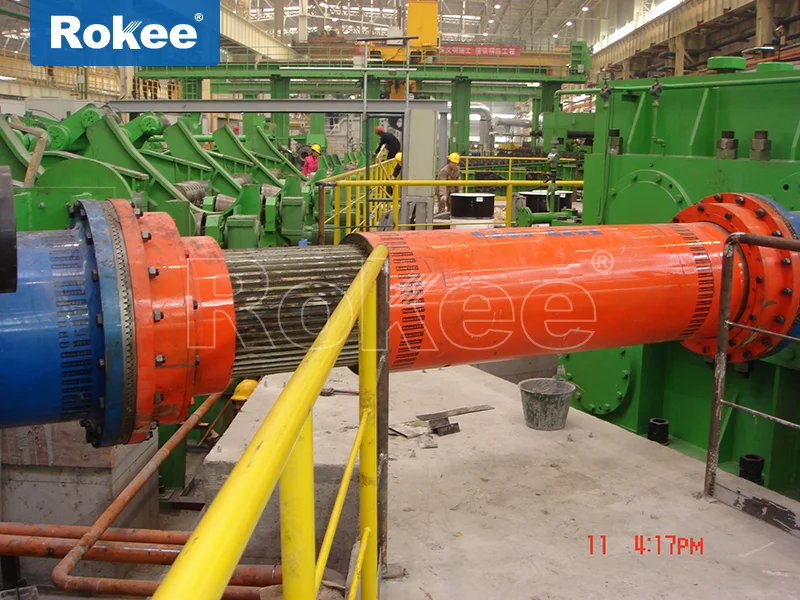
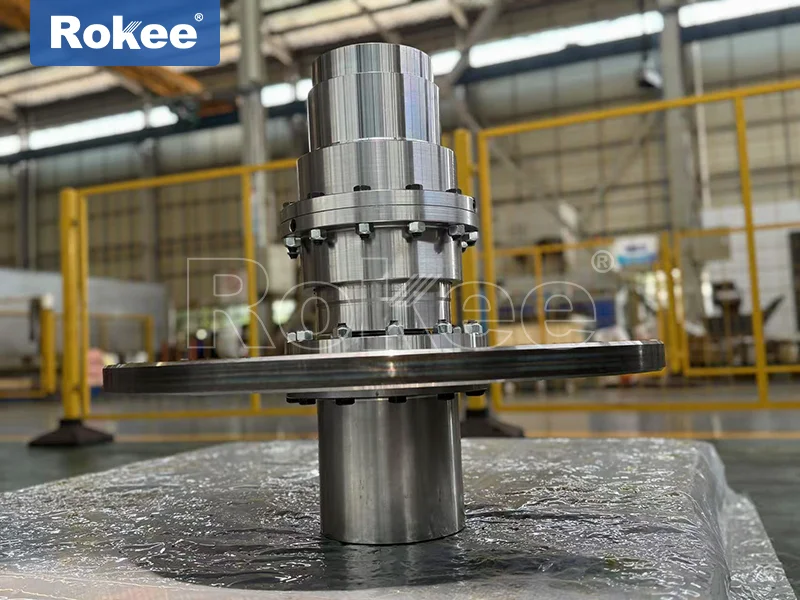
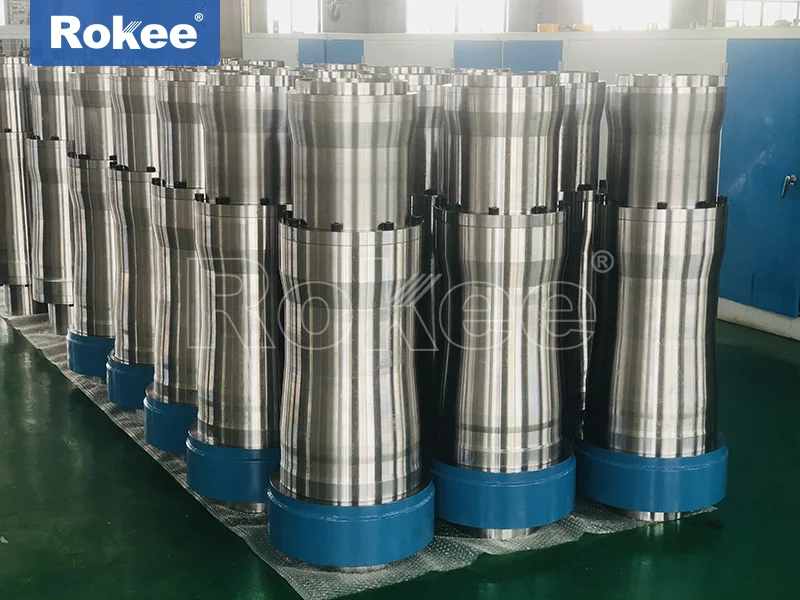
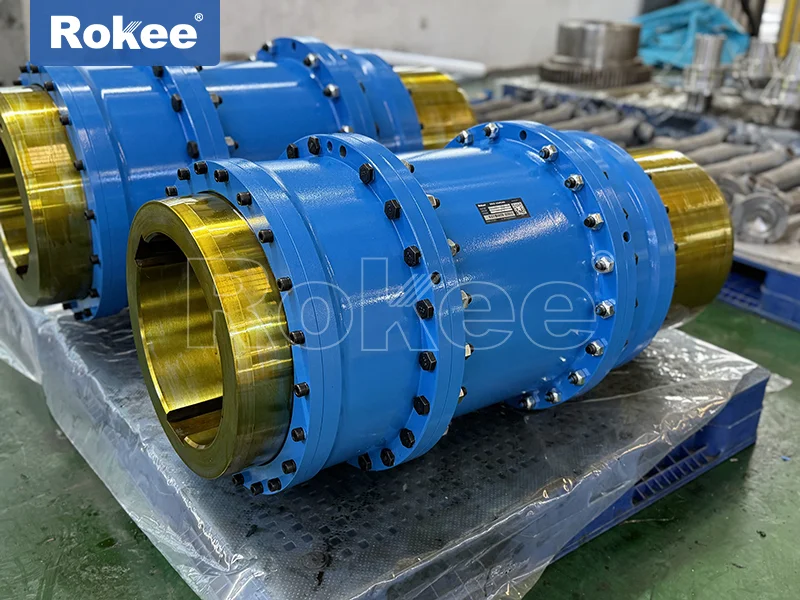
Curved tooth couplings are uniquely suited to meet these demands due to their innovative design and inherent performance advantages. At the heart of a curved tooth coupling is its curved tooth profile, which differs significantly from the straight tooth design of traditional couplings. The outer teeth of the coupling are shaped into a spherical surface, with the center of the sphere aligned with the gear axis, creating a contact pattern that distributes torque over a larger surface area compared to straight teeth. This design not only enhances the coupling’s torque-carrying capacity but also allows for greater angular displacement, enabling it to compensate for minor misalignments between shafts—a common issue in sandwich panel production machinery. The slightly larger tooth clearance of curved tooth couplings further improves their adaptability, reducing friction and wear even when there are small deviations in shaft alignment. This ability to accommodate misalignment is particularly critical in sandwich panel production lines, where the integration of multiple subsystems often leads to unavoidable axial, radial, or angular deviations between driving and driven shafts.
One of the key benefits of curved tooth couplings in sandwich panel production machinery is their ability to ensure efficient power transmission with minimal energy loss. In continuous production processes, energy efficiency is a critical factor for reducing operational costs and improving profitability. Curved tooth couplings minimize energy loss through their optimized tooth design, which ensures smooth and consistent meshing between the gear hubs and the outer sleeve. Unlike straight tooth couplings, which often experience point contact and increased friction, the curved tooth profile creates line contact between mating teeth, distributing the transmitted torque evenly across the tooth surface. This even distribution reduces stress concentration, minimizes friction-induced energy loss, and allows the coupling to operate at higher efficiencies even under heavy loads. For sandwich panel production machinery, which requires constant power input to drive multiple components simultaneously, this efficiency translates into lower energy consumption, reduced heat generation, and extended service life for both the coupling and the entire transmission system.
Durability and reliability are also key considerations for transmission components in sandwich panel production machinery, as unplanned downtime can lead to significant production losses. Curved tooth couplings are engineered to withstand the harsh operating conditions of industrial manufacturing, including high loads, continuous operation, and exposure to dust, debris, and varying temperatures. The curved tooth design reduces wear and tear by minimizing contact stress and ensuring uniform load distribution, which extends the coupling’s service life compared to traditional straight tooth couplings. Additionally, the robust construction of curved tooth couplings—typically featuring high-strength materials such as alloy steel or stainless steel—enhances their resistance to corrosion, fatigue, and impact. This durability means that curved tooth couplings require less frequent maintenance and replacement, reducing downtime and maintenance costs for manufacturers. In contrast, traditional couplings often suffer from premature wear due to uneven load distribution and poor misalignment compensation, leading to frequent breakdowns and increased operational costs.
Another advantage of curved tooth couplings is their ability to dampen vibrations and absorb shocks, which is critical for protecting the sensitive components of sandwich panel production machinery. The continuous operation of motors, reducers, and other mechanical components generates vibrations that can propagate through the transmission system, causing damage to bearings, gears, and other precision parts. These vibrations can also affect the quality of the sandwich panels, leading to inconsistencies in thickness, bonding, and surface finish. Curved tooth couplings effectively absorb these vibrations through their flexible design and optimized tooth meshing, reducing the impact of shocks on the entire machinery. The curved tooth profile allows for slight relative movement between the shafts, which acts as a buffer against sudden torque fluctuations and vibration. This vibration damping capability not only protects the machinery but also improves the overall stability of the production process, ensuring consistent product quality.
The adaptability of curved tooth couplings to different operating conditions and machinery configurations makes them suitable for a wide range of sandwich panel production equipment. Whether used in small-scale production lines or large, fully automated systems, curved tooth couplings can be tailored to meet the specific torque and speed requirements of the machinery. They are compatible with various types of motors and driven components, including those used in uncoiling systems, roll forming machines, foaming units, and cutting devices. Additionally, curved tooth couplings can be designed to accommodate different shaft sizes and mounting configurations, making them easy to integrate into existing production lines without extensive modifications. This versatility is particularly valuable for manufacturers looking to upgrade their machinery incrementally, as it allows them to improve transmission efficiency without replacing the entire system.
In practical applications, the installation and maintenance of curved tooth couplings are relatively straightforward, further enhancing their appeal for sandwich panel production machinery. Proper installation involves ensuring clean shaft ends free of burrs, secure mounting of the gear hubs using interference fit or key connections, and precise shaft alignment using professional tools such as laser alignment instruments. While curved tooth couplings may require periodic lubrication to maintain optimal performance, their design minimizes the frequency of maintenance compared to other coupling types. The use of high-quality lubricants helps reduce friction and wear, extending the coupling’s service life and ensuring consistent performance. Regular visual inspections to check for signs of wear, loose fasteners, or oil leakage are sufficient to keep the coupling in good working condition, making it a low-maintenance component for busy production environments.
The impact of curved tooth couplings on the performance of sandwich panel production machinery is evident in real-world applications. Manufacturers that have upgraded their transmission systems with curved tooth couplings have reported significant improvements in production efficiency, product quality, and operational reliability. For example, a manufacturer producing PU sandwich panels noted that after installing curved tooth couplings, the machinery’s downtime was reduced by more than 30%, as the couplings were able to withstand continuous operation without premature failure. The consistent power transmission provided by the couplings also led to a 15% improvement in product consistency, with fewer defects in panel thickness and bonding. Additionally, the reduced energy consumption resulting from the coupling’s high efficiency translated into lower operational costs, improving the manufacturer’s profitability.
Another example involves a manufacturer of metal sandwich panels, which faced challenges with misalignment between the motor and roll forming equipment, leading to frequent wear of traditional couplings and inconsistent panel forming. By switching to curved tooth couplings, the manufacturer was able to compensate for the misalignment, reducing coupling wear by 50% and improving the precision of the roll forming process. This not only reduced maintenance costs but also resulted in a higher quality finished product, with more uniform panel dimensions and smoother surfaces. The curved tooth couplings also absorbed vibrations from the roll forming process, protecting the equipment’s bearings and gears and extending their service life.
When selecting a curved tooth coupling for sandwich panel production machinery, several factors should be considered to ensure optimal performance. The first is the torque requirement of the machinery, as curved tooth couplings are available in a range of torque capacities to suit different applications. Manufacturers should calculate the maximum torque required by the system, including peak torque during startup or load changes, to select a coupling that can handle these demands without exceeding its limits. The speed range of the machinery is another important factor, as curved tooth couplings are designed to operate efficiently at specific speed levels. It is also essential to consider the misalignment tolerance required, as different coupling designs offer varying levels of compensation for axial, radial, and angular misalignments. The size and mounting configuration of the coupling should also be compatible with the machinery’s shaft dimensions and installation space, ensuring a proper fit and easy integration.
Environmental factors should also be taken into account when selecting a curved tooth coupling. Sandwich panel production machinery may operate in environments with high levels of dust, humidity, or temperature fluctuations, which can affect the performance and durability of the coupling. Choosing a coupling made from corrosion-resistant materials and featuring effective sealing mechanisms can help protect it from environmental damage, ensuring long-term reliability. Additionally, the lubrication requirements of the coupling should be compatible with the operating environment, with some couplings designed for maintenance-free operation in certain conditions.
As the sandwich panel manufacturing industry continues to evolve, with increasing demands for higher efficiency, better quality, and lower costs, the role of efficient transmission components becomes even more critical. Curved tooth couplings offer a proven solution for upgrading sandwich panel production machinery, providing the efficiency, durability, and adaptability needed to meet these evolving demands. Their unique design addresses the specific challenges of continuous industrial transmission, minimizing energy loss, reducing downtime, and improving product quality. By choosing curved tooth couplings, manufacturers can enhance the performance of their machinery, reduce operational costs, and gain a competitive edge in the market.
In conclusion, the selection of the right transmission component is a key decision for manufacturers looking to upgrade their sandwich panel production machinery. Curved tooth couplings stand out as a superior choice due to their efficient power transmission, excellent misalignment compensation, durability, and vibration damping capabilities. These couplings are specifically designed to meet the rigorous demands of continuous industrial operation, making them an ideal solution for improving the performance and reliability of sandwich panel production lines. By integrating curved tooth couplings into their transmission systems, manufacturers can achieve higher production efficiency, better product quality, and lower operational costs, ensuring long-term success in the competitive manufacturing landscape. As technology continues to advance, curved tooth couplings will likely remain a cornerstone of efficient transmission systems, driving innovation and improvement in sandwich panel production machinery.