LK Flexible Couplings
In the realm of mechanical power transmission, flexible couplings stand as indispensable components that bridge rotating shafts, transfer torque efficiently, and mitigate operational challenges posed by misalignment, vibration, and shock loads. Among these critical components, LK flexible couplings have carved out a notable presence in industrial and precision machinery systems, owing to their optimized structural design, balanced performance metrics, and versatile adaptability across diverse operating scenarios. Unlike rigid couplings that enforce strict shaft alignment and offer no tolerance for positional deviations, LK flexible couplings are engineered with inherent flexibility, enabling them to accommodate various forms of shaft misalignment while maintaining consistent power delivery and protecting adjacent mechanical parts from premature wear and failure.
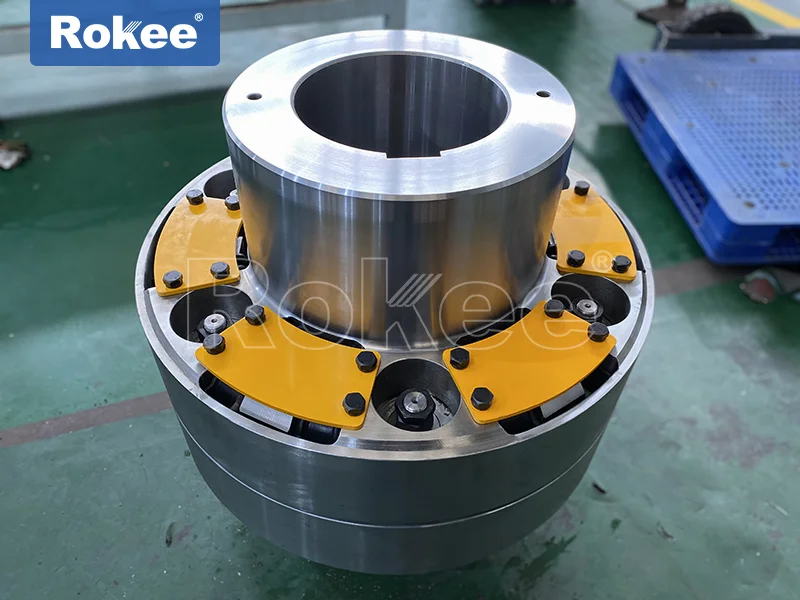
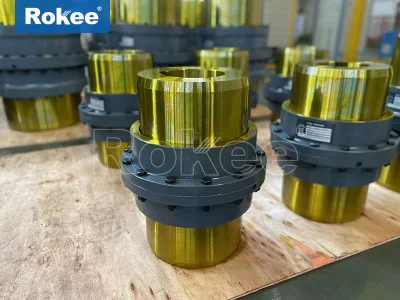
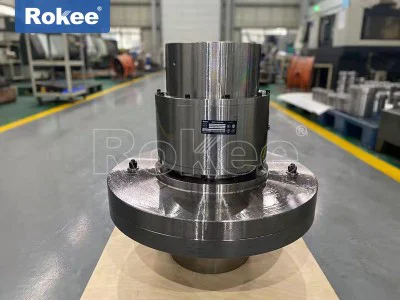
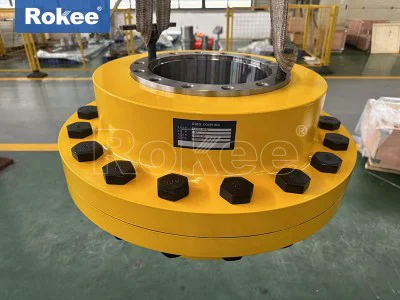
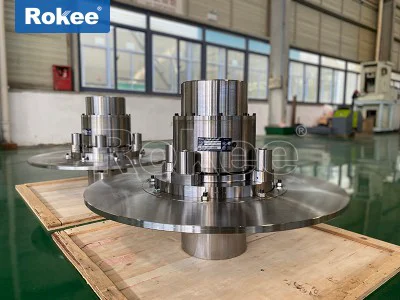
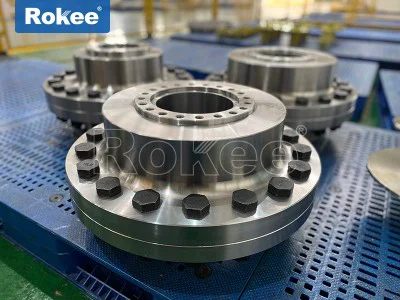
At the heart of LK flexible couplings lies a thoughtfully crafted structural framework that prioritizes both flexibility and mechanical robustness, striking a delicate balance between load-bearing capacity and misalignment compensation. The fundamental structure of these couplings typically consists of two core hub components, a flexible intermediate element, and auxiliary fastening parts, with variations in design tailored to specific performance goals and application environments. The hub components, usually forged from high-strength alloy steel or durable cast iron, are precision machined to fit snugly onto the driving and driven shafts, featuring keyways, tapered bores, or clamping mechanisms to ensure secure, backlash-free connection and efficient torque transmission. The choice of hub material is pivotal, as it must withstand repeated torsional stress, radial loads, and thermal expansion without compromising dimensional stability or structural integrity.
The defining feature of LK flexible couplings is the flexible intermediate element, which serves as the primary medium for achieving shaft misalignment compensation, vibration damping, and shock absorption. This element varies significantly in material and form across different coupling variants, encompassing elastomeric polymers, metal springs, thin steel discs, grid structures, and bellows configurations, each engineered to deliver distinct functional benefits. Elastomeric elements, crafted from high-grade rubber, polyurethane, or other synthetic polymers, offer exceptional elasticity and vibration isolation properties, ideal for reducing noise and cushioning sudden load spikes. Metal-based flexible elements, by contrast, leverage the malleability and strength of alloy steel or stainless steel to provide high torsional stiffness, precise torque transmission, and resistance to high temperatures and harsh operating fluids, making them suitable for heavy-duty and high-speed applications. Auxiliary components such as locking bolts, washers, and retaining rings are integrated to secure the assembly, simplify installation and maintenance, and prevent disassembly under dynamic operating conditions, ensuring long-term operational reliability.
Beyond basic structural design, the overall configuration of LK flexible couplings is optimized to minimize rotational inertia, reduce energy loss, and enhance operational efficiency. Many variants feature a compact, lightweight profile that reduces the burden on rotating shafts and bearings, lowering energy consumption and extending the service life of connected equipment. Some designs incorporate a split-hub structure for tool-free or simplified installation, allowing for easy mounting and dismounting without disrupting adjacent machinery, a critical advantage in industrial settings where downtime must be minimized. Additionally, the structural layout is engineered to distribute stress evenly across the coupling body, preventing localized fatigue and cracking that can occur under continuous cyclic loading, thereby boosting durability and reducing maintenance frequency.
The performance characteristics of LK flexible couplings are a direct reflection of their structural ingenuity, encompassing misalignment compensation, torque transmission efficiency, vibration and shock damping, thermal stability, and operational longevity—all of which are tailored to meet the stringent demands of modern mechanical systems. Foremost among these performance traits is the ability to compensate for multiple types of shaft misalignment, a core function that sets flexible couplings apart from rigid alternatives. LK flexible couplings can effectively accommodate angular misalignment, radial offset, axial displacement, and combined misalignment, the most common operational deviations caused by manufacturing tolerances, installation errors, thermal expansion, or mechanical wear during operation. By absorbing these positional deviations, the couplings eliminate excessive stress on shafts, bearings, gears, and seals, preventing premature failure and reducing costly repair and replacement cycles.
Torque transmission performance is another cornerstone of LK flexible couplings’ functionality, with designs optimized to deliver efficient, reliable power transfer across a wide range of load conditions. These couplings exhibit high torque density, meaning they can transmit substantial torque loads relative to their physical size and weight, making them suitable for space-constrained installations. Whether operating under steady-state loads, fluctuating loads, or intermittent shock loads, they maintain consistent torque delivery with minimal torsional backlash, a critical attribute for precision machinery where positional accuracy and motion synchronization are paramount. The torque transmission capacity is further enhanced by the material selection and structural rigidity of the hub and flexible elements, with heavy-duty variants engineered to handle extreme torque loads in industrial heavy machinery, and precision variants prioritizing low inertia and zero backlash for high-precision motion control systems.
Vibration damping and shock absorption capabilities further elevate the performance of LK flexible couplings, addressing a key pain point in mechanical systems where excessive vibration can lead to noise pollution, component fatigue, and compromised operational accuracy. Elastomer-based couplings excel in this regard, as the viscoelastic properties of the polymer intermediate element absorb vibrational energy and dampen shock loads generated by engine pulsations, gear meshing, or sudden load changes. Metal-based flexible couplings, while offering higher stiffness, still provide moderate vibration reduction through controlled elastic deformation, striking a balance between precision and shock resistance. This damping effect not only improves the smoothness of operation but also protects sensitive electronic components and precision mechanisms from vibrational damage, expanding the coupling’s applicability to delicate instrumentation and high-precision manufacturing equipment.
Thermal stability and environmental resistance are additional performance hallmarks that ensure LK flexible couplings perform reliably in diverse operating environments. The materials used in their construction are selected to withstand a broad temperature range, from extreme cold in low-temperature industrial settings to high heat generated by high-speed rotating equipment or proximity to heat sources. Elastomeric elements are formulated to resist hardening, cracking, or degradation at extreme temperatures, while metal components are treated to prevent corrosion, oxidation, and thermal warping. Many variants also exhibit resistance to oil, grease, chemicals, and moisture, making them suitable for harsh industrial environments such as manufacturing plants, mining operations, marine applications, and chemical processing facilities. Furthermore, these couplings boast low maintenance requirements, with many designs operating without the need for lubrication, reducing ongoing upkeep costs and operational disruptions compared to couplings that demand regular lubrication and servicing.
Longevity and operational reliability round out the core performance profile of LK flexible couplings, with robust construction and quality materials ensuring extended service life even under demanding operating conditions. The even stress distribution, fatigue-resistant materials, and protective design features minimize wear and tear, while the absence of complex moving parts in many variants reduces the risk of mechanical failure. These couplings are built to withstand millions of rotational cycles without significant performance degradation, providing consistent functionality over years of operation and delivering a strong return on investment for industrial and machinery operators.
LK flexible couplings are categorized into distinct types based on their structural design, flexible element material, and functional characteristics, each tailored to address specific operational requirements, load conditions, and misalignment tolerance needs. This diverse classification ensures that there is an LK flexible coupling variant suitable for nearly every mechanical power transmission scenario, from light-duty precision equipment to heavy-duty industrial machinery. One of the most prevalent categories is elastomer-insert flexible couplings, which feature a resilient polymer or rubber insert positioned between two toothed hubs. This design offers excellent misalignment compensation, superior vibration damping, and quiet operation, with the elastomeric insert available in varying hardness levels to adjust stiffness and load-bearing capacity. These couplings are lightweight, cost-effective, and easy to install, making them ideal for general-purpose industrial applications, small to medium-sized pumps, fans, compressors, and light-duty conveyor systems.
Metal disc flexible couplings represent another major category, characterized by a series of thin, high-strength steel discs stacked between the driving and driven hubs. The flexible discs deform elastically to accommodate misalignment while maintaining high torsional stiffness and zero backlash, making them perfect for high-speed, high-precision applications where positional accuracy is critical. These couplings offer exceptional thermal resistance, no lubrication requirements, and long service life, with the ability to handle moderate to high torque loads. They are widely employed in servo motor systems, CNC machinery, printing presses, textile manufacturing equipment, and other precision-driven industrial machines that demand reliable, backlash-free power transmission.
Grid-type flexible couplings feature a serpentine metal grid element that fits into precision-machined grooves on the coupling hubs, combining the strength of metal with the flexibility needed for misalignment compensation. This design delivers high torque capacity, excellent shock absorption, and the ability to handle heavy radial and axial loads, making it suitable for heavy-duty industrial applications. The grid structure flexes under load to absorb shock and vibration, reducing stress on connected components and enhancing system durability. These couplings are commonly used in large pumps, fans, blowers, crushers, mixers, and other heavy machinery that operates under high loads and harsh conditions, offering robust performance and resistance to extreme operational stress.
Bellows-type flexible couplings are a precision-focused variant, featuring a thin, corrugated metal bellows as the flexible element, welded or clamped between two rigid hubs. The bellows structure provides exceptional axial, angular, and radial misalignment compensation with zero backlash and extremely high torsional rigidity, making them ideal for ultra-precision applications. These couplings are compact, lightweight, and capable of operating at very high speeds, with excellent resistance to high temperatures and corrosive environments. They are predominantly used in precision instrumentation, encoding systems, medical devices, aerospace machinery, and other high-tech applications where even minor positional errors or backlash are unacceptable.
Oldham-type flexible couplings, characterized by a central sliding disk sandwiched between two hub components, excel at accommodating large radial misalignments while maintaining precise torque transmission. The sliding disk allows for significant lateral shaft offset without generating excessive radial loads, making this design ideal for systems with substantial installation tolerances or thermal-induced shaft movement. These couplings offer low inertia, minimal backlash, and simple maintenance, finding use in automation equipment, linear actuators, small CNC machines, and robotics systems where radial misalignment is a primary concern.
Beam or helical flexible couplings, machined from a single piece of metal with a helical slit pattern, represent a minimalist yet highly effective design. The single-piece construction eliminates assembly gaps and backlash, providing consistent flexibility and precise torque transmission for light to moderate load applications. These couplings are compact, corrosion-resistant, and require no maintenance, making them suitable for small electric motors, encoders, sensors, and light-duty precision equipment where space is limited and reliability is key.
The versatility of LK flexible couplings, stemming from their varied structures and performance profiles, translates to an extensive range of practical applications across nearly every sector of mechanical engineering, from general industrial manufacturing to high-precision specialized equipment. In the industrial manufacturing sector, these couplings are ubiquitous in conveyor systems, material handling machinery, packaging equipment, and assembly lines, where they ensure smooth power transmission, absorb operational vibrations, and compensate for misalignment caused by continuous operation and mechanical wear. Their ability to handle fluctuating loads and reduce downtime makes them a staple in factories and production facilities worldwide, supporting efficient, uninterrupted manufacturing processes.
Fluid handling systems, including pumps, compressors, blowers, and hydraulic machinery, rely heavily on LK flexible couplings to connect motor shafts to impeller shafts, addressing misalignment caused by pipe stress, thermal expansion, and operational vibration. Elastomer and grid-type variants are particularly well-suited for these applications, providing reliable torque transmission, shock absorption, and resistance to oil and chemical exposure, ensuring consistent performance in water treatment plants, chemical processing facilities, oil and gas operations, and HVAC systems. By reducing stress on pump bearings and seals, these couplings extend the service life of critical fluid handling equipment and minimize maintenance needs.
In the realm of machine tools and precision manufacturing, metal disc, bellows, and Oldham-type LK flexible couplings play a vital role in CNC milling machines, lathes, grinding machines, and laser cutting equipment. These high-precision variants deliver zero-backlash torque transmission, exceptional positional accuracy, and high-speed stability, enabling the production of intricate, high-tolerance components essential for automotive, aerospace, electronics, and medical device manufacturing. Their ability to maintain precision under high-speed operation ensures consistent product quality and dimensional accuracy, a non-negotiable requirement in modern precision manufacturing.
Automotive and transportation equipment also benefit from the performance of LK flexible couplings, where they are integrated into engine systems, transmission assemblies, steering mechanisms, and auxiliary equipment. These couplings withstand the vibration, shock, and thermal fluctuations inherent in automotive operation, compensating for shaft misalignment and reducing noise and wear in passenger vehicles, commercial trucks, agricultural machinery, and construction equipment. Their robust construction and durability ensure reliable performance in the demanding, high-stress environments of mobile machinery, enhancing vehicle efficiency and longevity.
High-tech and specialized industries, including aerospace, medical devices, robotics, and electronics manufacturing, depend on the ultra-precision performance of bellows and beam-type LK flexible couplings. In aerospace systems, they provide lightweight, high-strength power transmission for avionic equipment and control systems, operating reliably under extreme temperature and pressure conditions. In medical devices, they offer sterile, precision-driven motion control for diagnostic equipment, surgical robots, and laboratory machinery, where hygiene, accuracy, and quiet operation are critical. Robotics and automation systems leverage these couplings for precise, responsive motion control, enabling the smooth operation of industrial robots, automated guided vehicles, and smart manufacturing systems that form the backbone of modern industrial automation.
Beyond these core sectors, LK flexible couplings find application in renewable energy systems, marine equipment, mining machinery, and food and beverage processing, adapting to the unique demands of each industry with specialized designs and material configurations. In wind turbines and solar tracking systems, they withstand environmental stressors and transmit power efficiently; in marine applications, they resist saltwater corrosion and absorb wave-induced vibrations; in mining equipment, they handle heavy shock loads and abrasive conditions; and in food processing, they comply with hygienic operating standards while maintaining reliable performance.
In summary, LK flexible couplings represent a pinnacle of mechanical power transmission design, merging optimized structural engineering, balanced performance attributes, diverse typology, and unparalleled versatility to address the evolving needs of modern machinery and industrial systems. Their ability to compensate for shaft misalignment, transmit torque efficiently, dampen vibration, and withstand harsh operating conditions makes them an irreplaceable component in countless mechanical applications, spanning from light-duty precision instruments to heavy-duty industrial machinery. As manufacturing and engineering technologies continue to advance, the demand for high-performance, reliable flexible couplings will only intensify, and LK flexible couplings, with their proven design and functional adaptability, will remain at the forefront of power transmission solutions, supporting innovation, efficiency, and reliability across the global mechanical engineering landscape. The ongoing refinement of their structural design, material science, and performance capabilities ensures that these couplings will continue to evolve alongside emerging industrial trends, maintaining their status as a critical cornerstone of efficient, durable mechanical systems.