Spider Couplings
In the realm of mechanical power transmission, shaft couplings serve as indispensable components that bridge rotating shafts, transfer torque, and mitigate operational stresses that could compromise equipment longevity and performance. Among the diverse array of coupling designs available, spider couplings—often referred to as jaw couplings in industrial terminology—stand out as one of the most versatile, cost-effective, and widely adopted solutions. Renowned for their balanced blend of flexibility, torsional stability, and resilience, these couplings have carved out a dominant position across countless industrial sectors, from light-duty precision machinery to heavy-duty industrial processing equipment. Unlike rigid couplings that demand perfect shaft alignment and offer no tolerance for misalignment or vibration, spider couplings integrate a flexible elastomeric spider element between two rigid hubs, creating a dynamic connection that addresses the inherent challenges of real-world mechanical systems. This core design philosophy underpins their exceptional performance profile, making them a go-to choice for engineers and equipment designers seeking reliable power transmission with built-in protective features.

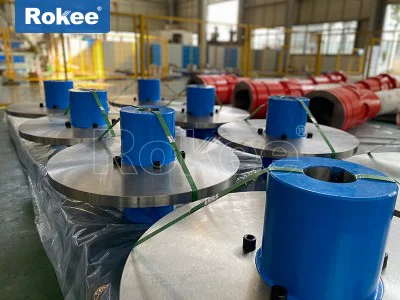
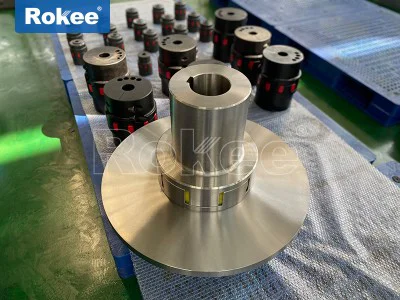
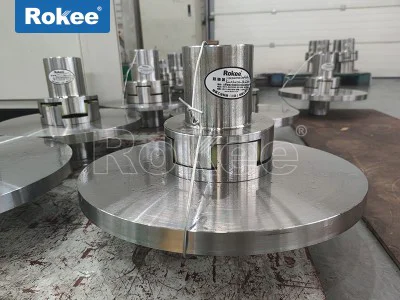
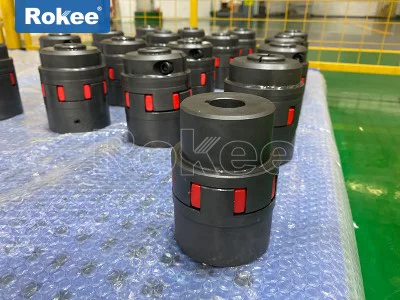
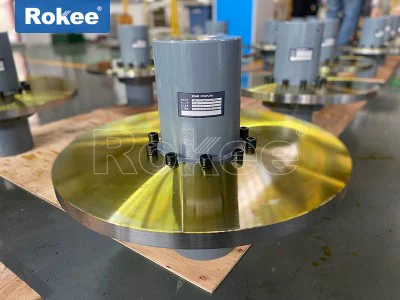
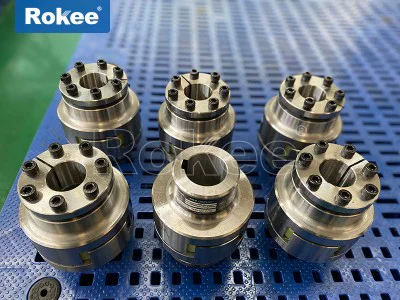
To fully grasp the value and functionality of spider couplings, it is critical to dissect their fundamental structural composition, as every component is engineered to work in harmony to deliver optimal performance. A standard spider coupling consists of three primary parts: two metallic hubs and an intermediate flexible spider insert. The hubs, typically crafted from cast iron, steel, or aluminum alloy, feature precision-machined jaw-like protrusions that interlock with the lobes of the spider insert. These jaws are designed with either straight or curved profiles, a variation that directly impacts the coupling’s misalignment tolerance and torque transmission efficiency. The central spider insert, the heart of the coupling’s flexible performance, is a star-shaped elastomeric component that fits snugly between the interlocking jaws of the two hubs. This elastomeric element is not merely a connecting piece but a functional core that absorbs shock loads, dampens torsional vibrations, and accommodates shaft misalignment—three key advantages that separate spider couplings from rigid alternatives. The assembly process is straightforward: the spider insert is positioned between the two hubs, with each lobe of the spider nesting securely into the gaps between the hub jaws, creating a precompressed fit that eliminates backlash in most operational scenarios. This simple yet robust structure eliminates the need for complex lubrication or regular maintenance, a trait that enhances their practicality across diverse operating environments.
The structural integrity of spider couplings directly translates to their standout performance characteristics, which make them suitable for a broad spectrum of operational conditions. One of the most notable performance attributes is their ability to compensate for multiple forms of shaft misalignment, a common issue in industrial machinery caused by manufacturing tolerances, thermal expansion, installation errors, or operational wear. Spider couplings effectively accommodate angular misalignment, parallel misalignment, and axial shaft movement, preventing excessive stress on bearings, shafts, and connected equipment such as motors, gearboxes, and pumps. This misalignment tolerance not only extends the service life of adjacent components but also simplifies installation, as it reduces the precision required for shaft alignment during equipment setup. Beyond misalignment compensation, these couplings excel in shock absorption and vibration damping. The elastomeric spider acts as a natural cushion, absorbing sudden torque spikes and dampening torsional vibrations generated by reciprocating machinery, frequent start-stop cycles, or uneven load distribution. This damping capability reduces noise levels during operation, minimizes wear on transmission components, and prevents the transfer of damaging vibrations from one part of the machinery to another.
Torsional performance is another cornerstone of spider coupling functionality, balancing flexibility and rigidity to meet varied operational demands. While the elastomeric spider provides essential flexibility, the metallic hubs ensure high torsional stiffness within the designed load range, enabling efficient torque transmission without excessive wind-up or power loss. This balance is critical for maintaining operational precision, especially in applications where consistent speed and torque delivery are paramount. Most spider couplings operate with zero backlash under normal loads, thanks to the precompressed fit of the spider insert between the hub jaws, making them suitable for applications requiring precise motion control, such as conveyor systems, packaging machinery, and automated assembly lines. Additionally, spider couplings feature a fail-safe design: in the event of extreme overload or elastomeric spider failure, the interlocking metal jaws of the hubs will engage directly, preventing complete shaft disconnection and allowing for controlled shutdown rather than catastrophic equipment damage. This fail-safe mechanism adds an extra layer of operational safety, protecting valuable machinery and minimizing downtime in critical production environments. Durability is also a key performance highlight, with high-quality spider couplings resisting wear, abrasion, and degradation from common environmental factors such as oil, moisture, and moderate temperature fluctuations, ensuring consistent performance over extended service intervals.
The versatility of spider couplings is further amplified by the availability of distinct types, each tailored to specific operational requirements, load conditions, and environmental settings. These variations primarily stem from differences in hub design, spider insert material, and structural configuration, allowing engineers to select the optimal coupling for each unique application. One of the most common classifications is based on the profile of the hub jaws, distinguishing between straight jaw and curved jaw spider couplings. Straight jaw couplings feature flat, linear jaw surfaces and are typically used for general-purpose applications with moderate loads and minimal misalignment, offering cost-effective performance for standard power transmission needs. Curved jaw couplings, by contrast, have rounded jaw profiles that distribute pressure more evenly across the spider lobes, enhancing misalignment tolerance, reducing stress on the elastomeric insert, and extending service life in applications with higher vibration or greater shaft displacement. Curved jaw designs are often preferred for more demanding operational scenarios where durability and flexibility are prioritized.
Spider couplings are also categorized by the material of the elastomeric spider insert, a defining factor that shapes the coupling’s damping ability, temperature resistance, chemical compatibility, and load-bearing capacity. The most prevalent spider materials include natural rubber, polyurethane, and thermoplastic elastomers like Hytrel, each with unique performance traits. Natural rubber spiders offer superior damping and vibration isolation properties, making them ideal for applications where noise reduction and shock absorption are critical, such as HVAC systems, small pumps, and light-duty conveyors. They excel in low-to-moderate temperature environments and provide excellent flexibility for accommodating misalignment. Polyurethane spiders, on the other hand, deliver enhanced torque-carrying capacity, greater abrasion resistance, and improved tolerance to oil, chemicals, and wear, positioning them as the most widely used option for general industrial applications. Polyurethane balances durability and flexibility, performing well in moderate to heavy load conditions and a wider temperature range than natural rubber. Hytrel spiders offer a middle ground, combining the damping properties of rubber with the structural rigidity of polyurethane, making them suitable for precision machinery that requires both misalignment compensation and consistent torque transmission, such as CNC equipment, robotics, and precision motion control systems. Beyond these standard materials, specialized elastomeric compounds are available for extreme environments, including high-temperature, chemical-exposed, or heavy-wear settings, further expanding the applicability of spider couplings.
Additional structural variations include solid-center spiders, open-center spiders, snap-wrap spiders, and load cushion spiders, each designed to address specific installation, space, and maintenance constraints. Solid-center spiders are the standard design, featuring a fully supported central core that provides maximum stability and torque capacity, ideal for most general industrial applications. Open-center spiders omit the central core, reducing weight and allowing for closer shaft positioning, making them suitable for compact machinery layouts with limited axial space, though they typically have lower maximum speed limits. Snap-wrap spiders feature a flexible, open-ended design that wraps around the hub jaws, enabling quick installation and removal without disassembling the entire coupling or disturbing shaft alignment, a valuable trait for equipment requiring frequent maintenance or component replacement. Load cushion spiders consist of individual separate cushion blocks instead of a single-piece spider, allowing radial installation and replacement, which is highly beneficial for heavy-duty machinery where full coupling disassembly is impractical or time-consuming. These design variations ensure that spider couplings can adapt to nearly any mechanical setup, from compact precision devices to large-scale industrial processing systems.
Hub material selection further diversifies spider coupling types, with each material offering distinct mechanical properties to match operational loads and environmental conditions. Cast iron hubs are the most common choice for heavy-duty industrial applications, providing high strength, rigidity, and cost-effectiveness, capable of handling large torque loads and withstanding harsh industrial environments. Steel hubs offer enhanced tensile strength and durability, suitable for extreme heavy-load applications, high-speed operation, or environments with elevated mechanical stress, such as mining equipment, metal processing machinery, and large industrial pumps. Aluminum hubs are lightweight and corrosion-resistant, making them ideal for light-duty precision applications, high-speed machinery, or equipment where weight reduction is critical, such as medical devices, small automated systems, and portable industrial tools. The combination of different hub materials and spider insert materials allows for endless customization, ensuring that a spider coupling can be engineered to meet the exact performance requirements of any given application.
The widespread adoption of spider couplings across countless industries is a testament to their unmatched versatility, reliability, and performance adaptability. No single coupling design can match the breadth of applications served by spider couplings, thanks to their ability to balance flexibility, strength, and affordability. In the general manufacturing sector, spider couplings are a staple in conveyor systems, packaging machinery, printing presses, and assembly lines, where they ensure smooth power transmission, absorb operational vibrations, and accommodate the minor misalignment common in continuous production equipment. Their zero-backlash operation and shock absorption capabilities maintain production precision and reduce downtime caused by component wear, making them indispensable for efficient manufacturing operations.
In the fluid handling industry, spider couplings are extensively used in pumps, compressors, and fans, critical equipment for water treatment, HVAC, chemical processing, and industrial cooling systems. These applications often involve variable loads, thermal expansion-induced shaft movement, and vibration, and spider couplings excel at protecting the motor and pump shafts from damage, reducing noise, and ensuring consistent fluid flow. The elastomeric spider’s resistance to oil and moisture further enhances their suitability for this sector, where exposure to lubricants and condensation is common. For heavy industrial sectors such as mining, steel production, and material processing, heavy-duty spider couplings with steel hubs and high-strength polyurethane spiders provide the robust torque transmission and durability needed to withstand extreme loads, dust, and continuous operation. Their fail-safe design is particularly valuable in these settings, preventing catastrophic equipment failure that could halt entire production lines and incur significant financial losses.
The precision engineering and automation industry relies heavily on spider couplings for motion control systems, robotics, CNC machinery, and servo motor drives. Curved jaw couplings with high-performance elastomeric spiders deliver the precise torque transmission, minimal backlash, and vibration damping required for accurate positioning and smooth operation in automated systems. Whether in small robotic arms for assembly or large CNC machining centers, spider couplings ensure that motion is transmitted accurately without lag or vibration, maintaining the high precision demanded by modern manufacturing and automation. Additionally, spider couplings find extensive use in transportation-related machinery, agricultural equipment, and power generation systems, powering everything from farm machinery and material handling vehicles to small-scale power generation units. Their adaptability to both stationary and mobile equipment, coupled with low maintenance requirements, makes them a practical choice for these diverse applications.
Beyond these core sectors, spider couplings are utilized in specialized applications ranging from food and beverage processing machinery to pharmaceutical production equipment, where hygienic operation, low noise, and reliable performance are essential. Their simple, non-lubricated design prevents contamination risks, while their vibration damping capabilities maintain a stable operational environment. Even in marine and offshore applications, specialized corrosion-resistant spider couplings with durable elastomeric inserts perform reliably in harsh, salt-exposed environments, powering marine auxiliary equipment and offshore processing systems. The ability to customize spider materials and hub designs to resist corrosion, extreme temperatures, and chemical exposure further expands their reach into niche industrial sectors that demand specialized performance characteristics.
In summary, spider couplings represent a pinnacle of practical mechanical engineering, merging simple structural design with exceptional functional performance to meet the diverse needs of modern power transmission systems. Their core structure—comprising two rigid hubs and a flexible elastomeric spider—delivers a unique combination of misalignment tolerance, shock absorption, vibration damping, and torsional stability, addressing the most common challenges in mechanical power transmission. The wide range of types, differentiated by jaw profile, spider material, hub construction, and structural configuration, ensures that there is a spider coupling optimized for every conceivable operational scenario, from light-duty precision automation to heavy-duty industrial processing. Their widespread adoption across virtually every industrial sector underscores their reliability, versatility, and cost-effectiveness, making them an irreplaceable component in global manufacturing, automation, fluid handling, and heavy industry. As machinery continues to evolve toward higher efficiency, greater precision, and more demanding operational conditions, spider couplings will remain a foundational element in mechanical power transmission, adapting through material and design innovations to meet the ever-changing needs of the industrial landscape. Their enduring popularity stems not from complex engineering or cutting-edge materials, but from a perfect balance of functionality, durability, and practicality that few other coupling designs can match.