Gear Type Coupling And Adaptation Technology For Polyurethane Sandwich Panel Production Line
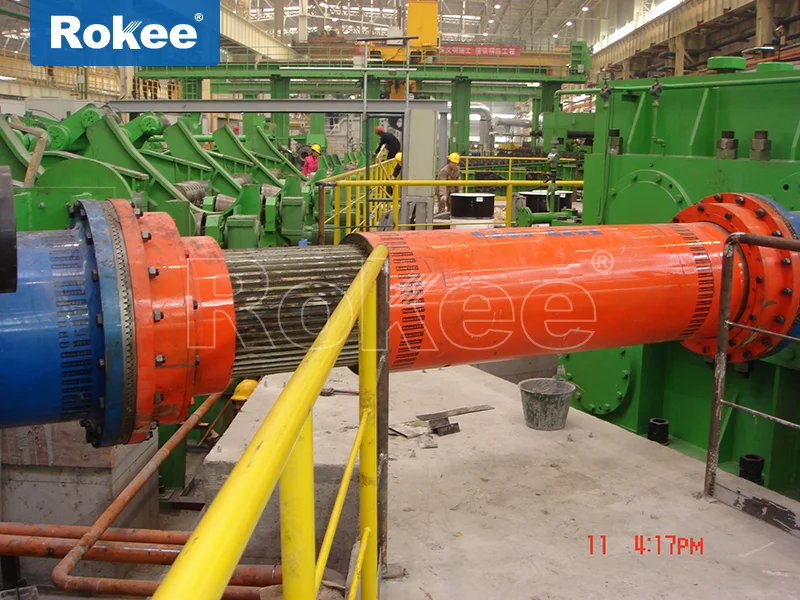
Polyurethane sandwich panel production is a highly continuous and automated industrial manufacturing process that integrates material feeding, foaming, pressing, curing, cutting and finished product conveying. The entire production line operates in a long-cycle, high-load and variable-speed working state, where the stability and synchronization of the mechanical transmission system directly determine the forming quality, dimensional accuracy and production efficiency of polyurethane sandwich panels. As a core flexible transmission component, gear type couplings undertake the key task of torque transmission and shaft connection between driving motors, reduction devices, traction rollers and conveying mechanisms in the production line. Their structural characteristics, load adaptability and misalignment compensation performance play an irreplaceable role in solving the dynamic transmission problems of continuous production equipment, effectively avoiding production fluctuations and equipment failures caused by transmission deviation, vibration and load impact. In the automated production scenario of polyurethane sandwich panels, the adaptation technology of gear type couplings has become an important technical support to optimize the operating stability of the production line, extend the service life of mechanical equipment and reduce production operation costs.
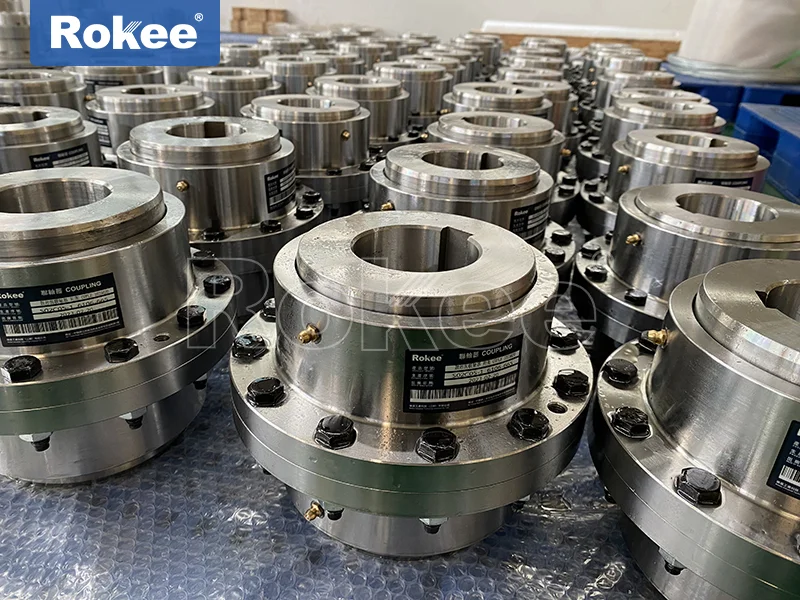
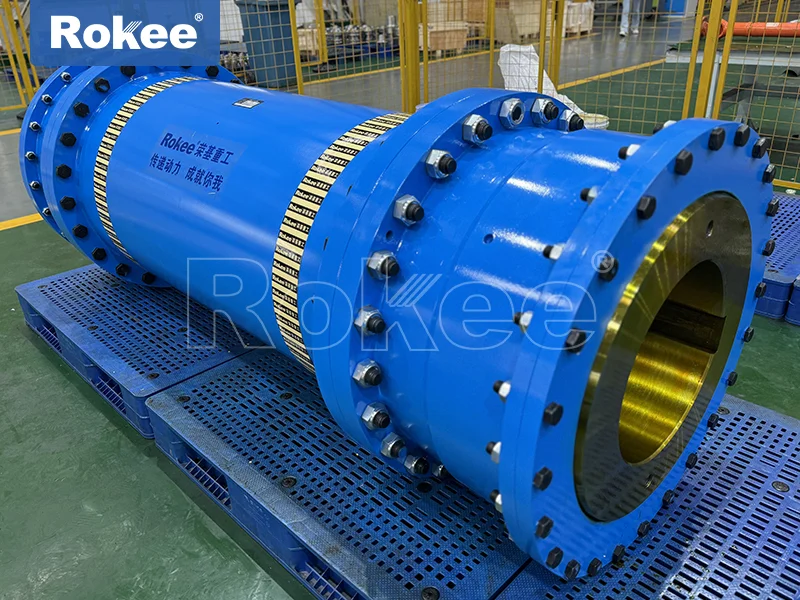
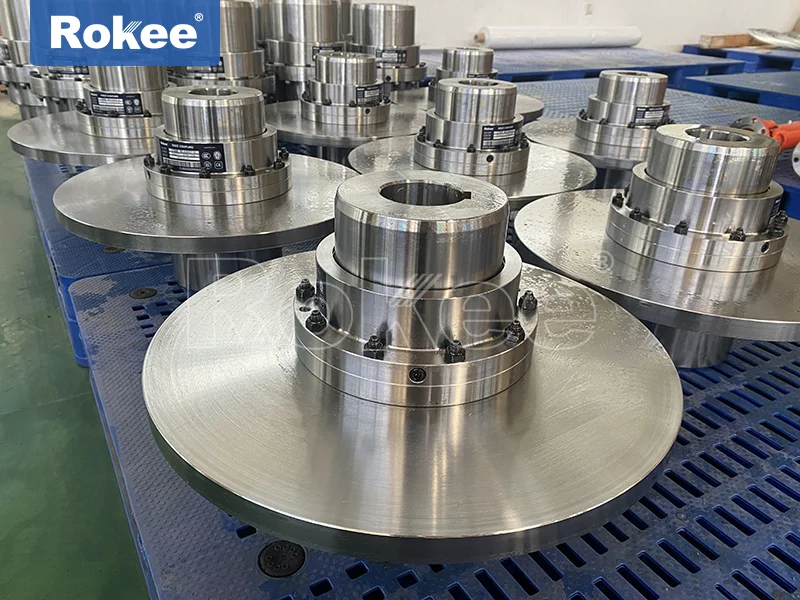
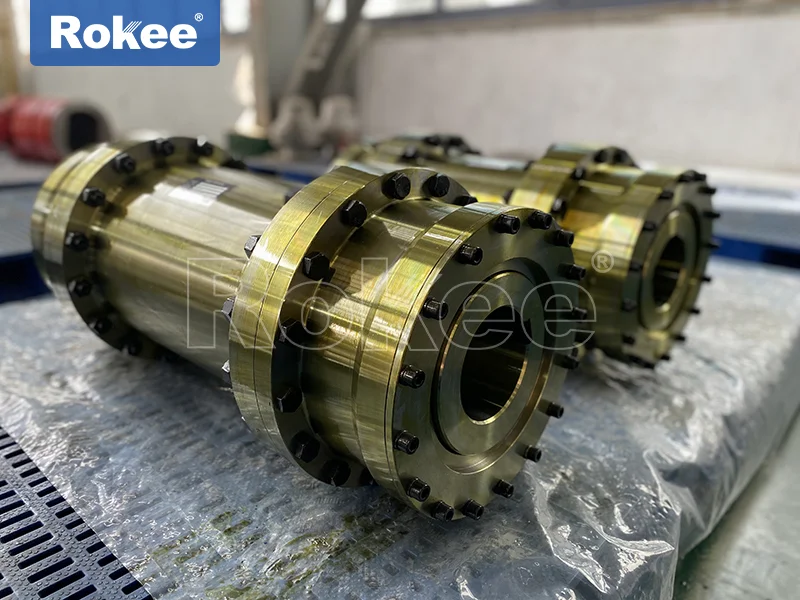
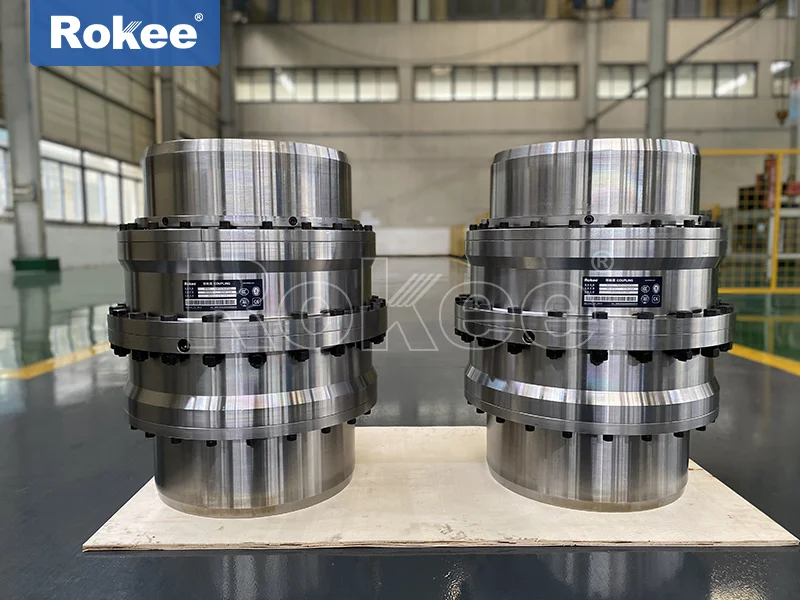
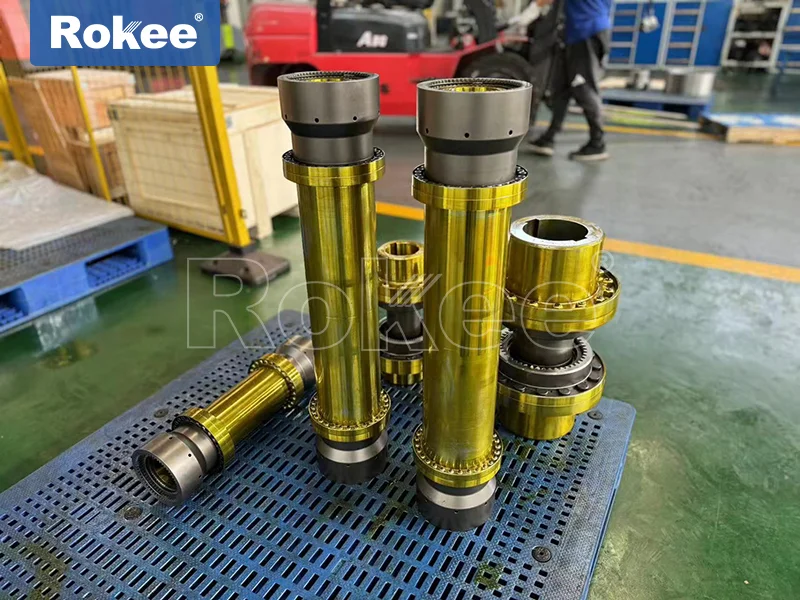
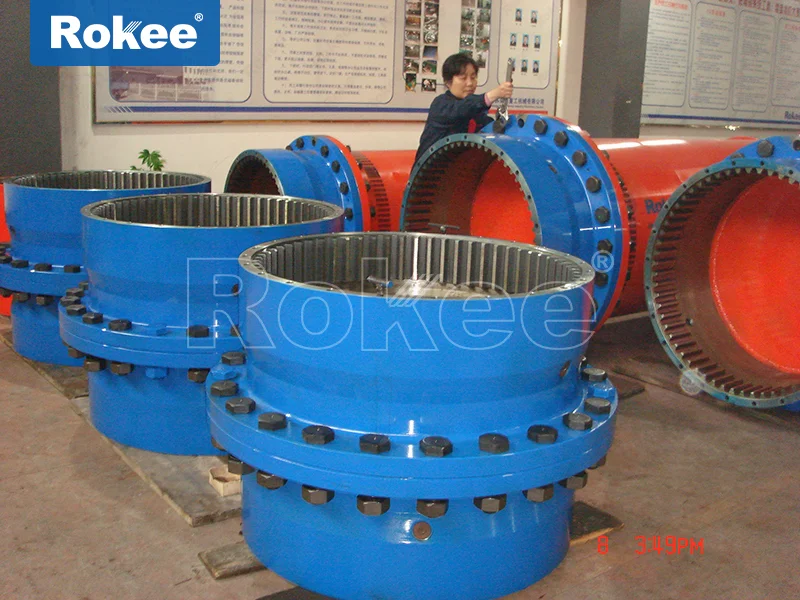
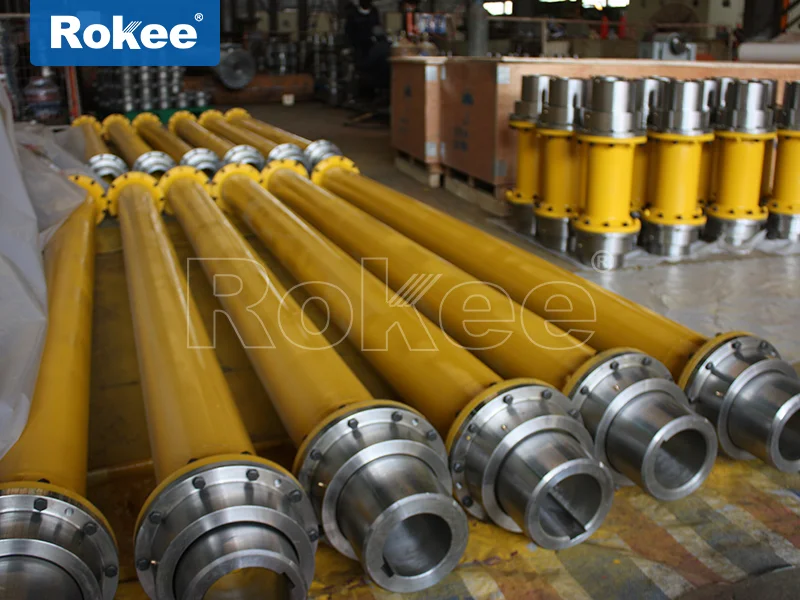
Gear type couplings are precision mechanical transmission components designed based on the meshing principle of internal and external gear pairs, mainly composed of two external gear hubs and an integral internal gear sleeve. Different from rigid couplings that cannot tolerate any shaft displacement and ordinary flexible couplings with limited compensation capacity, the structural design of gear type couplings endows them with excellent heavy-load transmission performance and multi-dimensional misalignment compensation capability. The external gear teeth of the hub adopt a special barreled tooth profile design, which enables the gear contact point to be stably concentrated in the middle of the tooth surface during operation rather than the edge position. This optimized tooth structure allows the coupling to adapt to tiny parallel offset, angular deviation and axial displacement between the driving shaft and driven shaft during high-speed rotation and heavy-load operation, avoiding tooth jamming, local stress concentration and transmission stagnation caused by shaft misalignment. In the working process, the driving shaft drives the external gear hub to rotate synchronously, and the torque is steadily transmitted to the internal gear sleeve through precise gear meshing, and then transferred to the driven external gear hub and the connected mechanical shaft, realizing synchronous rotation and efficient power transmission of the entire transmission unit. The flange fastening structure of the internal gear sleeve ensures the structural integrity of the coupling during long-term continuous operation, preventing relative separation and dislocation of components under variable load conditions.
The production process of polyurethane sandwich panels puts forward stringent and specialized requirements for the performance of transmission components. The whole production line presents typical characteristics of continuous flow operation, and each functional module such as raw material feeding, high-pressure foaming, continuous pressing and constant-temperature curing needs to maintain highly consistent operating rhythm and transmission speed. Any transmission instability or speed deviation will directly lead to uneven foaming density, inconsistent panel thickness, surface wrinkling and other quality defects of polyurethane sandwich panels, and even cause equipment shutdown and production interruption in severe cases. In the actual production environment, the long-term reciprocating operation of traction rollers and pressing mechanisms will generate continuous mechanical vibration, and the thermal expansion and cold contraction of mechanical components caused by the temperature change of the curing section will produce tiny dynamic offset and angular deviation of the transmission shaft. In addition, the production line will face frequent load changes during startup, shutdown and parameter adjustment, which will form instantaneous impact load on the transmission system. Ordinary transmission couplings are difficult to adapt to such complex working conditions for a long time, prone to problems such as transmission clearance increase, component wear and torque attenuation, which seriously affect the synchronization accuracy and operational stability of the production line. Gear type couplings perfectly match the core working condition requirements of polyurethane sandwich panel production lines by virtue of their high torque transmission efficiency, strong vibration resistance and excellent displacement compensation performance.
The core advantages of gear type couplings applied to polyurethane sandwich panel production line are reflected in heavy-load transmission stability and dynamic adaptability. Compared with elastomeric couplings and jaw couplings commonly used in ordinary light-load transmission scenarios, gear type couplings have higher torsional rigidity and load-bearing capacity, which can meet the long-term stable torque transmission requirements of heavy mechanical structures such as large-scale pressing rollers and long-distance conveying mechanisms in the production line. The precise meshing structure of internal and external gears minimizes transmission clearance, ensuring that the speed synchronization error between adjacent transmission units is controlled within a tiny range, which provides a reliable mechanical guarantee for the consistent forming quality of polyurethane sandwich panels. The unique barreled tooth profile design effectively buffers the instantaneous impact load generated during equipment startup and load switching, disperses the local stress of gear teeth, reduces component fatigue wear, and greatly improves the durability of the transmission system in continuous industrial production. At the same time, the multi-directional displacement compensation capability of gear type couplings can automatically adapt to the parallel offset, angular misalignment and axial displacement of the transmission shaft caused by mechanical vibration, thermal deformation and equipment assembly errors in the production line, eliminating transmission friction and energy loss caused by shaft deviation, and maintaining efficient and stable power transmission state for a long time.
The adaptation technology of gear type couplings for polyurethane sandwich panel production lines covers structural matching optimization, installation precision control, operating parameter matching and daily maintenance optimization, forming a complete set of technical systems suitable for continuous automated production. In terms of structural matching, it is necessary to select the coupling specification and tooth profile structure according to the actual transmission power, operating speed and load characteristics of different functional units of the production line. For the low-speed and heavy-load pressing and forming unit with large torque demand, gear couplings with enhanced tooth strength and enlarged load-bearing range are selected to adapt to long-term high-pressure operation; for the high-speed and stable conveying unit, precision-machined gear couplings with small transmission clearance are adopted to ensure the uniformity of panel conveying speed and avoid panel deformation and dimensional deviation caused by speed fluctuation. For the transmission shaft system with frequent vibration and dynamic offset in the curing section, optimized barreled tooth profile couplings are used to improve the angular compensation range and vibration damping effect, reducing the abrasion of gear teeth caused by frequent shaft position changes.
Installation precision control is a key link to give full play to the performance advantages of gear type couplings. In the assembly process of the production line transmission system, the coaxiality and parallelism of the driving shaft and driven shaft need to be strictly calibrated to reduce the initial assembly deviation within a reasonable range. Although gear couplings have excellent misalignment compensation capability, excessive installation deviation will lead to uneven gear meshing, accelerated local wear and increased transmission noise, which will affect the long-term operating stability of the equipment. After installation, it is necessary to conduct no-load debugging and load test operation, check the meshing state of gear teeth and the flexibility of shaft rotation, eliminate assembly stress and hidden transmission dangers, and ensure that the coupling can give full play to displacement compensation and stable transmission functions in formal production. In addition, the fastening state of flange bolts and the tightness of the connecting structure should be inspected regularly to prevent component loosening caused by long-term mechanical vibration, so as to avoid transmission failure caused by structural dislocation.
Operating parameter matching technology focuses on coordinating the working state of gear couplings with the speed regulation and load change characteristics of polyurethane sandwich panel production lines. Modern polyurethane sandwich panel production lines adopt frequency conversion speed regulation technology, which can realize stepless speed adjustment from low-speed debugging to high-speed mass production, and the transmission load will change dynamically with the adjustment of production speed and process parameters. Gear type couplings need to match the dynamic speed and load changes of the equipment, and their structural design ensures that the transmission efficiency can remain stable in a wide speed range, without obvious torque attenuation or vibration amplification due to speed change. In the process of production line parameter adjustment, the flexible transmission characteristics of gear couplings can buffer the mechanical impact generated by sudden speed change and load fluctuation, protect the motor, reducer and other core power components from impact damage, and improve the overall anti-interference ability of the production system. For the intermittent load impact generated in the cutting and finishing process of sandwich panels, the gear meshing gap and elastic deformation of the coupling can absorb part of the impact energy, stabilize the operating state of the transmission system, and ensure the continuity and stability of the production process.
Daily maintenance and adaptive optimization technology further guarantees the long-term reliable operation of gear couplings in polyurethane sandwich panel production scenarios. In the high-frequency continuous production mode, the gear meshing parts of the coupling need good lubrication conditions to reduce friction and wear. Regular lubrication maintenance can form a stable oil film on the gear tooth surface, avoid dry friction and tooth surface abrasion, reduce transmission noise and energy consumption, and extend the service life of components. At the same time, regular detection of gear tooth wear degree and shaft displacement compensation state is required, and timely adjustment and replacement shall be carried out for components with excessive wear and reduced compensation performance to prevent transmission precision decline caused by component aging. In view of the humid and slightly dusty production environment of polyurethane sandwich panels, the sealing performance of gear couplings is optimized to prevent dust, moisture and residual process debris from entering the gear meshing area, avoid gear corrosion and meshing failure, and maintain the long-term working stability of the transmission system.
Compared with other types of flexible couplings, the technical adaptability of gear type couplings in polyurethane sandwich panel production lines is more prominent. Elastic sleeve couplings and diaphragm couplings are limited by structural strength, and are difficult to adapt to long-term heavy-load and impact load working conditions, prone to elastic fatigue and structural deformation, resulting in reduced transmission precision. Universal couplings have a large angular compensation range, but their transmission clearance is large, and the speed synchronization performance is poor, which is easy to cause panel conveying deviation and forming quality problems in high-precision continuous production. Gear type couplings integrate high torque transmission capacity, high synchronization precision, multi-dimensional misalignment compensation and good vibration damping performance, which can perfectly adapt to the full working condition characteristics of polyurethane sandwich panel production lines including continuous operation, variable load, dynamic deviation and high-precision transmission requirements. Through scientific type selection, precise installation, parameter matching and standardized maintenance, gear type couplings can effectively reduce the failure rate of the production line transmission system, improve the consistency of panel product quality, and reduce equipment maintenance and operation costs.
With the continuous upgrading of polyurethane sandwich panel production technology towards high automation, high precision and high efficiency, the requirements for the stability, precision and durability of the production line transmission system are constantly improving. The adaptive optimization technology of gear type couplings is also developing in the direction of refinement and intelligence. The optimized tooth profile design and high-precision processing technology further improve the meshing accuracy and wear resistance of the coupling, and the improved structural sealing and lubrication system adapts to more complex production environments. In the future, with the integration of intelligent monitoring technology, the operating state, wear degree and displacement compensation parameters of gear couplings can be monitored in real time, realizing early warning of potential failures and predictive maintenance, which will further improve the intelligent operation level and continuous production capacity of polyurethane sandwich panel production lines. As an indispensable core transmission component, gear type couplings and their adaptive technology will continue to provide stable and reliable mechanical support for the high-quality and efficient production of polyurethane sandwich panels, and promote the iterative upgrading of the overall manufacturing technology of the sandwich panel industry.