Telescopic Universal Joints
In the realm of mechanical power transmission, the telescopic universal joint stands as a versatile and indispensable component, seamlessly merging the angular flexibility of a standard universal joint with the axial adjustability of a telescopic shaft assembly. This unique fusion of functionalities addresses longstanding challenges in shaft coupling, where misalignment, thermal expansion, vibration-induced displacement, and variable shaft distances often disrupt efficient power transfer. Unlike rigid couplings that demand perfect shaft alignment, telescopic universal joints adapt to dynamic operating conditions, making them a cornerstone in countless mechanical systems across industrial, automotive, agricultural, and aerospace sectors. By delving into their intricate structural design, core performance attributes, diverse classifications, and wide-ranging applications, we can fully grasp the engineering value and operational significance of these precision-engineered components, which have evolved to meet the rigorous demands of modern machinery and motion control systems.
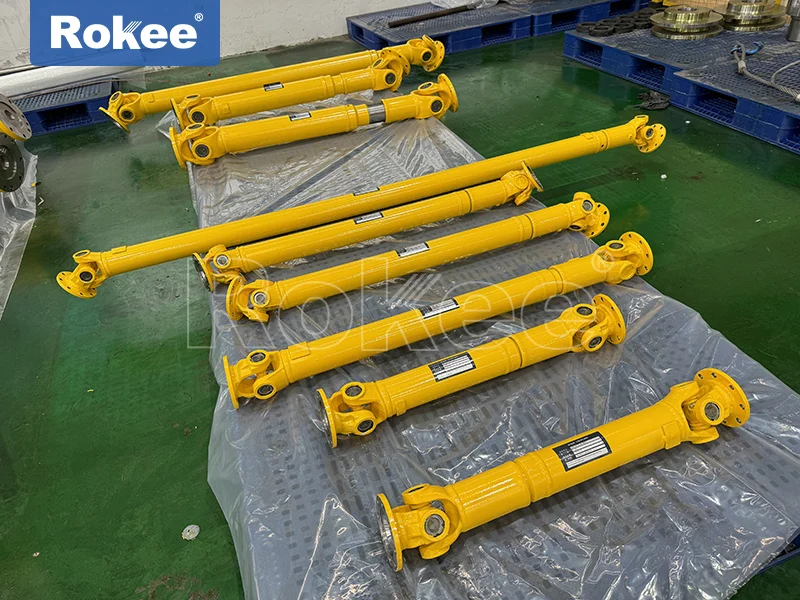
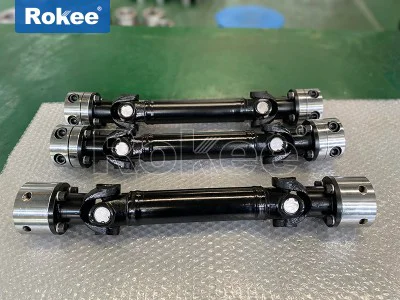
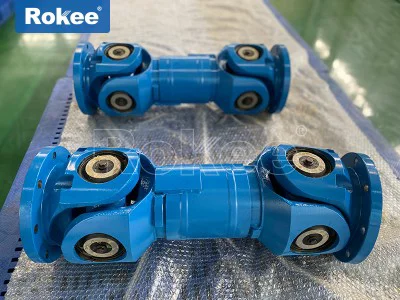
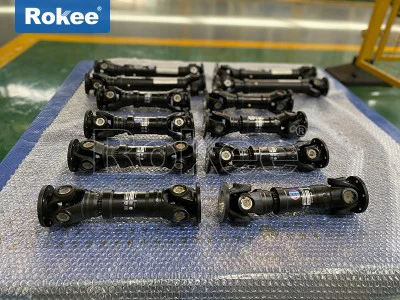
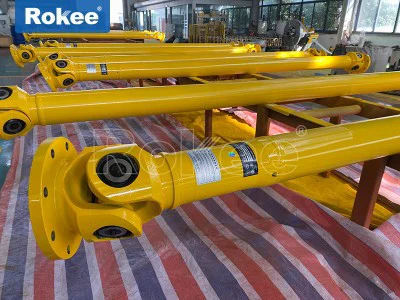
At its core, the telescopic universal joint features a streamlined yet robust structural composition, engineered to balance strength, flexibility, and durability. The assembly primarily consists of two key integrated systems: the universal joint transmission mechanism and the axial telescopic adjustment mechanism, each designed to perform distinct functions while operating in perfect harmony. The universal joint segment typically adopts a cross-axis design, the most prevalent configuration for reliable torque transmission across angularly misaligned shafts. This segment comprises two fork-shaped yokes, a central cross shaft (also known as a spider), and precision bearings mounted on the four necks of the cross shaft. These bearings, usually needle roller bearings for reduced friction and enhanced load capacity, enable smooth rotational movement between the yokes and the cross shaft, allowing the joint to accommodate significant angular offsets between the input and output shafts. The telescopic component, meanwhile, relies on a precision-machined spline pair—an internal spline sleeve and an external spline shaft—fitted together with tight tolerances to ensure seamless axial sliding while maintaining consistent torque transmission. This spline interface is the heart of the telescopic function, permitting the joint to extend or retract along the shaft axis to compensate for changes in distance between connected components, whether caused by mechanical movement, thermal expansion, or installation tolerances.
Complementing these core elements are critical auxiliary components that elevate the joint’s performance and longevity. Sealing assemblies, including dust boots, oil seals, and retaining rings, shield the internal splines and bearings from contaminants such as dust, moisture, debris, and corrosive substances, preventing premature wear and maintaining smooth operation. Lubrication pathways are integrated into the structure to deliver grease or oil directly to high-friction areas, minimizing wear, reducing heat generation, and extending the service life of moving parts. Some heavy-duty variants feature reinforced yokes and thicker cross shafts to handle extreme torque loads, while precision-focused models incorporate tighter machining tolerances to minimize backlash, ensuring precise motion transfer for applications requiring high positional accuracy. The overall design prioritizes structural integrity under dynamic loads, with stress distributions optimized to resist bending, torsion, and axial forces simultaneously. Unlike non-telescopic universal joints, which are limited to fixed shaft distances, the telescopic variant eliminates the need for precise pre-set shaft spacing, offering unparalleled adaptability in systems where shaft positions shift during operation or assembly.
The performance characteristics of telescopic universal joints are tailored to deliver reliable operation across diverse operating parameters, setting them apart from conventional coupling solutions. One of the most notable performance traits is their dual compensation capability: the ability to address both angular misalignment and axial displacement simultaneously. Standard models typically accommodate angular offsets ranging from 15 to 25 degrees between connected shafts, with specialized heavy-duty or precision variants capable of handling even greater angles without compromising power transmission efficiency. Axially, these joints offer variable stroke lengths, from short compensatory ranges for minor thermal expansion to extended strokes for large-scale shaft distance variations, catering to applications with dynamic spatial requirements. Torque transmission capacity varies widely based on size, material, and design, with compact models suited for light-duty, low-torque systems and large-scale industrial variants engineered to transmit heavy, sustained torque loads in demanding environments.
Efficiency is another hallmark of telescopic universal joint performance, with well-designed assemblies boasting power transmission efficiencies of 98% or higher under optimal operating conditions. This high efficiency stems from low-friction bearing designs, precision spline machining, and balanced structural dynamics, which minimize energy loss due to friction, vibration, or misalignment. Durability is equally impressive, as these joints are constructed from high-strength alloy steels, carbon steels, or stainless steels, selected for their resistance to wear, fatigue, and corrosion. This material selection, combined with robust sealing and lubrication systems, allows the joints to operate reliably in harsh conditions, including extreme temperatures, high-vibration environments, and exposure to industrial contaminants. Additionally, telescopic universal joints exhibit smooth, low-noise operation, reducing mechanical noise pollution and minimizing stress on connected machinery components. They also offer excellent reversibility, transmitting torque efficiently in both rotational directions without performance degradation, making them suitable for systems requiring frequent direction changes. Unlike some flexible couplings, they maintain consistent performance across varying speeds, from low-speed, high-torque industrial machinery to higher-speed automotive and aerospace applications.
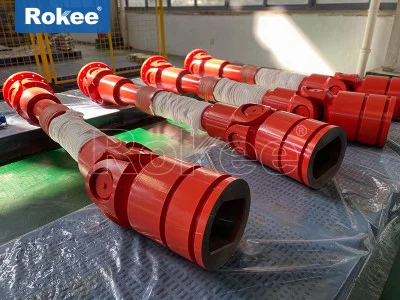
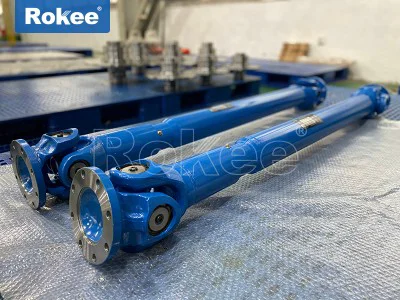
Telescopic universal joints are categorized into distinct types based on structural design, telescopic stroke, load capacity, and application-specific requirements, each engineered to excel in particular operational scenarios. The most common classification is based on telescopic range and structural configuration, which divides them into standard telescopic universal joints, short telescopic universal joints, and long telescopic universal joints. Standard telescopic models feature moderate axial stroke lengths, balancing angular flexibility and axial adjustability for general-purpose applications; they are the most widely used variant, offering a versatile solution for everyday mechanical systems where moderate displacement compensation is needed. Short telescopic variants are designed for compact, space-constrained installations, featuring a reduced axial stroke but maintaining robust torque transmission and angular compensation capabilities. Their compact footprint makes them ideal for machinery with limited assembly space, such as small-scale industrial equipment, handheld power tools, and precision motion systems. Long telescopic universal joints, by contrast, are equipped with extended spline shafts and sleeves to provide maximum axial stroke, catering to applications with large variable shaft distances, such as heavy industrial machinery, long drive shaft assemblies, and equipment subject to significant thermal expansion or mechanical movement.
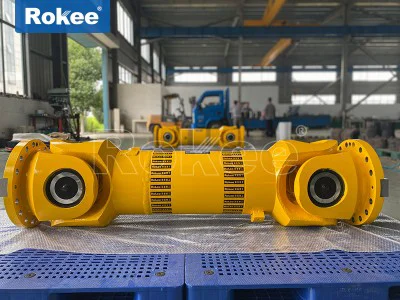
Another key classification is based on the universal joint design and load-bearing capacity, distinguishing between single cross-axis telescopic universal joints and double telescopic universal joints. Single cross-axis models feature a single cross-axis joint paired with a telescopic spline assembly, offering reliable performance for light to medium torque loads and moderate angular misalignment. They are cost-effective, easy to install, and suitable for a broad spectrum of general industrial and automotive applications. Double telescopic universal joints incorporate two cross-axis joints connected by an intermediate telescopic shaft, enhancing angular compensation capabilities to handle parallel misalignment, compound angular offsets, and greater shaft displacement. This design delivers smoother power transmission at larger misalignment angles, reduces vibration, and eliminates speed fluctuations that can occur with single joints under extreme misalignment, making them ideal for heavy-duty, high-precision applications. Additionally, telescopic universal joints can be classified by connection type, including flange-mounted, welded, and keyed shaft connections, each tailored to different installation and torque transmission needs. Flange-mounted variants offer secure, high-torque connections for heavy machinery, welded designs provide permanent, rigid assembly for fixed operational setups, and keyed shaft connections enable easy installation and removal for maintenance or component replacement.
The adaptability and functional versatility of telescopic universal joints translate into an extensive array of real-world applications across nearly every industry reliant on mechanical power transmission. In the automotive sector, these joints play a vital role in drive shaft assemblies, steering systems, and suspension components, where they compensate for the constant movement and misalignment between the engine, transmission, and wheels. They accommodate the axial movement and angular shifts that occur during vehicle operation, ensuring smooth power delivery to the wheels and responsive steering control, even as the suspension compresses and rebounds over uneven terrain. In agricultural machinery, telescopic universal joints are integral to tractors, harvesters, and irrigation equipment, connecting power take-off (PTO) shafts to various implements. The rugged design withstands the harsh, dusty, and vibration-heavy conditions of farm work, while the telescopic function adapts to the variable positioning of agricultural attachments, ensuring consistent power transfer for planting, harvesting, and tilling operations.
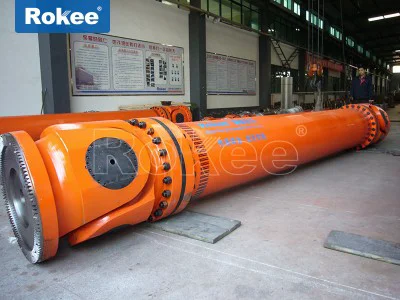
Industrial machinery represents one of the largest application areas for telescopic universal joints, where they are deployed in conveyor systems, milling machines, lathes, printing presses, and material handling equipment. In conveyor systems, they compensate for shaft misalignment and thermal expansion in long conveyor lines, maintaining smooth operation and reducing wear on conveyor belts and rollers. In machine tools, they enable precise power transmission to rotating cutting tools and workpieces, adapting to minor positional shifts and ensuring high machining accuracy. Heavy industrial sectors, including mining, metallurgy, and construction, rely on heavy-duty telescopic universal joints for equipment such as cranes, excavators, rolling mills, and mining conveyors. These robust joints transmit extreme torque loads while accommodating the substantial shaft movement and misalignment inherent to heavy construction and mining operations, where machinery is subjected to intense stress and constant movement.
Aerospace and marine engineering also leverage the unique capabilities of telescopic universal joints, albeit in specialized, high-precision configurations. In aerospace systems, they are used in flight control mechanisms, landing gear assemblies, and engine drive systems, where lightweight, high-strength designs provide reliable motion transfer under extreme operational conditions, including rapid temperature changes and high-altitude stress. Marine applications, such as ship propulsion systems, steering gear, and deck machinery, utilize corrosion-resistant telescopic universal joints to withstand the harsh marine environment, compensating for shaft misalignment caused by hull flexing and wave-induced movement while resisting saltwater corrosion. Beyond these sectors, telescopic universal joints find use in renewable energy systems, including wind turbine drive trains, where they accommodate the dynamic movement of turbine shafts and compensate for thermal expansion; in robotics and automation equipment, where precise, flexible motion transfer is critical for articulated robotic arms and automated assembly lines; and in medical devices, where compact, low-friction variants enable smooth, precise movement in diagnostic and surgical equipment.
The enduring relevance of telescopic universal joints lies in their ability to solve fundamental mechanical challenges that rigid and less flexible couplings cannot address. As machinery continues to evolve toward greater efficiency, adaptability, and durability, the demand for high-performance telescopic universal joints remains steady, driving ongoing advancements in material science, machining precision, and design optimization. Engineers continue to refine these components, enhancing their load capacity, reducing friction, extending service life, and miniaturizing designs to meet the needs of next-generation mechanical systems. Whether in heavy industrial machinery, precision aerospace equipment, everyday automotive systems, or specialized agricultural tools, the telescopic universal joint remains a vital link in power transmission, embodying the perfect balance of flexibility, strength, and functionality. Its ability to adapt to dynamic operating conditions while maintaining reliable torque transmission cements its status as an essential component in the global mechanical engineering landscape, supporting the seamless operation of countless systems that underpin modern industry and daily life.
In summary, the telescopic universal joint’s innovative fusion of angular flexibility and axial adjustability defines its structural superiority, while its robust performance metrics—including high efficiency, wide misalignment compensation, and exceptional durability—solidify its practical value. The diverse range of types, tailored to varying load capacities, stroke lengths, and installation needs, ensures a suitable variant for nearly every mechanical application. From light-duty precision equipment to heavy-duty industrial machinery, these components deliver consistent, reliable performance, adapting to the ever-changing demands of dynamic mechanical systems. As mechanical engineering progresses, the telescopic universal joint will continue to evolve, retaining its position as a critical, irreplaceable element in power transmission technology, enabling the design of more adaptable, efficient, and resilient machinery across all industrial and commercial sectors.