Precise And Efficient Transmission Of PU Sandwich Panel Manufacturing Line Assisted By Curved Tooth Coupling
The production and processing of PU sandwich panels rely heavily on the stable coordination of multiple mechanical processes, where the continuity and accuracy of power transmission throughout the entire manufacturing line directly determine the forming quality, dimensional consistency and production stability of finished sandwich panels. PU sandwich panels, as mainstream energy-saving and thermal insulation building materials, have been widely applied in industrial factory buildings, cold storage engineering, modular construction and other fields, and the market has increasingly strict requirements for the surface flatness, core material density uniformity and overall structural strength of finished panels in recent years. In the actual manufacturing process of PU sandwich panels, each link from raw material feeding, continuous foaming, composite pressing, fixed-size cutting to finished product conveying needs to be driven by matched mechanical transmission systems, and any slight deviation, power loss or transmission jitter in the power transmission process will cause irreversible adverse effects on panel forming. Minor transmission instability may lead to uneven distribution of polyurethane foam materials, resulting in local density differences inside the sandwich panel and reducing the thermal insulation and mechanical bearing performance of the product; severe transmission errors will cause inconsistent operating speeds between front and rear equipment units, triggering panel deviation during pressing and forming, edge warping, dimensional deviation of fixed-size cutting, and even frequent production line shutdowns for adjustment and maintenance, seriously restricting production efficiency and increasing comprehensive production and operation costs of enterprises. In the traditional PU sandwich panel manufacturing line, most transmission connecting parts adopt ordinary connecting structures and common transmission couplings, which can only meet the basic power transfer needs in simple operating scenarios, but are difficult to adapt to the long-term continuous operation, multi-shaft coordinated transmission and complex stress working conditions of modern large-scale and high-precision sandwich panel production equipment. These traditional transmission components are prone to wear and deformation after long-term operation, poor compensation effect on radial, axial and angular displacement deviations between driving and driven shafts, large power transmission loss, and obvious vibration and impact during equipment start-up, speed regulation and load switching, which further amplify the transmission error of the production line and become a key bottleneck restricting the high-quality and high-efficiency production of PU sandwich panels.
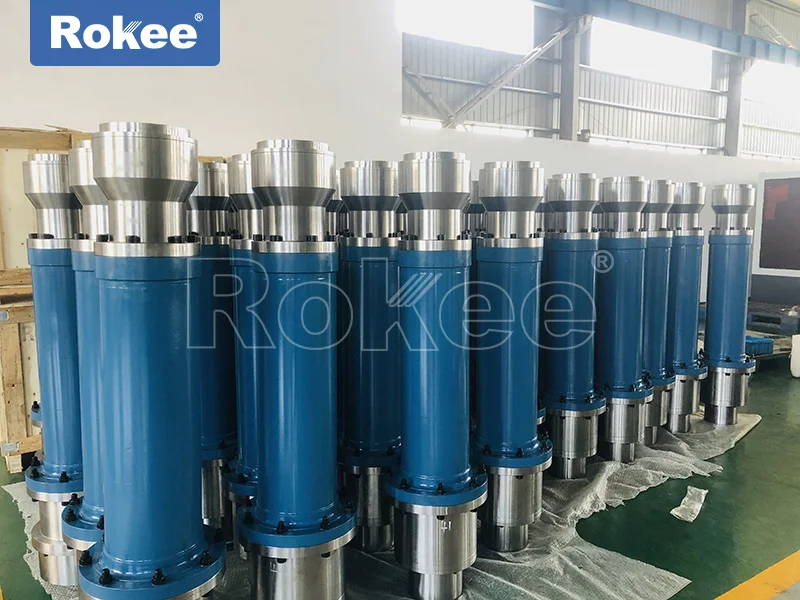
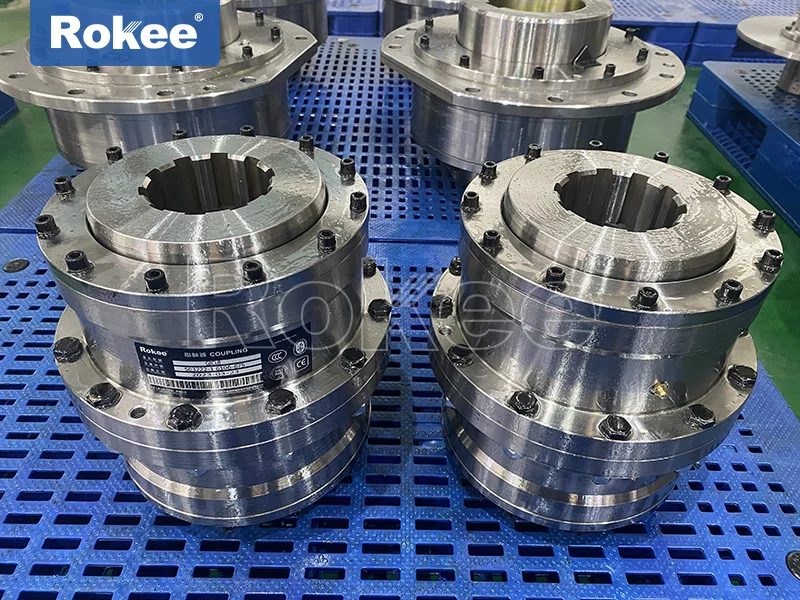
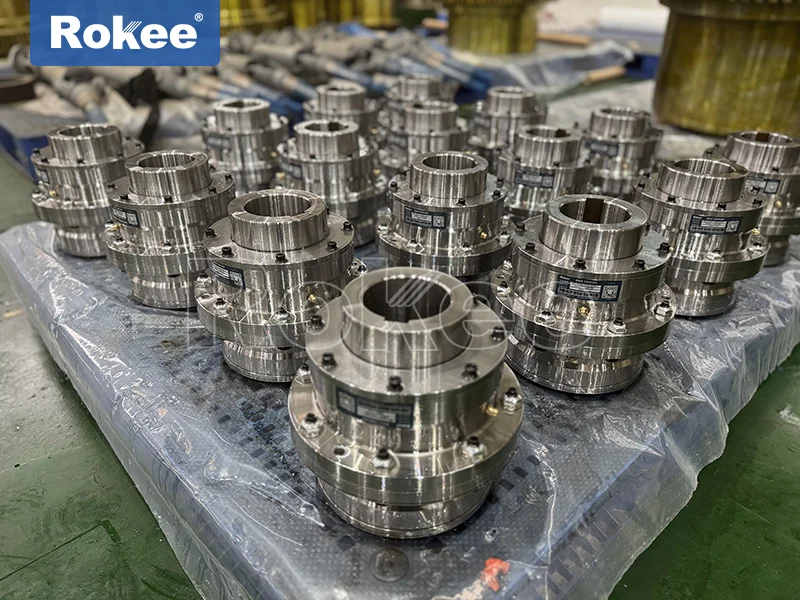
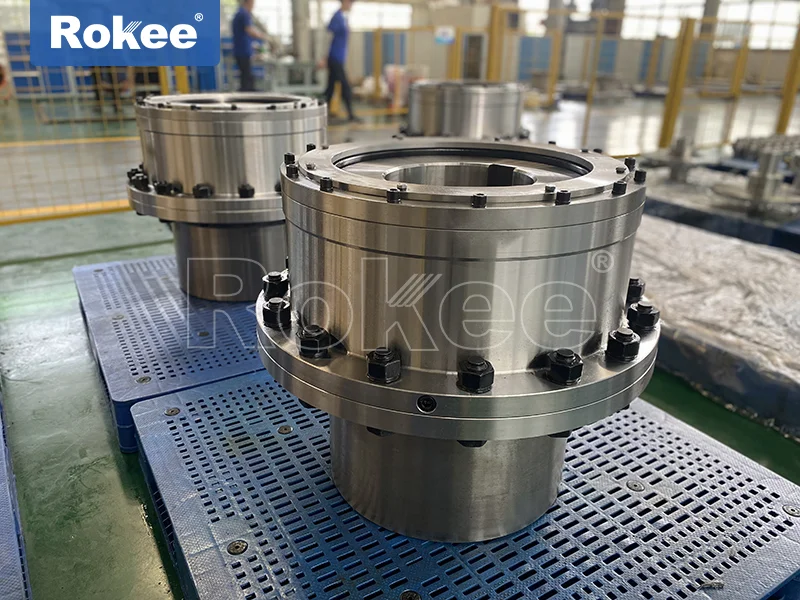
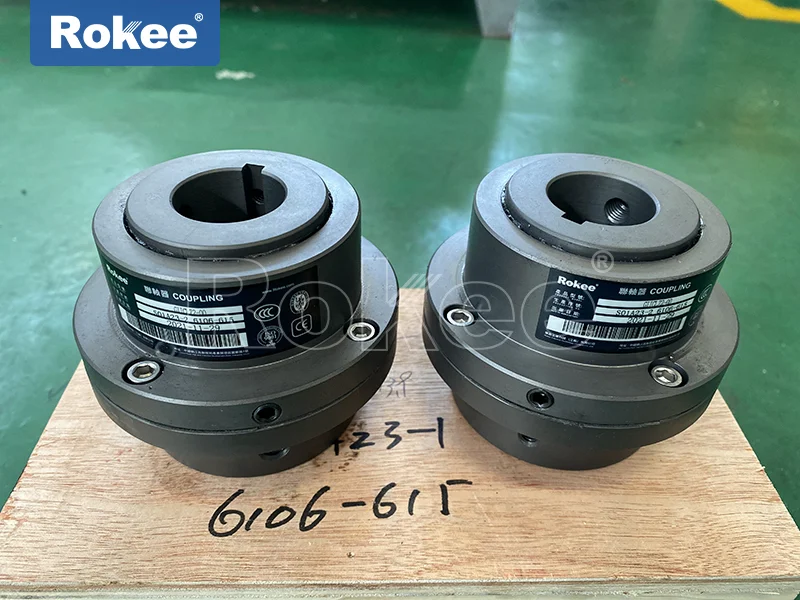
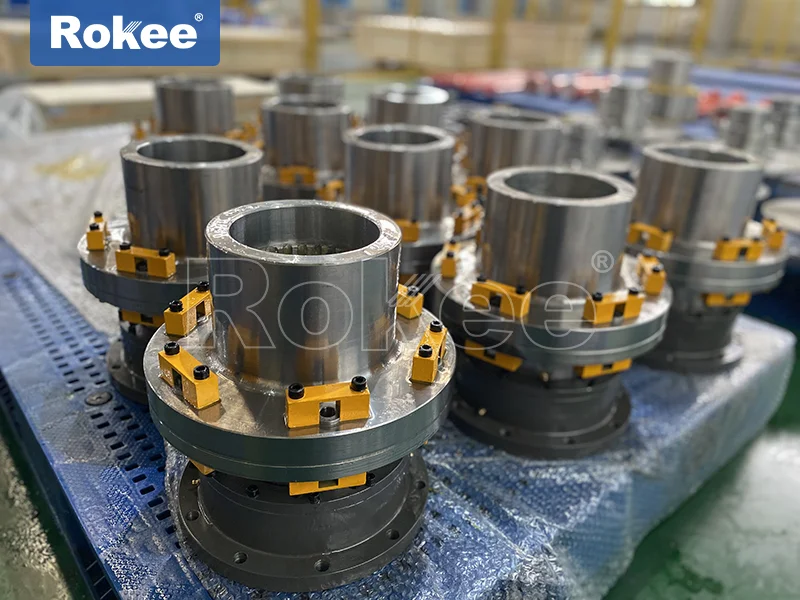
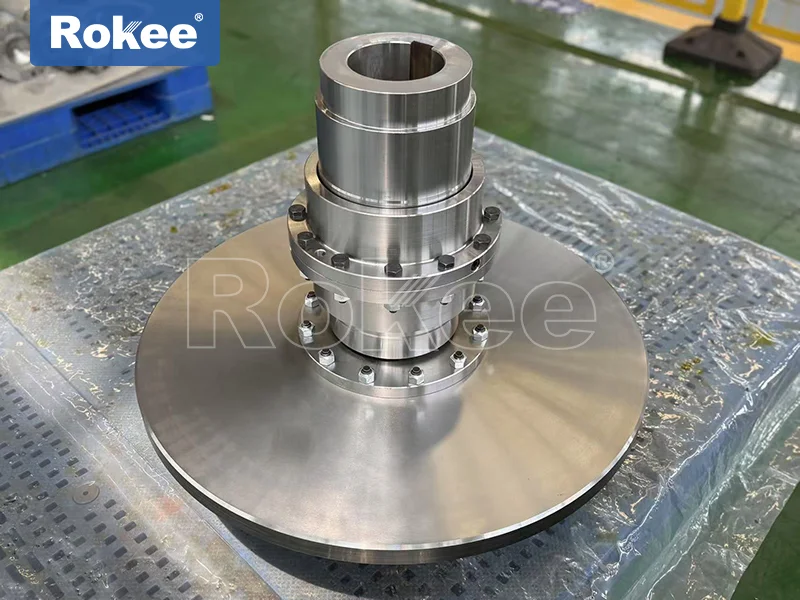
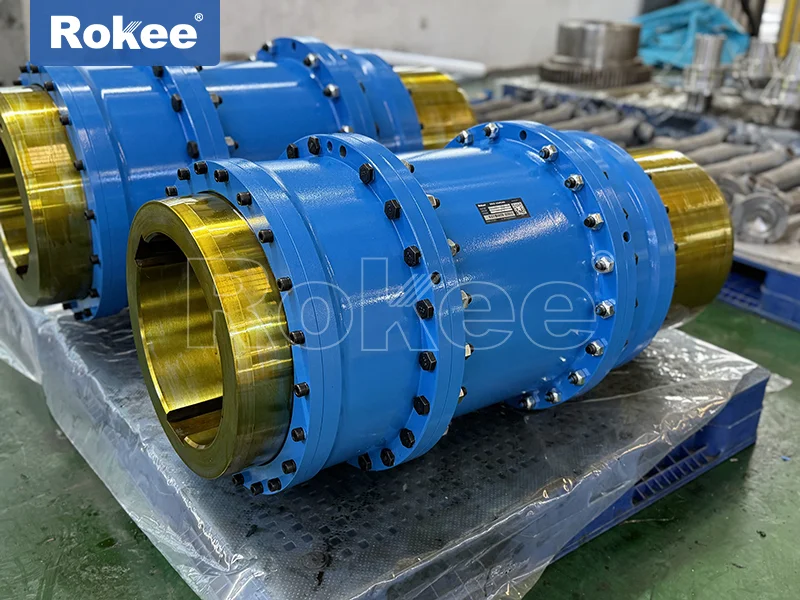
With the continuous upgrading of industrial manufacturing technology and the iterative optimization of sandwich panel production processes, curved tooth coupling has gradually become a core key component to optimize the transmission performance of PU sandwich panel manufacturing lines, relying on its unique structural design, excellent torque transmission performance and reliable displacement compensation capability. Different from straight tooth couplings and ordinary elastic connecting parts used in traditional transmission systems, the core working principle of curved tooth coupling is based on the precise meshing between the curved tooth profiles of the gear hubs and the internal teeth of the outer sleeve, realizing efficient and stable torque and rotational speed transmission between the driving shaft and the driven shaft of each equipment unit in the production line. When the power drive device outputs rotational power, the gear hub connected to the driving shaft rotates synchronously, and the curved teeth on the hub mesh smoothly with the internal teeth of the outer sleeve structure. This meshing mode can evenly distribute the transmission load on each tooth surface, avoiding the edge extrusion and local stress concentration problems that are easy to occur in straight tooth transmission during angular displacement and radial deviation of the shaft body. This inherent structural advantage enables the curved tooth coupling to maintain stable meshing and efficient power transmission state all the time even when the production line equipment has inevitable shaft position deviation caused by long-term operation, mechanical vibration and installation errors, ensuring that the power output of each driving device can be accurately transmitted to the executing equipment without obvious power loss and transmission delay. The overall transmission efficiency of this advanced coupling structure can reach an extremely high level, realizing almost lossless power transfer in the whole transmission link, which not only effectively reduces the energy consumption of the production line operation, but also lays a solid foundation for the synchronous and coordinated operation of each processing unit of the PU sandwich panel manufacturing line.
The internal structure and material selection of curved tooth coupling are perfectly adapted to the harsh continuous operating working conditions of PU sandwich panel manufacturing line. In the actual production process, the sandwich panel production line needs to operate continuously for a long time without frequent shutdowns, and the transmission system will bear alternating torque, continuous mechanical vibration and certain impact load during start-up, shutdown and speed adjustment. The curved tooth coupling is made of high-strength alloy materials and processed through precise forging and heat treatment processes, which has excellent wear resistance, fatigue resistance and structural rigidity, and can withstand long-term high-load operation without structural deformation and tooth surface wear and failure. Unlike elastic couplings that rely on elastic components for vibration buffering and have limited bearing capacity, curved tooth coupling has both strong structural rigidity and reasonable flexible compensation performance. It does not rely on elastic parts to absorb vibration, but realizes natural buffering and stable transmission through the precise meshing fit of curved tooth profiles, avoiding the aging and failure of elastic components after long-term use and the subsequent frequent replacement and maintenance work. The tooth profile design of the curved tooth coupling fully optimizes the contact state between the internal and external teeth, maximizing the contact area between the meshing tooth surfaces while reserving a reasonable matching gap, which can effectively compensate for radial displacement, axial displacement and angular displacement deviations between the driving and driven shafts generated during the operation of the production line equipment. This reliable displacement compensation capability solves the transmission failure problem caused by installation errors of production line equipment, thermal expansion and contraction of mechanical components during long-term operation, and slight structural deformation of the frame, ensuring that each transmission shaft of the PU sandwich panel manufacturing line always maintains a good working meshing state and avoids transmission jitter and speed fluctuation caused by shaft body deviation.
The precise and efficient transmission advantage of curved tooth coupling runs through all key processing links of PU sandwich panel production, and plays an irreplaceable role in improving product quality and production efficiency. In the raw material feeding and metering conveying link of the production line, accurate and stable transmission is the primary premise to ensure the precise proportion and uniform conveying of polyurethane raw materials and surface base materials such as color steel plates. The feeding and metering equipment needs to maintain a constant operating speed and stable conveying torque. Any transmission speed fluctuation will lead to inaccurate raw material metering and uneven feeding speed, resulting in insufficient foaming reaction of polyurethane core materials or inconsistent thickness of surface base material laying. The application of curved tooth coupling in the transmission structure of feeding and metering equipment can realize constant torque and constant speed transmission without speed jitter, ensure that the raw material conveying volume and laying speed always maintain a set stable state, make the polyurethane raw materials fully mixed and react evenly, and lay a good foundation for the uniform density and stable thickness of the subsequent sandwich panel core layer. In the continuous foaming and composite pressing forming link, which is the core process of PU sandwich panel production, the synchronous operation of the upper and lower pressing rollers and the continuous conveying equipment directly determines the forming effect of the sandwich panel. The pressing forming process requires the pressing rollers to maintain stable pressure and synchronous operating speed, and the front and rear conveying equipment needs to operate in precise coordination without speed difference. If the transmission system has power loss and asynchronous operation, it will cause the sandwich panel to be squeezed unevenly, the core material foaming to be uneven, and the bonding degree between the surface steel plate and the polyurethane core layer to be poor, leading to product quality problems such as panel delamination and surface depression. Curved tooth coupling ensures the synchronous and stable operation of the pressing roller transmission shaft and the front and rear conveying shafts through efficient torque transmission and accurate speed synchronization, eliminates the speed difference and transmission delay between equipment units, makes the composite pressing process proceed smoothly, and ensures the firm bonding between the surface material and the core material and the flat and uniform overall forming of the panel.
In the fixed-size cutting and finished product conveying link at the later stage of PU sandwich panel production, the precise transmission performance of curved tooth coupling is also crucial to ensure the dimensional accuracy of finished products and the continuity of production. The fixed-size cutting equipment needs to perform rapid and accurate positioning and fixed-length cutting according to the set panel size standards, and the transmission system must maintain high-precision position transmission and stable instantaneous start-stop performance. Traditional transmission couplings are prone to transmission clearance and rebound during start-stop and positioning, resulting in inaccurate cutting positioning and unqualified dimensional deviation of finished panels. The curved tooth coupling has almost no transmission clearance due to its precise curved tooth meshing design, and can realize immediate response and accurate position transmission during equipment start-stop and positioning operation, effectively ensuring that each sandwich panel is cut according to the standard size and reducing the rate of defective products caused by dimensional deviation. In the finished product conveying and stacking link, the long-distance conveying and multi-section conveying equipment of the production line need to maintain continuous and stable operation. The curved tooth coupling can adapt to the long-distance transmission and multi-shaft connection working conditions, maintain stable transmission performance in long-term continuous operation, reduce equipment vibration and noise during conveying, avoid panel sliding, collision and surface damage during conveying, and ensure the neat appearance and structural integrity of finished PU sandwich panels.
The application of curved tooth coupling in PU sandwich panel manufacturing lines also brings significant comprehensive benefits in terms of equipment operation maintenance and long-term production cost control. The structural design of curved tooth coupling is simple and reliable, with fewer wearing parts and no need for frequent replacement of vulnerable components compared with traditional transmission parts. The surface of the tooth meshing part is processed with high precision and has good wear resistance, and it can maintain long-term stable working performance only through regular simple lubrication maintenance, without frequent shutdown disassembly, inspection and part replacement. This low-maintenance operation characteristic greatly reduces the downtime maintenance time of the PU sandwich panel production line, improves the overall operation rate and continuous production capacity of the equipment, and effectively increases the actual output of the production line per unit time. At the same time, the high-efficiency transmission characteristic of curved tooth coupling reduces the power loss in the transmission process, avoids the energy waste caused by inefficient power transfer of traditional couplings, and effectively reduces the long-term energy consumption cost of the production line operation. In addition, the stable transmission effect reduces the vibration and impact during the operation of the production line equipment, alleviates the overall structural vibration and mechanical fatigue loss of the production line frame and related mechanical components, prolongs the overall service life of the production equipment, reduces the frequency of equipment failure and the cost of equipment overhaul and component replacement, and brings stable and reliable economic benefits for the long-term operation and development of sandwich panel production enterprises.
In the context of the continuous development and upgrading of the modern PU sandwich panel manufacturing industry towards high precision, high efficiency and intelligence, the optimization and upgrading of the transmission system of the production line has become an important part of improving the core competitiveness of production enterprises. As an excellent transmission component with precise transmission, high efficiency, strong compensation capability and low maintenance, curved tooth coupling perfectly matches the actual production needs of PU sandwich panel manufacturing lines, solves many transmission pain points existing in traditional production equipment, and realizes the organic unity of stable equipment operation, reliable product quality and efficient production operation. With the continuous improvement of the performance requirements of building energy-saving materials and the continuous expansion of the market demand for high-quality PU sandwich panels, the application of curved tooth coupling in more sandwich panel production and processing equipment will become an inevitable development trend. By relying on the precise and efficient transmission assistance of curved tooth coupling, PU sandwich panel manufacturing lines can achieve more stable operation status, more excellent product processing quality and higher production and operation efficiency, promote the overall upgrading and high-quality development of the entire sandwich panel manufacturing industry, and provide reliable mechanical transmission guarantee for producing more high-performance and high-quality building energy-saving insulation panels to meet the market demand.