Jaw Type Couplings
In the realm of mechanical power transmission, the jaw type coupling stands as one of the most widely adopted and versatile flexible coupling solutions, prized for its balanced blend of simplicity, durability, and functional adaptability across countless industrial scenarios. Unlike rigid couplings that demand flawless shaft alignment and offer no tolerance for operational deviations or dynamic loads, jaw type couplings integrate a specialized elastic component to deliver controlled flexibility, making them indispensable in systems where perfect shaft positioning is impractical to maintain or where vibration, shock, and minor misalignment are inherent to daily operation. This coupling type operates on a straightforward yet highly effective mechanical principle, relying on the interaction between rigid metal hubs and a resilient intermediate element to transfer torque efficiently while mitigating the adverse effects of mechanical stress and shaft displacement. Its widespread adoption stems not only from its core functional benefits but also from its ease of installation, minimal maintenance requirements, and ability to perform reliably in diverse operating environments, solidifying its status as a foundational component in modern power transmission engineering.
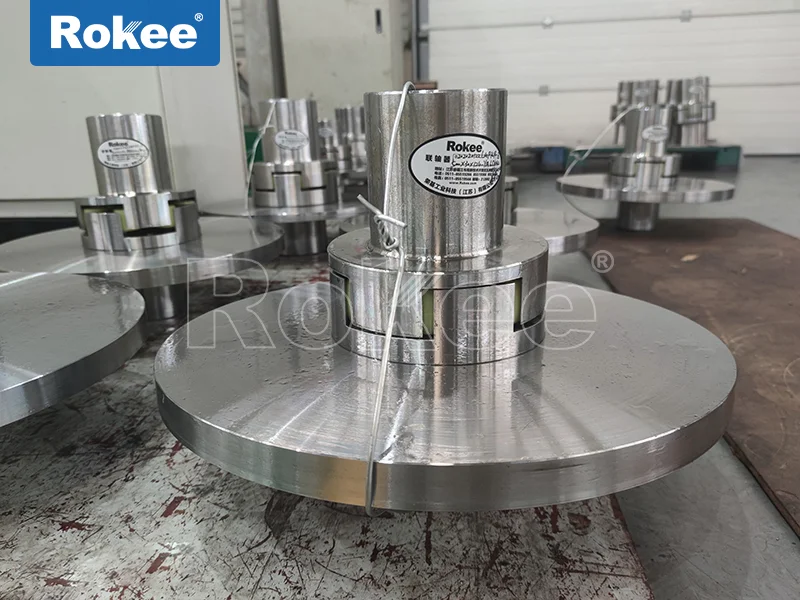
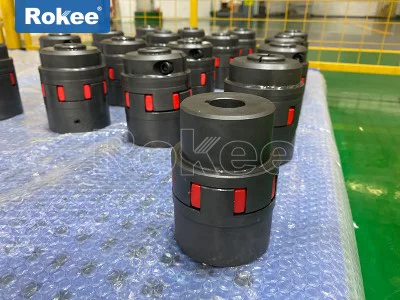
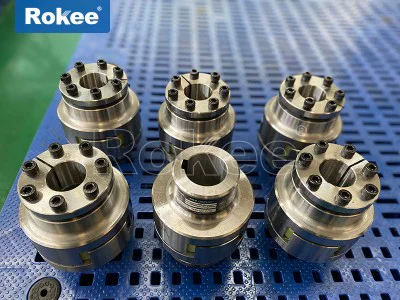
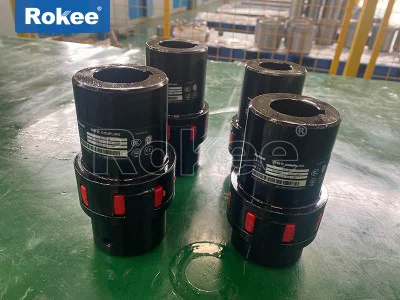
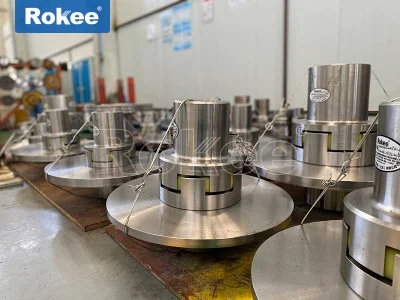
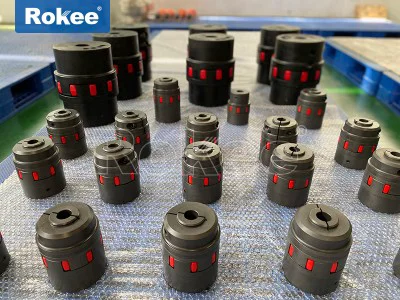
At its most fundamental level, the jaw type coupling features a compact three-piece structural design that forms the backbone of its performance, with each component engineered to fulfill a distinct and critical role in power transmission. The assembly consists of two identical or complementary metal jaw hubs and a central elastomeric spider insert, the latter often referred to as a cushion or flexible element due to its shock-absorbing properties. Each metal hub is precision-machined from high-strength metallic materials, typically alloy steel, carbon steel, cast iron, or aluminum alloy, selected based on the intended load capacity, operating speed, and environmental conditions of the application. The hub body features a central bore designed to fit securely onto the shafts of driving and driven machinery, with fastening options including keyways, set screws, or clamping mechanisms to ensure a tight, slip-free connection that prevents torque loss during rotation. The opposing face of each hub is equipped with a series of evenly spaced, radially protruding jaws, which are meticulously shaped to interlock with the lobes of the central spider without direct metal-to-metal contact under normal operating conditions. This jaw configuration is engineered for uniform load distribution, minimizing localized stress and enhancing the overall fatigue resistance of the coupling.
The central elastomeric spider serves as the heart of the jaw type coupling, dictating its flexibility, damping capabilities, and misalignment tolerance. Manufactured from durable elastic materials such as nitrile rubber, polyurethane, Hytrel, or other engineered polymers, the spider features a star-shaped profile with lobes that fit snugly between the jaws of the two metal hubs. This design ensures that torque is transmitted through the compression and shear resistance of the elastic material, rather than rigid metal contact, allowing for controlled deformation that accommodates shaft misalignment and absorbs dynamic loads. The material properties of the spider are carefully tailored to balance stiffness and flexibility: a harder elastomer delivers higher torsional rigidity and greater torque-carrying capacity, ideal for high-precision applications, while a softer material offers enhanced vibration damping and shock absorption, better suited for systems with frequent start-stop cycles or heavy impact loads. Beyond its mechanical functions, the elastomeric spider also provides electrical isolation between the two shafts, preventing the transfer of stray electrical currents that could damage sensitive machinery components, and operates without the need for lubrication, eliminating the risk of contamination and reducing ongoing maintenance overhead.
The structural integrity of the jaw type coupling extends to its fail-safe operational characteristic, a key performance advantage that sets it apart from many other flexible couplings. In the event of unexpected spider degradation, wear, or rupture due to prolonged use, excessive overload, or harsh environmental exposure, the interlocking metal jaws of the two hubs will come into direct contact, enabling continued torque transmission to prevent catastrophic system failure and allow for controlled shutdown. This built-in safety feature minimizes downtime and protects critical driving and driven equipment from sudden mechanical stress, making jaw type couplings a reliable choice for applications where uninterrupted operation is a priority. Additionally, the modular three-piece design simplifies component replacement: worn spiders can be quickly swapped out without removing the hubs from the shafts or disassembling adjacent machinery, streamlining maintenance workflows and reducing labor costs associated with upkeep. The compact footprint of the jaw type coupling further enhances its practicality, allowing it to fit seamlessly into tight installation spaces where larger, more complex coupling designs would be impractical.
Performance-wise, the jaw type coupling excels in handling three primary types of shaft misalignment, a core capability that defines its utility in real-world mechanical systems. Angular misalignment, caused by the non-parallel alignment of the two shaft axes, is accommodated through the elastic deformation of the spider lobes, with standard models capable of compensating for moderate angular offsets without compromising performance. Parallel misalignment, also known as radial misalignment, occurs when the shaft axes are parallel but offset horizontally, and the coupling’s flexible spider absorbs this lateral displacement to prevent binding and excessive wear on bearings and shafts. Axial misalignment, resulting from thermal expansion, mechanical settling, or installation tolerances that cause shafts to move longitudinally, is also managed effectively, with the coupling allowing limited axial movement while maintaining consistent torque transmission. While the degree of misalignment compensation varies by specific design and size, standard jaw type couplings offer reliable tolerance for the minor to moderate misalignment common in most industrial machinery, striking an optimal balance between flexibility and torsional stability.
Torsional performance is another cornerstone of the jaw type coupling’s functionality, with the design engineered to deliver predictable torque transmission across a wide range of operating speeds and loads. The coupling exhibits moderate torsional stiffness, meaning it resists twisting under load to maintain precise power transfer, making it suitable for applications requiring consistent rotational timing and positional accuracy. Unlike highly flexible couplings that may introduce excessive backlash or torsional lag, jaw type couplings minimize play between hubs, ensuring responsive power delivery for equipment such as conveyors, pumps, and machine tools. At the same time, the elastomeric spider dampens torsional vibrations and shock loads, smoothing out power fluctuations caused by uneven loading, sudden starts, or abrupt stops. This damping effect reduces noise levels during operation, minimizes wear on gears, bearings, and other transmission components, and extends the overall service life of the entire power transmission system. The coupling’s low moment of inertia further enhances its high-speed performance, reducing centrifugal stress and allowing it to operate efficiently at elevated rotational speeds without sacrificing stability or durability.
Environmental resilience is a key performance attribute of jaw type couplings, with material selections tailored to withstand a broad spectrum of operating conditions. Standard elastomeric spiders offer reliable performance in moderate temperature ranges, resisting hardening, cracking, or softening under typical industrial thermal conditions, while specialized high-temperature or low-temperature spider materials extend the coupling’s usability to extreme environments, from cold storage facilities to high-heat manufacturing plants. The metal hubs, when finished with appropriate coatings or manufactured from corrosion-resistant alloys, provide excellent resistance to moisture, dust, and mild chemical exposure, making the coupling suitable for both indoor and outdoor industrial settings. While highly corrosive or abrasive environments may require specialized material upgrades, the standard jaw type coupling holds up well to general industrial wear and tear, maintaining consistent performance over extended service intervals with minimal maintenance. It is important to note that spider degradation is a normal part of operation, with wear accelerated by excessive misalignment, overload, or exposure to incompatible chemicals, so regular visual inspections are recommended to monitor component condition and ensure optimal performance.
Jaw type couplings are categorized into distinct variants based on structural design, jaw profile, and functional features, each optimized to address specific application requirements and operational challenges. The most common classification is based on jaw geometry, with straight jaw couplings and curved jaw couplings representing the two primary designs. Straight jaw couplings feature flat, linear jaw surfaces and a matching straight-lobed spider, offering high torsional rigidity, minimal backlash, and precise torque transmission, making them ideal for applications demanding tight positional control and consistent power delivery. Curved jaw couplings, by contrast, feature rounded, contoured jaw profiles and a curved-lobed spider, which increases the contact area between the jaws and spider, enhancing torque capacity, improving misalignment tolerance, and providing softer shock absorption. This design is better suited for applications with higher dynamic loads, greater shaft misalignment, or a need for superior vibration damping.
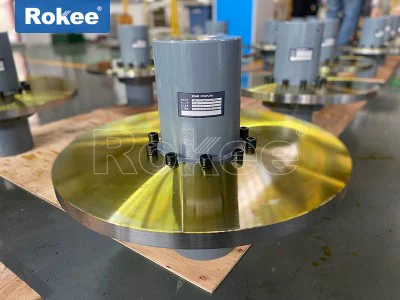
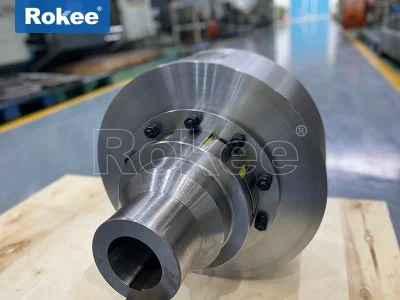
Beyond jaw profile, jaw type couplings are also differentiated by hub design and additional functional features to suit specialized installation and operational needs. Standard single-piece hub couplings are the most prevalent, offering a universal, cost-effective solution for general-purpose power transmission. Flange-mounted jaw couplings integrate a flange on one or both hubs, enabling direct mounting to machinery frames or drive components for enhanced stability in heavy-duty applications. Extended hub couplings feature elongated hub bodies, providing extra shaft engagement length for improved grip and balance on longer or larger-diameter shafts. Brake wheel jaw couplings combine the coupling function with an integrated brake surface, eliminating the need for separate brake components and streamlining assembly in systems requiring braking capabilities. Additionally, some variants feature a split-hub design, allowing for easy installation and removal without disturbing adjacent equipment or disassembling the entire drive system, a valuable feature in confined spaces or complex machinery setups. Each variant retains the core three-piece modular structure and fail-safe operation of the standard jaw type coupling, ensuring consistent reliability while tailoring performance to specific operational demands.
Another important classification factor is the elastomeric spider material, which directly impacts the coupling’s performance characteristics and suitability for specific environments. Standard nitrile rubber spiders offer a balanced combination of flexibility, durability, and resistance to oil and grease, making them the default choice for most general industrial applications. Polyurethane spiders provide higher load capacity, greater abrasion resistance, and improved tensile strength, ideal for heavy-duty applications with high torque demands and moderate shock loads. Hytrel and other engineered polymer spiders offer enhanced thermal stability, chemical resistance, and longevity, performing reliably in high-temperature environments or applications involving exposure to harsh chemicals, oils, or solvents. Soft rubber spiders prioritize vibration damping and shock absorption, perfect for equipment with frequent impact loads or high vibration levels, while rigid polymer spiders maximize torsional stiffness for precision-driven machinery. This material versatility allows engineers to select a jaw type coupling tailored precisely to the unique operating conditions of their application, optimizing performance and service life.
The adaptability of jaw type couplings translates to extensive use across nearly every industrial sector, where they serve as critical connecting components in a vast array of power transmission systems. In general manufacturing and machinery, they are commonly employed in pumps, including centrifugal pumps, gear pumps, and progressive cavity pumps, as well as fans, blowers, and compressors, where they absorb operational vibration and compensate for minor shaft misalignment caused by pump mounting or thermal expansion. Conveyor systems, including belt conveyors, roller conveyors, and chain conveyors, rely on jaw type couplings to transmit torque smoothly, dampen shock from material loading, and accommodate the slight misalignment common in long conveyor line setups. Mixers, agitators, and blending equipment also utilize these couplings, leveraging their shock-absorbing properties to handle uneven material loads and prevent damage to drive motors and mixing blades.
In the automation and precision machinery sector, jaw type couplings are a staple in CNC machine tools, robotic arms, packaging machinery, and printing equipment, where their moderate torsional rigidity and minimal backlash ensure precise positional control and consistent power delivery. These couplings handle the high-speed, repetitive motion of automated systems while dampening vibration that could compromise machining accuracy or print quality, making them essential for maintaining production precision. Textile machinery, woodworking equipment, and metalworking machinery also benefit from the coupling’s compact design and reliable performance, fitting seamlessly into tight machine frames and enduring the continuous operational demands of high-volume production environments. The fail-safe feature is particularly valuable in automated systems, preventing costly production downtime and equipment damage in the event of component wear.
Specialized industrial applications further highlight the versatility of jaw type couplings, with customized variants meeting the unique demands of niche sectors. In food and beverage processing, stainless steel hub couplings with food-grade elastomeric spiders are used to comply with hygiene standards, resisting corrosion from washdown procedures and ensuring safe operation in food contact environments. Pharmaceutical and cosmetic manufacturing equipment relies on similarly hygienic, easy-to-clean jaw coupling designs, maintaining sterile operating conditions while delivering reliable power transmission. Marine and offshore applications utilize corrosion-resistant jaw couplings to withstand saltwater exposure and humid marine environments, powering auxiliary machinery such as winches, pumps, and ventilation systems. Agricultural machinery, including tractors, harvesters, and irrigation equipment, employs heavy-duty jaw couplings to handle the rugged, high-shock conditions of farm operation, absorbing vibration from uneven terrain and transmitting torque efficiently across diverse agricultural implements.
In power generation and renewable energy systems, jaw type couplings are integrated into small-scale generators, water turbines, and solar tracking equipment, where they provide reliable power transmission, dampen environmental vibrations, and accommodate misalignment caused by wind, water flow, or structural movement. Their low maintenance requirements make them ideal for remote or hard-to-access power systems, reducing the need for frequent inspections and repairs. Additionally, jaw type couplings are widely used in material handling equipment, such as elevators, hoists, and palletizers, ensuring smooth, controlled movement of goods while absorbing shock from loading and unloading operations. Across all these applications, the core appeal of the jaw type coupling remains consistent: it delivers a cost-effective, low-maintenance, and highly reliable solution for torque transmission, balancing flexibility and rigidity to meet the diverse and evolving needs of modern industrial machinery.
In summary, the jaw type coupling’s enduring popularity in mechanical engineering is a testament to its optimal combination of structural simplicity, robust performance, and functional versatility. Its well-engineered three-piece design, featuring rigid metal hubs and a resilient elastomeric spider, delivers efficient torque transmission, effective misalignment compensation, and superior vibration damping, while its fail-safe operation and modular construction enhance reliability and ease of maintenance. The diverse range of jaw profiles, hub designs, and elastomer materials allows for precise customization to suit specific load, speed, and environmental requirements, making it adaptable to countless industrial applications. From general-purpose machinery to high-precision automation and specialized industrial systems, the jaw type coupling continues to be a cornerstone component in power transmission, offering a practical, durable, and cost-efficient solution that meets the rigorous demands of contemporary mechanical engineering. As industrial technology advances and machinery design evolves, the jaw type coupling remains a relevant and indispensable choice, proving that simple, well-executed mechanical design can stand the test of time and adapt to the ever-changing landscape of industrial innovation.