Mechanical Barrel Gear Coupling
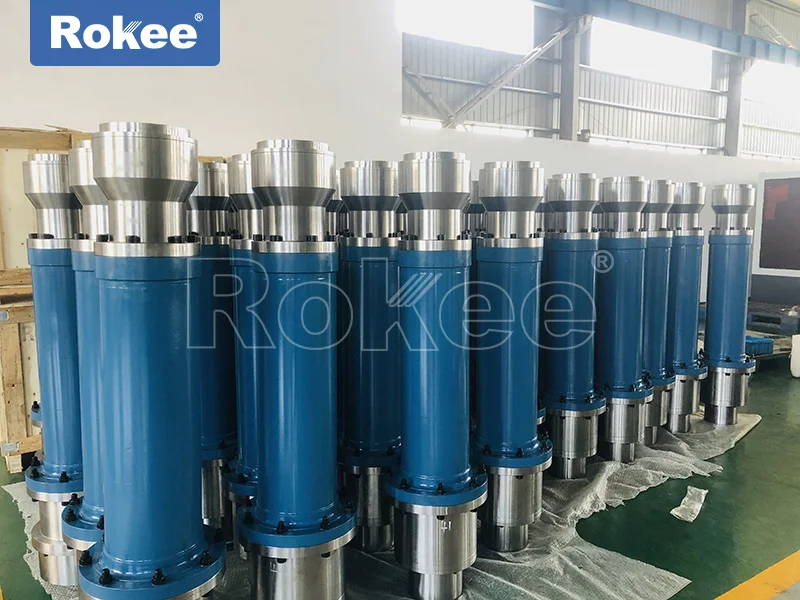
In the complex ecosystem of industrial power transmission, mechanical couplings serve as the indispensable connecting medium between driving and driven rotating shafts, undertaking the dual tasks of stable torque transfer and adaptive compensation for shaft deviation. Among numerous coupling types, the mechanical barrel gear coupling stands out as a mainstream choice for heavy-duty and precision transmission scenarios, thanks to its unique structural design, balanced mechanical performance and wide environmental adaptability. Unlike conventional rigid couplings that demand ultra-high shaft alignment accuracy or flexible couplings with limited torque-bearing capacity, this coupling integrates the advantages of rigid tooth meshing and flexible displacement compensation, forming a mechanical transmission component that can adapt to harsh working conditions while maintaining efficient power delivery. To fully understand its value in industrial systems, it is necessary to conduct an in-depth analysis of its internal structural composition, core working principles, comprehensive performance indicators, detailed classification standards and targeted application scenarios, so as to clarify its functional logic and practical value in modern mechanical engineering.
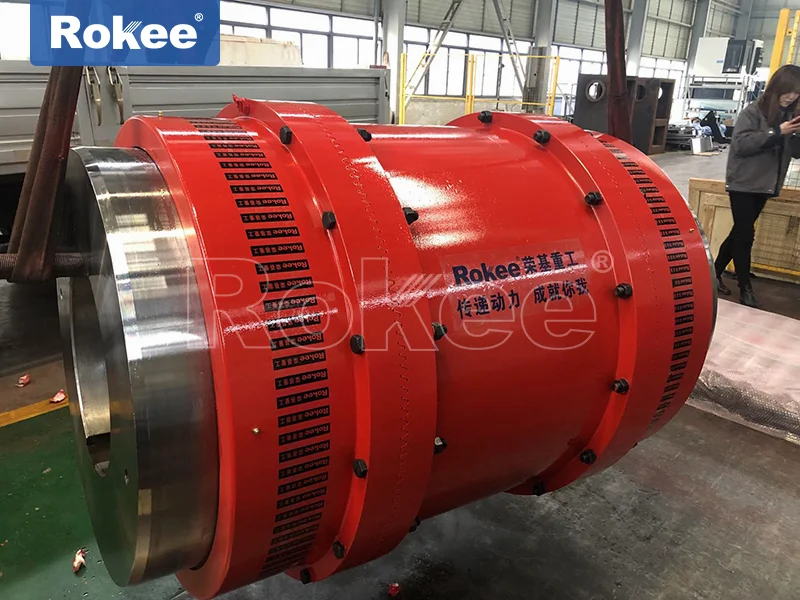
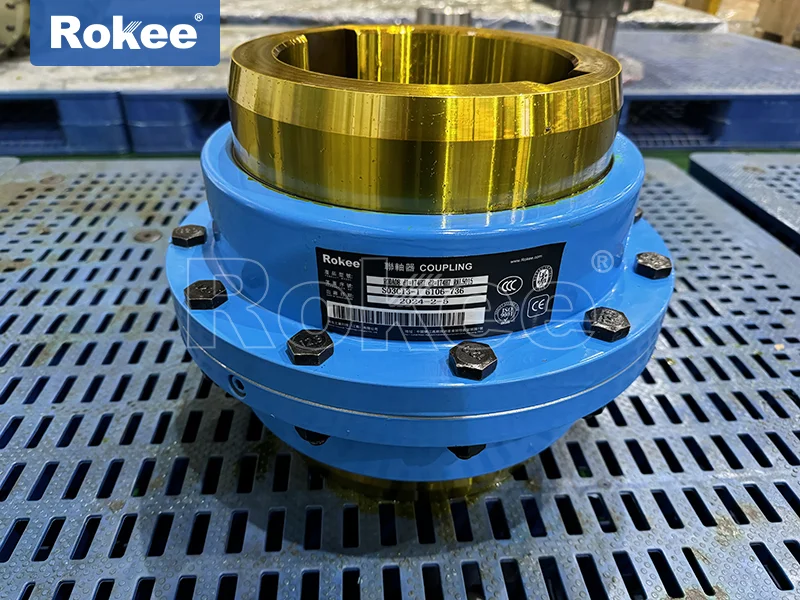
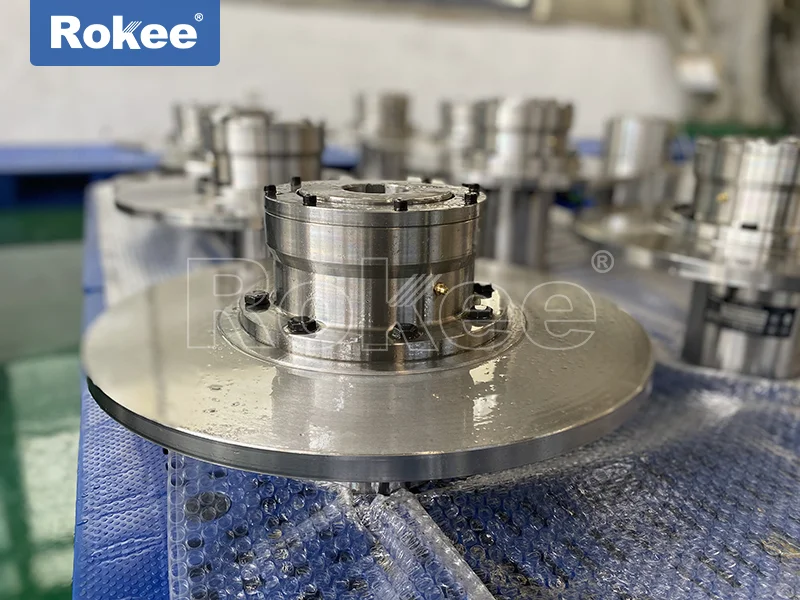
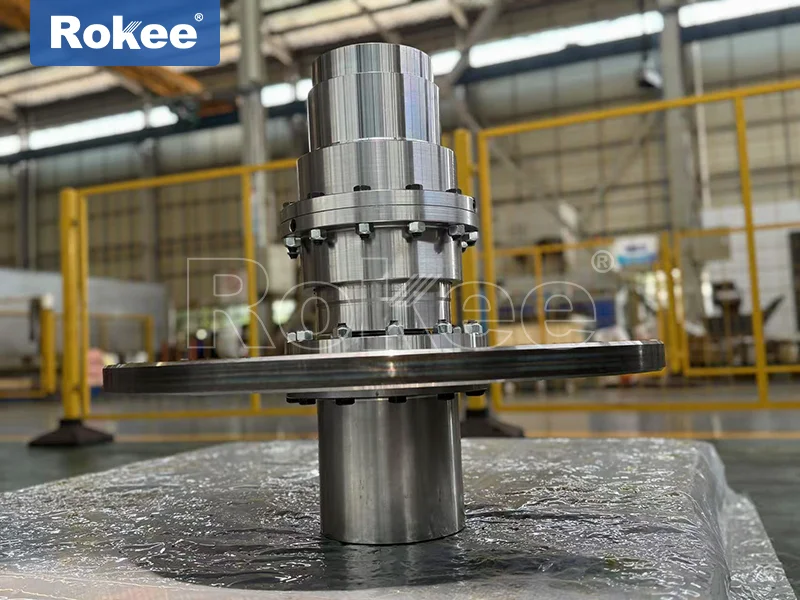
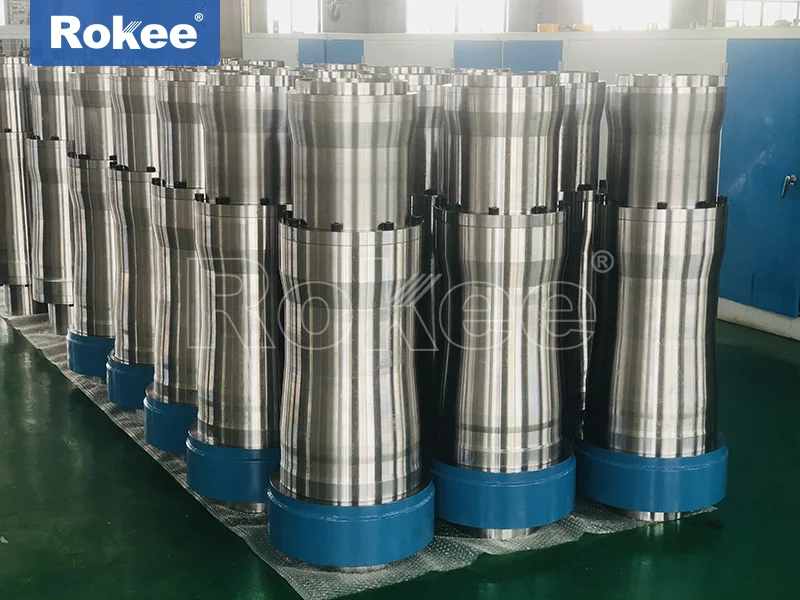
At the core of the mechanical barrel gear coupling lies a meticulously optimized structural system, which is composed of several precision-machined components that cooperate closely to complete power transmission. The basic framework mainly includes two hub half-couplings, an outer tooth sleeve, a sealing assembly and a lubrication maintenance structure. Each hub half-coupling is equipped with external barrel-shaped crown teeth, which are different from the straight teeth of ordinary gear couplings; the crown contour is processed into a spherical curved surface with the axis as the center, forming a uniform tooth surface contact state during meshing. The outer sleeve is embedded with precise internal teeth that match the external barrel teeth, and the meshing gap between the internal and external teeth is scientifically designed to balance transmission rigidity and displacement compensation. The sealing components at both ends of the sleeve are usually composed of wear-resistant sealing rings and protective end covers, which form a closed space inside the coupling to prevent external dust, moisture, abrasive particles and other pollutants from invading the meshing area, and at the same time lock the internal lubricating medium to avoid leakage caused by long-term operation or shaft swing. Material selection for core components follows the principle of matching performance with working conditions: most standard models adopt high-strength carbon steel and alloy structural steel, which are processed through quenching, tempering and other precision heat treatment processes to enhance surface hardness, wear resistance and overall toughness, ensuring that the coupling will not suffer from tooth breakage, plastic deformation or excessive wear under high torque and repeated load impact. For special corrosive or high-temperature environments, materials with better chemical stability and heat resistance are selected to maintain structural integrity and mechanical properties under extreme working conditions.
The working principle of the barrel gear coupling is built on the efficient meshing of barrel-shaped teeth, which realizes torque transmission while solving the common problem of shaft misalignment in mechanical equipment. When the driving shaft rotates, it drives the connected hub half-coupling to rotate synchronously, and the external barrel teeth transmit torque to the outer sleeve through full-tooth meshing, and then the sleeve drives the other half-coupling and the driven shaft to rotate, completing the continuous transmission of power. The biggest highlight of the barrel tooth design is its adaptive ability to various shaft deviations: for angular misalignment caused by installation errors or structural deformation, the spherical crown of the barrel teeth can maintain a large contact area with the internal teeth of the sleeve, avoiding stress concentration at the tooth end and edge wear that are common in straight tooth couplings; for radial misalignment where two parallel shafts are offset, the reasonable meshing gap and curved tooth profile allow slight radial sliding between teeth, without affecting the stability of torque transmission; for axial displacement generated by thermal expansion and contraction of shafts during long-term operation, the coupling can also absorb small axial movement through the matching of internal and external teeth, without additional axial pressure on the bearings of connected equipment. In addition, the fully enclosed lubrication system inside the coupling forms a stable oil film or grease layer between the meshing tooth surfaces, which effectively reduces friction coefficient, reduces heat generation during operation, slows down tooth surface wear, and greatly extends the service life of the coupling. This integrated design of transmission, compensation and lubrication makes the coupling break through the limitations of traditional transmission connectors and adapt to more complex and variable mechanical operation scenarios.
The comprehensive performance of the mechanical barrel gear coupling is the core reason for its wide application in industrial production, covering multiple dimensions such as torque capacity, rigidity, flexibility, durability and stability. In terms of torque transmission, it has excellent heavy-load performance, can bear large instantaneous impact load and continuous rated torque, and has a high torque-to-volume ratio, meaning it can provide strong transmission capacity under a compact structural size, which is suitable for equipment with limited installation space. In terms of rigidity and flexibility balance, it maintains high torsional rigidity to ensure the synchronization of rotation between driving and driven shafts, avoiding lag or skidding during transmission, and at the same time has appropriate flexible compensation performance to buffer partial vibration and shock generated during equipment operation, reducing the damage of vibration to core components such as bearings and gears of the whole machine. In terms of operation stability, the uniform tooth surface stress and reasonable meshing design make the coupling run smoothly with low noise, even under high-speed rotation conditions, it can maintain stable operation without obvious abnormal wear or mechanical failure. In terms of environmental adaptability, the fully sealed structure enables it to work normally in harsh environments such as dust, humidity, mild corrosion and heavy vibration, and has a wide applicable temperature range, meeting the operation needs of different industrial sites. Meanwhile, the coupling has good fatigue resistance, can withstand long-term repeated alternating loads, and is not prone to fatigue cracks or performance degradation, which reduces the frequency of component replacement and equipment downtime maintenance. It is worth noting that its performance is also reflected in convenient installation and maintenance: the split structure allows for quick assembly and disassembly, and regular lubrication supplement and seal inspection can meet daily maintenance needs, without complex debugging and special tools, reducing the later use cost of equipment.
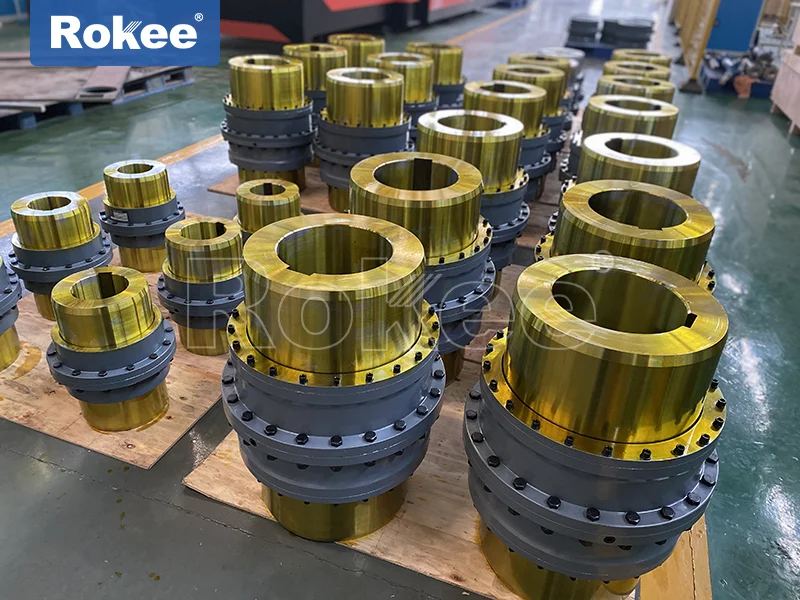
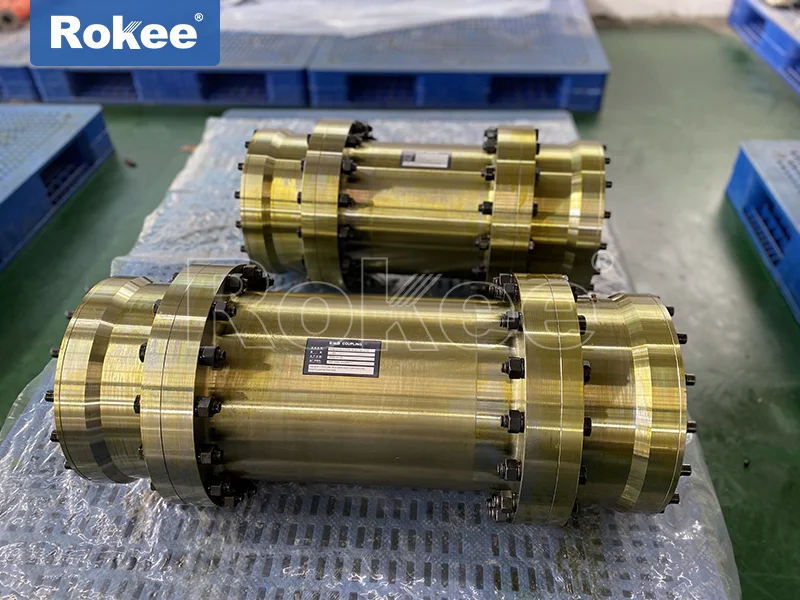
According to structural design, flexibility characteristics and application-oriented functional differences, mechanical barrel gear couplings can be divided into multiple categories, each with targeted performance advantages to adapt to different transmission requirements. The most common classification is based on the degree of flexibility, divided into rigid barrel gear couplings and flexible barrel gear couplings. Rigid models do not add additional elastic buffer components, relying entirely on the barrel tooth profile to complete misalignment compensation, with higher torsional rigidity and torque-bearing capacity, suitable for scenarios with small shaft misalignment and high requirements for transmission accuracy and heavy-load capacity. Flexible models integrate elastic components such as wear-resistant elastic pads or buffer sleeves between the hub and the outer sleeve, on the basis of retaining the core torque transmission performance, further enhancing the vibration and shock absorption effect, reducing the transmission of mechanical vibration between shafts, and protecting the precision parts of the equipment more effectively, suitable for equipment with obvious vibration or high requirements for smooth operation. According to the structural assembly form, it can be divided into integral sleeve type and split sleeve type: the integral sleeve type has better structural rigidity and higher transmission stability, suitable for high-load and high-speed operation scenarios; the split sleeve type is easier to install and disassemble, can be assembled without moving the connected equipment, and is suitable for equipment with narrow installation space or inconvenient shaft adjustment. According to the application scenario orientation, it can be divided into general industrial type, high-temperature resistant type, corrosion-resistant type and heavy-duty special type, etc. High-temperature resistant models adopt heat-resistant materials and high-temperature stable lubrication systems, suitable for high-temperature environments such as thermal equipment and metallurgical production lines; corrosion-resistant models use stainless steel and other anti-corrosion materials, matching with corrosion-resistant sealing parts, suitable for chemical, marine and other environments with corrosive media; heavy-duty special models are strengthened in structural size and material strength, to meet the ultra-high torque transmission needs of large mining machinery, steel rolling equipment and other heavy equipment. Each type of coupling is optimized for specific working conditions, realizing the precise matching between components and application scenarios.
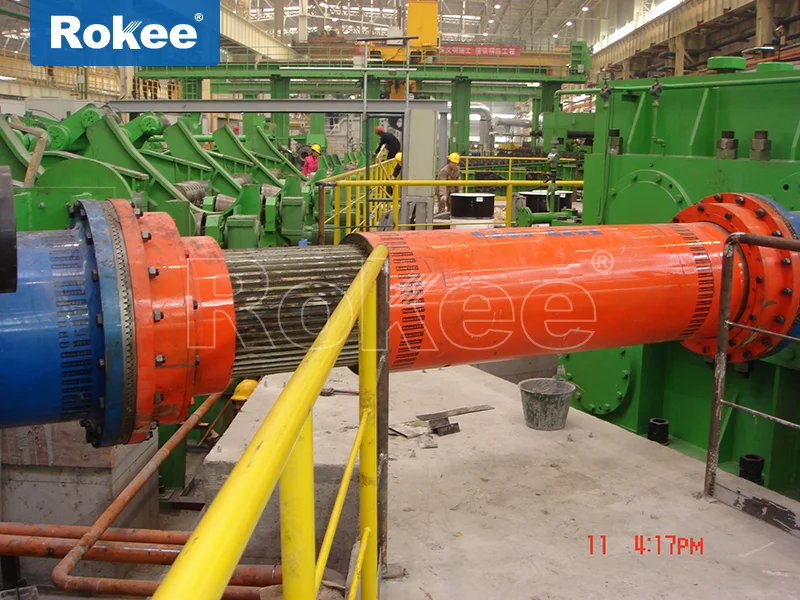
With its superior comprehensive performance and diversified structural design, the mechanical barrel gear coupling is widely used in almost all fields involving mechanical power transmission, covering heavy industry, light industry, energy, metallurgy, transportation and other industries, becoming an irreplaceable core component in modern industrial equipment. In the field of heavy machinery and mining, it is widely used in mining crushers, belt conveyors, grinding mills and excavators, etc. These equipment often operate under heavy load and strong vibration conditions, and the coupling’s high torque capacity and misalignment compensation performance can ensure stable power transmission, resist the impact of ore materials and prolong the service life of transmission parts. In the metallurgical and steel industry, it is applied to rolling mills, continuous casting machines, blast furnace auxiliary equipment and other high-temperature and heavy-load equipment, adapting to shaft thermal expansion and installation deviation caused by high-temperature operation, maintaining efficient torque transmission in harsh environments with high temperature and dust. In the field of lifting and transportation machinery, such as cranes, winches, gantry cranes and other equipment, the coupling connects the reducer and the drum, bearing both torque transmission and radial load generated by lifting heavy objects, with stable operation and high safety to meet the strict requirements of lifting equipment for transmission components. In the energy and power generation industry, including thermal power, hydropower and wind power equipment, it is used for connecting turbines, generators and gearboxes, adapting to high-speed rotation and slight shaft misalignment, ensuring the stability of power generation equipment and reducing vibration interference. In the field of general manufacturing and processing machinery, it is applied to machine tools, pumps, fans, compressors, mixers and other equipment, balancing transmission accuracy and operational stability, meeting the needs of different equipment for torque, speed and installation space. In addition, in ships, chemical equipment, construction machinery and other fields, the customized barrel gear coupling can also adapt to special working conditions by adjusting materials, structure and size, providing reliable power connection solutions for various special mechanical equipment.
In the continuous development of mechanical transmission technology, the mechanical barrel gear coupling has been continuously optimized in structural design, material selection and manufacturing process, and its performance has been steadily improved, further expanding its application boundaries. With the improvement of industrial automation and the upgrading of equipment performance requirements, the coupling is also developing towards higher precision, lighter weight, longer service life and more intelligent maintenance, but its core advantages of high torque, strong adaptability and stable operation remain irreplaceable. For mechanical engineering designers and equipment maintenance personnel, accurately grasping the structural characteristics, performance parameters and classification applications of barrel gear couplings is crucial to select the appropriate transmission components, improve equipment operation efficiency, reduce failure rate and extend service life. As a key link in the power transmission chain, this coupling will continue to play a pivotal role in various industrial fields with its reliable mechanical performance and flexible adaptive capacity, supporting the efficient and stable operation of modern mechanical equipment and promoting the continuous development of industrial transmission technology.