Polyurethane Sandwich Panel Manufacturing Machine Maintenance Is More Worry-free With Teeth Coupling
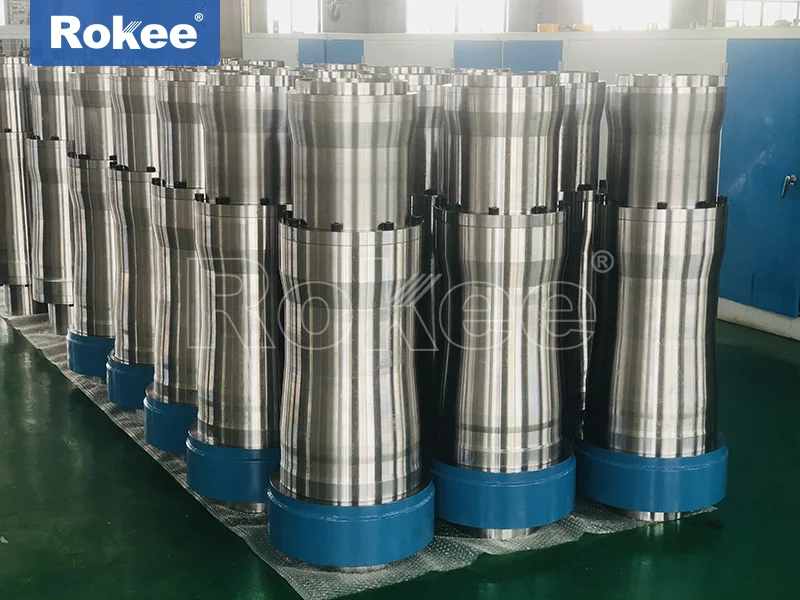
Polyurethane sandwich panel manufacturing machines serve as the core production equipment for producing high-performance thermal insulation and building enclosure panels, undertaking continuous foaming, laminating, forming, cutting and conveying processes in industrial production workshops all year round. These production lines operate under long-term continuous load, frequent start-stop cycles, and alternating mechanical stress, making the stability of the transmission system the fundamental guarantee for uninterrupted production and consistent product quality. In the actual production operation of polyurethane sandwich panel processing, most equipment failures and unexpected shutdowns are not caused by damage to core foaming components or control systems, but stem from small and neglected problems in the basic transmission connection parts. The long-term operation of traditional transmission connecting components is prone to wear, offset, vibration amplification and loose connection problems, which not only increase the frequency of daily equipment maintenance and the workload of on-site operators and maintenance personnel, but also easily lead to transmission power loss, unstable equipment operation rhythm, and even dimensional deviation of finished polyurethane sandwich panels and uneven foaming bonding quality, bringing unnecessary production losses and operational troubles to manufacturing enterprises. Rational selection and application of teeth coupling in the transmission connection part of polyurethane sandwich panel manufacturing machines can effectively optimize the overall operating state of the equipment, reduce the difficulty and cycle of daily maintenance work, extend the stable service life of the entire production line, and make the whole equipment maintenance management work more standardized, simple and worry-free in the long-term production and operation process.
The production process of polyurethane sandwich panels has extremely strict requirements on the synchronization, stability and precision of mechanical transmission. From the raw material feeding and two-component polyurethane foaming and mixing link at the front end of the production line, to the continuous conveying and pressure laminating of metal surface materials and core foam materials in the middle link, and then to the fixed-length cutting, edge trimming and finished product output and stacking link at the rear end, every production node relies on the coordinated operation of multiple motors, reducers, rollers and transmission shafts. All these mechanical components need reliable connecting parts to transmit power stably, ensure the consistent rotation speed and operation synchronization of each transmission shaft, and avoid relative displacement and rotation deviation between connected equipment parts. In the actual production scenario, polyurethane sandwich panel manufacturing machines will inevitably generate continuous mechanical vibration during high-speed operation, and the repeated impact load generated by frequent equipment start and stop will also cause continuous fatigue loss to the transmission connecting parts. Traditional connecting structures often have poor compensation performance for axial, radial and angular displacement generated by equipment operation. After a short period of use, they will appear obvious wear and gap increase, resulting in increased transmission vibration, abnormal equipment noise, and even unstable power transmission. Once these problems occur, maintenance personnel need to stop the machine frequently for inspection, disassembly, replacement and debugging, which not only interrupts the continuous production progress, reduces the overall production efficiency of the workshop, but also consumes a lot of manpower and time costs for daily equipment maintenance, and frequent disassembly and assembly maintenance will also cause secondary damage to the matching parts of the transmission shaft, further shortening the service life of key transmission components.
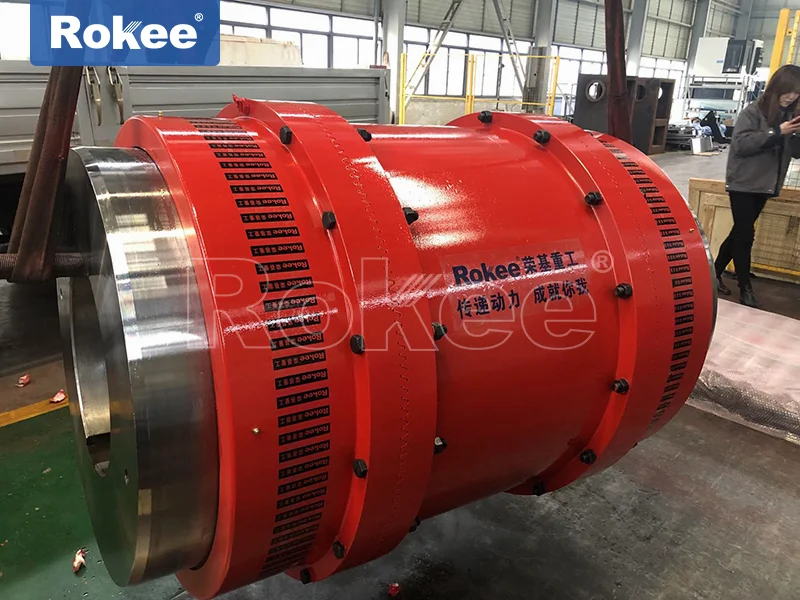
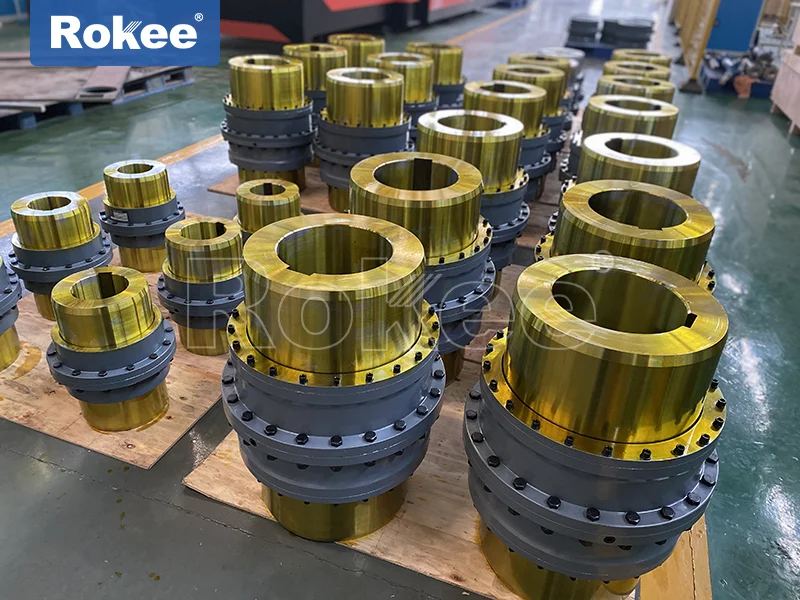
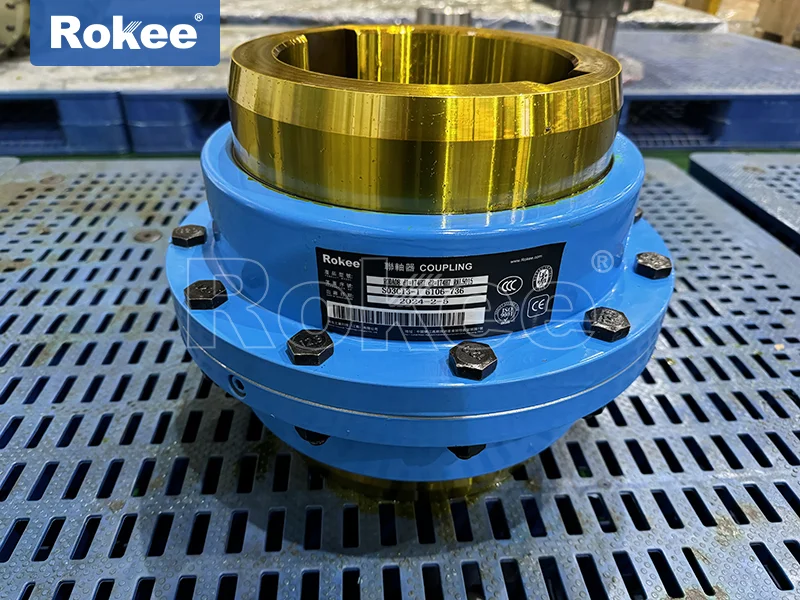
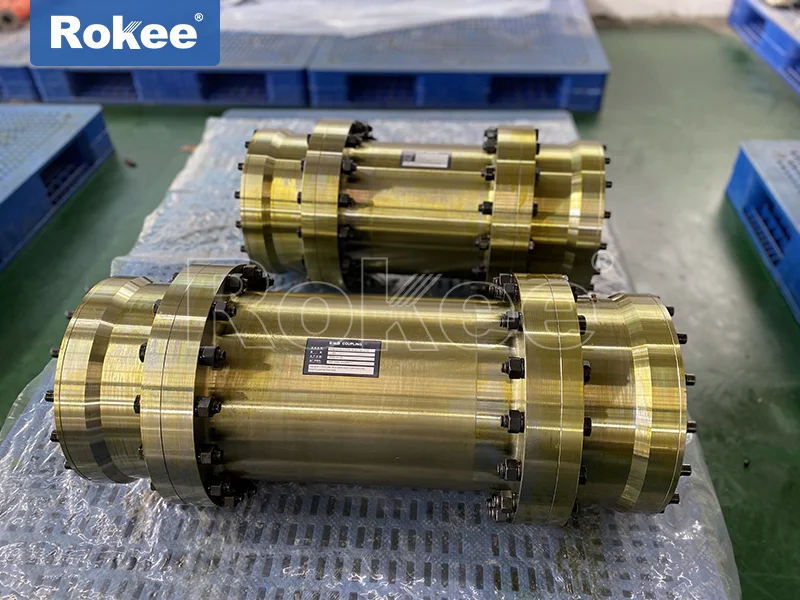
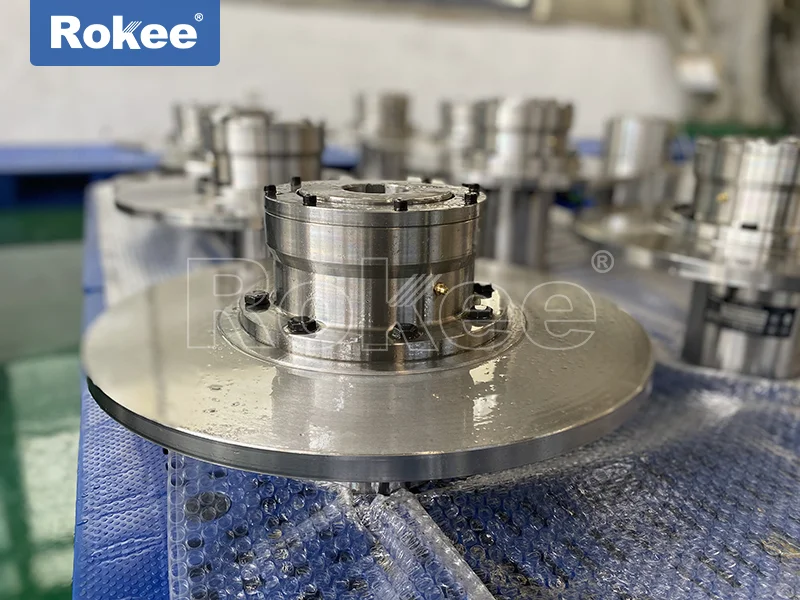
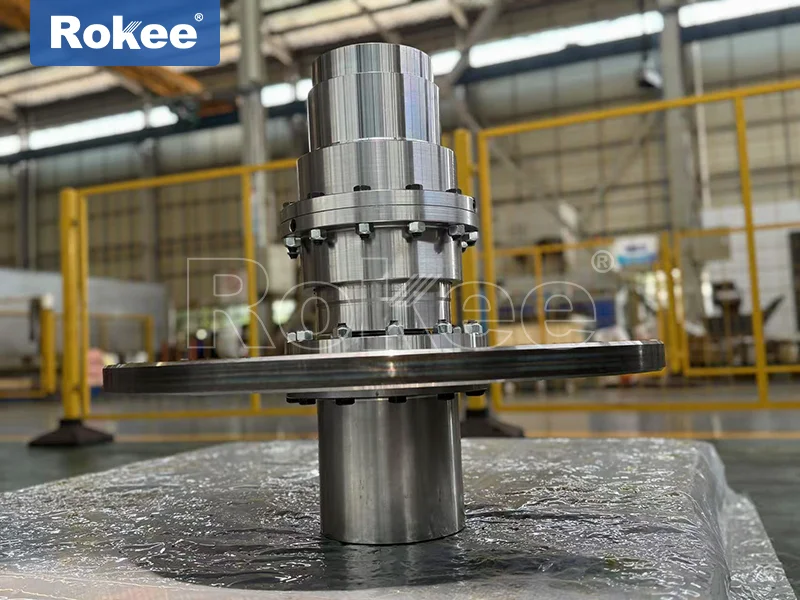
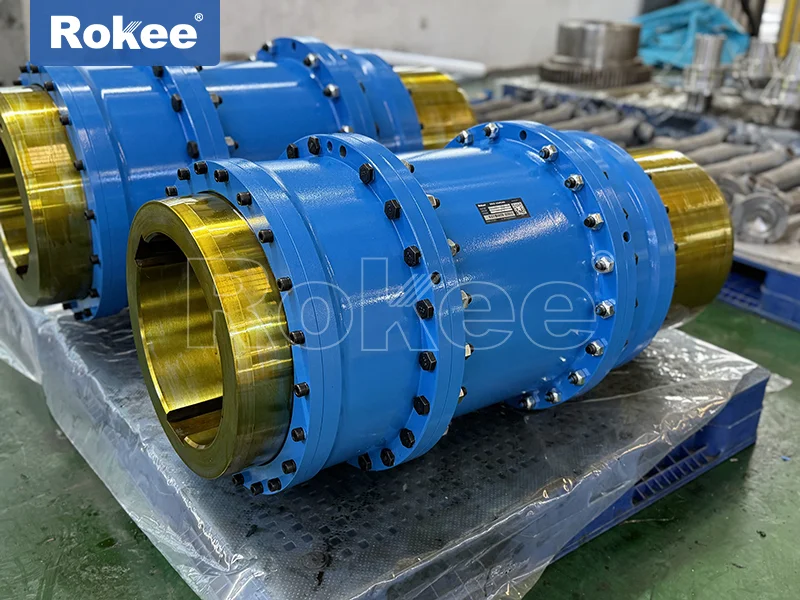
Teeth coupling is designed with a special internal and external meshing tooth structure, which has excellent displacement compensation performance, strong load-bearing capacity and good vibration buffering effect, and these structural advantages perfectly fit the long-term stable operation needs and convenient maintenance requirements of polyurethane sandwich panel manufacturing machines. Different from ordinary rigid connecting parts that can only achieve simple fixed connection and cannot buffer vibration and compensate displacement, the meshing structure of teeth coupling can flexibly adapt to the slight axial elongation and contraction, radial offset and angular deflection of the transmission shaft caused by equipment operation temperature change, mechanical vibration and long-term load operation. This natural adaptive adjustment function can effectively avoid additional mechanical stress and friction loss caused by misalignment of transmission shafts, greatly reduce the wear degree of transmission matching parts in the equipment operation process, and fundamentally reduce the probability of mechanical failure caused by transmission connection problems. In the daily operation of polyurethane sandwich panel production lines, the transmission system equipped with teeth coupling will not produce excessive vibration and impact even under long-term continuous operation and frequent start-stop working conditions. The meshing teeth can transmit power evenly and stably, ensuring that the operation speed of each roller and transmission component in the production line remains synchronized and consistent, so as to ensure the stable progress of polyurethane foaming, laminating and forming processes, and avoid product quality fluctuations caused by unstable equipment operation.
The worry-free advantage of teeth coupling in equipment maintenance management is mainly reflected in its extremely low wear rate, simple structural composition and convenient daily inspection and replacement operation. In the long-term use process, the internal and external meshing teeth of teeth coupling have strong wear resistance and fatigue resistance, and there is no need for frequent shutdown maintenance and regular replacement of vulnerable parts compared with other traditional transmission connection accessories. For polyurethane sandwich panel manufacturing enterprises, equipment maintenance work often includes daily cleaning of production line surface, regular lubrication of rotating parts, tightness inspection of fasteners, wear detection of transmission components and regular calibration of control systems. The application of teeth coupling can greatly simplify the maintenance links of the transmission connection part, reduce the frequency of regular inspection and maintenance of key connection positions, and maintenance personnel do not need to spend a lot of time every week checking the connection gap and wear degree of transmission connecting parts. Under normal production operation conditions, teeth coupling can maintain stable working performance for a long time, without frequent disassembly, debugging and replacement, which directly reduces the daily maintenance workload of the equipment maintenance team and allows maintenance personnel to focus more on the core maintenance work such as cleaning the foaming mixing head, checking the material conveying pipeline, calibrating the temperature control system and maintaining the cutting blade, ensuring the stable operation of the core production links of the polyurethane sandwich panel production line.
In addition to reducing daily maintenance workload, teeth coupling can also effectively extend the overall service life of polyurethane sandwich panel manufacturing machines and reduce the frequency of equipment overhaul and major maintenance. The vibration buffering and displacement compensation functions of teeth coupling can effectively isolate the vibration generated by the operation of the motor and reducer, prevent the vibration from being transmitted to the entire production line frame and precision processing components, and avoid fatigue damage and structural deformation of the equipment frame, conveying rollers and precision transmission parts caused by long-term vibration impact. Many polyurethane sandwich panel production equipment will appear frame loose, roller rotation jitter and component aging acceleration after several years of operation, most of which are caused by long-term unbuffered vibration of the transmission system. After adopting teeth coupling, the vibration in the power transmission process is effectively absorbed and buffered, the operating environment of all mechanical components of the equipment is optimized, the aging and wear speed of key parts is slowed down, and the interval period for equipment overhaul and comprehensive maintenance is significantly prolonged. For production enterprises, this means fewer long-term shutdown overhauls, lower replacement frequency of expensive mechanical parts, more stable production cycle arrangement, and effectively avoiding production plan delays and economic losses caused by equipment frequent failures and long-term maintenance shutdowns.
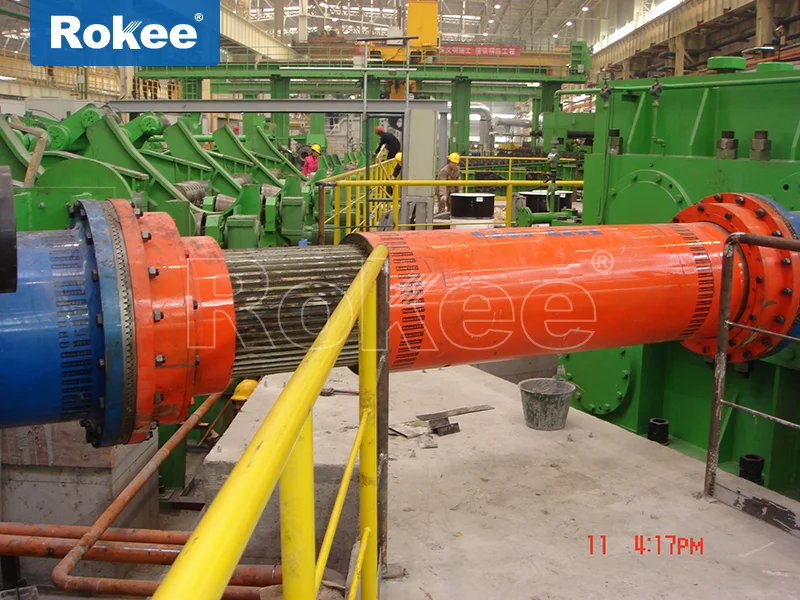
The practical application effect of teeth coupling in different functional sections of polyurethane sandwich panel manufacturing machine is very prominent, and it can play a good protective and maintenance simplifying role whether in the high-load main power transmission link or the auxiliary transmission link of auxiliary conveying and trimming. In the main power transmission part responsible for the operation of the laminating and forming system of the production line, the equipment needs to bear large continuous mechanical load, and the transmission stability directly determines the bonding compactness and forming flatness of polyurethane sandwich panels. The teeth coupling used in this position can bear large torque load, maintain accurate transmission synchronization, and will not produce connection loosening and power attenuation due to long-term high-load operation, reducing the failure probability of the main transmission system and avoiding unplanned shutdown maintenance. In the auxiliary transmission links such as raw material conveying roller operation and finished product cutting and edge trimming transmission, the frequent start-stop and variable-speed operation of the equipment will cause certain impact on the transmission connecting parts. The flexible meshing structure of teeth coupling can well adapt to this variable working condition, reduce the impact wear during start-stop and speed change, keep the auxiliary transmission system running smoothly for a long time, and reduce the daily inspection and maintenance pressure of auxiliary equipment.
In the daily equipment management and maintenance system of polyurethane sandwich panel production enterprises, reducing unnecessary maintenance links and reducing human intervention in equipment operation can effectively improve the overall operational efficiency of the production line and reduce the hidden risks of equipment human failure. Traditional transmission connecting parts are prone to loosening after a period of operation, and maintenance personnel need to regularly tighten fasteners, check connection gaps and adjust transmission alignment parameters. Once the maintenance work is not in place or the inspection cycle is delayed, it will quickly lead to equipment operation failure and product quality problems. Teeth coupling almost does not need frequent manual debugging and regular fastening after installation and commissioning, its structural design can maintain stable connection performance for a long time, adapt to the slight changes of equipment operation state and environmental temperature, and will not affect the transmission effect due to slight vibration and load changes. This maintenance-free long-term stable working characteristic makes the equipment maintenance management work more standardized and simplified, enterprises do not need to arrange special personnel to be responsible for the daily inspection of transmission connecting parts, and the equipment operation and maintenance management threshold is reduced, which is very suitable for the long-term continuous production mode of polyurethane sandwich panel manufacturing industry.
To sum up, the stable operation of polyurethane sandwich panel manufacturing machines is inseparable from the reliable guarantee of the transmission system, and the optimization of transmission connecting parts is the key link to reduce equipment maintenance pressure and realize worry-free equipment operation. Teeth coupling relies on its excellent displacement compensation performance, strong vibration buffering capacity, good load-bearing performance and ultra-low maintenance characteristics, which solves many pain points such as easy wear, frequent failure and difficult maintenance of traditional transmission connecting parts in the operation of polyurethane sandwich panel production equipment. Applying teeth coupling to the transmission connection part of polyurethane sandwich panel manufacturing machines can not only stabilize the equipment operation state, ensure the consistent quality of finished panels and continuous and efficient production progress, but also greatly reduce the daily maintenance workload of the equipment, extend the equipment overhaul cycle and overall service life, reduce various hidden troubles and additional costs brought by equipment maintenance and failure shutdown. In the long-term production and operation process, letting teeth coupling play a core protective role in the equipment transmission system can make the entire equipment maintenance work more labor-saving, time-saving and worry-free, create more stable and reliable production conditions for polyurethane sandwich panel manufacturing enterprises, and lay a solid mechanical foundation for enterprises to realize efficient production, stable operation and long-term development.