Jaw Flex Couplings
In the realm of mechanical power transmission, the jaw flex coupling stands as one of the most widely adopted flexible coupling solutions, prized for its balanced blend of torque transmission efficiency, misalignment compensation, vibration damping, and operational simplicity. Unlike rigid couplings that demand perfect shaft alignment and offer no flexibility, or highly flexible couplings that sacrifice torsional stiffness for extreme misalignment tolerance, the jaw flex coupling strikes a harmonious middle ground, making it indispensable across countless industrial systems. At its core, this coupling is engineered to connect two rotating shafts, transferring rotational force reliably while mitigating the adverse effects of shaft misalignment, mechanical vibration, and sudden load shocks—factors that are inevitable in real-world machinery operation due to manufacturing tolerances, thermal expansion, installation errors, and dynamic operational stresses.
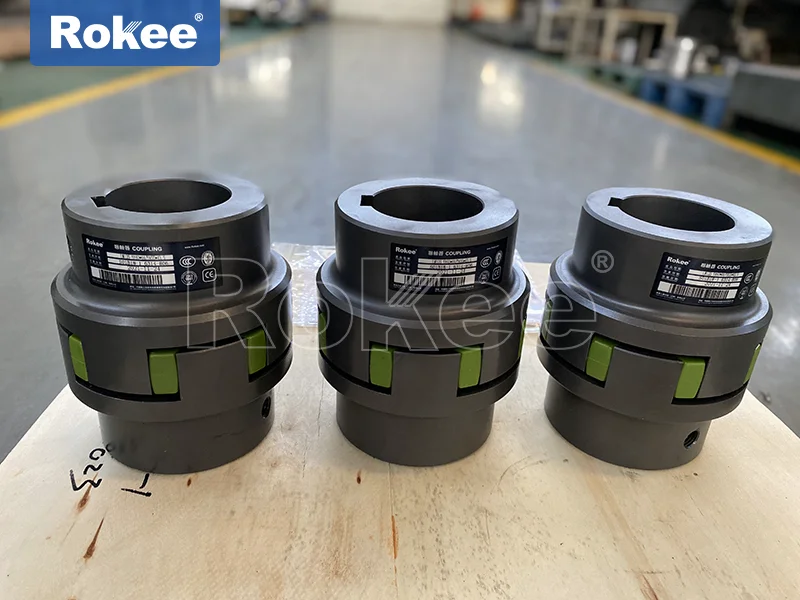
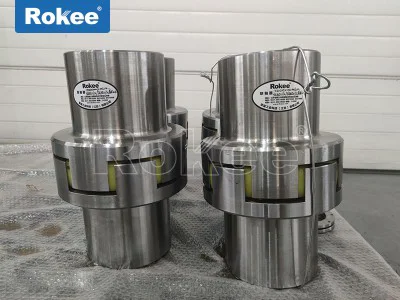
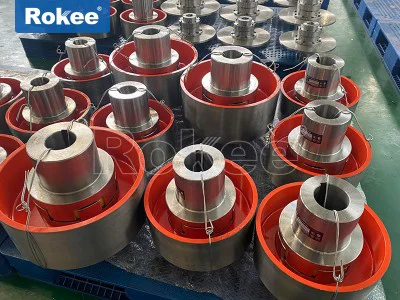
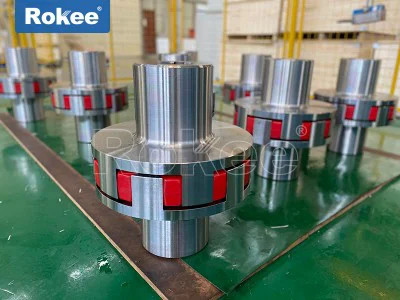
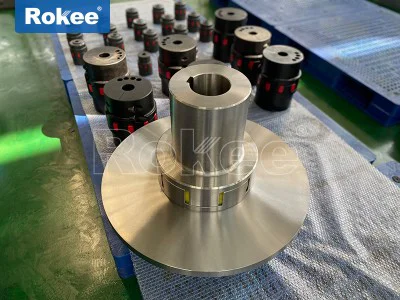
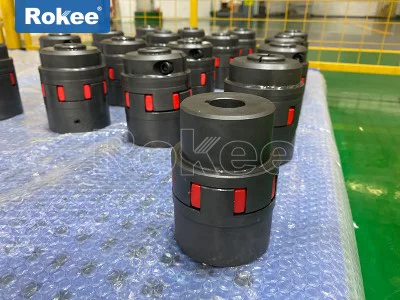
The fundamental structure of a standard jaw flex coupling is elegantly simple yet highly functional, consisting of three primary components: two rigid metal hubs and a central elastomeric flex element, commonly referred to as a spider or cushion. Each metal hub features a series of evenly spaced, protruding jaws or claws machined around its inner face, designed to interlock with the lobes of the central flex element without direct metal-to-metal contact under normal operating conditions. The hubs are typically crafted from high-strength materials such as carbon steel, cast iron, or aluminum alloy, selected based on the required torque capacity, operational speed, and environmental conditions of the application. Carbon steel hubs offer exceptional tensile strength and durability for heavy-duty, high-torque setups, while aluminum alloy hubs provide a lightweight, corrosion-resistant alternative ideal for low-to-medium torque applications, precision machinery, and systems where reduced inertia is critical. Cast iron hubs, meanwhile, deliver cost-effective performance for general industrial use, balancing strength and affordability for moderate load and speed requirements. The central elastomeric spider is the heart of the coupling’s flexibility, engineered with lobes that fit snugly between the jaws of the two hubs; this component is responsible for all misalignment accommodation, vibration absorption, and shock dampening. Elastomeric materials for the spider vary widely, each tailored to specific operational parameters, with common options including nitrile rubber, polyurethane, nylon, and other engineered polymers, each offering distinct hardness, flexibility, temperature resistance, and chemical compatibility traits.
The operational principle of the jaw flex coupling revolves around the compression and controlled deformation of the elastomeric spider during torque transmission. When the driving shaft rotates, the jaws of the driving hub exert pressure on the lobes of the spider, transferring rotational force through the elastomer to the jaws of the driven hub, which in turn rotates the driven shaft. This indirect force transmission via the elastomer eliminates metal-to-metal friction between the hubs under regular operation, reducing wear and minimizing noise generation. Crucially, the elastomeric spider’s ability to deform under load allows the coupling to compensate for three primary types of shaft misalignment: angular misalignment, where the two shafts meet at a slight angle; radial misalignment, where the shafts are offset parallel to one another; and axial misalignment, involving slight endplay or movement along the shaft’s longitudinal axis. This misalignment tolerance is a defining performance feature, as it relieves excessive stress on bearings, shafts, and connected equipment, preventing premature failure and extending the service life of the entire power transmission system. Beyond misalignment compensation, the jaw flex coupling excels in vibration and shock absorption, a performance attribute that stems from the elastomeric spider’s natural damping properties. Mechanical vibrations generated by motors, pumps, compressors, or other rotating equipment are absorbed and dissipated as the spider flexes, preventing the transfer of harmful vibrations to adjacent components and reducing overall system noise. Additionally, many jaw flex coupling designs offer fail-safe operation: in the event of elastomeric spider failure due to overload, excessive wear, or material degradation, the interlocking metal jaws of the hubs will engage directly, allowing for limited torque transmission to prevent catastrophic system shutdown and enable safe shutdown procedures, a critical safety feature in continuous industrial operations.
Performance characteristics of jaw flex couplings are further shaped by material selection, jaw design, and overall construction, with key metrics including torque capacity, torsional stiffness, operating temperature range, chemical resistance, and maintenance requirements. Torque capacity varies significantly across different sizes and designs, ranging from small-scale precision couplings for light-duty automation equipment to heavy-duty models capable of handling substantial torque in industrial machinery. Torsional stiffness is balanced to provide sufficient rigidity for accurate power transmission while retaining the flexibility needed for misalignment and vibration control; softer elastomeric spiders offer greater flexibility and vibration damping but lower torsional stiffness, while harder spiders deliver higher stiffness and torque capacity with reduced flexibility. Operating temperature range is dictated by the elastomeric spider material, with nitrile rubber performing well in moderate temperature environments, polyurethane offering broader temperature resistance and enhanced durability, and specialized engineered polymers extending performance to extreme high or low temperature conditions. Chemical resistance is another vital performance factor, with certain elastomer formulations resisting oil, grease, moisture, and mild industrial chemicals, making the coupling suitable for harsh operating environments where exposure to contaminants is common. A major practical performance advantage of jaw flex couplings is their maintenance-free or low-maintenance nature; unlike gear couplings or grid couplings that require regular lubrication, the elastomeric design of jaw flex couplings eliminates the need for lubrication, reducing ongoing maintenance costs, minimizing downtime, and simplifying upkeep for busy industrial facilities. Installation and disassembly are also straightforward, as the three-piece design allows for easy replacement of the elastomeric spider without removing the hubs from the shafts, streamlining repair processes and reducing service time.
Jaw flex couplings are categorized into distinct varieties based on multiple criteria, including hub design, elastomer type, jaw configuration, and application-specific features, each engineered to address unique operational needs. One primary classification is based on hub mounting style, with key variants including set screw hubs, clamp hubs, and keyless locking hubs. Set screw hubs feature a setscrew that tightens onto the shaft, offering a simple, cost-effective mounting solution for general-purpose applications; however, they may cause minor shaft damage and are best suited for stationary, low-to-medium speed setups. Clamp hubs, also known as compression hubs, use a split hub design with clamping screws to create a 360-degree grip around the shaft, providing a more secure, backlash-free connection without shaft damage, ideal for high-speed, reversing, or high-shock applications. Keyless locking hubs offer the most robust and precise mounting, using friction-based locking mechanisms to distribute pressure evenly across the shaft, eliminating backlash and ensuring maximum torque transfer for heavy-duty, high-precision machinery. Another critical classification is based on elastomeric spider material and hardness, which directly impacts coupling performance: soft rubber spiders offer superior vibration damping and misalignment tolerance, suitable for equipment with high vibration levels such as reciprocating compressors; medium-hardness polyurethane spiders balance flexibility and torque capacity, serving as a versatile choice for general industrial use; and hard nylon or composite spiders deliver high torsional stiffness and wear resistance, perfect for precision motion control systems where minimal backlash is essential.
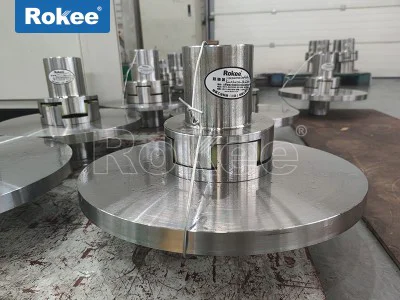
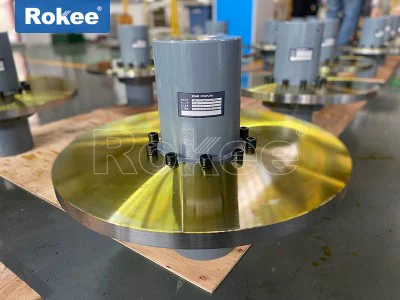
Jaw configuration further differentiates jaw flex coupling varieties, with straight jaw and curved jaw designs being the most prevalent. Straight jaw couplings feature flat, linear jaws that make direct contact with the spider lobes, offering a simple manufacturing process, high torque capacity, and reliable performance for standard applications; however, they have slightly limited misalignment tolerance and may generate more noise under heavy loads. Curved jaw couplings, by contrast, feature rounded, contoured jaws that create a progressive, uniform contact with the spider lobes during rotation, reducing stress concentrations on the elastomer, enhancing misalignment compensation, and enabling smoother, quieter operation even under dynamic load conditions. Curved jaw designs also distribute wear more evenly across the spider, extending the service life of the flex element and improving overall coupling durability. Additional specialized varieties include spacer jaw flex couplings, which incorporate a central spacer between the hubs to accommodate greater axial misalignment or provide clearance for shaft seals and other components; high-temperature jaw couplings, constructed with heat-resistant elastomers and heat-treated metal hubs for extreme thermal environments; and corrosion-resistant jaw couplings, featuring aluminum or stainless steel hubs and chemical-resistant elastomers for use in marine, food processing, or chemical processing facilities. Each variety is refined to optimize specific performance attributes, ensuring compatibility with diverse operational demands across different industries.
The versatility of jaw flex couplings, combined with their robust performance and cost-effective design, has led to their widespread adoption across nearly every sector of industrial and mechanical engineering. In the manufacturing and machinery sector, they are commonly used to connect motors to gearboxes, conveyors, mixers, and machine tools, providing reliable power transmission while dampening vibration from cutting, grinding, and material handling operations. In the fluid handling industry, jaw flex couplings are a staple for pumps, compressors, blowers, and fans, where they compensate for shaft misalignment caused by pipe stress, thermal expansion, and foundation movement, ensuring smooth operation and preventing damage to pump internals and bearings. The automotive and transportation industry utilizes these couplings in various auxiliary systems, including engine accessories, hydraulic pumps, and cooling system components, leveraging their compact size, vibration damping, and fail-safe capabilities. In the HVAC and refrigeration sector, they are employed in fans, blowers, and compressor units, reducing noise and vibration to maintain quiet, efficient operation in commercial and residential buildings. Material handling and logistics systems, such as conveyor belts, elevators, and packaging machinery, rely on jaw flex couplings for their durability, ease of maintenance, and ability to handle the cyclic loads and minor misalignments common in these applications.
Beyond these core industries, jaw flex couplings find critical use in precision automation and robotics, where lightweight clamp-style designs with low backlash ensure accurate motion control and repeatability for robotic arms, assembly lines, and CNC machinery. Agricultural machinery also benefits from their robust construction, as they withstand the dust, debris, and heavy shock loads associated with farming equipment such as tractors, harvesters, and irrigation systems. Power generation facilities, including small-scale generator sets and industrial power units, use jaw flex couplings to connect engines to alternators, absorbing engine vibration and ensuring stable power output. Even in marine and offshore applications, corrosion-resistant jaw flex couplings are employed in onboard machinery, deck equipment, and pumping systems, standing up to saltwater exposure and harsh marine conditions. The broad applicability of jaw flex couplings stems from their ability to adapt to varying load, speed, and environmental conditions, paired with their simple design that facilitates easy integration into new systems and retrofitting into existing equipment.
In summary, the jaw flex coupling remains a cornerstone of modern power transmission systems, distinguished by its straightforward structural design, balanced performance profile, diverse classification options, and extensive industrial utility. Its core structure of two metal hubs and a central elastomeric spider delivers efficient torque transfer, effective misalignment compensation, and reliable vibration damping, addressing key challenges in mechanical power transmission. The wide range of varieties, tailored to different hub designs, elastomer materials, and jaw configurations, allows for precise customization to meet the unique demands of every application, from light-duty precision automation to heavy-duty industrial machinery. With low maintenance requirements, fail-safe operation, and exceptional durability, jaw flex couplings continue to be the preferred choice for engineers and designers seeking a cost-effective, reliable, and versatile coupling solution. As industrial technology advances and machinery operates at higher speeds, under heavier loads, and in more extreme environments, the jaw flex coupling evolves alongside these demands, with ongoing improvements in elastomer materials, metal alloy formulations, and manufacturing precision enhancing its performance and expanding its potential applications across global industries. Its enduring popularity is a testament to its ability to deliver consistent, efficient performance while solving the universal challenges of shaft misalignment, vibration, and mechanical stress in rotating equipment systems.