Spline Gear Coupling
In the realm of mechanical power transmission, the spline gear coupling stands as a highly versatile and robust component designed to connect two rotating shafts, efficiently transfer torque, and accommodate minor shaft misalignments that occur naturally in industrial machinery operation. Unlike basic rigid couplings that offer no flexibility or standard gear couplings that rely solely on external and internal gear meshing, spline gear couplings integrate the precision of spline connections with the load-bearing capacity of gear mechanisms, creating a hybrid design that balances strength, flexibility, and durability for heavy-duty and precision-driven applications.
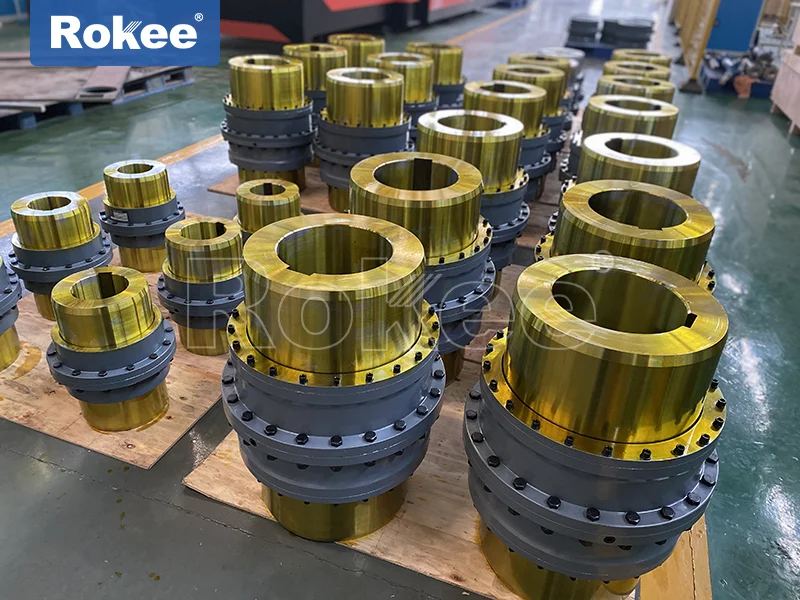
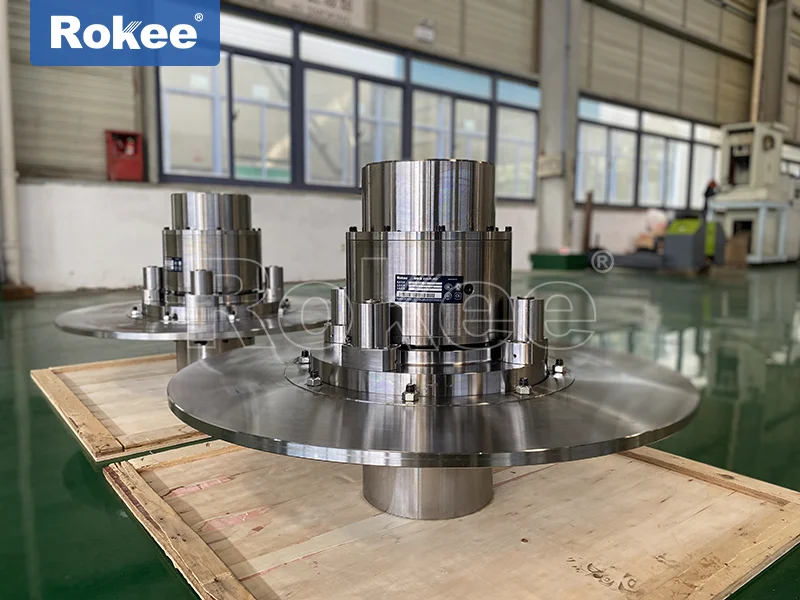
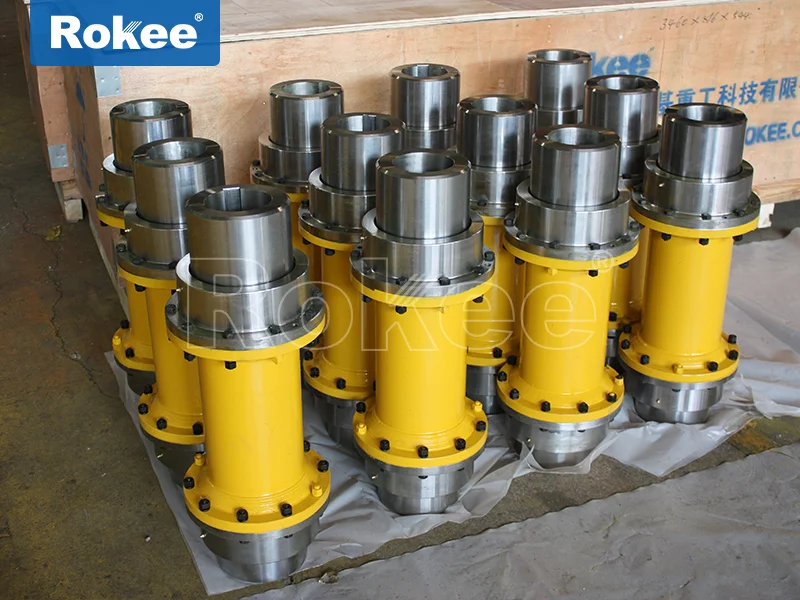
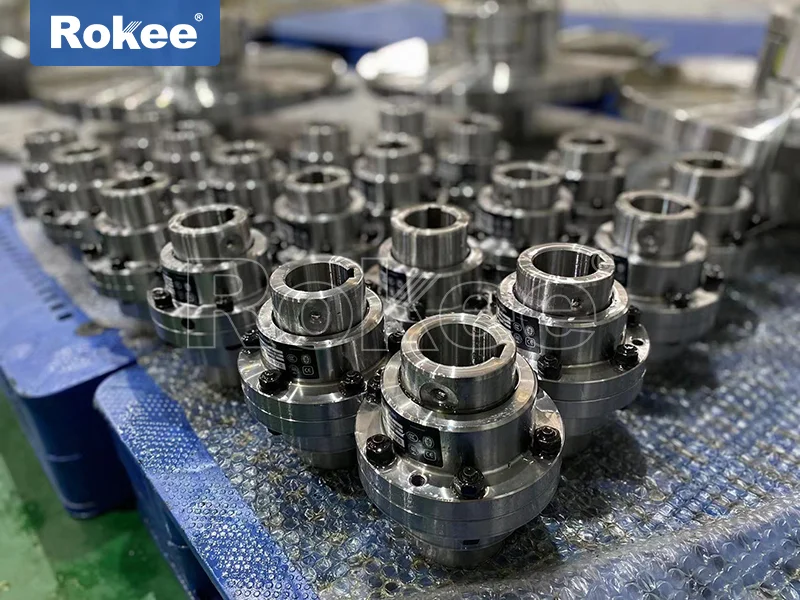
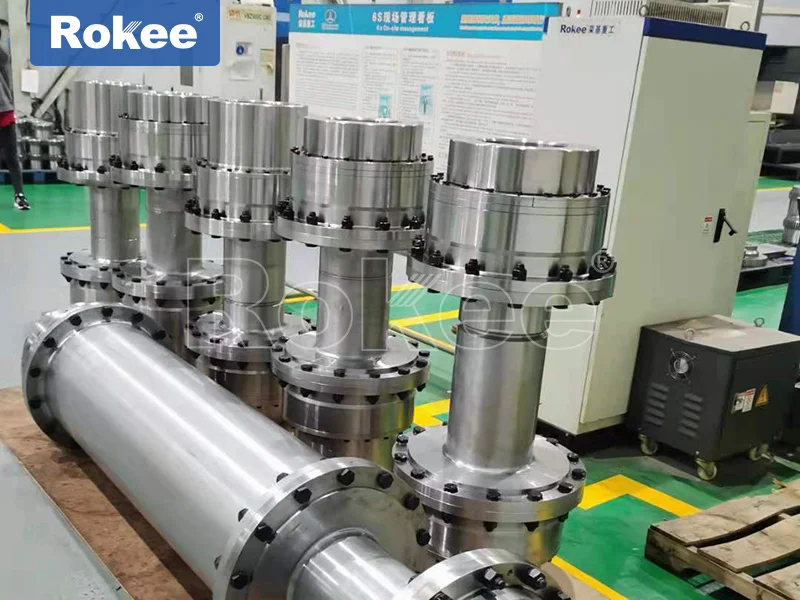
At its core, the spline gear coupling features a streamlined yet meticulously engineered structural framework that combines splined hubs and gear engagement elements to fulfill its transmission role. The primary components typically include two splined shaft hubs, a central gear sleeve or coupling body with internal splines and gear teeth, and often a set of sealing components to protect internal mechanisms from environmental contaminants. The splined hubs are directly mounted onto the driving and driven shafts, with internal or external splines machined to precise tolerances to ensure a tight, backlash-free fit with the mating splines on the coupling body. What distinguishes spline gear couplings from conventional gear couplings is the integration of spline geometry—either involute splines or straight-sided splines—alongside the gear tooth profile, which enhances torque distribution across a larger contact surface and reduces stress concentration on individual teeth. The gear teeth within the coupling are usually designed with a modified involute profile or crowned tooth shape, a critical feature that allows the coupling to compensate for angular, parallel, and axial misalignment between the two connected shafts without compromising torque transmission efficiency. The spline sections, meanwhile, provide a secure, concentric connection between the hubs and the central body, preventing radial slippage and ensuring uniform load distribution during high-speed or high-torque operation. The overall structure is compact, with no excessive protruding parts, making it suitable for installation in confined mechanical spaces where larger coupling assemblies cannot fit. Additionally, the mating surfaces between splines and gears are finished to tight dimensional tolerances, minimizing friction and wear during continuous rotation, while the sealed design retains lubrication within the internal cavity to maintain smooth operation over extended service life.
The performance characteristics of spline gear couplings are directly derived from their unique structural design, setting them apart from other coupling types such as jaw couplings, disc couplings, and rigid flange couplings. One of the most prominent performance advantages is their exceptional torque transmission capacity, capable of handling both steady-state torque and intermittent shock loads without deformation or failure. The combination of spline and gear contact areas distributes torque evenly across multiple teeth and spline flutes, rather than concentrating force on a single contact point, which significantly boosts load-bearing capability and resistance to fatigue. Unlike rigid couplings that cannot tolerate any shaft misalignment, spline gear couplings offer controlled flexibility, accommodating small degrees of angular misalignment (typically up to several degrees, varying by design), parallel misalignment of a few millimeters, and limited axial movement caused by thermal expansion or mechanical vibration. This misalignment compensation is crucial in industrial settings where perfect shaft alignment is difficult to achieve and maintain due to machine installation errors, operational vibration, or thermal distortion during use. Another key performance trait is high transmission efficiency, with minimal power loss during operation; the smooth, precision-machined spline and gear surfaces reduce frictional resistance, and the sealed, lubricated internal environment prevents energy waste from dry friction. These couplings also exhibit excellent torsional stiffness, maintaining consistent rotational speed and torque delivery even under fluctuating load conditions, which is vital for precision machinery that requires stable motion control. Durability is another standout performance feature: constructed from high-strength alloy steels or carbon steels with heat-treated surfaces to enhance hardness and wear resistance, spline gear couplings can withstand prolonged operation in harsh industrial environments, including exposure to dust, moisture, and moderate temperature fluctuations. They also demonstrate low maintenance requirements under proper lubrication schedules, with no need for frequent adjustments or component replacements, reducing downtime for connected machinery. Furthermore, spline gear couplings operate with relatively low noise and vibration levels compared to gear-only couplings, as the spline integration dampens minor rotational fluctuations and reduces tooth impact during meshing, creating a smoother and quieter transmission system.
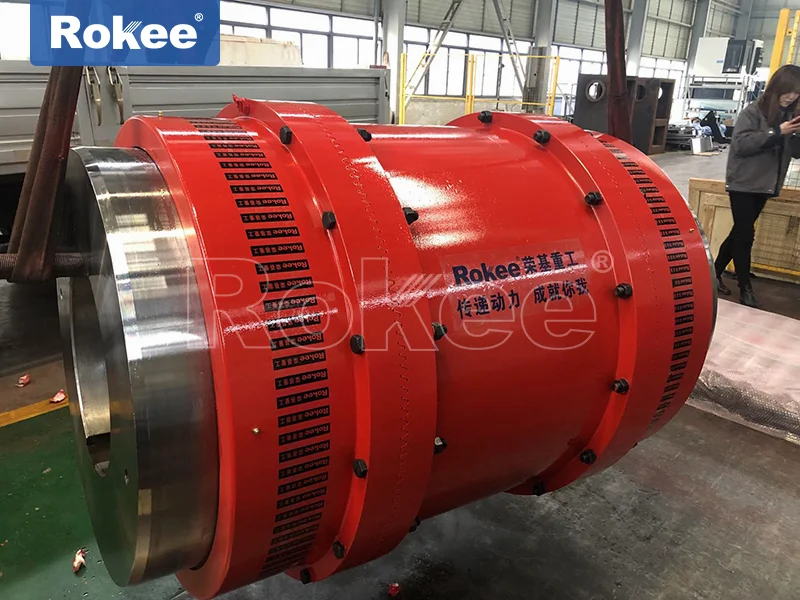
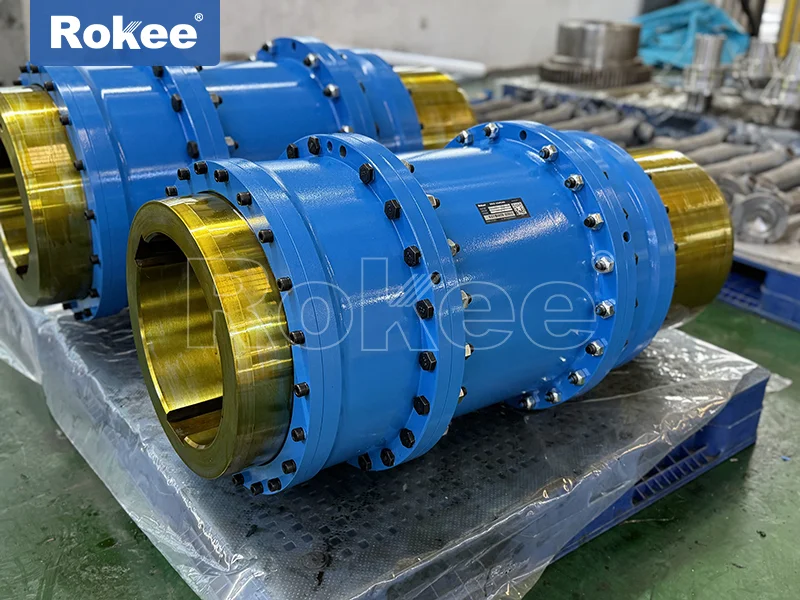
Spline gear couplings are categorized into several distinct types based on structural design, spline configuration, misalignment compensation capabilities, and application-specific requirements, each tailored to address unique operational needs in mechanical systems. The most common classification is based on spline type, distinguishing between involute spline gear couplings and straight-sided spline gear couplings. Involute spline gear couplings feature curved, gear-like spline profiles that offer self-centering properties, uniform load distribution, and higher load capacity, making them ideal for heavy-duty, high-torque applications such as industrial machinery and power generation equipment. Straight-sided spline gear couplings, with flat-sided spline profiles, provide simpler manufacturing and easier assembly, suitable for moderate torque loads and applications where frequent installation and removal are necessary. Another major classification is based on structural flexibility and misalignment handling, including full flexible spline gear couplings and semi-flexible spline gear couplings. Full flexible models feature crowned gear teeth and dual spline connections on both hubs, allowing compensation for all three types of misalignment (angular, parallel, axial) and are preferred for systems with significant alignment challenges. Semi-flexible spline gear couplings have a rigid spline connection on one hub and a flexible gear connection on the other, designed for applications where only limited misalignment is present, offering a more compact and cost-effective solution without sacrificing core torque transmission. Additionally, spline gear couplings can be classified by axial design: fixed type spline gear couplings, which restrict axial movement between shafts and are used for fixed shaft positioning, and floating type spline gear couplings, which allow controlled axial displacement to accommodate thermal expansion of shafts in long-distance transmission systems. There are also compact miniature spline gear couplings for small-scale precision equipment, such as medical devices and automated instrumentation, and heavy-duty large-scale spline gear couplings for industrial heavy machinery, featuring reinforced splines and thicker gear teeth to handle extreme torque loads. Some specialized variants are designed with integrated damping elements to absorb shock loads, while others feature corrosion-resistant surface treatments for use in marine, chemical, or outdoor environments, though these modifications do not alter the core spline-gear structural foundation. Each classification maintains the core principle of combining spline connection stability with gear coupling flexibility, ensuring adaptability across a broad spectrum of mechanical systems.
The unique combination of structural strength, torque capacity, misalignment tolerance, and durability makes spline gear couplings indispensable across a vast array of industrial sectors, where reliable power transmission is critical to operational efficiency. In heavy manufacturing and industrial processing, these couplings are widely used in large-scale machinery such as rolling mills, metal forming equipment, conveyor systems, and heavy-duty pumps and compressors. The high torque load-bearing capability and ability to compensate for misalignment caused by heavy machine vibration make them ideal for connecting drive motors to working shafts in these applications, ensuring uninterrupted operation even under extreme load conditions. In the power generation industry, spline gear couplings play a vital role in turbine systems, generator sets, and auxiliary power equipment, where precise torque transmission and resistance to thermal expansion are essential. The compact design and high efficiency of these couplings allow them to fit within the confined spaces of power generation units while maintaining consistent performance under continuous high-speed rotation. The mining and construction equipment sector also relies heavily on spline gear couplings, utilizing them in crushers, excavators, mixers, and other heavy construction machinery that operates in rugged, outdoor environments. The durable, sealed construction protects internal components from dust, debris, and moisture, while the shock-absorbing properties handle the intermittent, heavy impact loads common in mining and construction operations. In marine and offshore engineering, spline gear couplings are employed in propulsion systems, deck machinery, and marine pumping equipment, where corrosion resistance and reliable performance under dynamic sea conditions are required; the sealed, robust design withstands salt spray and humidity, ensuring long service life in marine environments. Automotive and heavy vehicle manufacturing also makes extensive use of spline gear couplings in transmission systems, drive shafts, and auxiliary vehicle components, where compact size, high torque capacity, and misalignment compensation are critical for smooth vehicle operation. Additionally, these couplings are used in precision industrial automation equipment, such as robotic arms, CNC machine tools, and automated assembly lines, where torsional stiffness and backlash-free operation ensure precise motion control and positioning accuracy. Beyond these core sectors, spline gear couplings find applications in agricultural machinery, textile manufacturing equipment, printing machinery, and aerospace support systems, adapting to diverse operational demands by virtue of their customizable designs and versatile performance. Their ability to balance strength and flexibility, coupled with low maintenance needs, makes them a preferred choice for engineers seeking reliable, long-lasting power transmission solutions that can adapt to real-world mechanical challenges.
In summary, the spline gear coupling represents a sophisticated evolution in power transmission technology, merging the stability of spline connections with the flexibility and load-bearing capacity of gear couplings to create a component that excels in both heavy-duty industrial applications and precision-driven mechanical systems. Its carefully engineered structural design ensures efficient torque distribution, effective misalignment compensation, and long-term durability, while its diverse classifications allow for tailored solutions to meet specific operational requirements across countless industries. As industrial machinery continues to evolve toward higher efficiency, heavier load capacities, and more compact designs, the spline gear coupling remains a fundamental and irreplaceable component in mechanical power transmission, valued for its consistent performance, adaptability, and ability to withstand the rigors of continuous industrial operation. Its widespread adoption across manufacturing, power generation, mining, marine, automation, and other sectors underscores its engineering significance, proving that a well-designed, balanced transmission component can directly enhance the reliability, efficiency, and service life of entire mechanical systems.