High Precision Gear Coupling
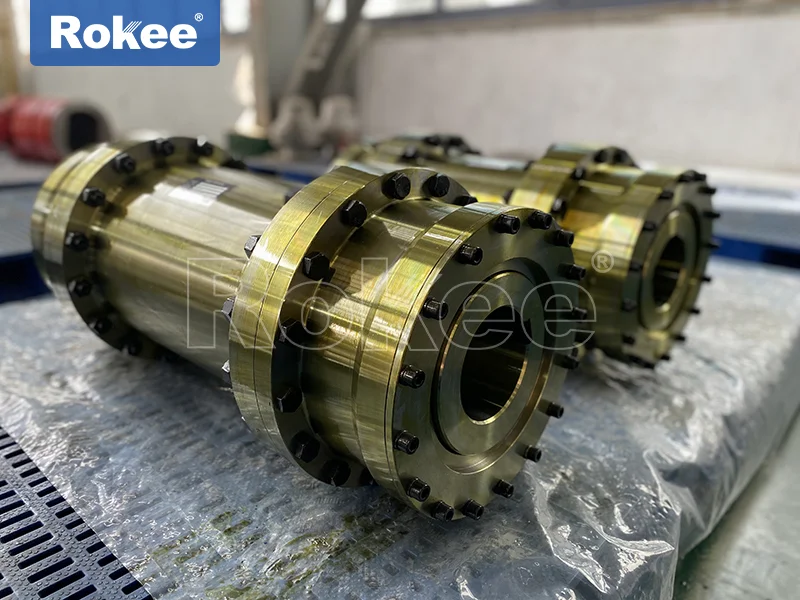
High precision gear couplings stand as a core component in modern mechanical transmission systems, serving as a critical connecting medium that synchronizes rotational motion and transmits torque between adjacent drive and driven shafts. Unlike ordinary transmission couplings that prioritize basic power delivery, high precision gear couplings are engineered to pursue ultra-stable transmission accuracy, minimal motion deviation and long-term operational consistency, making them indispensable in sophisticated mechanical equipment that demands strict motion control and load stability. Their unique structural design and optimized mechanical properties enable them to address the common pain points of traditional coupling products, including transmission clearance, shaft misalignment interference and operational vibration errors, laying a solid foundation for the high-efficiency and high-precision operation of various mechanical transmission systems.
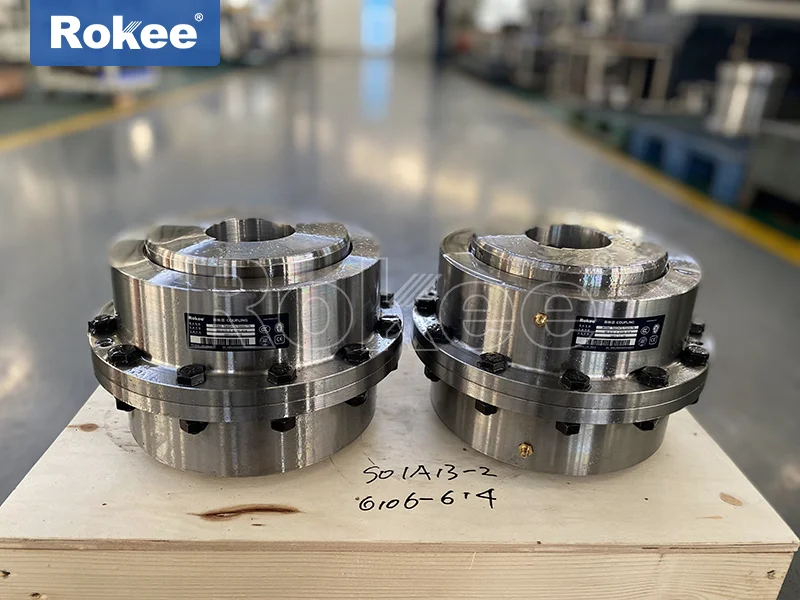
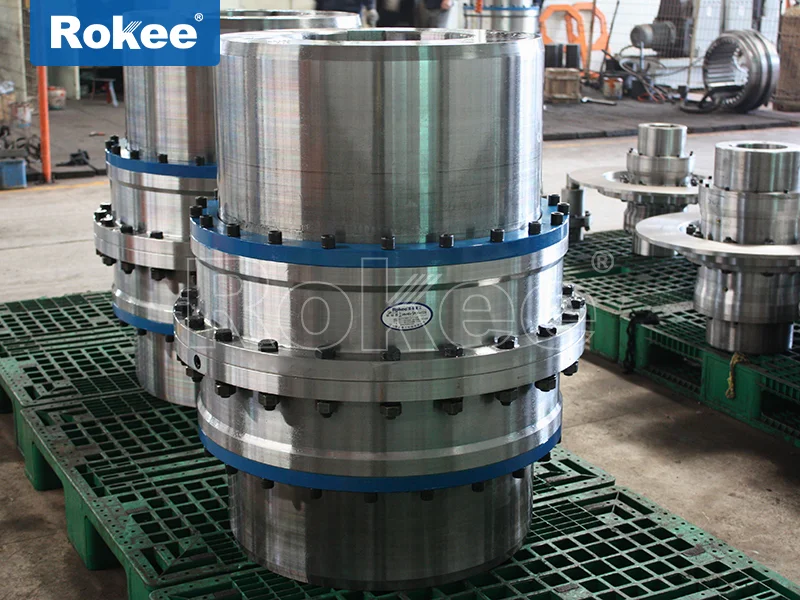
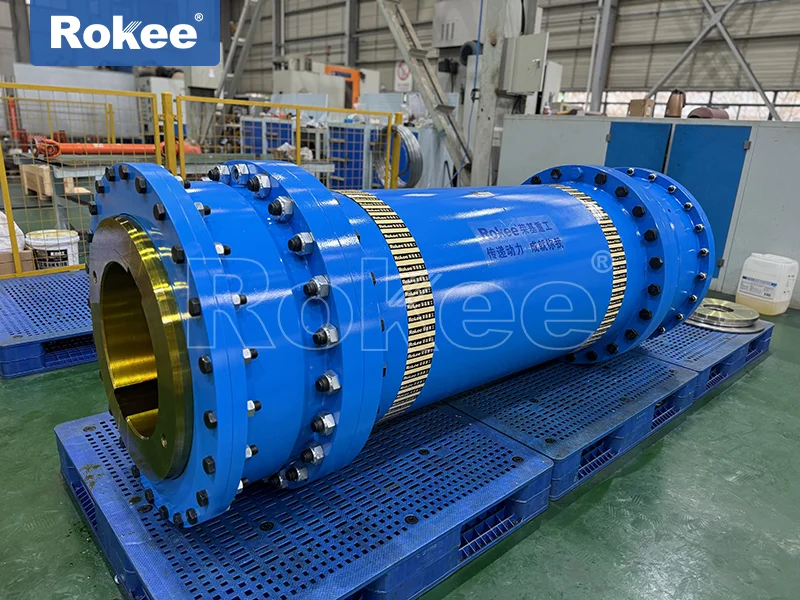
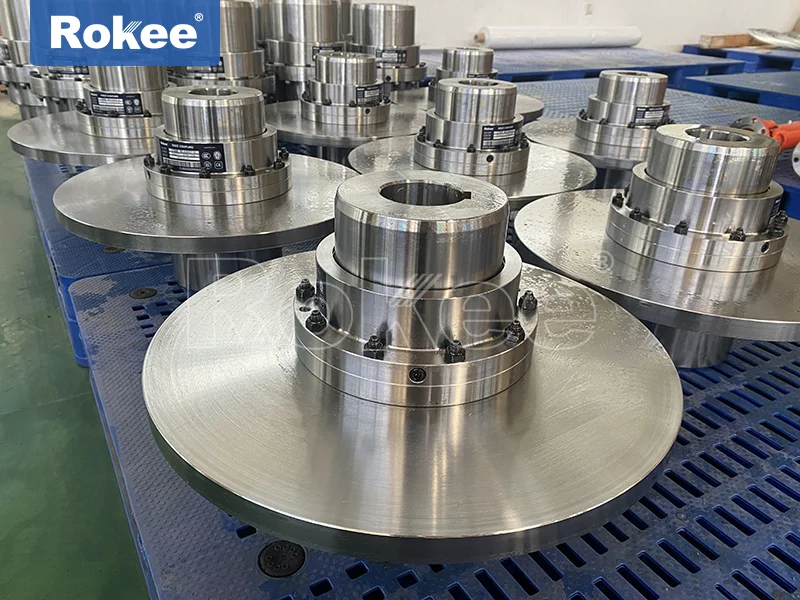
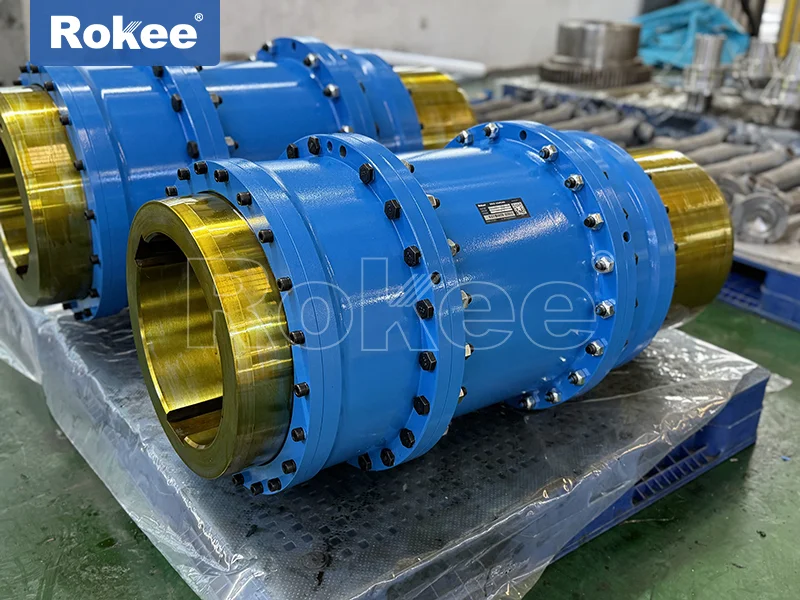
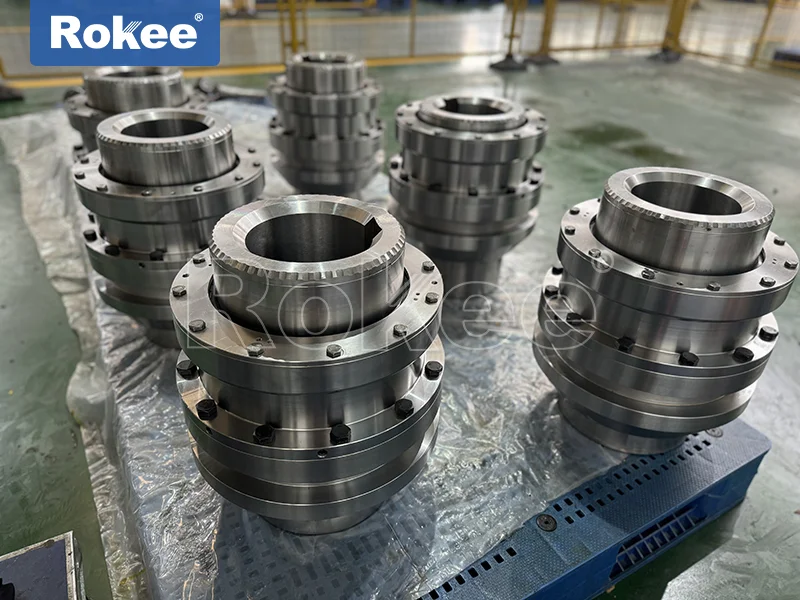
The basic structural composition of high precision gear couplings follows the mature gear meshing transmission logic, while every structural detail is optimized and polished for precision improvement. The core structure consists of two external gear hubs installed on the drive and driven shafts respectively and one or two internal gear rings matched with the external gears. All gear parts undergo ultra-precision machining and surface treatment, with strictly controlled tooth profile accuracy, tooth spacing uniformity and surface smoothness. The gear teeth are usually designed with a special crowned tooth profile, which subtly optimizes the meshing contact state between internal and external gear teeth. This improved tooth profile design avoids the rigid contact and edge wear of ordinary straight gear structures, and can automatically adapt to tiny displacement deviations between shafts during operation. The overall structure features high structural rigidity and compact layout, which effectively reduces the overall assembly volume while ensuring strong load-bearing capacity, and avoids additional motion errors caused by loose structural fit.
The working principle of high precision gear couplings is based on the continuous and stable meshing transmission between internal and external gear pairs. When the power source drives the drive shaft to rotate, the external gear hub fixed on the drive shaft rotates synchronously, and the torque and rotational power are stably transmitted to the internal gear ring through the uniform meshing of gear teeth, thereby driving the driven shaft and the connected equipment to operate synchronously. In this transmission process, multiple gear teeth participate in meshing and force bearing simultaneously, which disperses the transmission load on each tooth surface evenly and thoroughly avoids local stress concentration caused by single-point contact. This multi-tooth synchronous meshing mode not only greatly improves the torque transmission capacity of the coupling, but also ensures the uniformity of rotational speed output, realizing almost lossless power transmission with extremely high transmission efficiency. What distinguishes high precision gear couplings from ordinary gear couplings is the strict control of meshing backlash. Through precise machining and assembly matching, the internal clearance between meshing gear teeth is minimized, eliminating the idle rotation and motion delay caused by excessive backlash, which is the core guarantee for its high-precision transmission performance.
One of the most prominent performance advantages of high precision gear couplings is their excellent misalignment compensation capability under the premise of ensuring transmission accuracy. In actual mechanical assembly and long-term operation, absolute perfect alignment between drive and driven shafts is almost impossible to maintain. Assembly errors, equipment operation vibration, thermal deformation of metal parts during long-time high-load operation and slight structural settlement of equipment bases will lead to tiny angular deviation, parallel offset and axial displacement between the two connected shafts. Ordinary couplings are prone to severe transmission jitter, tooth surface wear and additional mechanical stress under such misalignment conditions, which seriously affects transmission accuracy and shortens service life. In contrast, high precision gear couplings rely on the flexible adaptation characteristics of the optimized gear meshing structure, which can effectively compensate for various tiny shaft misalignments during operation. This compensation function does not rely on flexible deformation of auxiliary materials, but is realized through the precise fit and micro-displacement adjustment of gear structures, so it will not cause attenuation of transmission rigidity or loss of motion accuracy, achieving a perfect balance between precise transmission and error compensation.
The precision advantages of this type of coupling are further reflected in its ultra-stable dynamic operation performance. In high-speed and variable-speed operation scenarios, ordinary transmission parts are easily affected by inertial force and load fluctuation, resulting in rotational speed fluctuation, motion jitter and resonance interference. High precision gear couplings adopt integrated precision machining technology for key components, with extremely low dimensional tolerance and shape and position tolerance of all parts. The overall structural rigidity is high, and the structural uniformity of gear teeth distribution and mass distribution is excellent, which effectively suppresses vibration and resonance during high-speed rotation. Even in the state of frequent start-stop, forward and reverse rotation and sudden load change, it can still maintain smooth and synchronous shaft rotation without obvious motion deviation. This stable dynamic performance ensures the consistency of mechanical motion trajectory and positioning accuracy, which is particularly critical for equipment that requires repeated precise positioning and continuous stable operation.
In terms of material selection and durability, high precision gear couplings adopt high-strength and high-toughness metal materials with excellent wear resistance and fatigue resistance. The key gear parts undergo multiple precision processing procedures such as fine grinding and precision honing after integral forming, and are matched with professional surface strengthening treatment processes. These processing technologies greatly improve the surface hardness, wear resistance and anti-fatigue performance of gear tooth surfaces, effectively reducing micro-wear and fatigue damage caused by long-term cyclic meshing. In continuous industrial operation environments, mechanical transmission parts often face erosion from dust, humid air and tiny impurities. The optimized surface treatment of high precision gear couplings also enhances their environmental adaptability, reducing oxidation corrosion and abrasive wear, and maintaining stable precision and structural integrity for a long time. Different from flexible couplings that rely on rubber or plastic parts for buffering and will age and deform over time, the all-metal precision structure of high precision gear couplings avoids precision attenuation caused by material aging, and can maintain consistent transmission accuracy and mechanical performance during long-cycle service.
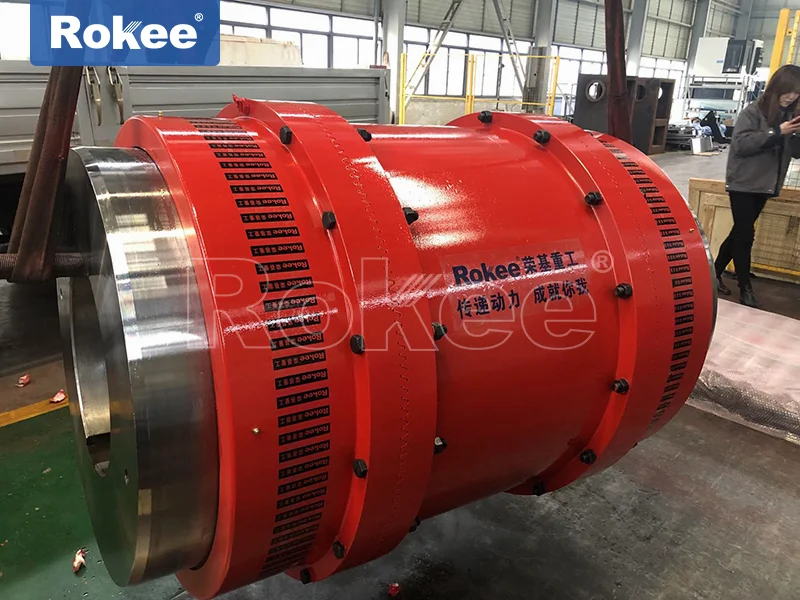
The application scenarios of high precision gear couplings cover almost all sophisticated mechanical fields that require high-precision power transmission and stable motion control. In precision automation equipment such as automated production lines, robotic transmission mechanisms and precision testing instruments, it ensures the synchronous coordination of multi-axis motion, avoiding positioning errors and motion jitter that may affect product processing accuracy and testing results. In high-speed rotating equipment including precision fans, high-speed pumps and turbine transmission systems, its stable high-speed operation performance and low vibration characteristics reduce equipment operation noise and mechanical loss, and improve the overall operational stability of the system. In heavy-duty precision mechanical equipment such as large precision machine tools and metallurgical transmission equipment, its strong load-bearing capacity and uniform torque transmission performance ensure stable power output under heavy load conditions, and avoid processing errors caused by load fluctuation and transmission deviation. In addition, in aerospace auxiliary transmission systems, precision medical equipment and other high-end fields with extremely high requirements for transmission accuracy and operational reliability, high precision gear couplings also show irreplaceable application value.
Scientific installation and standardized maintenance are crucial to give full play to the precision performance of high precision gear couplings. Although the product itself has excellent error compensation ability, reasonable alignment operation during installation can minimize the initial misalignment of the shaft system, reduce the adaptive adjustment load of the coupling in operation, and further extend the service life. During the assembly process, it is necessary to ensure the uniform fit of the connecting parts and avoid assembly stress caused by excessive clamping force or uneven assembly clearance, so as to prevent structural deformation and precision loss of precision parts. In daily operation and maintenance, regular inspection of the meshing state of gear teeth, the tightness of connecting structures and the lubrication state is required. Good lubrication can form a uniform oil film on the gear meshing surface, reduce friction and wear between tooth surfaces, avoid dry friction damage and precision attenuation, and also play a certain role in vibration buffering and noise reduction. Timely cleaning of surface dust and impurities can prevent abrasive particles from entering the meshing gap, ensuring long-term stable transmission accuracy.
Compared with diaphragm couplings, elastic pin couplings and other common precision transmission components, high precision gear couplings have unique comprehensive performance advantages. Diaphragm couplings have good precision but limited load-bearing capacity, making them difficult to adapt to high-load working conditions; elastic pin couplings have strong shock resistance but large transmission clearance and low precision stability. High precision gear couplings integrate high precision, high rigidity, high load-bearing capacity and good misalignment compensation performance, achieving a comprehensive balance of various mechanical properties. With the continuous upgrading of modern mechanical equipment towards high speed, high precision and high stability, the market demand for high precision gear couplings is constantly improving, and the technical iteration is also accelerating. The future development direction focuses on further reducing transmission backlash, improving dynamic balance performance, enhancing extreme environment adaptability and realizing longer maintenance cycles, so as to adapt to more sophisticated and harsh industrial application scenarios.
In conclusion, high precision gear couplings, with their optimized gear meshing structure, ultra-precision machining technology, stable dynamic transmission performance and excellent comprehensive mechanical properties, have become a key basic component in modern precision mechanical transmission systems. They not only solve many precision transmission problems existing in traditional coupling products, but also provide reliable power transmission and motion guarantee for the high-quality operation of various sophisticated mechanical equipment. With the continuous progress of mechanical manufacturing technology and the continuous improvement of industrial equipment precision requirements, high precision gear couplings will continue to play an important role in industrial manufacturing, precision equipment, aerospace and other fields, and become an indispensable core support for the development of high-end mechanical transmission technology.