Efficient Transmission Curved Tooth Coupling Adaptation Scheme For PU Sandwich Panel Line
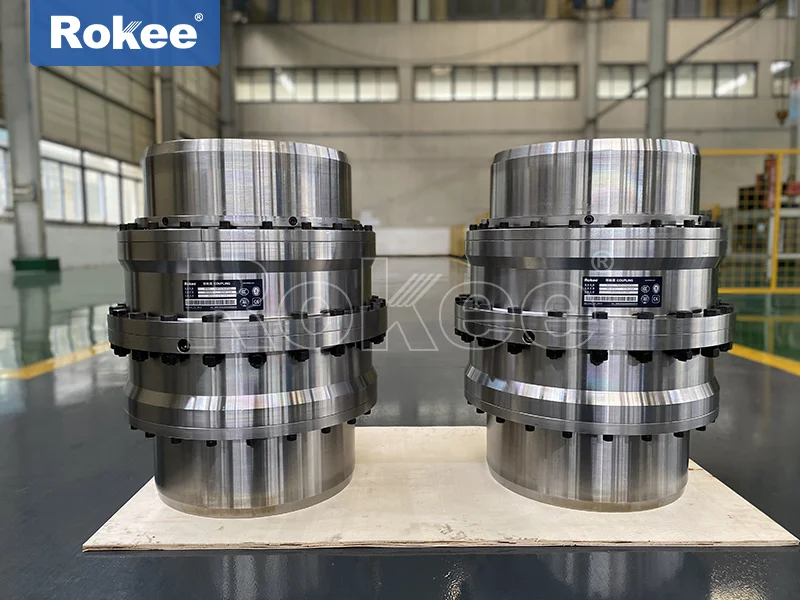
The continuous production process of PU sandwich panel lines puts forward stringent requirements for the stability, efficiency and durability of mechanical transmission systems. As the core connecting component of power transmission between driving motors, reduction gears and production execution mechanisms, the performance of shaft couplings directly determines the operating continuity and processing accuracy of the entire production line. Traditional straight-tooth couplings and rigid connection components are prone to transmission vibration, tooth edge wear, power loss and even structural failure under the comprehensive effects of variable load operation, frequent start-stop and slight shaft misalignment in PU sandwich panel production, which seriously restricts the overall production efficiency and increases equipment maintenance costs. The curved tooth coupling, with its unique arc tooth profile design and flexible compensation performance, can effectively solve the pain points of traditional transmission components in continuous industrial production, and its targeted adaptation to the working characteristics of PU sandwich panel line is of great significance for optimizing transmission efficiency, reducing equipment failure rate and extending the service life of production line equipment.
PU sandwich panel production is a typical continuous forming process, including raw material feeding, high-pressure foaming, continuous pressing, fixed-length cutting, surface finishing and automatic discharging. Each process link is closely linked and requires synchronous and stable power transmission support. In the actual production scenario, the production line will inevitably produce axial, radial and angular displacement deviations during long-term operation due to equipment installation errors, mechanical vibration, thermal expansion and contraction caused by long-time high-load operation, and structural aging of mechanical parts. These tiny displacement deviations will be amplified in the high-speed and continuous transmission process, leading to uneven stress on the contact parts of traditional couplings, local overload wear of tooth surfaces, increased transmission gap, and obvious vibration and noise during equipment operation. In severe cases, it will cause intermittent power transmission failure, resulting in inconsistent foaming density and plate forming thickness of PU sandwich panels, reducing product qualification rate, and even forcing the production line to stop for maintenance, bringing huge economic losses to continuous industrial production.
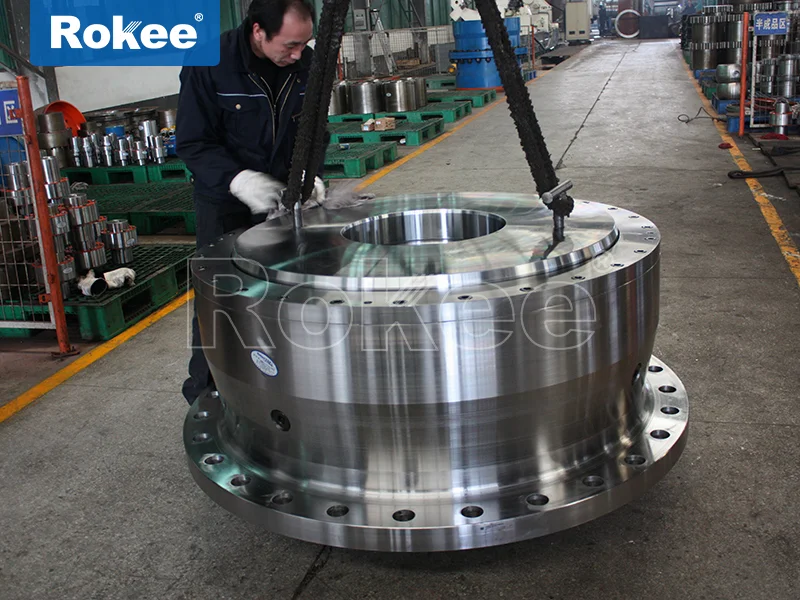
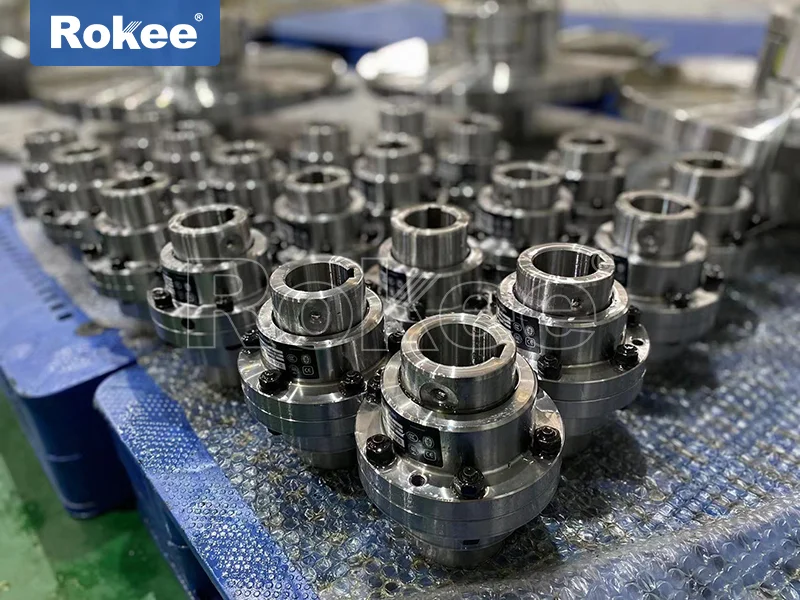
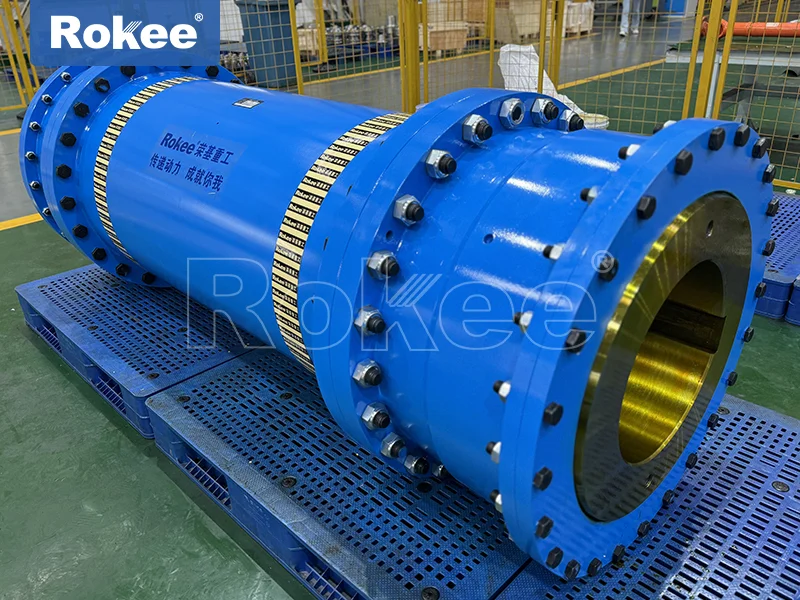
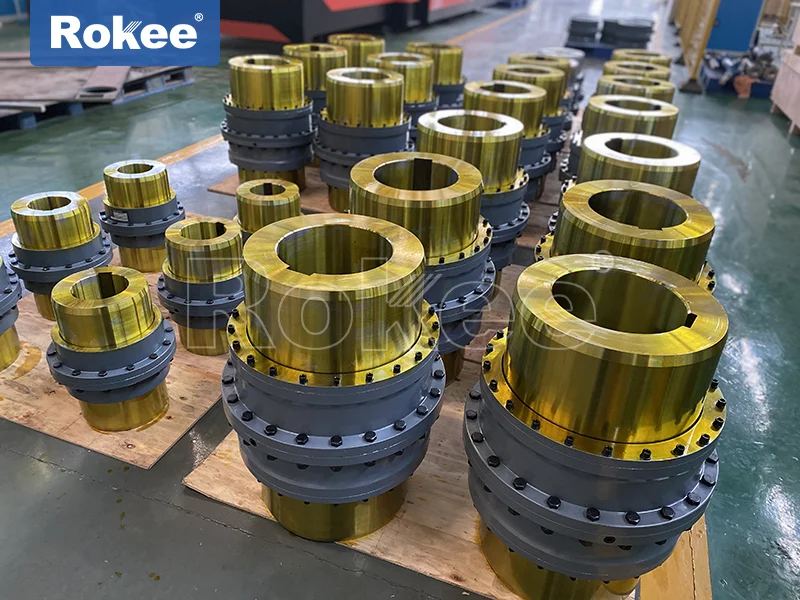
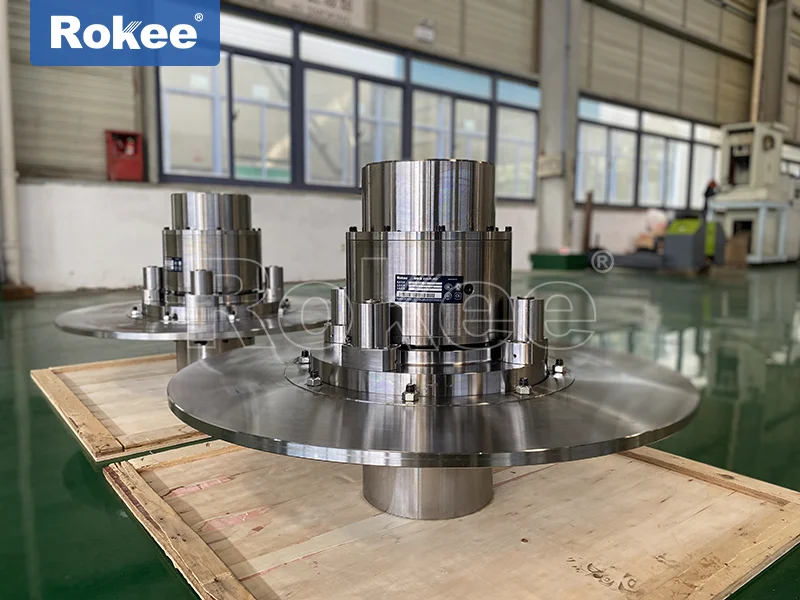
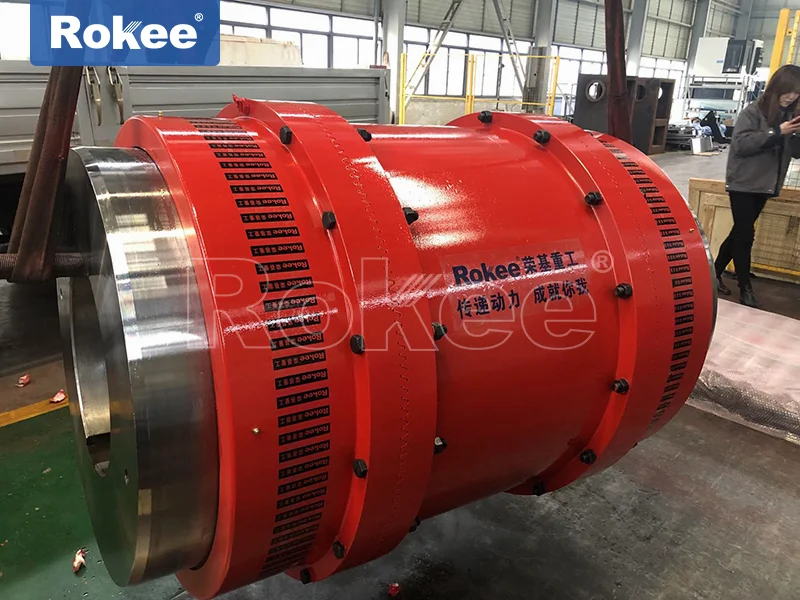
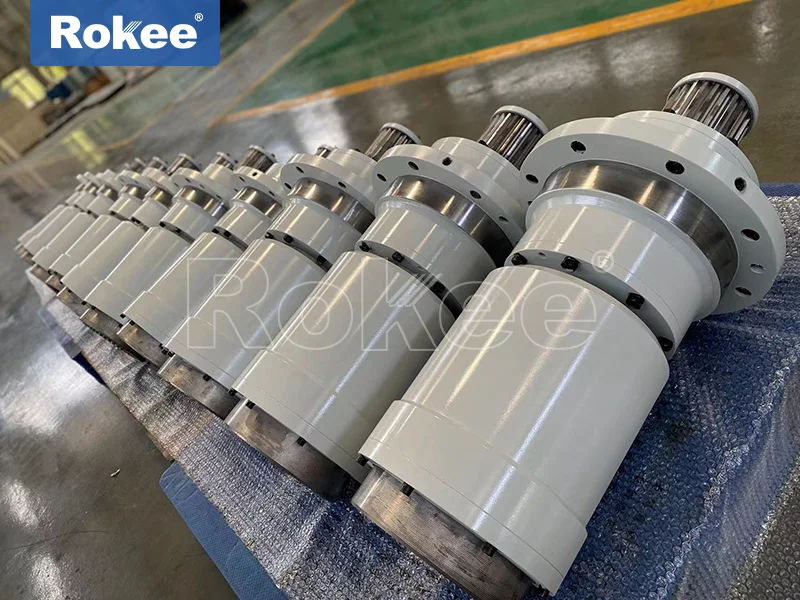
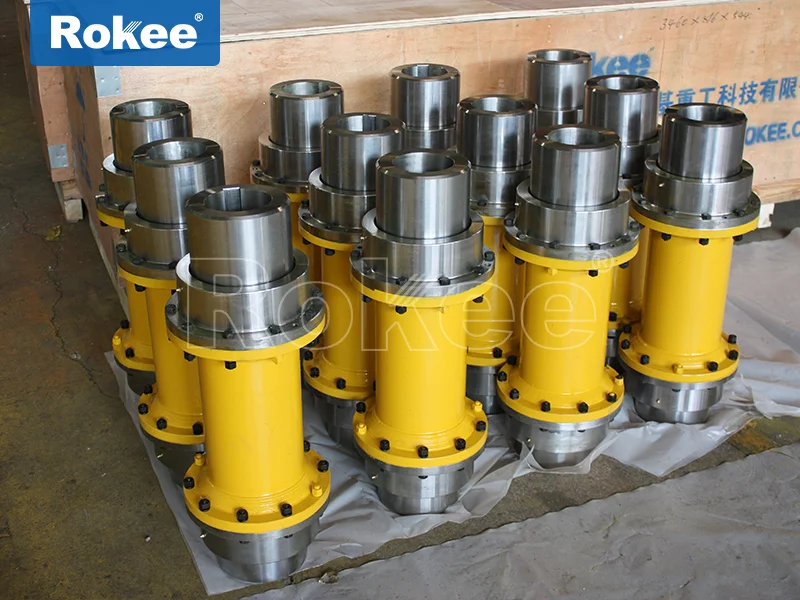
Different from traditional straight-tooth couplings, the core structural advantage of curved tooth couplings lies in the optimized arc tooth profile design of internal and external meshing teeth. The drum-shaped curved tooth structure enables the tooth surface to maintain large-area uniform contact during the meshing transmission process, rather than linear contact or local edge contact of straight teeth. This structural characteristic fundamentally improves the stress distribution state of the transmission tooth surface, avoids concentrated stress caused by shaft displacement, and greatly reduces the friction and wear degree of meshing parts in the power transmission process. When the PU sandwich panel line is in variable-load operation such as material sudden feeding, foaming pressure adjustment and pressing speed switching, the curved tooth meshing structure can buffer instantaneous load impact through slight flexible deformation of the tooth surface, realize smooth transition of transmission torque, effectively restrain transmission vibration and impact noise, and maintain the continuity and stability of power output. This efficient and anti-impact transmission performance is highly compatible with the dynamic load characteristics of PU sandwich panel continuous production lines.
The adaptation design of curved tooth coupling for PU sandwich panel line needs to fully match the full-cycle working conditions of production line operation, including low-speed high-torque operation in pressing and forming section, medium-speed stable transmission in feeding and conveying section, and frequent start-stop working state in cutting and finishing section. In the power transmission link of the pressing and forming mechanism, the equipment needs to output stable and large torque to ensure uniform foaming and compact forming of PU materials. The large contact area of the curved tooth surface can bear higher transmission torque under the same structural volume, realizing high-efficiency and low-loss torque transmission, avoiding power attenuation caused by tooth surface sliding friction, and ensuring the consistency of pressing pressure in the continuous forming process of sandwich panels. For the feeding and conveying mechanism that runs stably for a long time, the curved tooth coupling can compensate the tiny axis offset generated by long-term operation of the equipment in real time, keep the coaxiality of the driving and driven shafts within a reasonable range, avoid eccentric wear of transmission parts caused by long-term offset operation, and effectively extend the continuous operation cycle of the production line.
Aiming at the frequent start-stop and speed regulation working conditions of the fixed-length cutting and surface finishing section of PU sandwich panel lines, the adaptive advantages of curved tooth couplings are more prominent. Frequent start-stop will produce instantaneous torque impact on the transmission system, and traditional rigid couplings are easy to produce fatigue wear and structural deformation under repeated impact load, resulting in increased transmission clearance and reduced operation accuracy. The arc tooth profile of the curved tooth coupling has good dynamic adaptive performance. During start-up and speed switching, the tooth surface can realize gradual meshing and force bearing, avoid rigid impact of instantaneous torque, reduce the fatigue loss of transmission components, and maintain high-precision synchronous operation of the cutting mechanism and conveying mechanism. This stable dynamic transmission capability ensures the fixed-length cutting accuracy and surface finishing flatness of PU sandwich panels, and effectively improves the dimensional accuracy and surface quality of finished products.
In terms of structural adaptation and operation optimization, the modular structure of curved tooth couplings provides convenient conditions for the daily operation and maintenance of PU sandwich panel production line. The split design of gear hub and sleeve enables each component to be processed and replaced independently, without disassembling a large number of adjacent mechanical structures during maintenance and replacement, which greatly simplifies the equipment maintenance process and shortens the downtime maintenance time of the production line. For the multi-stage transmission structure of PU sandwich panel lines including motor transmission, reducer connection and roller drive, the curved tooth coupling can realize targeted matching of different transmission levels through optimizing tooth profile curvature, tooth surface hardness and structural size. In the high-speed low-torque transmission link of the motor end, the optimized small-curvature tooth profile is adopted to reduce meshing friction resistance and improve transmission efficiency; in the low-speed high-torque transmission link of the forming roller and pressing mechanism, the large-curvature thickened tooth surface structure is used to improve load-bearing capacity and impact resistance, realizing hierarchical efficient transmission of the entire production line power system.
The efficient transmission performance of curved tooth couplings is also reflected in the low energy loss characteristics in long-term continuous operation. In traditional transmission systems, the vibration, friction and meshing clearance of couplings will cause continuous energy loss, increasing the energy consumption of production line operation. The uniform contact meshing mode of curved tooth surfaces eliminates local sliding friction and meshing dead angles, reduces mechanical friction loss in the torque transmission process, and improves the mechanical transmission efficiency of the entire equipment. For PU sandwich panel lines that operate continuously for a long time, the low-loss transmission characteristic can effectively reduce the comprehensive energy consumption of equipment operation, realize energy-saving and efficient production, and improve the economic benefit of production while ensuring stable production capacity. In addition, the good wear resistance and structural stability of curved tooth couplings reduce the frequency of regular replacement of transmission parts, lower the long-term operation and maintenance cost of the production line, and improve the overall operational stability of the production system.
In view of the harsh working environment of PU sandwich panel production lines, including dust accumulation, tiny foam particle pollution and slight temperature change, the adaptive optimization of curved tooth couplings also includes targeted structural and process improvement. The compact closed meshing structure can effectively avoid the influence of external dust and foam debris on the meshing operation of tooth surfaces, prevent abrasive wear caused by particle invasion, and maintain long-term stable transmission accuracy. The optimized tooth surface processing technology improves the surface smoothness and hardness of the curved teeth, enhances corrosion resistance and wear resistance in industrial environments, and adapts to the long-term continuous operation requirements of industrial production lines. Compared with flexible couplings such as elastic sleeve couplings, curved tooth couplings have higher torsional rigidity and structural stability, will not produce elastic deformation failure under long-term high-load operation, and can maintain consistent transmission accuracy and efficiency in the full-service cycle, which is more suitable for high-precision and high-stability continuous production scenarios of PU sandwich panels.
The practical application effect of the adapted curved tooth coupling in PU sandwich panel lines shows that the optimized transmission scheme can effectively reduce the vibration amplitude and operation noise of the production line transmission system, significantly reduce the failure rate of transmission components, and extend the service life of core transmission parts by more than twice. The stable torque transmission and dynamic load buffering performance eliminate the product quality problems such as uneven foaming, inconsistent plate thickness and surface deviation caused by unstable transmission, and effectively improve the product qualification rate and production consistency. At the same time, the low-maintenance characteristic and convenient replacement structure of the curved tooth coupling reduce the downtime loss caused by equipment maintenance, greatly improve the continuous operation rate and comprehensive production efficiency of the production line, and realize the dual optimization of production efficiency and product quality.
In the future development of PU sandwich panel intelligent production lines, the efficient transmission adaptation scheme of curved tooth couplings will be further optimized combined with the intelligent operation requirements of production equipment. Through the refined optimization of tooth profile parameters, lightweight structural design and adaptive matching of intelligent transmission monitoring, the curved tooth coupling can realize more efficient and intelligent power transmission, adapt to the high-speed, precise and intelligent development trend of sandwich panel production, and provide more reliable mechanical transmission support for the upgrading and iteration of PU sandwich panel production technology. As a high-efficiency and high-stability transmission component, the curved tooth coupling has outstanding application advantages in continuous industrial production lines, and its targeted adaptation scheme for PU sandwich panel lines provides a reliable technical reference for solving the common transmission stability and efficiency problems of similar continuous forming production equipment.