Barrel Gear Coupling Is Compatible With PIR Sandwich Panel Production Line With Wide Versatility
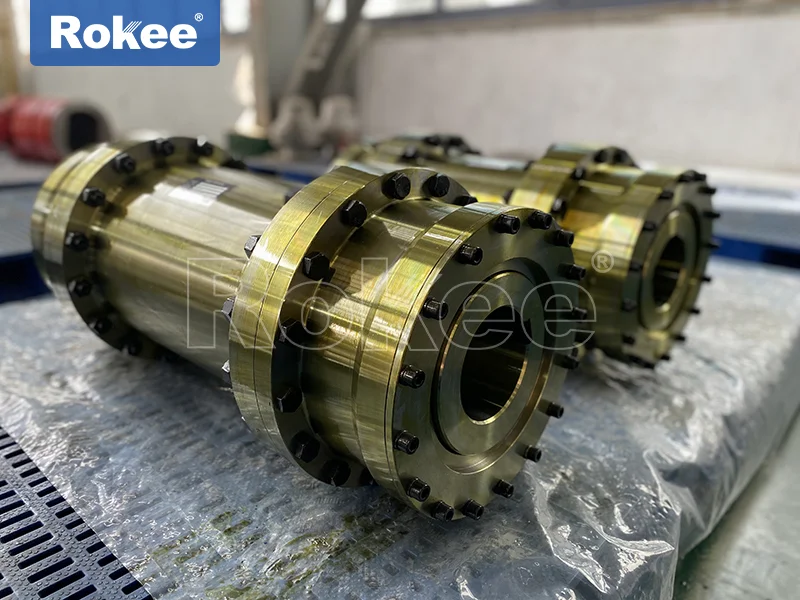
In the modern industrial production landscape, the efficiency, stability, and versatility of mechanical components directly determine the operational performance of entire production lines. Among these components, barrel gear couplings stand out as a critical connection element in power transmission systems, playing an indispensable role in ensuring the smooth and reliable operation of various industrial equipment. Particularly in the field of PIR sandwich panel production, where the production process involves multiple sequential steps and requires precise coordination between different mechanical units, the compatibility and versatility of barrel gear couplings have become increasingly prominent. These couplings not only seamlessly integrate with the complex structure of PIR sandwich panel production lines but also adapt to the diverse operating conditions and functional requirements of the production process, thereby enhancing production efficiency, reducing maintenance costs, and extending the service life of the entire production system. Understanding the intrinsic connection between barrel gear couplings and PIR sandwich panel production lines, as well as the versatile characteristics that make this compatibility possible, is essential for optimizing production processes, improving product quality, and promoting the sustainable development of the PIR sandwich panel industry.
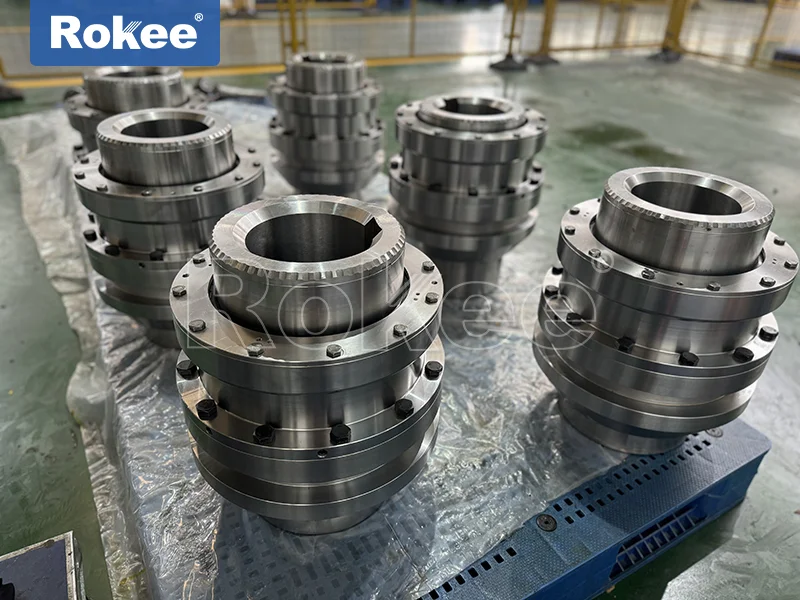
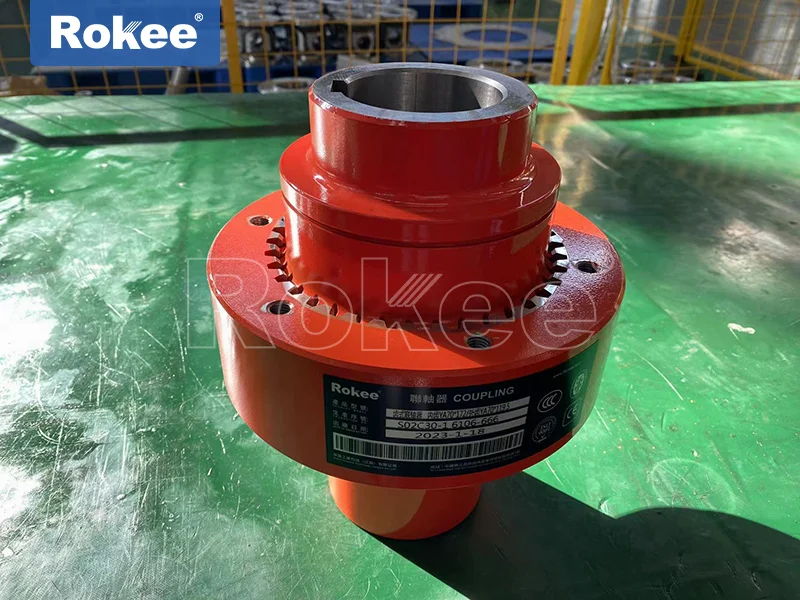
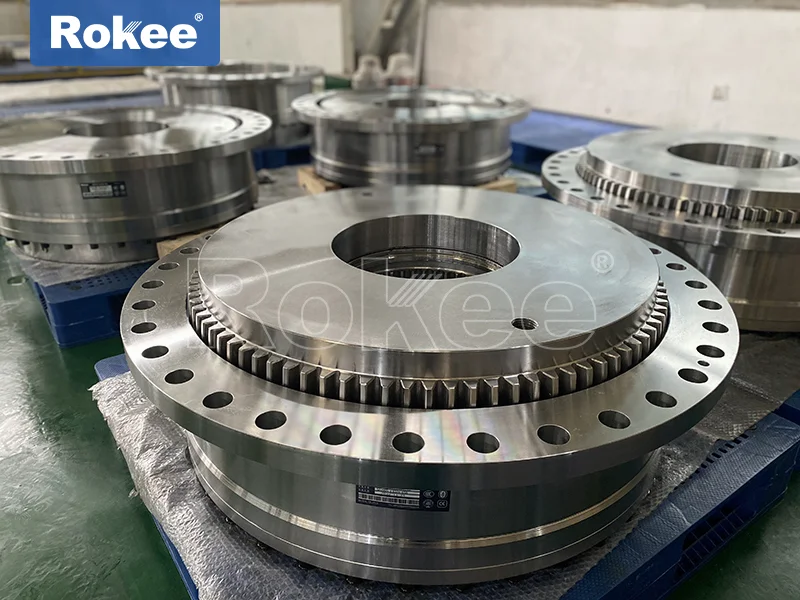
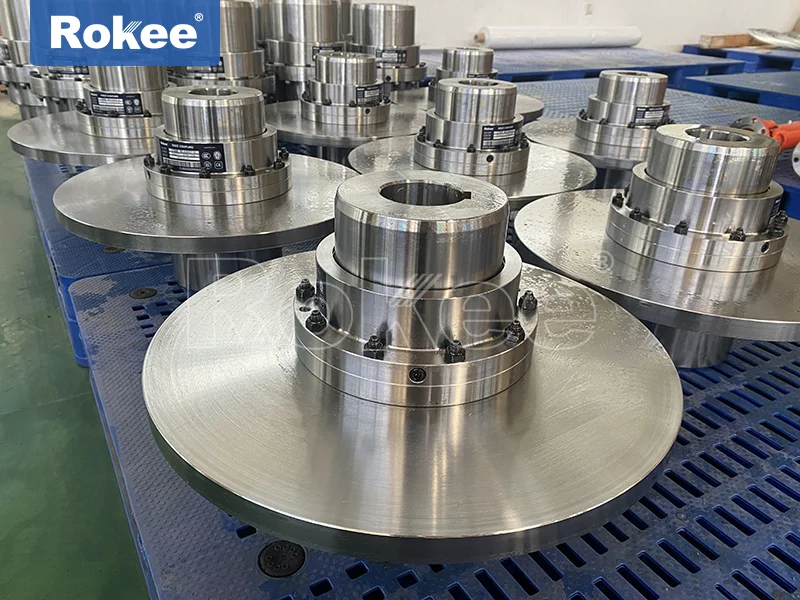
To fully appreciate the compatibility between barrel gear couplings and PIR sandwich panel production lines, it is first necessary to understand the core working principles and structural characteristics of barrel gear couplings. A barrel gear coupling is a type of flexible coupling designed to transmit torque between two shafts while accommodating a certain degree of misalignment, absorbing shocks, and reducing vibration. Its core structure consists of an inner gear ring and an outer gear sleeve, with the key innovation lying in the unique barrel-shaped tooth design. Unlike traditional straight-tooth couplings, the barrel-shaped teeth of this coupling allow for three types of deviation compensation: radial deviation compensation, angular deviation compensation, and axial float. Radial deviation compensation enables the coupling to accommodate a certain radial displacement between the two shafts, usually up to ±1.5% of the coupling's outer diameter; angular deviation compensation can handle a maximum deflection angle of 1.5° to 3°, adapting to installation errors or thermal deformation of the shaft system; and axial float allows for a certain degree of axial movement, avoiding additional loads caused by equipment vibration. This structural design not only ensures efficient torque transmission but also protects the connected shafts and bearings from excessive stress, laying a solid foundation for its compatibility with PIR sandwich panel production lines.
The PIR sandwich panel production line is a complex automated system that integrates multiple technologies, including mechanics, chemistry, electrical control, hydraulics, pneumatics, and temperature control. The production process typically includes uncoiling, roll forming, preheating, high-pressure foaming, curing, cooling, cutting, stacking, and packaging, each step requiring precise coordination between different mechanical components. The key mechanical units in the production line include decoilers, roll forming systems, foaming stations, conveyor belts, cutting equipment, and stacking machines, all of which rely on power transmission systems to operate in sync. The power transmission between these units requires a coupling that can adapt to different operating speeds, torque requirements, and installation environments, and barrel gear couplings perfectly meet these needs. Their ability to transmit high torque while compensating for misalignment ensures that power is transferred stably and efficiently between each mechanical unit, avoiding operational failures caused by power loss or shaft misalignment.
One of the key reasons for the excellent compatibility between barrel gear couplings and PIR sandwich panel production line is their ability to adapt to the diverse operating conditions of the production process. The PIR sandwich panel production process involves significant variations in operating parameters, such as changes in production speed, fluctuations in torque requirements, and variations in operating temperature. For example, during the roll forming process, the roll forming system needs to operate at a stable speed to ensure the uniformity of the panel's surface profile, requiring the coupling to maintain stable torque transmission even at varying speeds. During the high-pressure foaming stage, the foaming system operates under high pressure, generating certain vibrations and shocks, which the barrel gear coupling can absorb effectively through its flexible structure, reducing the impact on the connected shafts and equipment. Additionally, the production line operates continuously for long periods, meaning the coupling must have excellent wear resistance and durability to withstand prolonged use without frequent maintenance. Barrel gear couplings are typically made of high-strength alloy materials,underwent precision machining and heat treatment, which gives them high hardness, wear resistance, and corrosion resistance, enabling them to operate stably in the harsh operating environment of PIR sandwich panel production lines for extended periods.
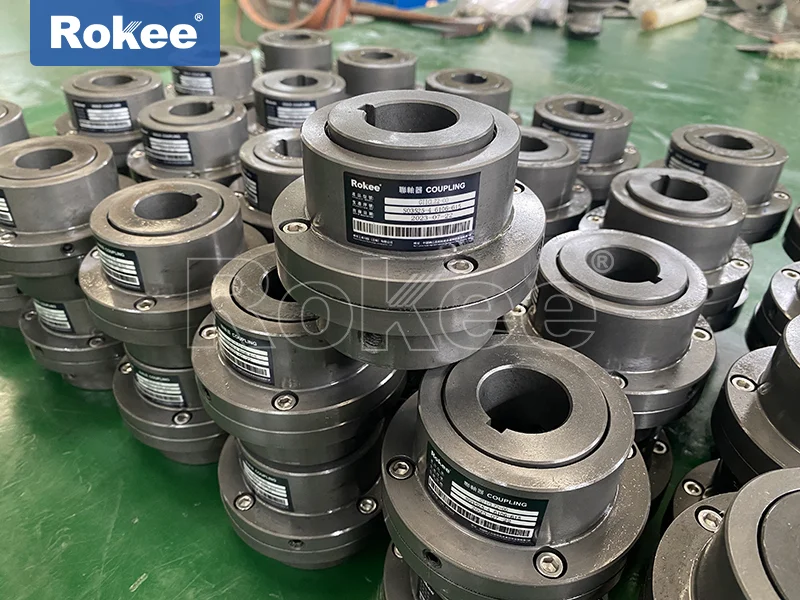
Another important aspect of the compatibility between barrel gear couplings and PIR sandwich panel production lines is their ability to integrate with different types of mechanical equipment in the production line. The PIR sandwich panel production line consists of various types of mechanical equipment with different structural designs and power requirements, such as decoilers that uncoil metal sheets, roll forming machines that shape the sheets, and conveyor belts that transport the panels through each production stage. Each of these devices has different shaft sizes, connection methods, and torque transmission requirements, and barrel gear couplings can be customized to meet these diverse needs. They are available in a wide range of sizes and specifications, and their connection methods can be adjusted according to the specific requirements of the equipment, ensuring a perfect fit with each mechanical unit in the production line. For example, for the decoiler, which requires precise control of the uncoiling speed, a barrel gear coupling with high torque transmission accuracy can be selected to ensure the stability of the uncoiling process; for the conveyor belt, which operates at a relatively low speed but requires large torque, a coupling with strong load-bearing capacity can be chosen to meet the power transmission needs. This flexibility in customization makes barrel gear couplings highly compatible with the diverse equipment in PIR sandwich panel production lines.
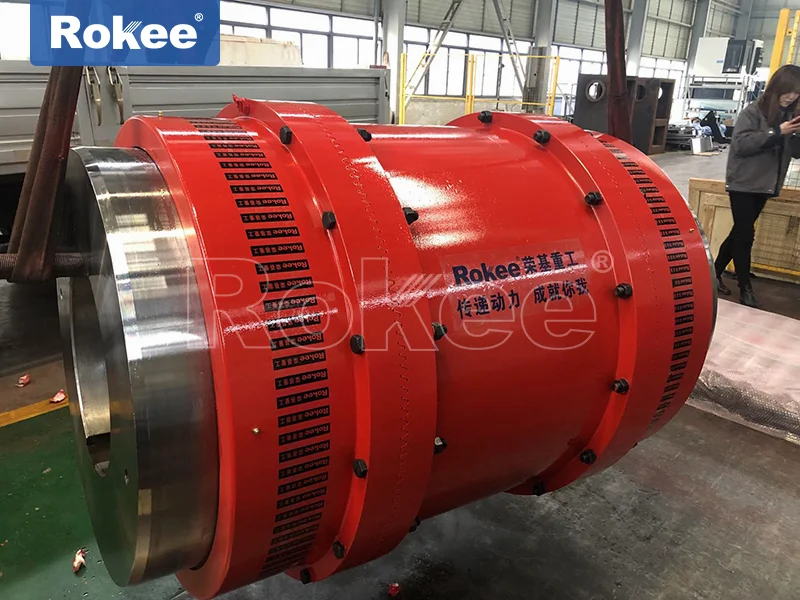
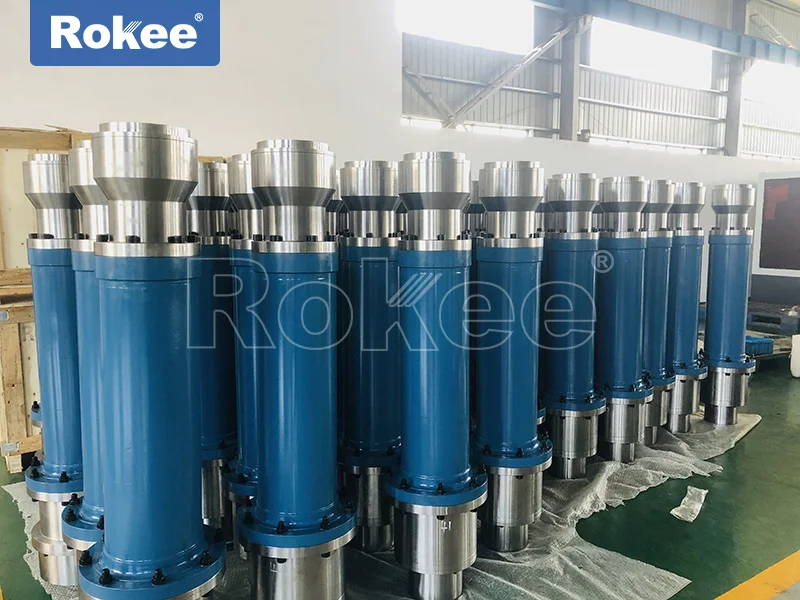
The wide versatility of barrel gear couplings further enhances their compatibility with PIR sandwich panel production lines and expands their application scope within the production process. Versatility, in this context, refers to the ability of the coupling to adapt to different production scenarios, process requirements, and equipment configurations, as well as its ability to be used in other industrial fields. In PIR sandwich panel production lines, barrel gear couplings are not only used in the main power transmission systems of key equipment but also in auxiliary systems such as the drive mechanisms of auxiliary conveyors, the adjustment mechanisms of roll forming machines, and the lifting mechanisms of stacking machines. Their ability to adapt to different torque and speed requirements allows them to play a role in various parts of the production line, improving the overall operational efficiency of the system. Moreover, barrel gear couplings are not limited to PIR sandwich panel production lines; they can also be used in other related industrial fields, such as the production of PU sandwich panels, metal composite panels, and other building materials, as well as in heavy machinery, metallurgical equipment, and conveyor systems. This versatility not only reduces the cost of equipment procurement and maintenance for enterprises but also enhances the flexibility and adaptability of the production line, enabling enterprises to adjust their production processes and product types according to market demand.
The application of barrel gear couplings in PIR sandwich panel production lines also brings significant practical benefits to enterprises. Firstly, their high stability and reliability reduce the frequency of equipment failures, minimizing production downtime and improving production efficiency. In the continuous production process of PIR sandwich panels, even a short period of downtime can lead to significant losses, and the use of barrel gear couplings ensures the smooth operation of the production line, reducing the risk of unplanned shutdowns. Secondly, their ability to compensate for shaft misalignment and absorb shocks reduces the wear and tear of connected equipment, extending the service life of the entire production line and reducing maintenance costs. Traditional couplings often suffer from rapid wear due to inability to compensate for misalignment, leading to frequent replacement and maintenance, which increases enterprise costs. Barrel gear couplings, with their unique structural design, reduce wear and tear, lowering maintenance frequency and costs. Thirdly, their versatility and compatibility allow enterprises to reuse the couplings when upgrading or modifying the production line, reducing the investment in new equipment and improving the economic benefits of the enterprise.
To ensure the optimal performance of barrel gear couplings in PIR sandwich panel production lines, proper installation, use, and maintenance are essential. During installation, it is necessary to ensure the correct alignment of the coupling and the connected shafts, avoiding excessive misalignment that could affect the coupling's performance and service life. The installation process should also pay attention to the tightness of the connection bolts, ensuring that the coupling is firmly fixed to prevent loosening during operation. In terms of use, it is important to monitor the operating status of the coupling regularly, including checking for abnormal vibrations, noises, or temperature rises, which could indicate potential faults. Additionally, regular lubrication is necessary to reduce friction between the gear teeth and ensure smooth operation. The choice of lubricating oil should be based on the operating conditions of the production line, such as temperature and load, to ensure optimal lubricationeffect. During maintenance, worn or damaged parts should be replaced in a timely manner to prevent further damage to the coupling and connected equipment. Proper maintenance not only extends the service life of the barrel gear coupling but also ensures its continued compatibility and performance in the PIR sandwich panel production line.
In the context of the growing demand for energy conservation, environmental protection, and high-efficiency production in the modern industrial sector, the role of barrel gear couplings in PIR sandwich panel production lines is becoming increasingly important. As a key component of the power transmission system, their compatibility and versatility not only ensure the smooth operation of the production line but also contribute to the improvement of product quality and production efficiency. With the continuous development of PIR sandwich panel technology, the production line will become more automated, intelligent, and efficient, which will place higher requirements on the performance of barrel gear couplings. In response to these requirements, the design and manufacturing of barrel gear couplings will continue to innovate, with improvements in materials, structural design, and performance to better adapt to the evolving needs of PIR sandwich panel production lines. For example, the use of new high-strength, lightweight materials will reduce the weight of the coupling while improving its load-bearing capacity; the optimization of the gear tooth design will further enhance its deviation compensation ability and torque transmission efficiency; and the integration of intelligent monitoring technology will enable real-time monitoring of the coupling's operating status, facilitating timely maintenance and fault diagnosis.
Furthermore, the wide versatility of barrel gear couplings means that they can adapt to the integration of new technologies and equipment in PIR sandwich panel production lines. For instance, as the industry moves towards more energy-efficient production, the adoption of closed-loop heating systems in PIR sandwich panel production lines requires the power transmission system to adapt to new temperature control requirements and operating parameters. Barrel gear couplings, with their ability to withstand varying temperatures and adapt to different torque requirements, can seamlessly integrate with these new systems, ensuring the stable operation of the energy-saving production line. Similarly, the introduction of intelligent control systems in the production line, which requires precise coordination between different mechanical units, relies on the stable and efficient power transmission provided by barrel gear couplings to achieve accurate control of the production process.
In conclusion, barrel gear couplings exhibit excellent compatibility with PIR sandwich panel production lines, thanks to their unique structural design, high stability, and ability to adapt to diverse operating conditions. Their wide versatility allows them to be used in various parts of the production line and even in other related industrial fields, bringing significant economic and operational benefits to enterprises. As the PIR sandwich panel industry continues to develop, the role of barrel gear couplings will become more prominent, and their continuous innovation and improvement will further enhance the efficiency, stability, and sustainability of PIR sandwich panel production lines. By understanding and leveraging the compatibility and versatility of barrel gear couplings, enterprises can optimize their production processes, reduce costs, and gain a competitive edge in the market. The integration of barrel gear couplings into PIR sandwich panel production lines is not only a reflection of the advancement of mechanical component technology but also a key factor in promoting the healthy and sustainable development of the entire PIR sandwich panel industry.