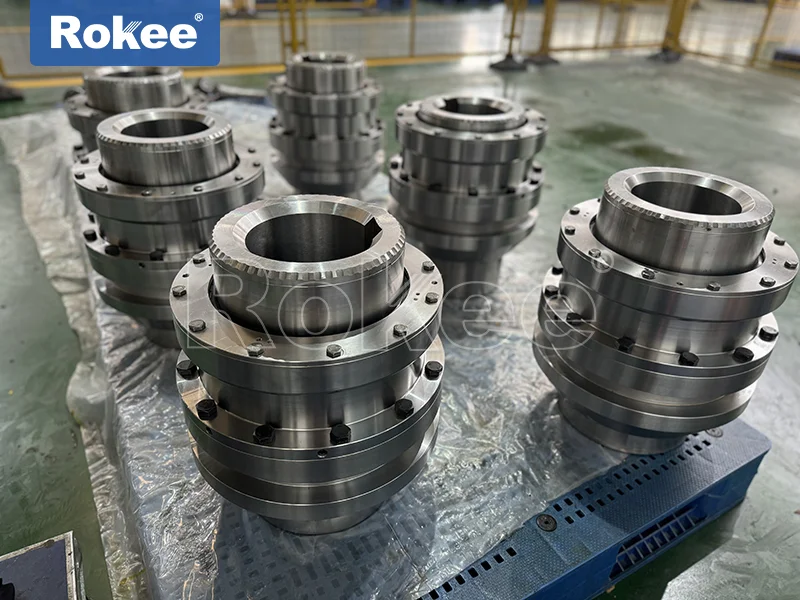
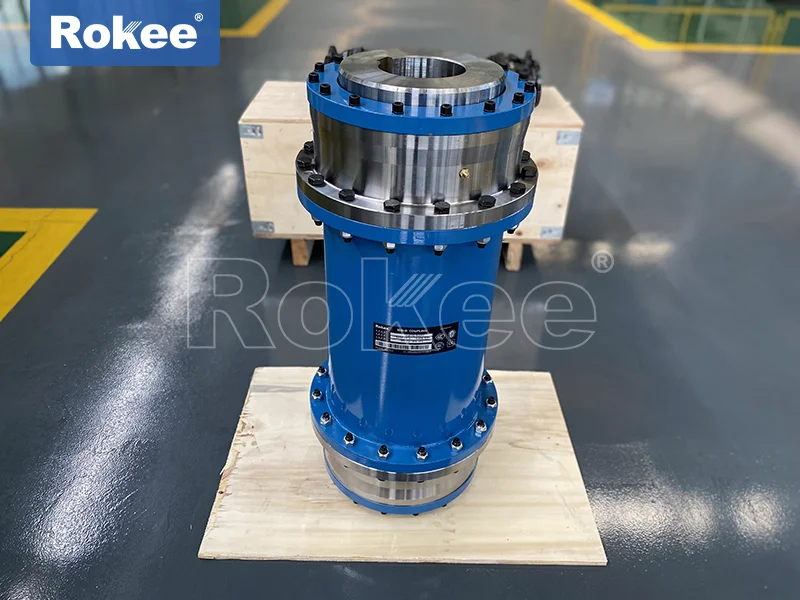
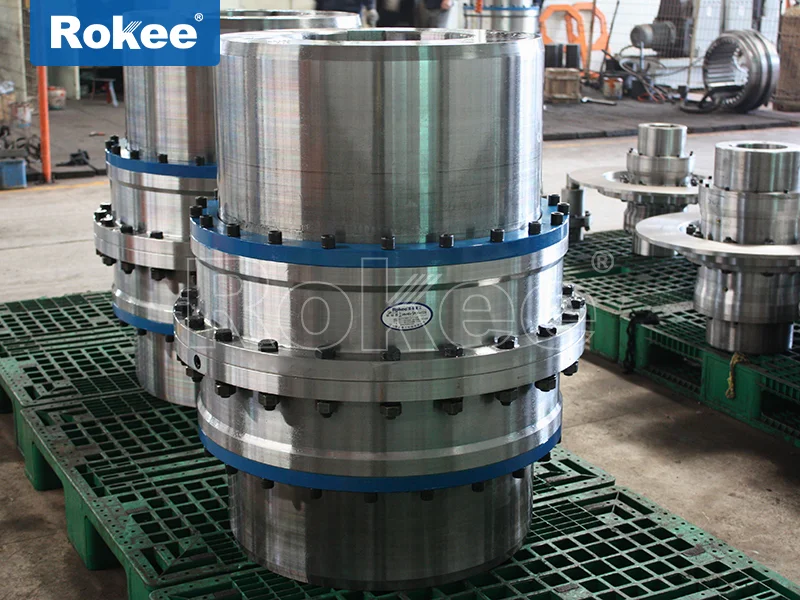
High Speed Gear Coupling
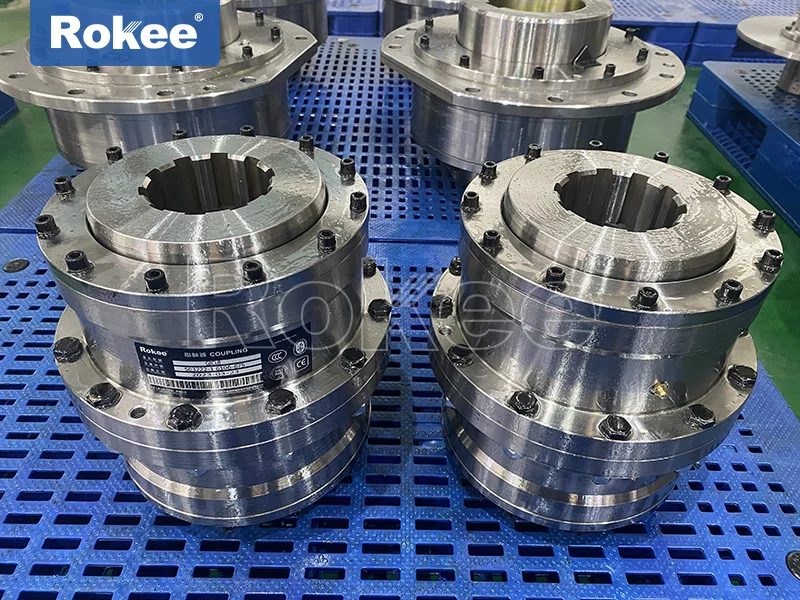
In the realm of mechanical power transmission, high speed gear couplings stand as critical components that bridge rotating shafts, transfer substantial torque, and maintain operational stability under extreme rotational speeds and heavy load conditions. Unlike standard low-speed couplings, these precision-engineered devices are purpose-built to address the unique challenges of high-RPM machinery, balancing torque transmission efficiency, misalignment compensation, vibration damping, and long-term durability. Every aspect of their design, from internal tooth profiles to material selection and assembly configuration, is optimized to withstand the dynamic stresses, centrifugal forces, and thermal fluctuations inherent to high-speed operation, making them indispensable across heavy industry, energy production, marine engineering, and precision manufacturing sectors.
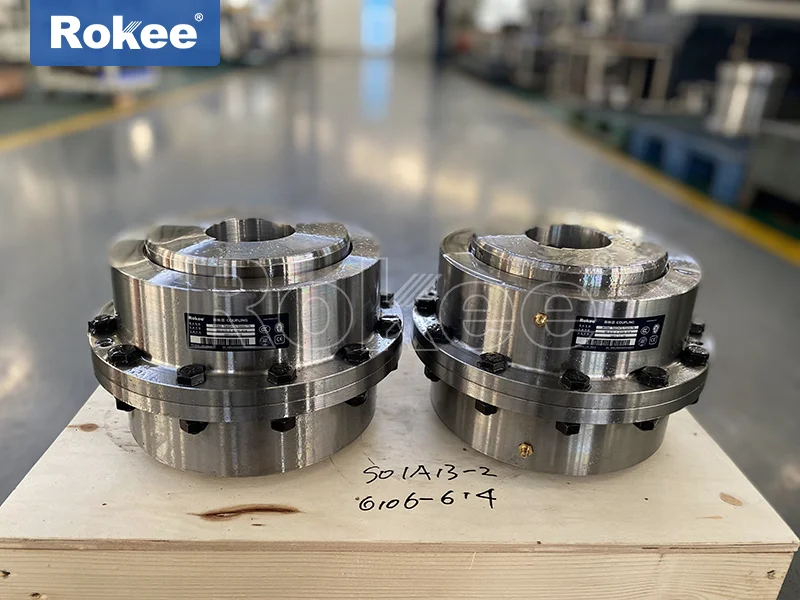
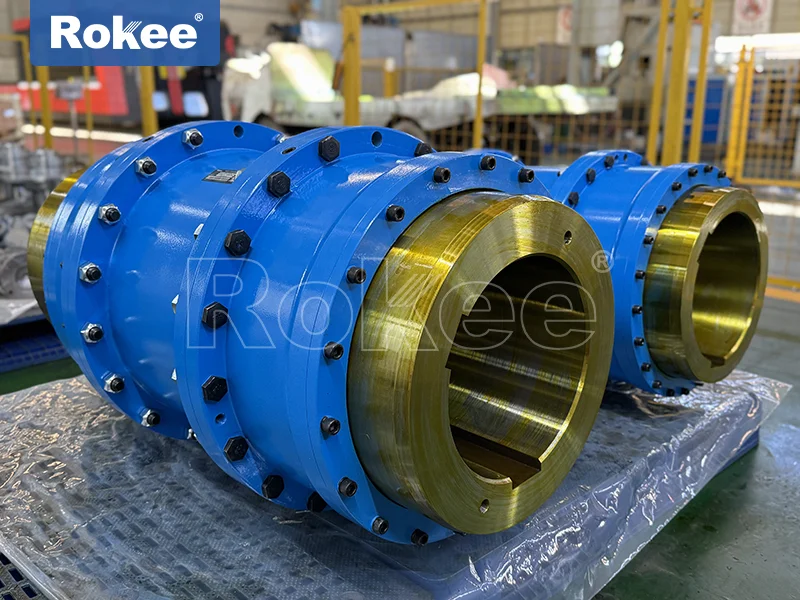
At its core, a high speed gear coupling operates on the fundamental principle of meshing external and internal gear teeth to transmit torque while accommodating minor shaft misalignments that occur naturally in mechanical systems. The basic structural framework consists of two key hub assemblies, each fitted with precision-machined external gear teeth, and one or two sleeve components equipped with matching internal gear teeth that encase the hub teeth. The hubs are securely mounted to the driving and driven shafts via keyways, interference fits, or clamping mechanisms, ensuring a rigid connection that prevents slippage even at maximum operating speeds. The sleeve components, which form the mating gear interface, are typically joined together with high-strength fasteners to create a unified transmission unit, with sealed cavities designed to retain lubrication and prevent contamination from dust, moisture, or abrasive particles in industrial environments. A defining structural feature of high speed variants, as opposed to conventional gear couplings, is the refined tooth profile design: most high-speed models utilize crowned external teeth instead of straight spur teeth, a modification that creates a curved contact surface between the hub and sleeve teeth. This crowning geometry eliminates edge contact and stress concentration during angular or radial misalignment, distributing load evenly across the entire tooth surface and reducing wear, noise, and fatigue failure risks at high RPMs. Additionally, high speed gear couplings incorporate precision balancing into every component, with tight tolerances for concentricity, tooth pitch, and surface finish to minimize rotational imbalance, which is critical for avoiding excessive vibration and bearing damage in high-speed machinery. The materials used in their construction are equally specialized, typically high-grade alloy steels that undergo rigorous heat treatment processes such as quenching and tempering to enhance hardness, tensile strength, and fatigue resistance; these materials can withstand the high centrifugal forces and cyclic loading associated with continuous high-speed operation without deformation or structural degradation. Sealing systems are another vital structural element, with advanced labyrinth seals or contact seals integrated into the sleeve assemblies to lock in lubricant and block external contaminants, ensuring consistent lubrication between meshing teeth and extending the service life of the coupling under demanding operating conditions.
The performance characteristics of high speed gear couplings are tailored to meet the stringent demands of high-RPM power transmission, setting them apart from other flexible coupling types and standard gear couplings. Foremost among these attributes is exceptional torque transmission capacity, even in compact physical dimensions; the meshing gear tooth design provides a large contact area, allowing the coupling to transfer heavy torque loads efficiently while maintaining a small footprint, making it ideal for machinery with limited installation space. Unlike rigid couplings, high speed gear couplings offer controlled flexibility to compensate for three primary types of shaft misalignment: angular misalignment, radial misalignment, and axial misalignment. The crowned tooth design enables smooth articulation between the hub and sleeve, accommodating small degrees of misalignment without compromising torque transfer or inducing excessive stress on connected shafts and bearings—a critical capability, as perfect shaft alignment is nearly impossible to maintain in real-world industrial settings due to thermal expansion, mechanical settling, and operational vibration. Another key performance trait is high operational efficiency, with minimal power loss during transmission; the precision-machined gear teeth and proper lubrication reduce friction between mating surfaces, resulting in energy transfer efficiency rates that approach maximum levels, a crucial factor for high-speed machinery where energy waste can lead to increased operating costs and overheating. High speed gear couplings also exhibit excellent dynamic stability, even at sustained high rotational speeds; the precision balancing and symmetric design minimize centrifugal force imbalances, reducing vibration and noise levels significantly compared to unbalanced or poorly designed couplings. This stability protects adjacent components such as motors, gearboxes, pumps, and turbines from premature wear and fatigue damage, lowering overall maintenance requirements and downtime. Furthermore, these couplings demonstrate strong thermal resistance, able to operate reliably across a wide range of temperatures without losing structural integrity or lubrication properties; the heat-treated alloy steel construction resists thermal expansion-related warping, while the sealed lubrication system maintains consistent viscosity and friction reduction even under elevated temperatures generated by high-speed meshing. Durability and fatigue resistance are also hallmark performance features, as the robust material composition and stress-optimized tooth design withstand repeated cyclic loading, shock loads, and continuous high-speed operation over extended service lives, outperforming many flexible coupling alternatives in heavy-duty, high-speed applications. It is important to note that while high speed gear couplings offer exceptional performance, they require proper lubrication maintenance to preserve these attributes; regular lubricant replenishment ensures consistent friction reduction and prevents tooth wear, preserving performance and longevity throughout the coupling’s lifecycle.
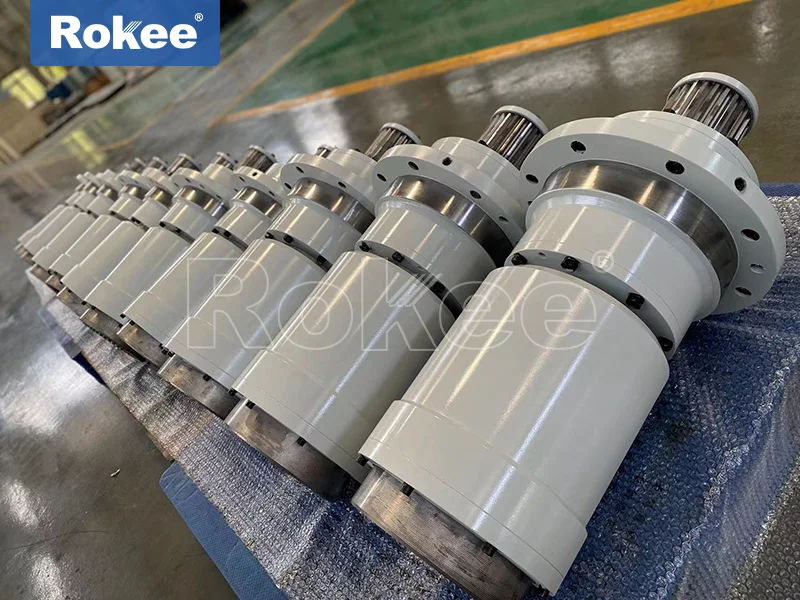
High speed gear couplings are categorized into distinct types based on structural design, misalignment compensation capabilities, application-specific configurations, and assembly style, each engineered to suit unique operational requirements and machinery setups. The most common classification is based on sleeve configuration, distinguishing between full gear couplings and half gear couplings. Full high speed gear couplings feature two hub assemblies with external teeth and two separate sleeve components with internal teeth, connected by fasteners to form a fully flexible unit; this design provides maximum flexibility to compensate for combined angular, radial, and axial misalignment, making it the most widely used type for general high-speed industrial applications where shaft alignment is variable. Half high speed gear couplings, by contrast, combine one toothed hub and one rigid, non-toothed hub, with only a single sleeve assembly; this design offers limited flexibility, typically compensating for only minor angular misalignment, and is used in applications where one side of the shaft system is fixed and minimal misalignment is expected, such as precision-driven machinery or directly coupled motor-pump units. Another major classification is based on tooth profile, separating crowned tooth gear couplings and straight tooth gear couplings, with crowned tooth models dominating the high-speed segment due to their superior misalignment tolerance, load distribution, and high-speed stability; straight tooth variants are rarely used for high-speed applications, as they are prone to edge stress and wear at elevated RPMs. High speed gear couplings can also be classified by axial movement capacity, with floating shaft gear couplings representing a specialized variant designed for applications where there is a significant distance between the driving and driven shafts; these couplings include an intermediate floating shaft between two sets of gear coupling hubs and sleeves, enabling torque transmission over longer spans while maintaining misalignment compensation and high-speed performance. Additionally, they are categorized by sealing and environmental adaptability, with standard open-design couplings for clean, controlled environments and fully enclosed, sealed couplings for harsh industrial settings with high levels of dust, moisture, or chemical exposure; sealed high-speed couplings feature enhanced sealing systems to protect internal gear components and retain lubrication, ensuring consistent performance in demanding conditions. Some specialized high speed gear couplings are also designed with reduced backlash properties, engineered with tighter tooth clearances to minimize rotational play, making them suitable for high-speed precision machinery where accurate torque transfer and positional synchronization are critical, such as in industrial automation, textile manufacturing, and precision milling equipment. Each classification is optimized to balance flexibility, torque capacity, speed rating, and environmental resistance, allowing engineers to select the ideal coupling type based on specific operational parameters, including rotational speed, torque load, misalignment magnitude, installation space, and environmental conditions.
The unique combination of high torque capacity, high-speed stability, misalignment compensation, and durability makes high speed gear couplings versatile components deployed across a vast array of industrial sectors where reliable high-RPM power transmission is essential. In the power generation industry, these couplings are widely used in turbine systems, including steam turbines, gas turbines, and hydro turbines, connecting turbine shafts to generators and gearboxes; their ability to operate at extremely high rotational speeds while transferring massive torque efficiently ensures stable power output and minimizes downtime in power plants, where continuous operation is critical. They are also employed in large-scale industrial compressors and pumps, particularly those used in oil and gas processing, chemical manufacturing, and water treatment facilities; high-speed pumps and compressors require couplings that can maintain performance under continuous high-RPM operation and compensate for shaft misalignment caused by thermal expansion, and high speed gear couplings meet these demands perfectly, ensuring consistent fluid flow and pressure without component failure. In marine engineering, high speed gear couplings are integral to propulsion systems for large vessels, connecting marine engines to propeller shafts and gearboxes; they withstand the harsh marine environment, including vibration from wave action and shaft misalignment from hull flexing, while delivering reliable torque transmission for efficient vessel movement. The heavy machinery and manufacturing sector relies heavily on these couplings for high-speed production equipment, including rolling mills in steel manufacturing, metal stamping presses, conveyor systems, and industrial mixers; these applications involve heavy torque loads and continuous high-speed operation, and the robust design of high speed gear couplings ensures uninterrupted production and reduces maintenance frequency in demanding manufacturing environments. In the aerospace and heavy transportation sectors, specialized high speed gear couplings are used in ground support equipment, test benches for aircraft engines, and heavy-duty vehicle transmission systems, where precision, high-speed performance, and durability are non-negotiable. Additionally, they find application in high-speed machine tools, such as precision lathes, milling machines, and grinding equipment, where accurate torque transfer and minimal vibration are critical for achieving tight machining tolerances and high-quality finished products; the low vibration and high stability of these couplings prevent machining errors and extend the life of cutting tools and machine components. Beyond these core sectors, high speed gear couplings are also used in wind turbine power trains, connecting rotor shafts to gearboxes and generators in wind energy systems, where they must operate reliably at variable high speeds under fluctuating load conditions, contributing to efficient renewable energy generation. Across all these applications, the primary value of high speed gear couplings lies in their ability to unify reliable torque transmission, high-speed operability, and misalignment compensation, solving the core challenges of power transmission in high-RPM machinery and ensuring the efficiency, reliability, and longevity of critical industrial equipment.
In summary, high speed gear couplings represent a pinnacle of precision mechanical engineering in the power transmission field, blending optimized structural design, high-performance materials, and specialized manufacturing techniques to meet the rigorous demands of high-speed rotational systems. Their well-engineered structure, featuring crowned gear teeth, balanced components, and sealed lubrication systems, delivers exceptional torque capacity, misalignment tolerance, dynamic stability, and durability, addressing the key limitations of other coupling types in high-RPM applications. The diverse classifications of these couplings allow for tailored solutions across a wide spectrum of industrial needs, from fully flexible designs for variable alignment conditions to specialized floating shaft models for long-distance power transmission. Their widespread adoption across power generation, marine, manufacturing, oil and gas, and renewable energy sectors underscores their irreplaceable role in modern industrial machinery, enabling efficient, reliable, and safe high-speed power transmission. As industrial technology continues to advance toward higher rotational speeds and heavier load requirements, the design and performance of high speed gear couplings will continue to evolve, with ongoing refinements in material science, tooth profile engineering, and sealing technology further enhancing their efficiency and service life. Understanding the structural fundamentals, performance characteristics, classification criteria, and practical applications of high speed gear couplings is essential for mechanical engineers, equipment designers, and maintenance professionals to select, install, and maintain these critical components effectively, ensuring optimal performance and minimizing operational disruptions in high-speed mechanical systems.