High Performance Curved Tooth Coupling
In the realm of mechanical power transmission, high performance curved tooth couplings stand as a cornerstone component, engineered to bridge rotating shafts, transfer torque efficiently, and accommodate unavoidable misalignments that occur in nearly all industrial machinery systems. Unlike rigid couplings that offer no flexibility and straight tooth gear couplings that suffer from uneven stress distribution and rapid wear under misaligned conditions, curved tooth couplings are purposefully designed with a unique tooth profile geometry that combines load-bearing strength, operational flexibility, and long-term durability, making them indispensable for heavy-duty, high-speed, and precision-critical applications across diverse industrial sectors.
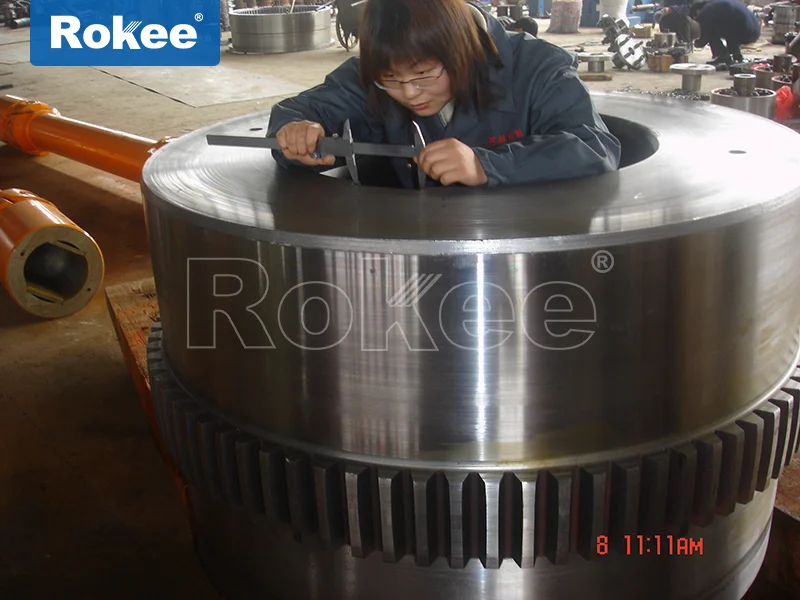
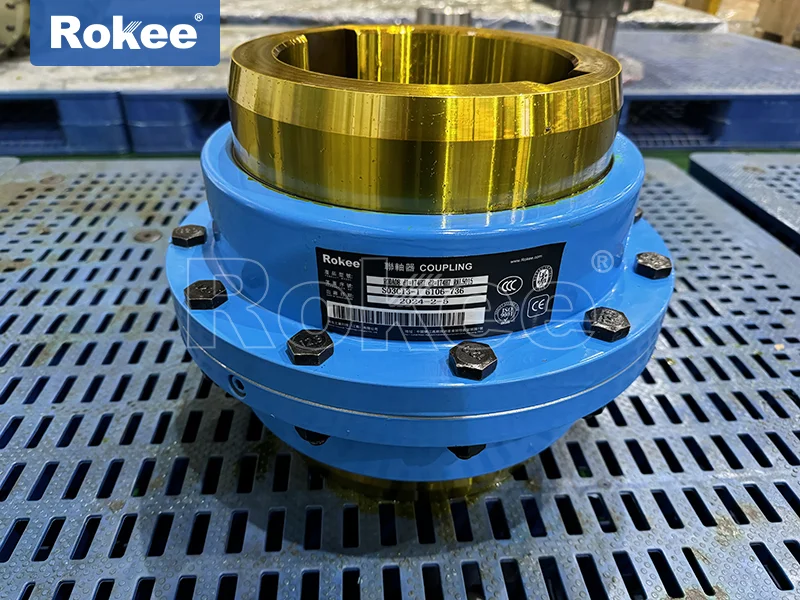
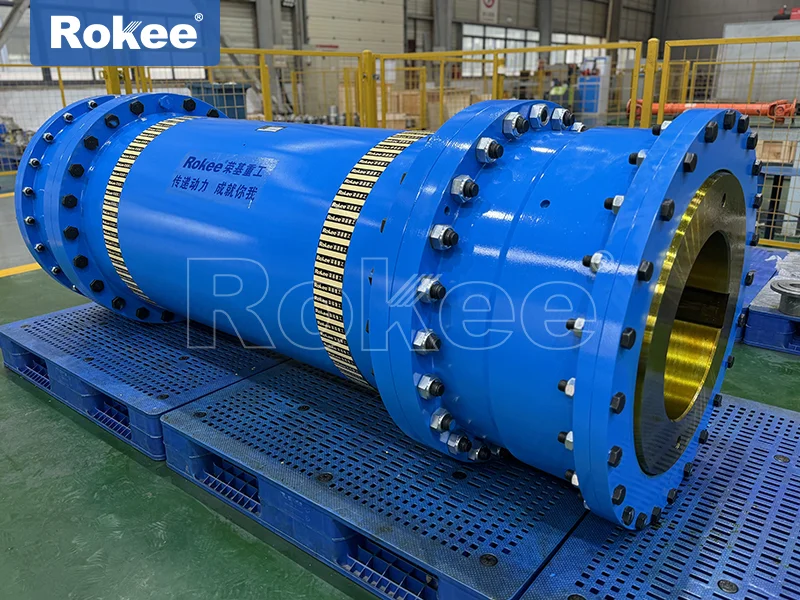
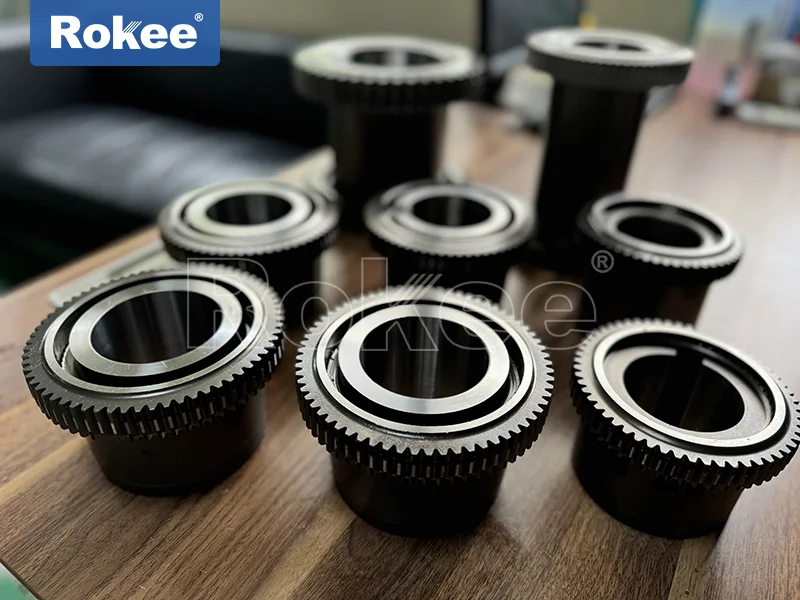
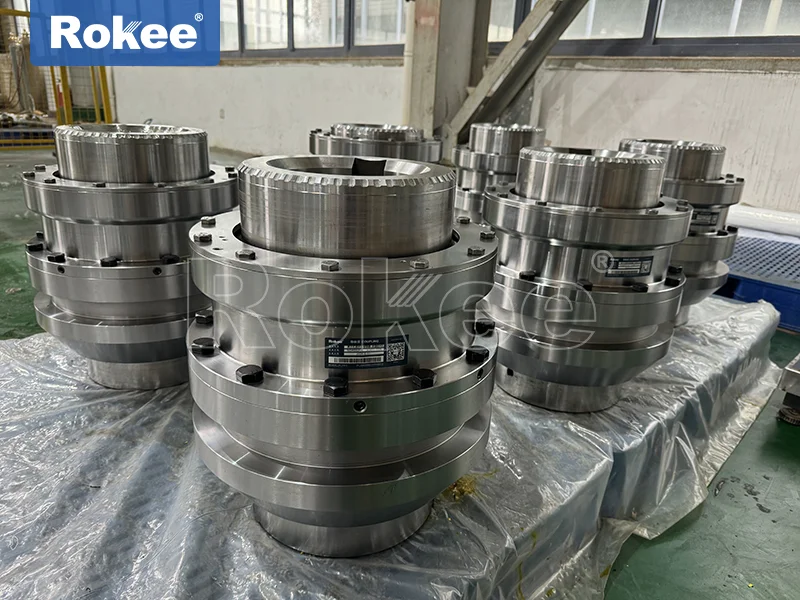
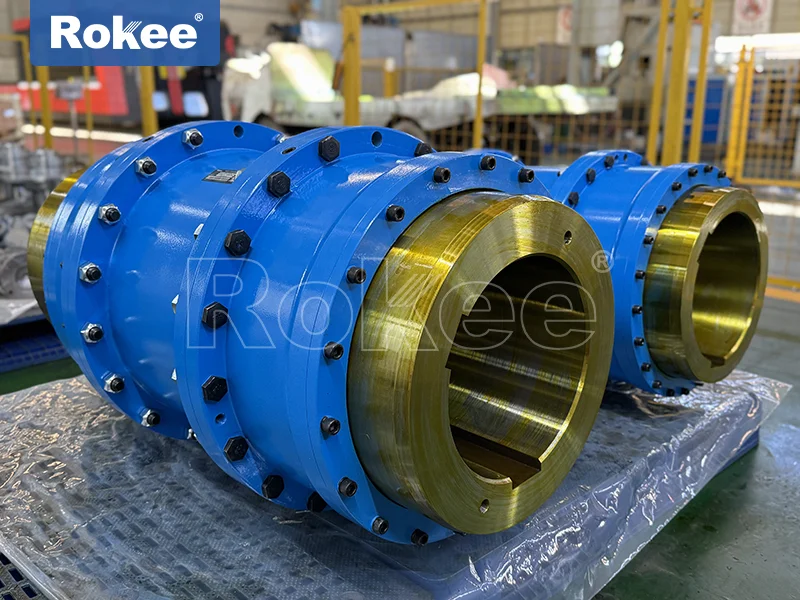
At its core, the fundamental structure of a high performance curved tooth coupling is relatively streamlined yet meticulously engineered, consisting of several key integrated parts that work in seamless harmony to deliver reliable power transmission. The primary components include two hub assemblies, each fitted with a set of external curved teeth, and a central sleeve or outer casing equipped with matching internal curved teeth that mesh precisely with the external teeth on the hubs. The defining structural feature that sets curved tooth couplings apart from conventional gear couplings is the spherical contour of the external teeth, with the center of this spherical curve aligned precisely along the central axis of the coupling and the connected shafts. This curved tooth design deviates sharply from the straight, cylindrical tooth profile of older coupling models, creating a larger, more uniform contact surface between meshing teeth during operation. Additional structural elements typically include sealing components, such as O-rings or protective end covers, to prevent lubricant leakage and block the ingress of external contaminants like dust, moisture, and abrasive particles; these seals are critical for maintaining internal lubrication and preserving the integrity of the tooth surfaces over extended service life. Some variants also incorporate flexible mounting interfaces or adaptive hub designs to suit different shaft connection methods, including keyway locking, interference fit, and clamping mechanisms, ensuring compatibility with a wide range of shaft diameters and mechanical setups. The entire assembly is constructed from high-strength alloy steels or specialized engineering metals, selected for their exceptional tensile strength, wear resistance, and fatigue endurance, as these materials must withstand extreme torsional loads, cyclic stress, and continuous rotational forces without deformation or failure.
The operational principle of a high performance curved tooth coupling revolves around the optimized meshing of its curved tooth profiles, which enables it to address three primary forms of shaft misalignment that plague mechanical systems: angular misalignment, radial misalignment, and axial displacement. Angular misalignment occurs when the two connected shafts are not perfectly collinear and form a slight angle between their central axes; radial misalignment refers to a parallel offset between the shafts, while axial displacement involves slight back-and-forth movement along the shaft axis due to thermal expansion, mechanical vibration, or assembly tolerances. In straight tooth couplings, any degree of misalignment causes concentrated edge pressure on the tooth flanks, leading to uneven wear, increased friction, noise, and premature component failure. In contrast, the spherical curved teeth of high performance couplings maintain full, even contact across the entire tooth surface even when shafts are misaligned, eliminating harmful edge stress and distributing torsional loads uniformly across all meshing teeth. This even load distribution not only reduces wear and tear but also minimizes energy loss due to friction, allowing the coupling to operate with exceptional mechanical efficiency. The curved tooth geometry also acts as a natural shock absorber, dampening transient torque spikes, mechanical vibrations, and rotational pulsations that originate from prime movers such as electric motors, internal combustion engines, or hydraulic motors, protecting downstream equipment like gearboxes, pumps, compressors, and conveyor systems from damage. Furthermore, the design allows for smooth, continuous rotation at high operational speeds, with minimal imbalance and low noise generation, even under sustained heavy load conditions.
The performance characteristics of high performance curved tooth couplings are what elevate them above standard power transmission couplings, making them suitable for the most demanding industrial environments. Foremost among these is their exceptional torque transmission capacity, which far exceeds that of elastomeric or flexible jaw couplings, especially in heavy-duty applications where high torque values are required. The curved tooth design maximizes the contact area between meshing teeth, enabling the coupling to transfer extremely high torsional loads while maintaining precise power delivery without slippage or backlash. Backlash, the small amount of free movement between meshing components that can cause positioning errors and mechanical shock, is tightly controlled in these couplings, making them ideal for precision machinery where consistent rotational alignment is critical. Another key performance trait is their superior misalignment compensation ability; high performance curved tooth couplings can accommodate moderate to significant levels of angular, radial, and axial misalignment simultaneously, a capability that reduces the need for ultra-precise shaft alignment during installation and extends the service life of both the coupling and the connected machinery. Durability and wear resistance are also standout performance features: the combination of high-strength materials, optimized tooth geometry, and effective internal lubrication results in minimal tooth wear, even under continuous operation, reducing maintenance requirements and downtime. These couplings also exhibit excellent thermal stability, with the ability to withstand extreme temperature fluctuations without compromising structural integrity or performance, as the materials and design account for thermal expansion and contraction of the shafts and coupling components. Additionally, they offer reliable operation in harsh environmental conditions, including exposure to moisture, dust, and mild chemical contaminants, thanks to robust sealing systems that protect the internal tooth surfaces and lubrication. Unlike some flexible couplings that rely on elastomeric elements which can degrade over time, curved tooth couplings maintain consistent performance throughout their service life, with predictable wear patterns and long intervals between maintenance interventions.
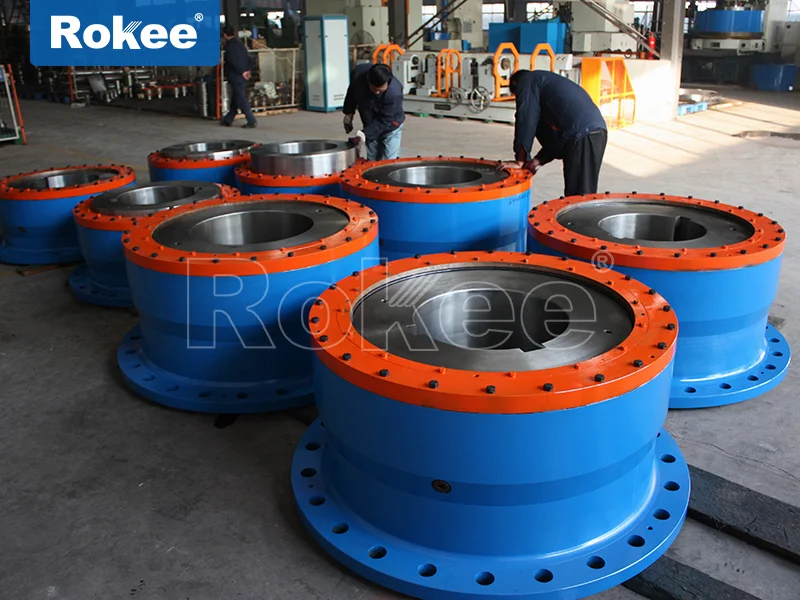
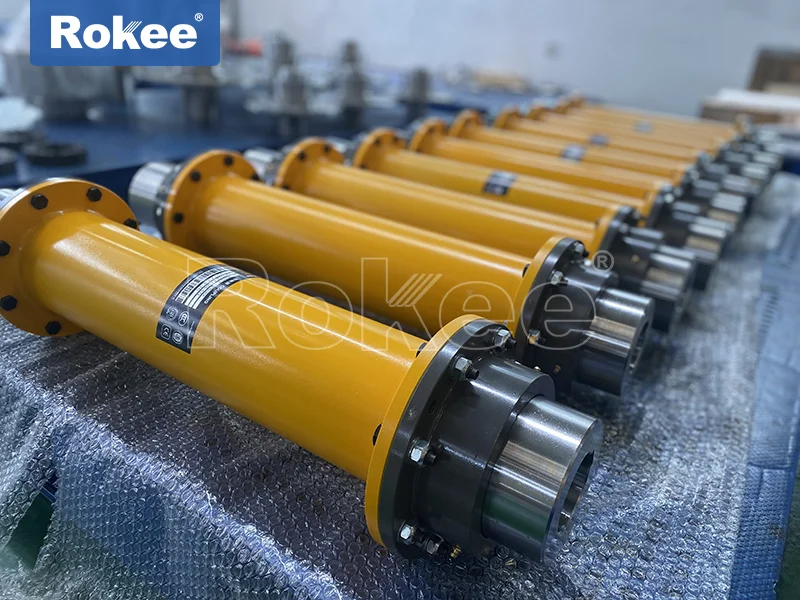
High performance curved tooth couplings are classified into distinct categories based on several key design and functional criteria, each tailored to specific operational requirements, load capacities, and application scenarios. One primary classification is based on the number of gear engagement sets, distinguishing between single curved tooth couplings and double curved tooth couplings. Single curved tooth couplings feature a single set of meshing curved teeth between one hub and the central sleeve, offering compact dimensions and moderate misalignment compensation, suitable for applications with limited installation space and lighter to medium torque loads. Double curved tooth couplings, by contrast, incorporate two separate sets of curved teeth, connecting both hubs to the central sleeve with independent meshing interfaces; this dual-tooth design provides significantly enhanced misalignment tolerance, higher torque transmission capacity, and greater torsional stiffness, making it the preferred choice for heavy-duty, high-load industrial machinery. Another critical classification criterion is based on structural configuration and assembly style, including fully enclosed curved tooth couplings and open-design variants, as well as split-sleeve couplings that allow for easy installation and removal without disassembling connected equipment. Split-sleeve curved tooth couplings are particularly valuable in complex machinery setups where shaft alignment is fixed and component replacement must be performed efficiently, minimizing production downtime. Couplings are also categorized by their load-bearing capacity and size range, spanning small-scale precision models for light-duty, high-speed machinery, medium-duty models for general industrial equipment, and heavy-duty, large-format models for extreme torque applications in heavy industry. Material composition further divides these couplings: standard models are forged from high-grade carbon steel or alloy steel for general industrial use, while specialized variants are manufactured from corrosion-resistant stainless steel or hardened alloy steels for use in aggressive environments such as marine, offshore, or chemical processing facilities. Additionally, some curved tooth couplings are designed with specialized lubrication systems, including permanently lubricated, sealed-for-life models that require no ongoing maintenance, and models with accessible lubrication ports for periodic re-lubrication, intended for continuous heavy-duty operation where regular maintenance is feasible.
The versatility and robust performance of high performance curved tooth couplings make them widely applicable across an extensive range of industrial sectors, where reliable, efficient power transmission is non-negotiable. In the heavy machinery and manufacturing sector, these couplings are extensively used in large-scale equipment such as rolling mills, metal forming machines, extruders, and conveyor systems, where they transfer extremely high torque levels between motors, gearboxes, and operational components while accommodating the significant misalignment and vibration inherent in heavy manufacturing processes. Their ability to withstand continuous cyclic loads and shock impacts makes them ideal for these high-stress environments, ensuring uninterrupted production and reducing costly equipment failures. In the energy and power generation industry, curved tooth couplings play a vital role in power plants, including thermal power facilities, hydroelectric generators, and wind turbine systems, connecting turbine shafts, generator rotors, and drive systems. The high-speed rotation and precise alignment requirements of power generation equipment demand the low backlash, high efficiency, and vibration-dampening properties of these couplings, which also compensate for thermal expansion of shafts during operation. In the mining and mineral processing industry, where equipment operates in extremely harsh, abrasive conditions with heavy loads, rugged curved tooth couplings are used in crushers, grinders, conveyor belts, and drilling machinery, offering exceptional durability and resistance to wear and contamination. The marine and offshore sector relies heavily on corrosion-resistant curved tooth couplings for shipboard propulsion systems, pump drives, and deck machinery, as these components can withstand saltwater exposure, moisture, and the mechanical stress of marine operations while maintaining reliable performance. In the transportation and automotive manufacturing industry, these couplings are integrated into heavy-duty vehicle drive systems, test benches, and production line machinery, providing precise torque transfer and vibration isolation for assembly and testing equipment. They are also widely used in pump and compressor systems across all industries, including water treatment facilities, oil and gas processing plants, and chemical manufacturing facilities, where they ensure smooth, efficient operation of centrifugal pumps, reciprocating compressors, and fluid handling equipment, compensating for shaft misalignment caused by pipeline pressure and thermal changes. Additionally, high performance curved tooth couplings find application in precision engineering and aerospace manufacturing, where smaller, high-precision variants are used in test equipment, machine tools, and aerospace component manufacturing machinery, delivering accurate torque transmission and minimal backlash for tight-tolerance production processes.
Beyond these core industrial sectors, curved tooth couplings are also employed in specialized applications such as paper and pulp processing, textile manufacturing, and food and beverage production, where hygiene, reliability, and low maintenance are prioritized. In paper mills, for example, they drive large rollers and conveyor systems, withstanding the continuous operation and moisture-rich environment of paper production; in food processing plants, stainless steel variants meet strict cleanliness standards while delivering consistent power transmission. The adaptability of these couplings to diverse operational conditions, combined with their core structural and performance advantages, ensures their continued relevance as a critical power transmission solution in modern engineering. As industrial machinery continues to evolve toward higher speeds, heavier loads, and greater operational efficiency, the demand for high performance curved tooth couplings remains strong, as their unique design addresses the most pressing challenges of shaft connection and power transfer. Unlike alternative coupling types that sacrifice load capacity for flexibility or flexibility for rigidity, curved tooth couplings strike an optimal balance between strength, flexibility, and durability, making them a timeless and essential component in mechanical engineering design.
In summary, high performance curved tooth couplings represent a pinnacle of power transmission engineering, combining a thoughtfully engineered curved tooth structure, exceptional load-bearing and misalignment compensation performance, diverse functional classifications, and broad cross-industry applicability. Their spherical tooth profile eliminates uneven stress and wear, enhances torque transmission efficiency, and dampens mechanical vibration, while their varied designs cater to every conceivable operational requirement from light-duty precision tasks to heavy-duty industrial heavy lifting. By seamlessly bridging rotating shafts, compensating for misalignment, and ensuring reliable power delivery, these couplings play an integral role in keeping global industrial operations running smoothly, efficiently, and cost-effectively. As machinery design advances and industrial demands grow more stringent, the fundamental engineering principles behind curved tooth couplings continue to be refined, further boosting their performance and expanding their potential applications, solidifying their status as an indispensable component in the landscape of modern mechanical power transmission systems.