Drum Gear Coupling For Crane
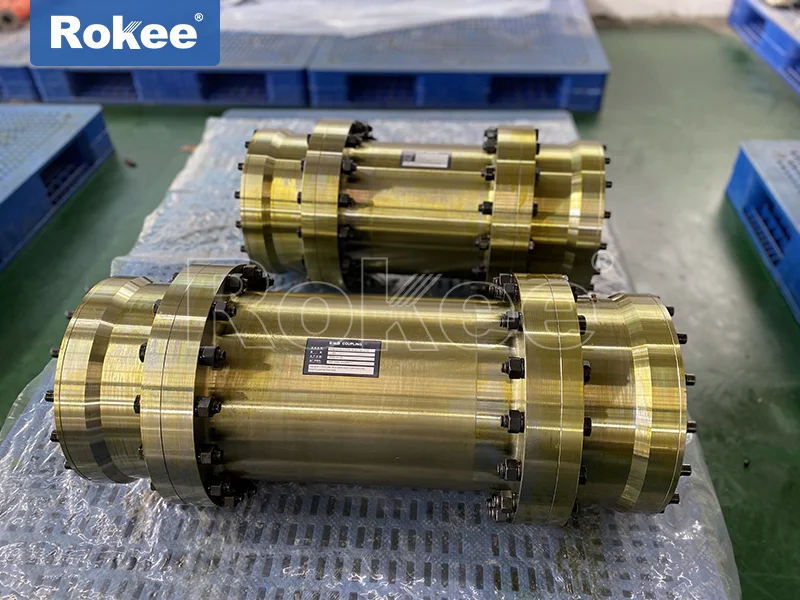
Drum gear couplings stand as indispensable core transmission components specially optimized for crane operating systems, serving as the critical connecting medium between crane reducers, drive shafts and rope drums. Unlike conventional straight-tooth gear couplings, this specialized mechanical part adopts a unique drum-shaped crowned tooth profile design, which fundamentally optimizes the meshing state of internal and external gear pairs under complex working conditions. Cranes typically operate under harsh working scenarios featuring heavy load bearing, frequent start-stop cycles, sudden load shocks and multi-directional shaft displacement, all of which pose rigorous demands on transmission stability and component durability. The drum gear coupling effectively addresses these industry pain points by delivering stable high-torque transmission, reliable compensation of various shaft misalignments, and excellent shock absorption performance. It not only ensures the continuous and efficient power output of crane lifting, traversing and slewing mechanisms, but also buffers mechanical vibration and impact force generated during equipment operation, reducing the wear of core transmission parts and extending the overall service life of crane equipment. As a key guarantee for the safe and stable operation of heavy-duty cranes, it has become the preferred transmission accessory for various types of lifting machinery.
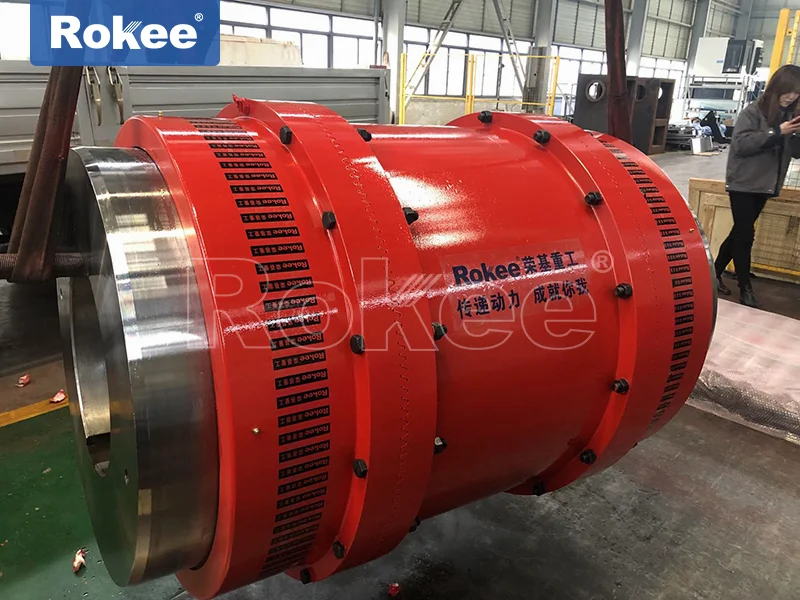
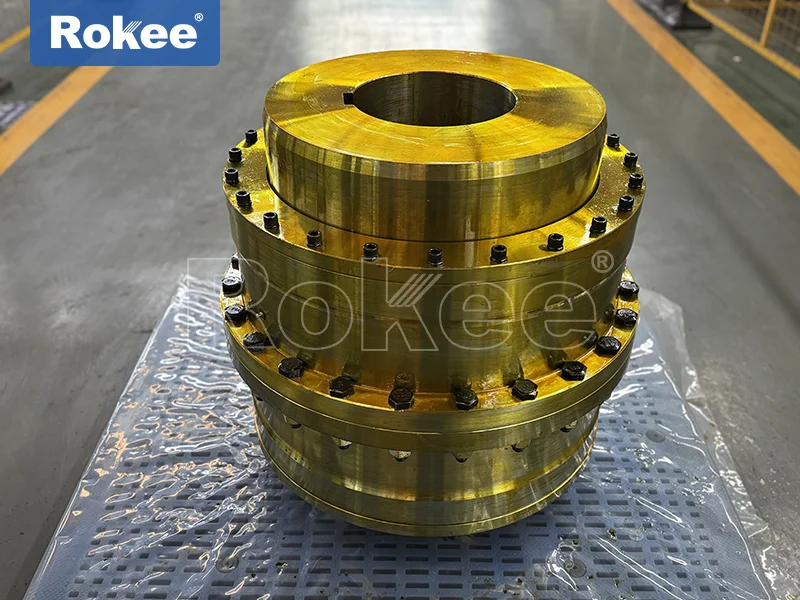
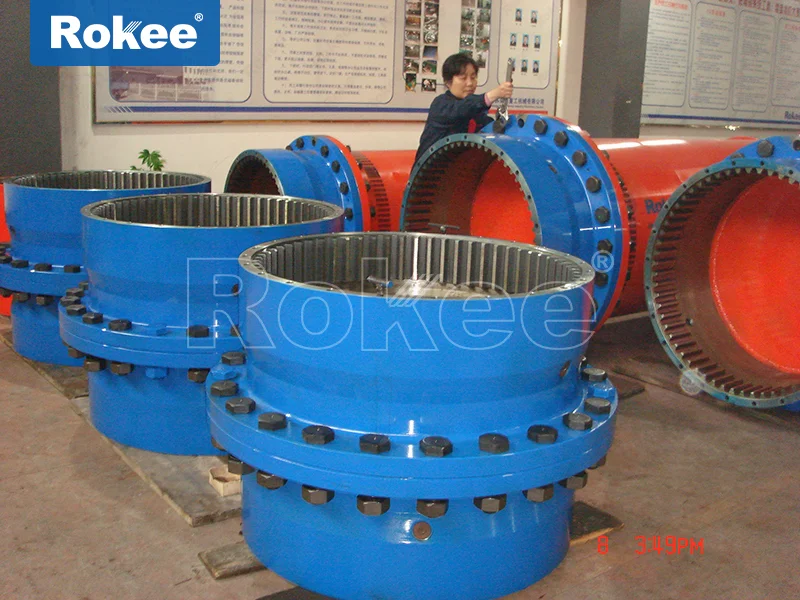
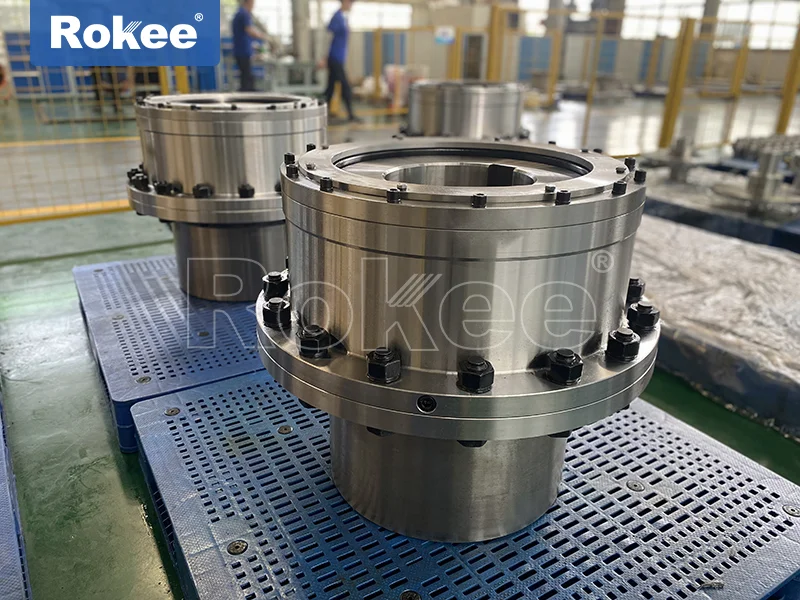
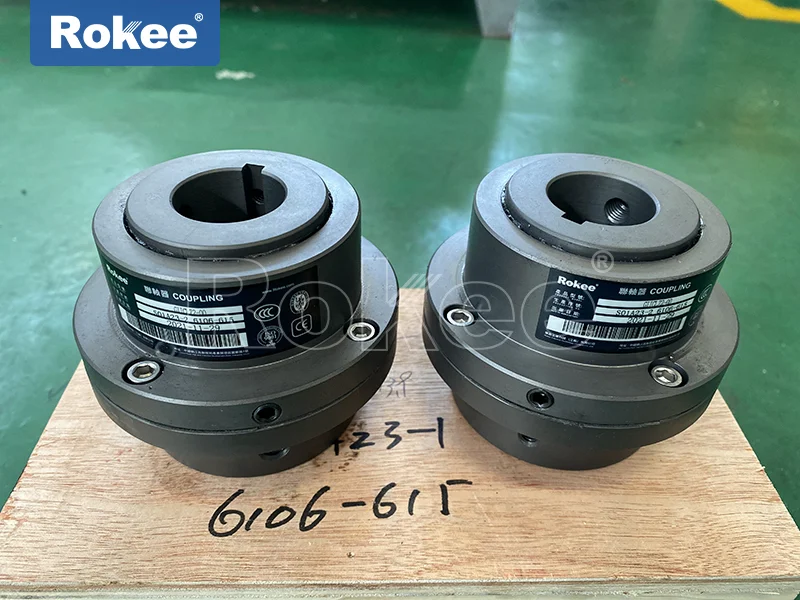
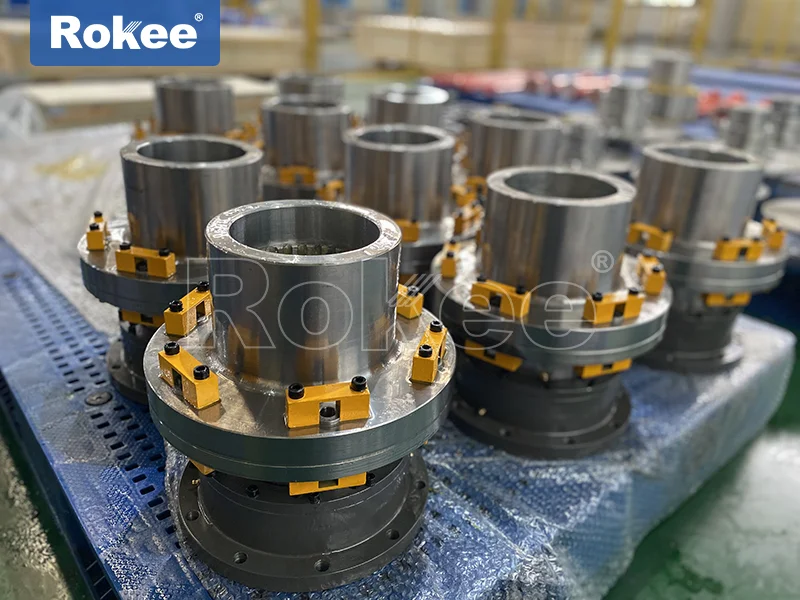
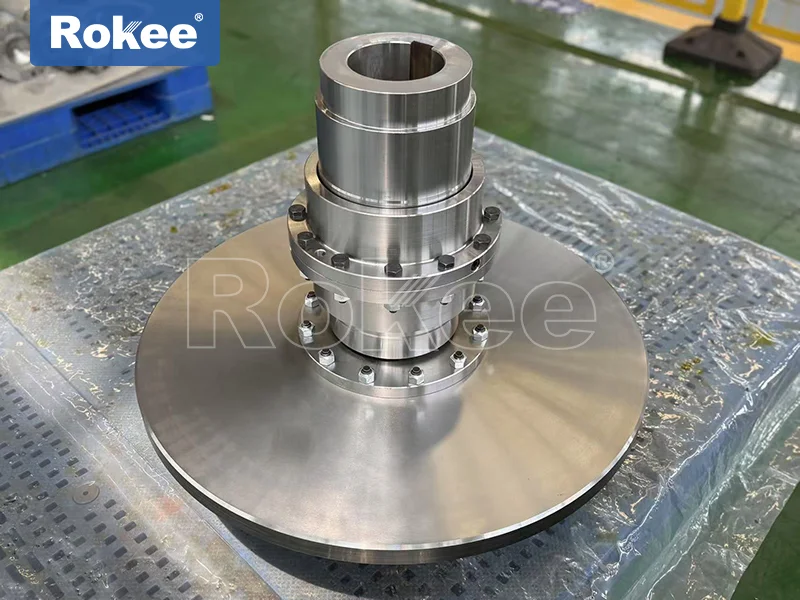
The structural design of drum gear couplings for cranes is scientifically tailored to adapt to the extreme operating characteristics of lifting equipment, achieving a perfect balance between structural compactness and mechanical performance. The overall structure mainly comprises two half-couplings with drum-shaped external teeth, internal gear rings, high-performance sealing assemblies and precision fastening components. The most core innovation lies in the drum-shaped modification of the external tooth profile, which curves the tooth surface along the axial direction instead of adopting the traditional straight tooth structure. This optimized design enables the gear pair to achieve multi-point uniform contact during meshing, thoroughly avoiding the local edge stress concentration and unilateral wear problems that are common in straight-tooth couplings under misalignment conditions. The internal gear ring adopts an integrated forging and machining process, with smooth and precise tooth grooves that fit perfectly with the crowned external teeth, ensuring large-area and stable meshing even when the driving and driven shafts produce displacement deviations. Meanwhile, the compact integral structure avoids redundant mechanical parts, effectively saving the installation space inside the crane transmission box, which is particularly suitable for cranes with limited internal assembly space and compact structural layout. All structural components are matched with high-precision tolerances to ensure synchronous operation of the transmission system and eliminate idle clearance during power transmission.
One of the most prominent advantages of crane drum gear couplings is their excellent multi-dimensional misalignment compensation capability, a core performance that distinguishes them from ordinary transmission couplings. During the long-term operation of cranes, factors such as equipment installation errors, metal structural deformation under heavy loads, and mechanical vibration will inevitably cause axial, radial and angular misalignments between the connected drive shafts. Ordinary couplings are extremely sensitive to these deviations, which easily lead to severe gear wear, transmission jitter and even shaft fracture failure. In contrast, the drum-shaped tooth structure of the professional crane coupling can flexibly adapt to three-dimensional displacement deviations. The curved tooth surface allows the gear pair to adjust the meshing angle freely within a certain range, realizing automatic compensation for tiny axial stretching and contraction, radial offset and angular deflection of the shaft system. This flexible compensation function does not affect the efficiency and stability of torque transmission at all. It can always maintain uniform stress distribution on the tooth surface during equipment operation, prevent abnormal friction and impact caused by shaft misalignment, and greatly improve the adaptability of the crane transmission system to complex and variable working conditions, ensuring consistent and reliable power transmission in every lifting and moving action of the crane.
Crane drum gear couplings possess superior heavy-load torque transmission capacity, fully meeting the high-power operation requirements of various heavy-duty lifting equipment. Benefiting from the drum-shaped tooth profile optimization, the contact area between internal and external gears is significantly increased compared with traditional straight-tooth structures, and the load is evenly distributed on the entire tooth surface rather than concentrated on local edges. This structural advantage enables the coupling to bear and transmit far greater torque under the same volume and weight conditions, with its overall load-bearing efficiency significantly improved. In actual crane operation, the equipment often needs to bear instantaneous impact loads during heavy object lifting, sudden braking and load shifting, which puts extreme pressure on the transmission components. The special gear meshing form of drum gear couplings can disperse instantaneous impact stress, avoid local overload damage of individual teeth, and maintain stable torque output under both static heavy load and dynamic impact load conditions. Whether it is small and medium-sized overhead cranes for factory workshops or large gantry cranes for port and engineering operations, this coupling can continuously and stably transmit power, effectively avoiding transmission failure caused by insufficient load capacity and ensuring the normal execution of heavy lifting operations.
Excellent shock absorption and anti-vibration performance makes drum gear couplings a key protective component for crane mechanical systems. Cranes will generate obvious mechanical vibration and impact force during frequent start, stop, forward and reverse rotation and load lifting and lowering. These dynamic impacts will be directly transmitted to the drive shaft, reducer and motor, easily causing fatigue damage of precision parts, loose connection structures and increased operating noise. The unique meshing structure of drum gear couplings can form a flexible buffer mechanism in the rigid transmission system. The gap coordination between the crowned teeth and internal tooth rings can effectively absorb and weaken instantaneous vibration and impact energy generated during equipment switching and load changes. Different from rigid couplings that directly transmit all vibration, it can filter out most of the dynamic fluctuation of power transmission, make the crane’s power output more stable and smooth, and reduce the jitter of lifting objects during operation. This buffering effect not only optimizes the operating stability of the crane, but also effectively protects the motor, reducer and other expensive core equipment from frequent impact damage, reducing the probability of mechanical failure and lowering the overall operating vibration noise of the equipment.
Durability and wear resistance are important inherent attributes of drum gear couplings for cranes, ensuring long-term stable operation of equipment under high-intensity working conditions. Crane transmission components need to operate continuously for a long time, and face harsh working environments such as dust, humidity and variable temperature changes all year round, which puts forward high requirements on the wear resistance, corrosion resistance and fatigue resistance of parts. Drum gear couplings are processed with high-strength alloy materials and undergo professional heat treatment processes such as quenching and tempering, which significantly improve the surface hardness and structural toughness of the gear teeth. The precisely polished drum-shaped tooth surface has extremely low friction coefficient, which reduces dry friction and abrasive wear during gear meshing. At the same time, the supporting sealing structure of the coupling can effectively isolate external dust, debris and humid air, prevent internal gear pairs from rusting, corroding and being contaminated, and maintain the stability of the internal lubrication environment. Under normal lubrication and maintenance conditions, the gear tooth surface can maintain a good meshing state for a long time, avoiding premature failure caused by excessive wear. This excellent durability greatly extends the service cycle of the coupling, reduces the frequency of parts replacement and equipment downtime, and improves the continuous operation efficiency of cranes.
The installation and maintenance characteristics of drum gear couplings make them highly adaptable to the daily operation and management of crane equipment. In terms of installation, the standardized structural design and reasonable tolerance matching enable the coupling to realize fast and accurate assembly without complex debugging procedures. Its flexible misalignment tolerance can accommodate tiny installation deviations, reducing the high-precision alignment requirements of on-site construction, effectively shortening the equipment assembly cycle and improving installation efficiency. In daily use, the coupling has a simple internal structure with few vulnerable parts, and the overall operation stability is strong, basically free from frequent minor failures. The independent sealing and lubrication cavity design makes daily maintenance more convenient. Staff only need to regularly check the sealing state and supplement lubricating grease according to the equipment operating cycle, without disassembly and complex maintenance operations. Once long-term operation causes gear wear or sealing aging, the disassembling and replacement process of individual components is also simple and efficient, which can quickly complete equipment maintenance and restore normal operation. This convenient installation and maintenance feature effectively reduces the daily operation and maintenance cost of crane equipment and improves the practicability of the coupling.
With the continuous upgrading of crane machinery towards high efficiency, heavy load and intelligent operation, the application value and technical advantages of drum gear couplings are becoming increasingly prominent. Modern cranes have higher requirements for transmission accuracy, operational stability and equipment safety, and traditional coupling products can no longer adapt to the working demands of high-frequency and high-intensity lifting operations. The drum gear coupling integrates high torque transmission, multi-dimensional deviation compensation, shock absorption and wear resistance, and perfectly matches the development trend of modern crane equipment. It can effectively solve various transmission problems such as unstable power output, easy vibration and rapid wear of traditional transmission parts, and provide reliable basic support for the high-precision and safe operation of cranes. In the future, with the continuous optimization of material technology and structural design, the comprehensive performance of drum gear couplings will be further improved, and they will continue to be widely used in various lifting machinery and heavy-duty transmission equipment, becoming an irreplaceable key component in the field of crane transmission systems.