High Performance Barrel Gear Coupling
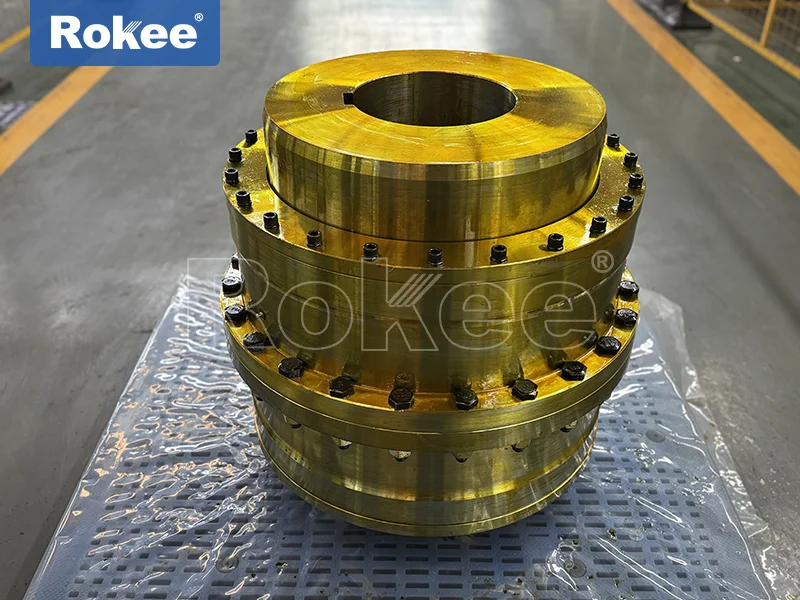
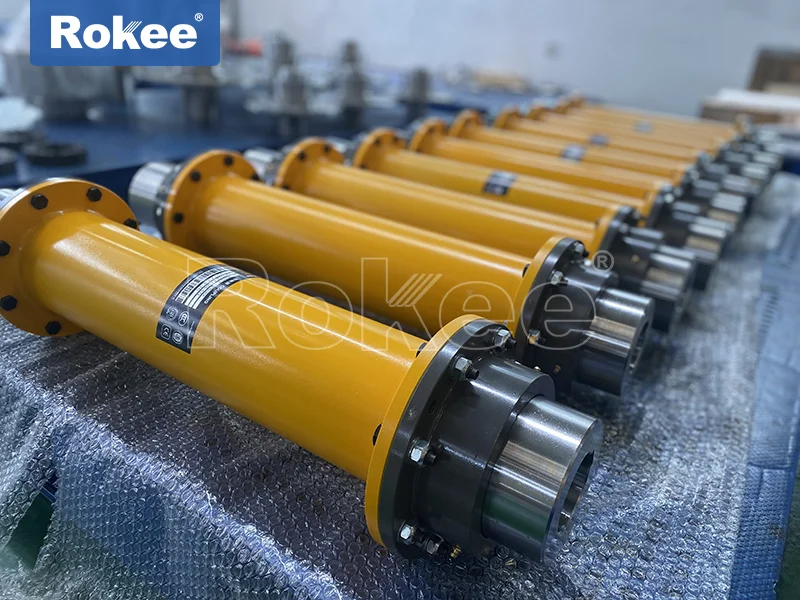
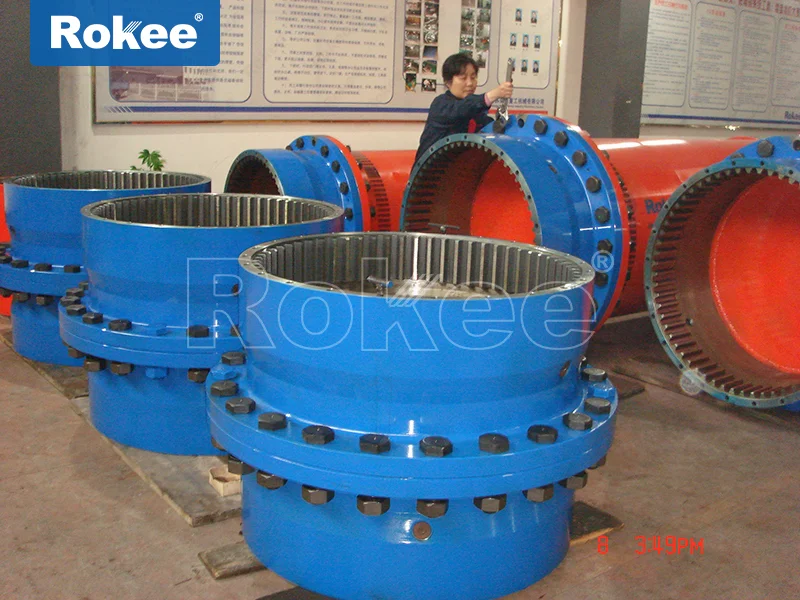
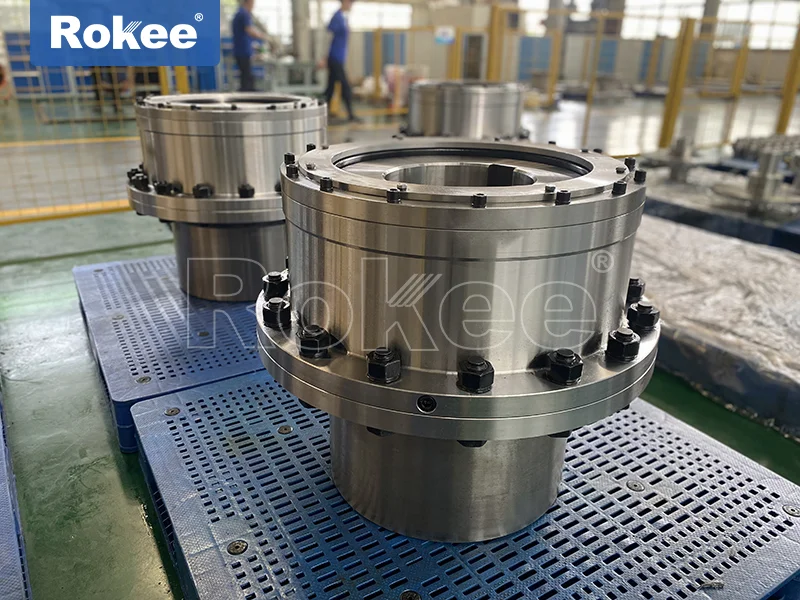
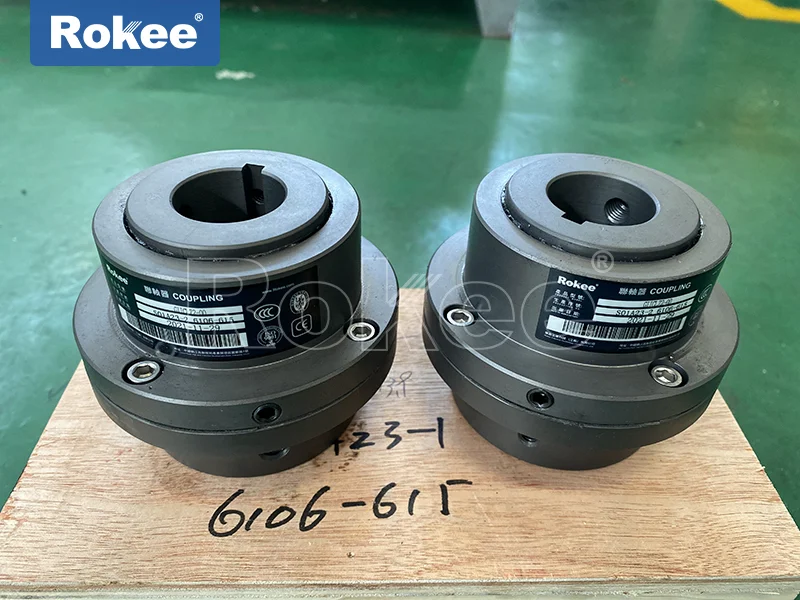
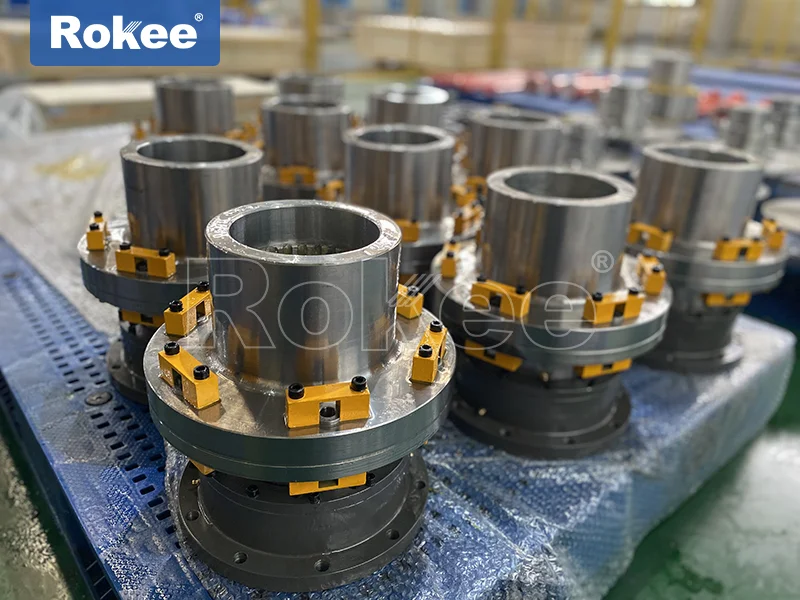
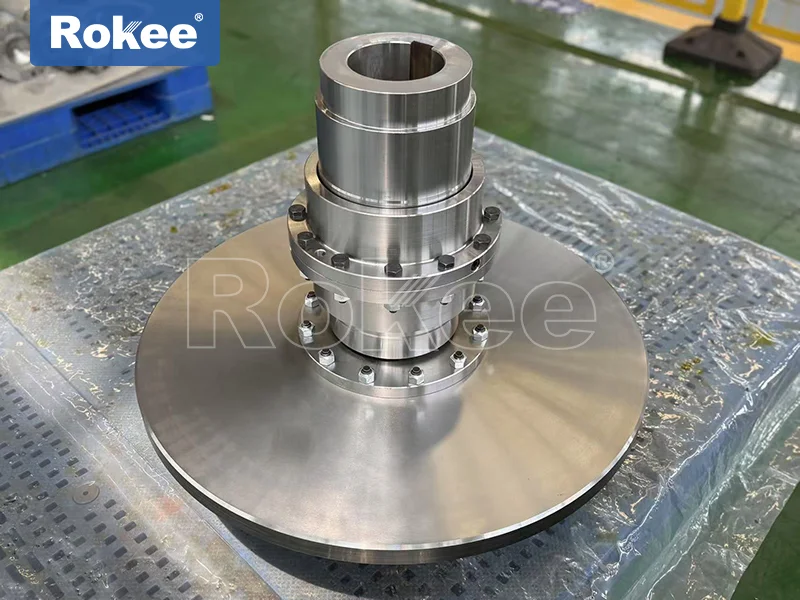
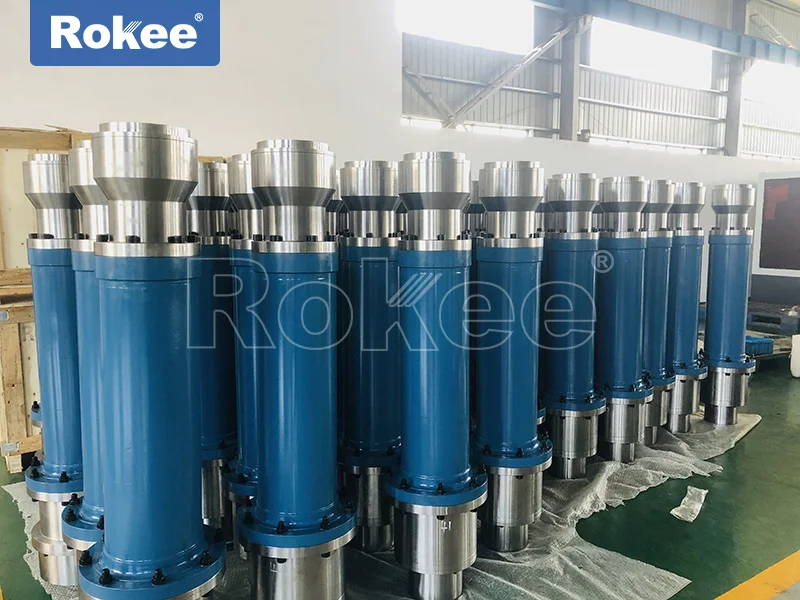
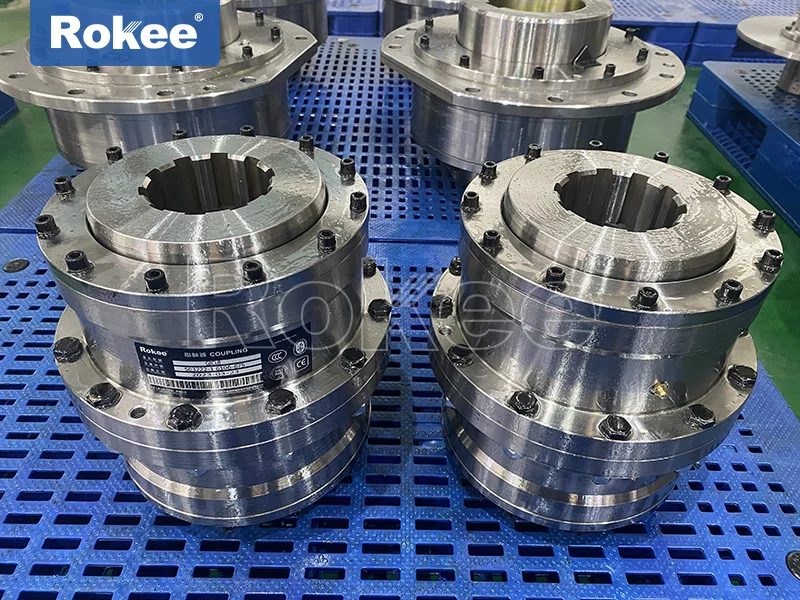
High performance barrel gear coupling stands out as a sophisticated and reliable mechanical transmission component engineered to deliver stable, efficient, and high-torque power transmission in complex industrial operating environments. Differing significantly from conventional straight-tooth gear couplings and elastic couplings, this specialized coupling features uniquely curved barrel-shaped outer gear teeth, a structural innovation that fundamentally optimizes gear meshing conditions and overall mechanical performance. It is designed to connect rotating shafts in mechanical systems, effectively transmitting torque while compensating for multi-dimensional shaft displacements, including angular, radial, and axial deviations that inevitably occur during equipment operation. Renowned for its exceptional load-bearing capacity, superior shock resistance, low operational wear, and high transmission efficiency, the component has become a core transmission part for heavy-duty, high-frequency, and long-cycle industrial equipment. Its integrated rigid and flexible structural design eliminates fragile elastic accessories, ensuring outstanding structural durability and adaptability to harsh working conditions, making it widely applicable in diverse heavy industrial scenarios that demand stable and continuous power transmission.
The core structural design of high performance barrel gear coupling lays a solid foundation for its superior comprehensive performance, with the optimized barrel-shaped tooth profile serving as its most distinctive and functional feature. Unlike traditional straight gear teeth that form linear contact during meshing, the curved spherical tooth surface of the barrel gear coupling achieves comprehensive surface contact with the inner gear ring during operation. This structural improvement greatly expands the effective meshing area of the gear pair, uniformly dispersing the unit stress on the tooth surface and avoiding localized stress concentration that commonly plagues ordinary gear couplings. The spherical center of the barrel teeth aligns precisely with the gear axis, which allows the gear pair to maintain stable meshing states even when connected shafts produce obvious angular deflection or displacement deviation. Meanwhile, the reasonably reserved tooth clearance further enhances the structural tolerance of the coupling, enabling it to adapt to slight axial movement and radial offset of the shaft system caused by equipment vibration, thermal expansion, or installation errors. All structural details are precisely machined to ensure the coordination accuracy between the inner gear ring and the outer gear hub, eliminating transmission jitter and ensuring synchronous rotation of the connected shafts throughout the operating process.
Superior load-bearing and anti-overload performance constitutes the core competitive advantage of high performance barrel gear coupling, enabling it to adapt to various high-load and impact-intensive industrial working conditions. Benefiting from the surface contact meshing mode and uniform stress distribution, the load-bearing capacity of this coupling is significantly higher than that of ordinary straight-tooth gear couplings of the same specification. It can stably withstand long-term alternating loads, instantaneous impact loads, and reverse loads generated by frequent equipment start-stop, sudden load changes, and inertial rotation. In heavy-duty operating scenarios where mechanical impact is frequent, the barrel tooth structure effectively buffers instantaneous pressure peaks, preventing common failure problems such as tooth surface crushing, gear tooth fracture, and plastic deformation caused by sudden overload. Moreover, the overall structure adopts high-strength metal forging and precision machining, with excellent structural rigidity and fatigue resistance. There are no easily damaged elastic parts inside the coupling, so it will not experience performance attenuation or structural damage under long-term high-load operation. This reliable load resistance ensures continuous and stable power transmission for heavy industrial equipment, effectively reducing unexpected equipment shutdown risks caused by coupling failure.
High transmission efficiency and excellent thermal stability make high performance barrel gear coupling ideal for long-duration and high-speed operating equipment. The optimized barrel tooth profile reduces friction resistance during gear meshing and rotation, forming a rolling-sliding composite motion state between meshing tooth surfaces. This friction optimization minimizes mechanical energy loss during power transmission, enabling the coupling to maintain extremely high transmission efficiency under rated operating conditions. Compared with flexible couplings that rely on elastic deformation for power transmission, it avoids large energy loss caused by elastic hysteresis and deformation friction. In addition, the uniform stress and low-friction operation mode greatly reduce heat generation during continuous operation. Excessive local heat accumulation is effectively avoided, which prevents lubricant degradation, aging, and failure caused by high temperature. Stable thermal performance ensures that the coupling’s transmission accuracy and mechanical properties will not decline with the extension of operating time, even during long-term uninterrupted operation. This high-efficiency and heat-resistant feature not only improves the overall energy utilization rate of mechanical systems but also extends the stable operating cycle of equipment.
Excellent displacement compensation capability and operational stability further expand the application scope of high performance barrel gear coupling in complex mechanical systems. During the installation and operation of industrial equipment, shaft misalignment is an unavoidable problem caused by machining errors, assembly deviations, foundation settlement, and thermal expansion and contraction. Ordinary rigid couplings are unable to adapt to such deviations, which will cause additional torsional stress and vibration in the shaft system, accelerating equipment wear. In contrast, the unique curved tooth structure of barrel gear coupling provides excellent multi-directional displacement compensation ability. It can effectively absorb and compensate for angular displacement, radial displacement, and axial displacement between the driving shaft and driven shaft within a reasonable range. While completing accurate torque transmission, it eliminates additional mechanical stress on the shaft system and bearings. At the same time, the stable meshing state greatly reduces vibration and noise during operation, avoiding adverse vibration interference with the main equipment and surrounding mechanical structures. This stable operation performance meets the high-precision and low-vibration operation requirements of sophisticated industrial equipment.
Durable wear resistance and long service life are prominent practical characteristics of high performance barrel gear coupling, bringing significant economic benefits to industrial production. The surface contact meshing structure disperses friction force evenly on the entire tooth surface, avoiding local concentrated wear and early fatigue cracks that occur in linear contact gear structures. The smooth curved tooth surface reduces friction and abrasion between meshing parts, slowing down the wear rate of gear teeth effectively. Combined with high-precision machining technology and optimized surface treatment process, the gear tooth surface has high hardness and wear resistance, resisting abrasive wear and fatigue damage caused by long-term operation and frequent load changes. Different from elastic couplings that require regular replacement of vulnerable parts, the main components of barrel gear coupling are all integrated metal structures with strong structural stability and anti-aging ability. Under standard operating and maintenance conditions, it can maintain stable mechanical performance for a long time without frequent replacement and repair. The long service life and low wear characteristics greatly reduce equipment downtime and part replacement frequency, improving the continuous operation efficiency of production lines.
Convenient maintenance performance and strong operational adaptability make high performance barrel gear coupling suitable for diversified industrial production scenarios. The overall structural design of the coupling is compact and reasonable, with a simple internal assembly relationship, which brings great convenience to daily inspection, lubrication maintenance, and later disassembly and replacement. The coupling does not require complex debugging after installation, and it can maintain stable operating performance as long as regular lubrication management is done. The good lubrication retention of the gear meshing part reduces the frequency of lubricant replacement, further lowering daily maintenance workload. In terms of working condition adaptability, it can operate stably in various complex environments including high temperature, dust, and heavy load, with strong resistance to environmental interference. It is compatible with various transmission forms of heavy-duty mechanical equipment, and can flexibly adapt to different speed ranges and torque transmission requirements. This comprehensive adaptability enables it to be widely used in core transmission links of mining machinery, metallurgical equipment, material handling machinery, and other heavy industrial fields.
With the continuous upgrading of modern industrial manufacturing towards high efficiency, intelligence and high stability, high performance barrel gear coupling has become an indispensable key component in heavy-duty mechanical transmission systems. Its integrated advantages of high load capacity, high transmission efficiency, stable displacement compensation, low wear and easy maintenance perfectly match the development demands of modern industrial equipment for long-cycle, low-failure and energy-saving operation. Compared with traditional coupling products, it solves many pain points in industrial transmission, such as insufficient load resistance, poor stability, short service life and frequent maintenance. As industrial equipment continues to improve in operating precision and load requirements, the technical advantages of high performance barrel gear coupling will be further highlighted. It will continue to provide reliable basic support for the stable operation of various heavy industrial mechanical systems, and play an important role in improving industrial production efficiency and reducing overall equipment operation costs.