Industrial Drum Gear Coupling
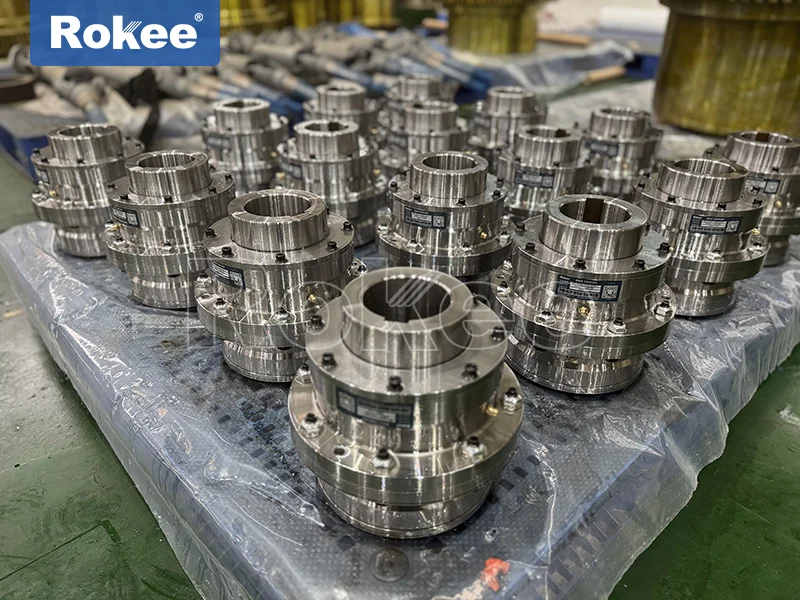
Industrial drum gear coupling is a high-performance rigid-flexible transmission component widely applied in modern mechanical systems, dedicated to connecting rotating shafts and realizing stable torque transmission while accommodating various shaft misalignments. Distinguished from conventional straight gear couplings, its core innovation lies in the unique drum-shaped external tooth structure, which optimizes gear meshing status and comprehensively enhances comprehensive mechanical performance. This coupling mainly consists of toothed hubs and inner gear sleeves, relying on the meshing of internal and external gears to complete power transmission. It stands out for its outstanding load-bearing capacity, excellent misalignment compensation, and durable operation, making it suitable for heavy-load, high-speed, and continuous working industrial scenarios. As a key transmission part, it effectively buffers mechanical vibration, reduces operating impact, and protects core equipment from abrasion and structural damage, ensuring the long-term stable operation of the entire mechanical transmission system in complex working conditions.
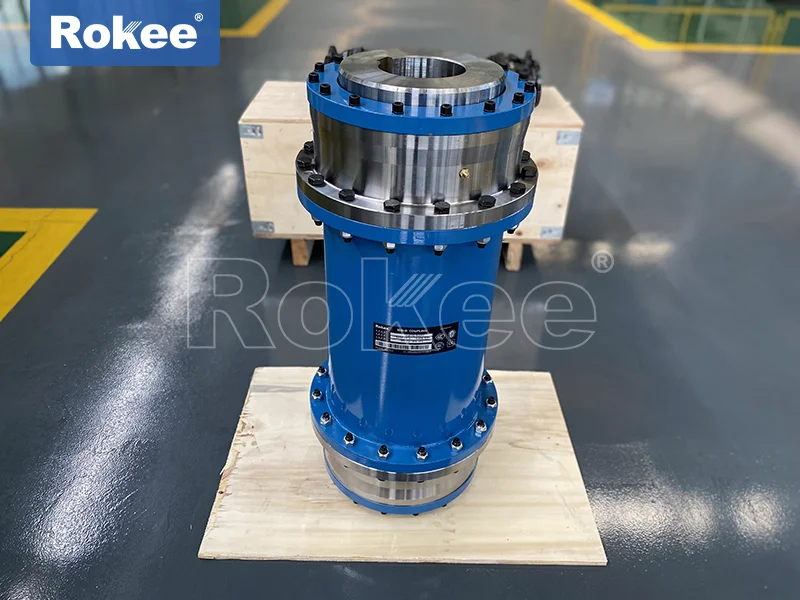
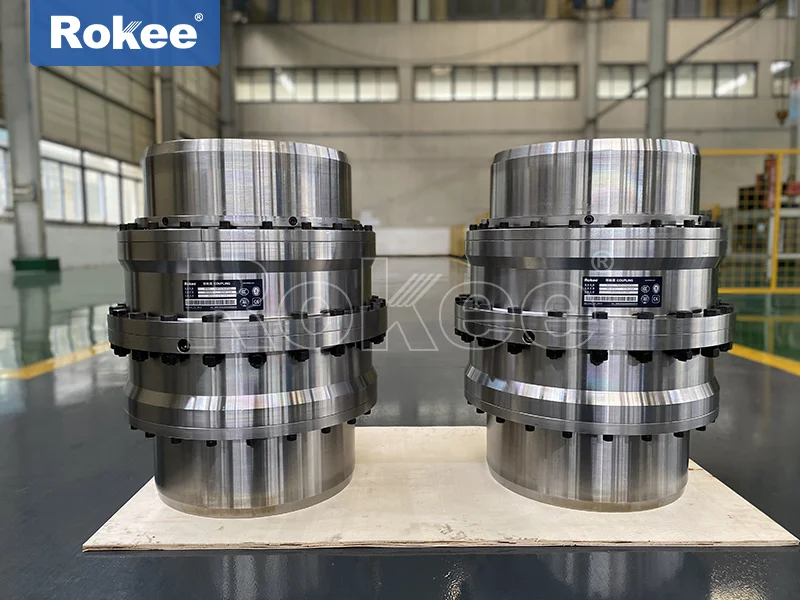
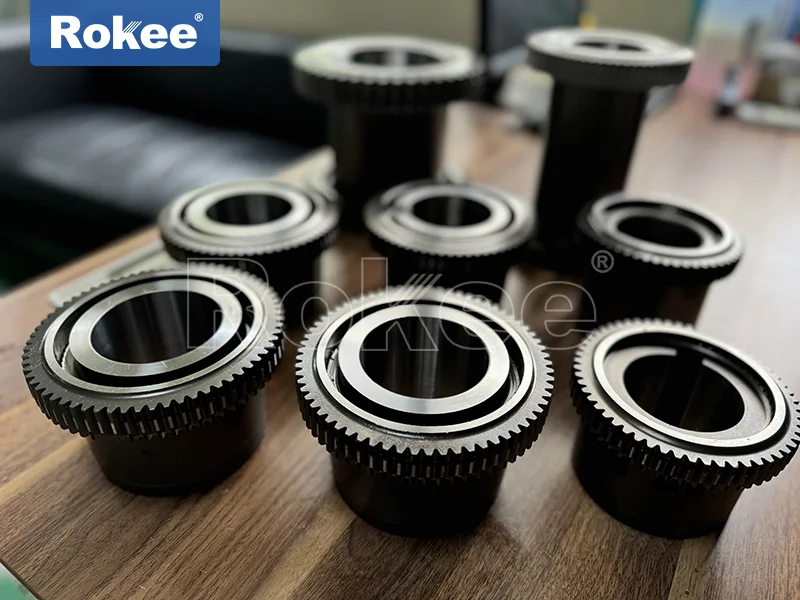
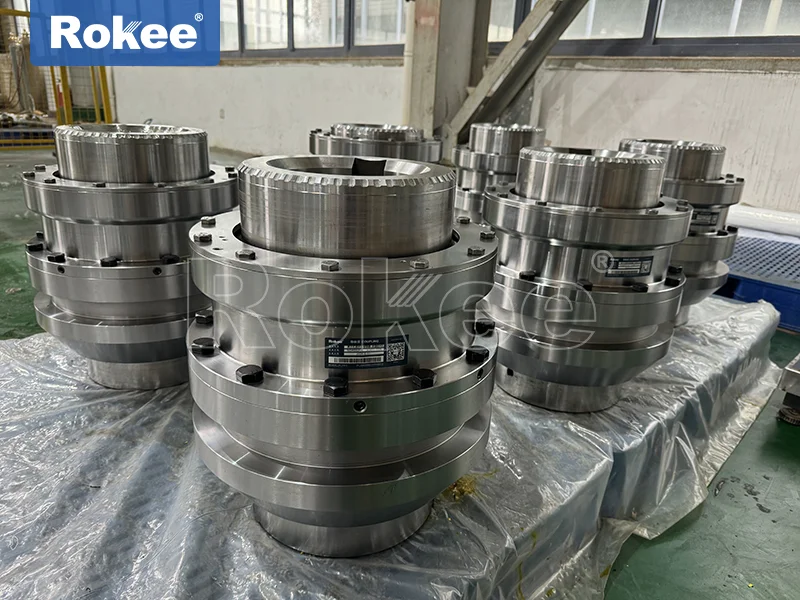
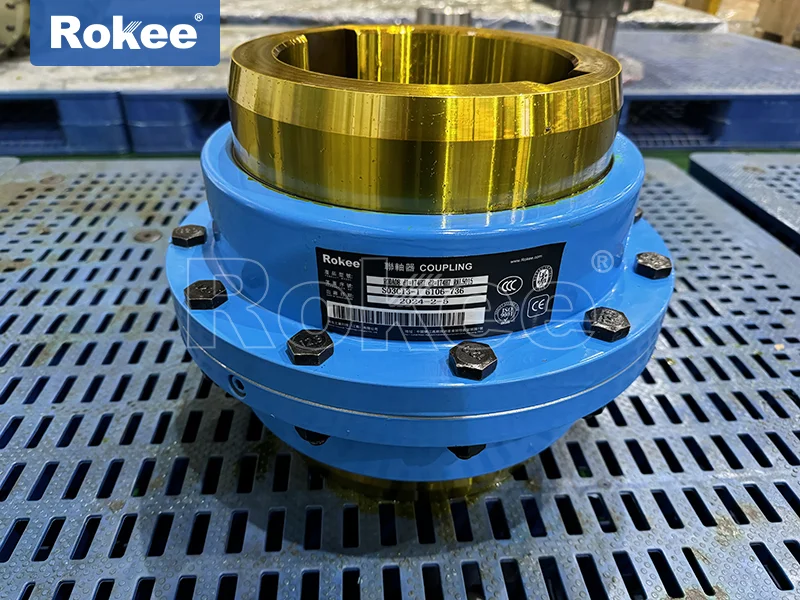
The structural design of industrial drum gear coupling is sophisticated and practical, with every component optimized for industrial heavy-duty operation. The core assembly includes two external gear hubs and one or two internal gear sleeves, forming a compact and integrated transmission structure. Different from ordinary gear couplings with straight tooth profiles, the external teeth of the hub adopt a spherical arc drum-shaped design, with the spherical center positioned on the central axis of the gear shaft. This special profile eliminates the stress concentration and edge wear that commonly occur in straight gear meshing under misalignment conditions. The internal gear sleeve features standard straight internal teeth to match the drum-shaped external teeth, creating a flexible meshing state with reasonable backlash. In addition, the overall structure is equipped with sealed lubrication cavities, which can store lubricating grease to maintain continuous lubrication between meshing tooth surfaces. All structural parts adopt integrated processing technology, with precise dimensional matching, which avoids assembly gaps and eccentric rotation. The compact structural layout not only reduces the overall occupied space of the coupling but also improves structural rigidity, enabling it to withstand long-term alternating loads in industrial production without structural deformation.
The working principle of industrial drum gear coupling centers on flexible gear meshing and adaptive misalignment compensation, realizing efficient and stable power transmission. During equipment operation, the driving shaft drives the external gear hub to rotate synchronously, and the drum-shaped external teeth mesh with the internal teeth of the outer sleeve to transmit torque and rotational power to the driven shaft. When the connected two shafts produce angular, radial or axial misalignment due to equipment installation errors, mechanical vibration or component wear, the drum-shaped tooth profile can adaptively adjust the meshing contact area. The spherical arc tooth surface can maintain uniform contact stress even under deflection conditions, avoiding local overpressure and tooth surface friction damage. This flexible adaptive meshing mode fundamentally solves the problem of poor transmission stability caused by shaft deviation in traditional couplings. Meanwhile, the reasonable meshing backlash reserves a buffer space for tiny shaft displacement and mechanical vibration in operation, which can absorb part of the operating impact. In high-speed rotation and heavy-load operation, this working mechanism ensures synchronous rotation of the two shafts, maintains stable torque output, and avoids power loss and transmission jitter caused by misalignment.
Industrial drum gear coupling possesses superior mechanical performance, making it adaptable to harsh and diverse industrial working conditions. Its most prominent advantage is the ultra-high load-bearing capacity, benefited from the multi-tooth simultaneous contact meshing mode. The drum-shaped tooth design increases the effective contact area of gear teeth, enabling uniform distribution of transmission pressure and effectively bearing large torque and alternating impact loads. Compared with ordinary couplings of the same specification, its torque transmission efficiency and load resistance are significantly improved. In terms of misalignment compensation capability, it can adapt to multiple forms of shaft displacement, with a far larger compensation range than straight gear couplings. Whether it is angular deflection, radial offset or axial displacement generated during long-term operation, it can achieve flexible adaptation without affecting transmission accuracy. Additionally, the coupling has excellent vibration damping and noise reduction effects. The lubricated gear meshing structure and flexible compensation performance can weaken mechanical resonance and operating noise during equipment operation, optimizing the overall operating environment of mechanical equipment. Its stable dynamic performance ensures no jitter or deviation in high-speed operation, meeting the high-precision transmission requirements of modern industrial equipment.
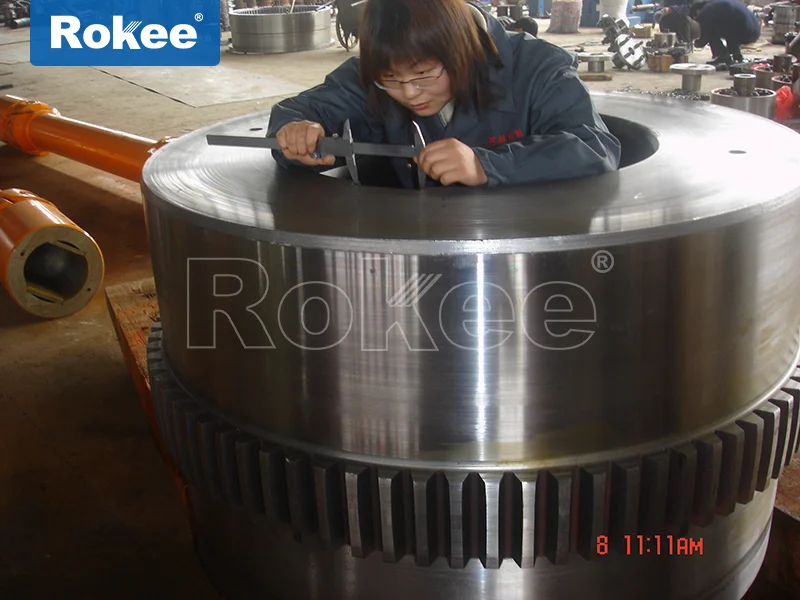
Material selection and processing technology determine the excellent durability and service performance of industrial drum gear couplings. High-quality alloy steel is the mainstream raw material for manufacturing such couplings, which has high strength, good toughness and excellent hardenability. After strict carburizing and quenching heat treatment, the surface hardness of gear teeth is greatly improved, forming a hard and wear-resistant surface layer, while the core part maintains good toughness to resist impact and fracture. This dual-performance structure effectively prevents tooth surface wear, tooth breakage and plastic deformation during long-term heavy-load operation. In terms of processing technology, precision CNC machining is adopted to control the tooth profile accuracy, tooth spacing and surface finish within a tiny error range. The drum-shaped arc of external teeth is processed by special forming technology to ensure smooth and uniform arc transition, avoiding meshing dead angles. Meanwhile, fine grinding treatment is carried out on the tooth surface to reduce friction coefficient and improve lubrication retention. The overall forging and integral forming process eliminates internal pores and structural defects of the material, improving the structural uniformity and fatigue resistance of the coupling, so that it can maintain stable performance after tens of thousands of hours of continuous operation.
Industrial drum gear couplings are widely used in multiple industrial fields due to their comprehensive performance advantages, covering most heavy-duty mechanical transmission scenarios. In the metallurgical industry, they are applied to rolling mills, smelting equipment and conveyor machinery, adapting to high-temperature, heavy-load and continuous production working conditions to ensure stable power transmission of metallurgical production lines. In the mining industry, they serve mining hoists, crushers and screening equipment, resisting strong impact load and complex vibration generated by mineral crushing and transportation. In port and logistics machinery, the couplings are equipped on container cranes, stackers and bulk cargo handling equipment, meeting the high-torque and frequent start-stop operation requirements of large port machinery. In addition, they are also commonly used in energy equipment, chemical machinery, building materials equipment and heavy-duty fan and water pump units. In all application scenarios, the coupling can adapt to complex working condition changes, reduce equipment failure rates caused by transmission system problems, and provide reliable basic guarantee for the continuous and efficient operation of industrial production equipment.
Scientific daily maintenance and reasonable operation management are crucial to extending the service life and maintaining stable performance of industrial drum gear couplings. The core of maintenance work is to ensure good lubrication of the meshing gear teeth. Regular inspection of the internal lubricating grease status is required, and aging, deteriorated or contaminated grease should be cleaned and replaced in a timely manner to avoid dry friction and tooth surface abrasion. During equipment operation, abnormal vibration, noise and temperature rise of the coupling should be monitored in real time. Once abnormal conditions are found, the equipment should be shut down for inspection to eliminate hidden dangers such as excessive misalignment, loose assembly or gear tooth damage. Regularly check the sealing performance of the coupling to prevent dust, impurities and moisture from entering the meshing cavity, which may cause gear tooth corrosion and abrasive wear. In addition, regular calibration of shaft alignment accuracy can reduce long-term cumulative misalignment loss. Avoid long-term overload operation and frequent severe start-stop impact in daily use, so as to prevent fatigue damage of gear teeth structure. Standardized maintenance can effectively maintain the transmission efficiency and compensation performance of the coupling, reduce replacement frequency and equipment operating costs.
With the continuous upgrading of modern industrial machinery towards high speed, high load and high precision, the technical optimization and application value of industrial drum gear couplings are constantly improving. The current development direction of such couplings focuses on structural lightweight and performance specialization. On the premise of ensuring structural strength and load-bearing capacity, optimized structural design reduces self-weight and rotational inertia, which helps improve the dynamic response speed of the transmission system and reduce equipment energy consumption. At the same time, targeted optimized designs are carried out for special working conditions such as high temperature, low temperature and strong corrosion, including the adoption of anti-corrosion coating materials and improved heat-resistant and low-temperature resistant processing technologies to expand the application boundary. In addition, with the popularization of intelligent equipment, the integrated design of wear monitoring and state sensing functions has become a new trend, which can realize real-time feedback of coupling operating status and facilitate predictive maintenance. As an indispensable core component of industrial transmission systems, industrial drum gear couplings will continue to iterate and upgrade with industrial technological progress, providing more efficient and reliable support for modern industrial mechanical transmission.