Large Torque Barrel Gear Coupling
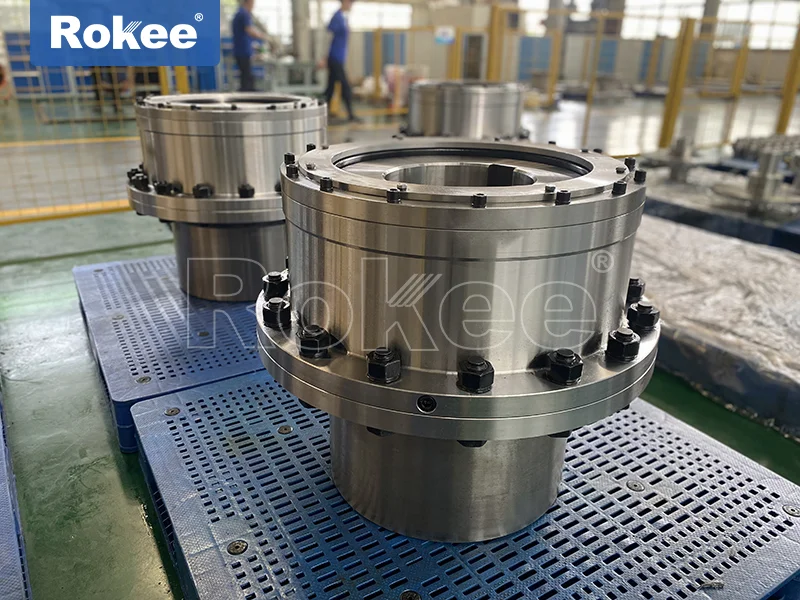
In the field of modern mechanical power transmission, the stability, efficiency and durability of connecting components directly determine the overall operating performance of heavy-duty equipment. Large torque barrel gear couplings have emerged as a core transmission component for low-speed and heavy-load mechanical systems by virtue of their unique curved tooth structure, excellent torque bearing capacity and flexible compensation performance. Unlike conventional straight gear couplings and elastic couplings, this type of coupling organically combines rigid high-power transmission capability with flexible adaptive adjustment functions, effectively solving the transmission pain points such as unstable power output, easy component wear and short service life of large mechanical equipment under complex working conditions. It has become an indispensable key part in heavy industry transmission systems, covering multiple core industrial scenarios that rely on stable torque transmission.
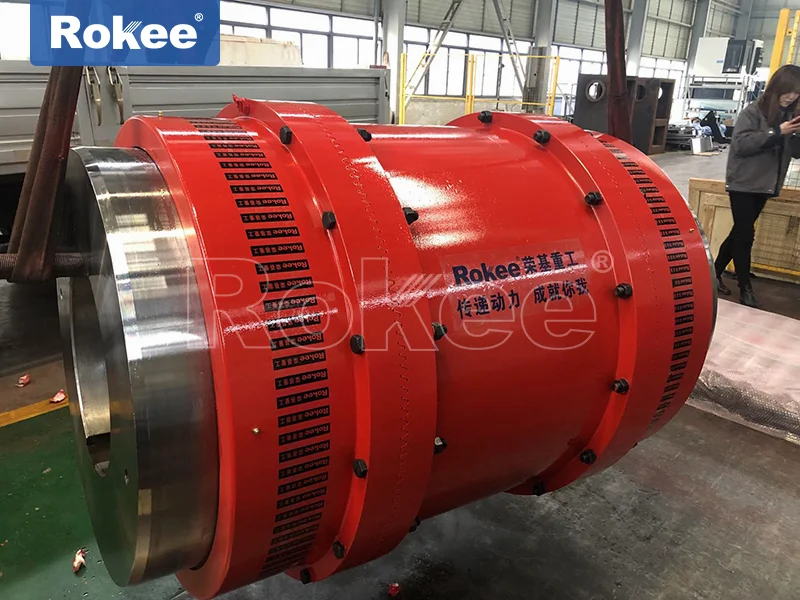
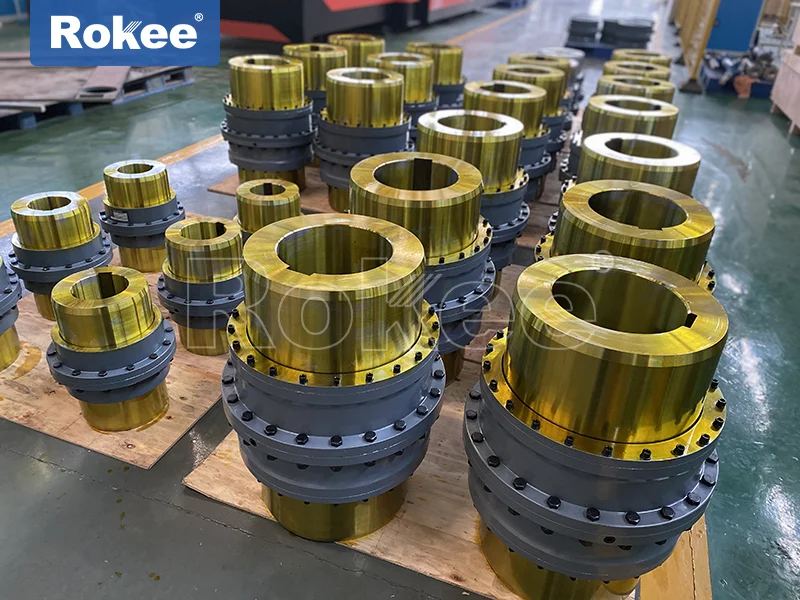
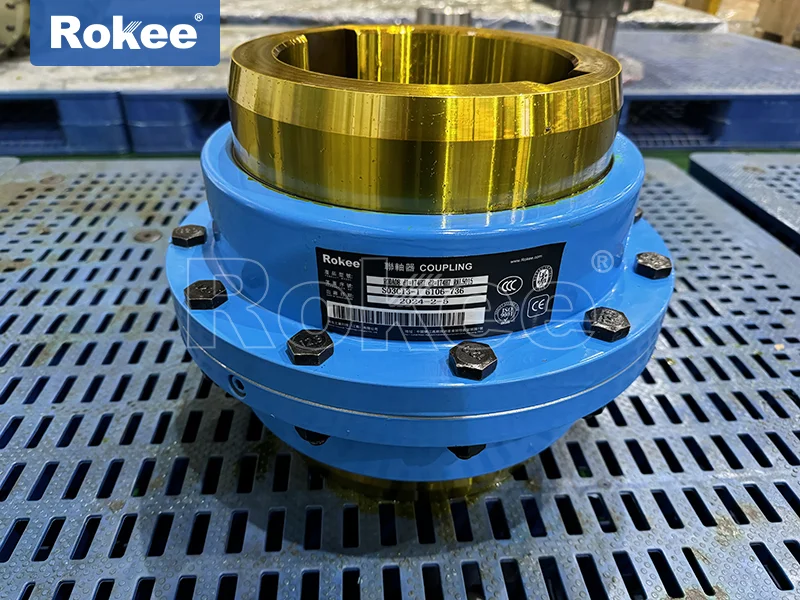
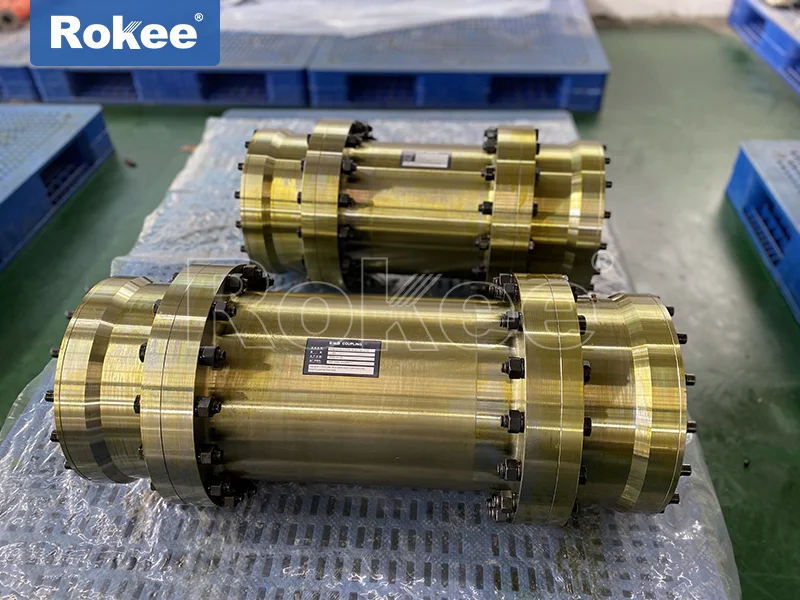
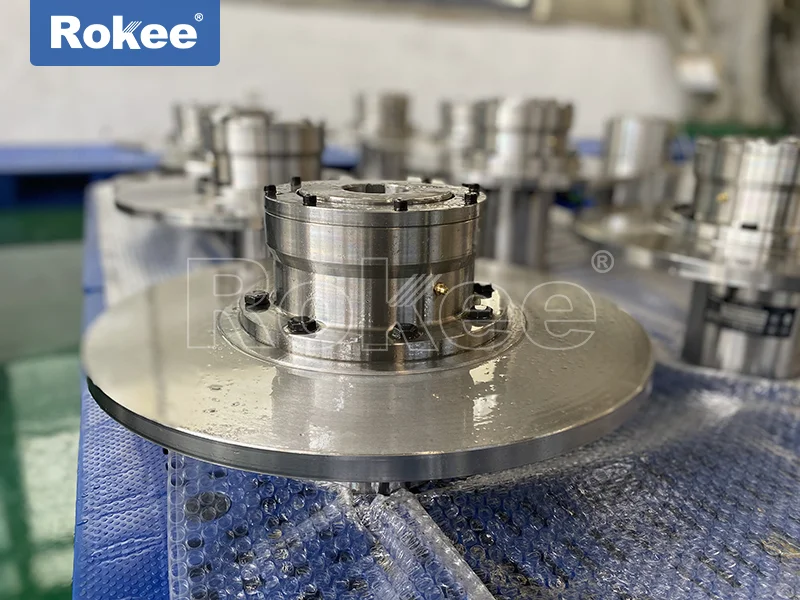
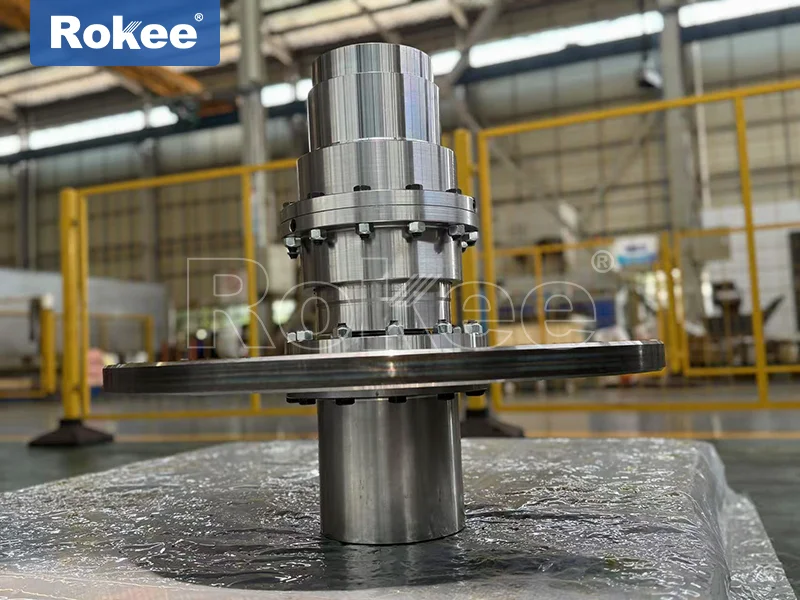
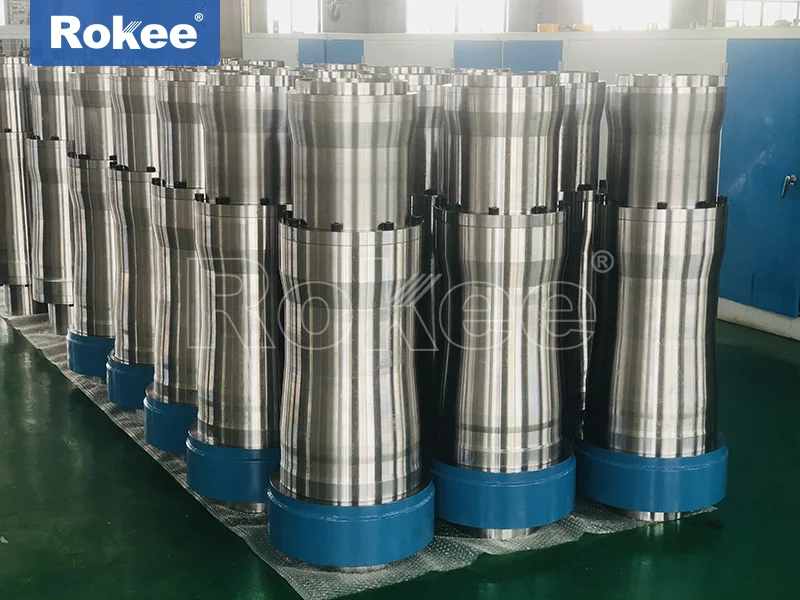
The structural design of large torque barrel gear couplings is the fundamental support for their superior performance. The overall structure adopts a combined layout of double half-couplings and outer sleeve, with no redundant transmission structures, realizing a compact and highly integrated mechanical design. The core difference from ordinary gear couplings lies in the special barrel-shaped curved tooth profile of the external gear teeth. The curved tooth surface design enables the gear pair to achieve uniform surface contact during meshing, rather than the linear contact state of traditional straight gear teeth. This structural optimization greatly increases the contact area between meshing teeth, disperses the instantaneous contact pressure generated during high-torque operation, and effectively avoids local stress concentration and tooth surface abrasion. Meanwhile, the internal gear teeth of the outer sleeve adopt a standard matching structure, which forms a precise meshing pair with the barrel-shaped external teeth, ensuring zero-delay transmission of rotational torque and minimizing power loss in the transmission process. The overall structural rigidity is fully guaranteed, which can resist large torsional impact and structural deformation caused by heavy loads, and maintain the geometric stability of the transmission system during long-term continuous operation.
The working mechanism of large torque barrel gear couplings follows the mechanical meshing principle of curved gear pairs and the flexible adaptive adjustment logic of shaft systems. In the actual operation of mechanical equipment, the driving shaft drives the fixed half-coupling and barrel-shaped external gear teeth to rotate synchronously, and the torque is stably transmitted to the internal gear sleeve through the close meshing of tooth surfaces, and then transferred to the driven half-coupling and the connected driven shaft, completing the power transmission between the two shafts. In this process, the rigid meshing structure ensures high-efficiency torque output, meeting the continuous power supply requirements of large-scale heavy-duty equipment. More importantly, the special curved tooth profile reserves sufficient flexible adjustment space for the shaft system operation. In the actual working environment, affected by various objective factors such as equipment installation deviation, foundation settlement, thermal expansion and contraction of metal components, and long-term operational vibration, the two connected transmission shafts cannot maintain absolute coaxial accuracy for a long time, and tiny deviations of axial, radial and angular displacement will inevitably occur. The barrel gear structure can adaptively compensate for these displacement deviations through the sliding and fitting of curved tooth surfaces during meshing operation, avoiding additional bending stress and shear stress on the shaft body, bearings and other components caused by shaft misalignment, and protecting the stability and safety of the entire transmission system.
The outstanding performance advantages of large torque barrel gear couplings are fully reflected in torque bearing capacity, operational stability and environmental adaptability. In terms of torque transmission, the optimized curved tooth meshing structure enables it to bear far higher load torque than ordinary gear couplings of the same specification. The uniform contact stress distribution makes each gear tooth participate in force bearing evenly, avoiding the problem of premature fatigue damage of individual gear teeth due to excessive local load. This characteristic makes it particularly suitable for low-speed, heavy-duty and intermittent impact load working conditions, which are common in heavy industrial production. In terms of operational stability, the smooth meshing of curved teeth eliminates the jitter and impact phenomenon in the transmission process of straight gear couplings, reduces operational vibration and running noise, and realizes more stable power output. For large mechanical equipment that needs long-term continuous operation, this stable transmission performance can effectively reduce the operating fluctuation of the equipment and improve the overall operational accuracy and production consistency.
In terms of environmental adaptability, large torque barrel gear couplings show strong tolerance to harsh working conditions. Heavy industrial production scenarios are often accompanied by high dust, high humidity, variable temperature and heavy load impact environments, which put forward high requirements on the wear resistance, corrosion resistance and structural stability of transmission components. The key meshing parts of the coupling are usually processed through precise finishing and special surface strengthening treatment, which significantly improves the surface hardness, wear resistance and fatigue resistance of the tooth surface. Even in long-term high-load friction operation, the tooth surface can maintain good geometric accuracy and meshing performance, avoiding transmission failure caused by tooth surface wear, pitting or glue loss. In addition, the compact closed structural design can effectively block external dust, debris and humid gas from entering the meshing area, reduce the corrosion and abrasion of internal gear pairs by external adverse factors, and extend the continuous service life of the equipment in harsh environments.
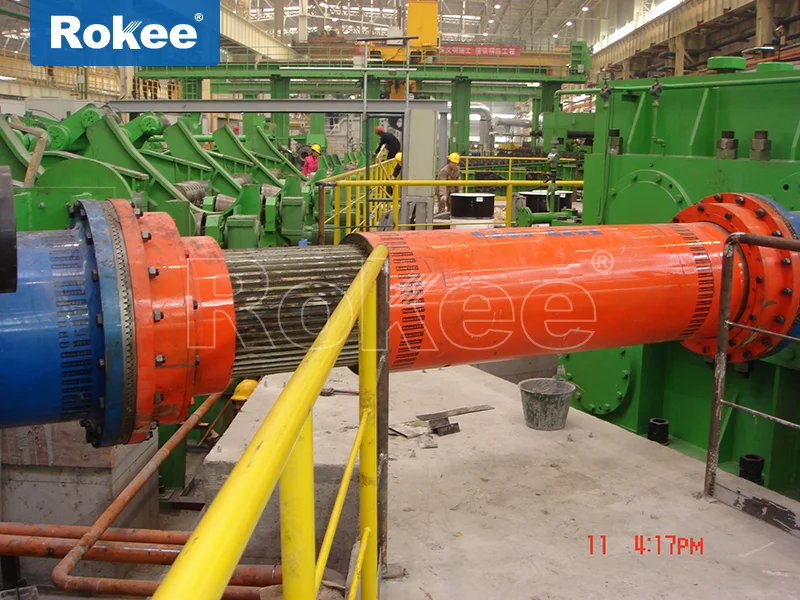
The application scenarios of large torque barrel gear couplings cover almost all heavy-duty mechanical transmission fields that require high torque and high stability. In the material handling industry, it is widely used in the transmission connection of crane hoisting mechanisms, conveyor equipment and large winding equipment. These equipments need to bear huge load torque during operation, and frequent start-stop and load changes will generate instantaneous impact torque. The excellent impact resistance and torque bearing capacity of barrel gear couplings can well adapt to such working conditions, ensuring the stable operation of hoisting and conveying systems. In the metallurgical industry, large rolling mills, smelting auxiliary equipment and cooling bed transmission equipment have extremely high requirements on transmission rigidity and stability. The continuous and stable torque transmission capability of barrel gear couplings can avoid transmission failure and equipment shutdown caused by torque fluctuation, and ensure the continuous and efficient operation of metallurgical production lines.
In the mining industry, the harsh working environment and heavy load operation conditions put forward strict tests on the reliability of transmission components. Large mining crushers, ball mills and mining transportation equipment often operate under ultra-heavy load and strong vibration conditions. The flexible compensation performance of large torque barrel gear couplings can effectively offset the shaft displacement deviation caused by equipment vibration and foundation deformation, while the high-rigidity meshing structure ensures stable output of crushing and rotating torque, reducing component failure rate and equipment maintenance frequency. In addition, in the fields of heavy machinery manufacturing, hydraulic engineering equipment and port handling equipment, this type of coupling also plays an irreplaceable role, providing reliable power transmission guarantee for various large-scale mechanical systems.
Reasonable maintenance and daily maintenance are key factors to ensure the long-term stable operation of large torque barrel gear couplings and give full play to their performance advantages. Although the coupling has high structural stability and wear resistance, long-term high-load operation will still cause gradual wear of meshing parts and aging of auxiliary structures. Daily maintenance work mainly includes regular inspection of operating status, lubrication maintenance and fault hidden danger troubleshooting. Lubrication is the core link of maintenance work. Good lubrication conditions can form a uniform oil film on the gear meshing surface, reduce friction and wear between tooth surfaces, absorb part of operational vibration and impact, and play a role in noise reduction and buffer protection. In the actual operation process, it is necessary to select matching lubricating materials according to the operating environment and load conditions, and regularly replace and supplement lubricants to avoid dry friction operation caused by insufficient lubrication, which leads to rapid wear of tooth surfaces and reduced transmission efficiency.
Regular visual inspection and operational monitoring are also essential. During the operation of the equipment, attention should be paid to observing the operating vibration, noise and temperature change of the coupling. Abnormal vibration and sharp noise often indicate problems such as poor meshing, loose installation or excessive wear of internal gear pairs. Sustained excessive temperature rise will accelerate the aging of metal fatigue and lubricant performance, and even cause thermal deformation of gear parts, affecting the coaxial accuracy and meshing effect of the transmission system. In addition, it is necessary to regularly check the fastening state of the connecting parts to avoid transmission displacement and vibration caused by loose fasteners, and ensure the overall structural tightness and installation accuracy of the coupling. For the couplings that have been operated for a long time, regular disassembly and inspection can be carried out to check the wear degree of the tooth surface, the existence of pitting, cracks and other defects, and replace the worn parts in time to avoid small faults evolving into major equipment failures.
Compared with other types of transmission couplings, the comprehensive performance advantages of large torque barrel gear couplings are very prominent. Elastic couplings rely on elastic components for flexible transmission, which have good vibration damping effect but limited torque bearing capacity, and are easy to age and damage under long-term high-load conditions, making them unsuitable for heavy-duty high-torque transmission scenarios. Rigid couplings have high transmission rigidity but no flexible compensation ability, which cannot adapt to shaft displacement deviation generated during equipment operation, and are easy to cause shaft and bearing damage. Large torque barrel gear couplings perfectly balance rigidity and flexibility: the rigid gear meshing structure ensures high-efficiency and high-torque power transmission, and the curved tooth flexible meshing design realizes adaptive compensation of various displacement deviations, taking into account transmission efficiency and equipment protection performance. This comprehensive performance makes it the preferred transmission component for heavy-duty mechanical systems and has a wider application range than single-performance couplings.
With the continuous upgrading of modern heavy industry towards large-scale, high-efficiency and intelligent development, the market demand for high-performance large torque transmission components is also constantly improving. Large torque barrel gear couplings, as mature and reliable transmission components, are also constantly optimized and upgraded in structural design, processing technology and material application. The continuous improvement of precision processing technology makes the tooth surface meshing accuracy higher, the transmission gap smaller, and the power transmission efficiency further improved. The application of new high-strength and wear-resistant materials further enhances the torque bearing capacity and fatigue resistance of the coupling, adapts to more extreme heavy-load working conditions, and extends the service cycle. At the same time, the optimized structural design makes the coupling more compact in layout, more convenient in installation and maintenance, and lower in later operation and maintenance costs, which can better meet the efficient and low-consumption operation needs of modern industrial equipment.
In industrial production practice, the application value of large torque barrel gear couplings is not only reflected in stable power transmission, but also in improving the overall operational efficiency of equipment, reducing failure downtime and saving production and maintenance costs. The high stability and low failure rate of the coupling ensure the continuous and uninterrupted operation of heavy-duty production lines, avoid production stagnation and efficiency loss caused by transmission component failure. The good adaptive protection performance can effectively reduce the vibration and impact damage of the shaft system, bearings and other core components, extend the service life of the entire mechanical transmission system, and reduce the frequency of equipment maintenance and component replacement. For modern industrial enterprises that pursue high efficiency and low cost, this long-term stable operational advantage can create continuous economic benefits for production and operation.
In conclusion, large torque barrel gear couplings, with their unique curved tooth meshing structure, excellent high-torque transmission capacity, flexible displacement compensation performance and strong environmental adaptability, have become an important basic component in the field of heavy-duty mechanical power transmission. They make up for the performance defects of traditional couplings in heavy-load transmission scenarios, solve many practical problems in the operation of large-scale mechanical equipment, and provide a solid guarantee for the stable and efficient operation of various heavy industrial equipment. With the continuous development of industrial technology and the continuous expansion of heavy-duty application scenarios, large torque barrel gear couplings will continue to exert their performance advantages, and further expand their application scope in more industrial fields, bringing more reliable technical support for the upgrading and development of modern heavy industry transmission systems.