Optimization Of Curved Tooth Coupling Application In Polyurethane Sandwich Panel Production Line
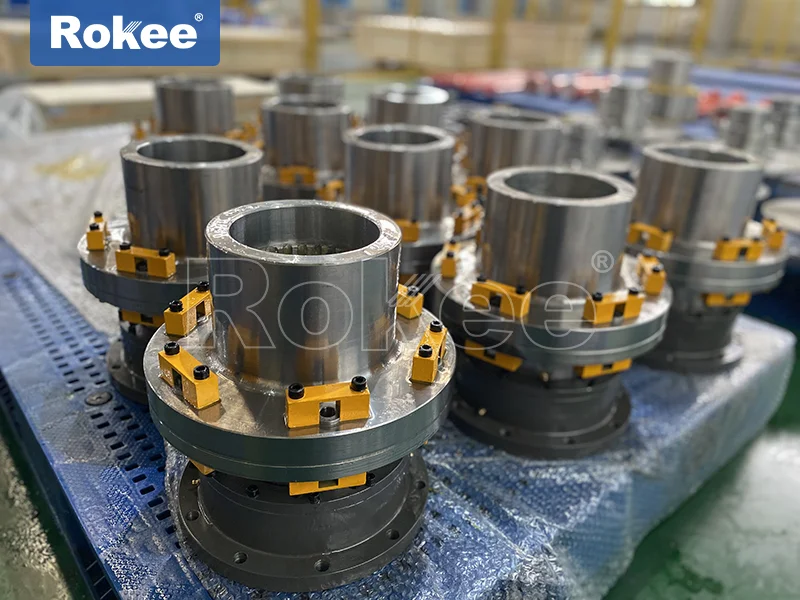
Polyurethane sandwich panel production has become a core segment of modern energy-saving building material manufacturing, featuring continuous high-speed operation, multi-station collaborative linkage and complex dynamic load changes throughout the entire production process. The whole production line involves multiple sets of rotating and transmission equipment, including feeding rollers, pressing devices, cutting systems and traction mechanisms, all of which rely on stable mechanical transmission to ensure consistent product thickness, flatness and overall structural uniformity. In the long-term continuous production process, the transmission system’s stability, wear resistance and misalignment adaptability directly determine the production line’s operating efficiency, product yield and maintenance cycle. Traditional straight-tooth couplings and ordinary rigid couplings often expose prominent defects in this working scenario, such as poor displacement compensation capability, severe local tooth surface wear, unstable torque transmission and easy vibration excitation under alternating loads, which easily cause transmission gap deviation, equipment operation jitter and even continuous production interruption, bringing hidden dangers to standardized and high-efficiency production of polyurethane sandwich panels. As a high-performance flexible transmission component, curved tooth couplings adopt unique curved tooth profile design, which forms a large-area uniform contact state during meshing transmission, effectively overcoming the shortcomings of traditional coupling structures, and can adapt to complex working conditions such as shaft misalignment, alternating torque and micro-vibration in continuous production lines. In-depth optimization of its application mode, installation matching and operating parameters in polyurethane sandwich panel production lines is of great practical significance for improving transmission stability, reducing equipment failure rate and extending the service life of transmission components.
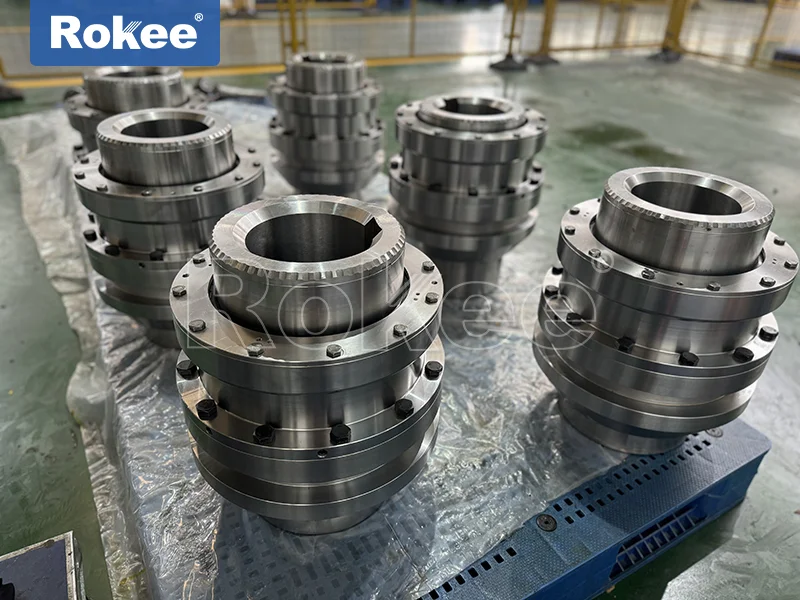
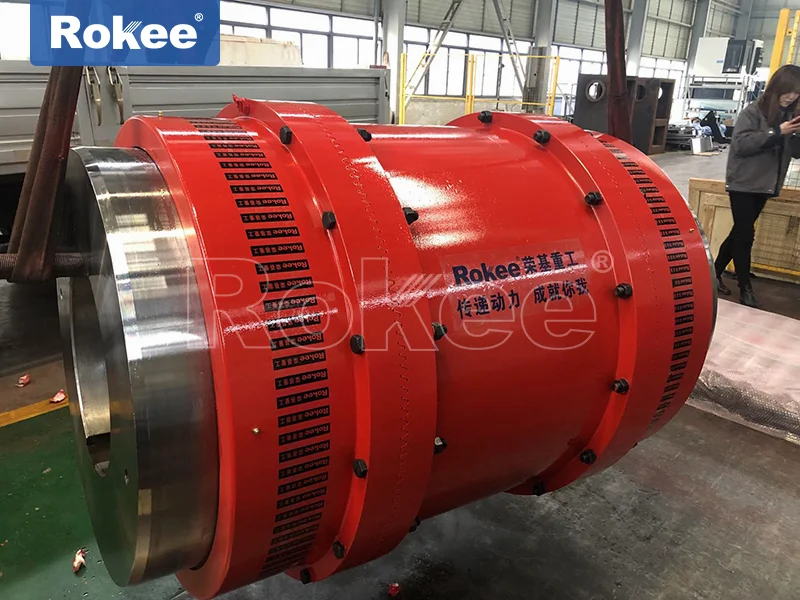
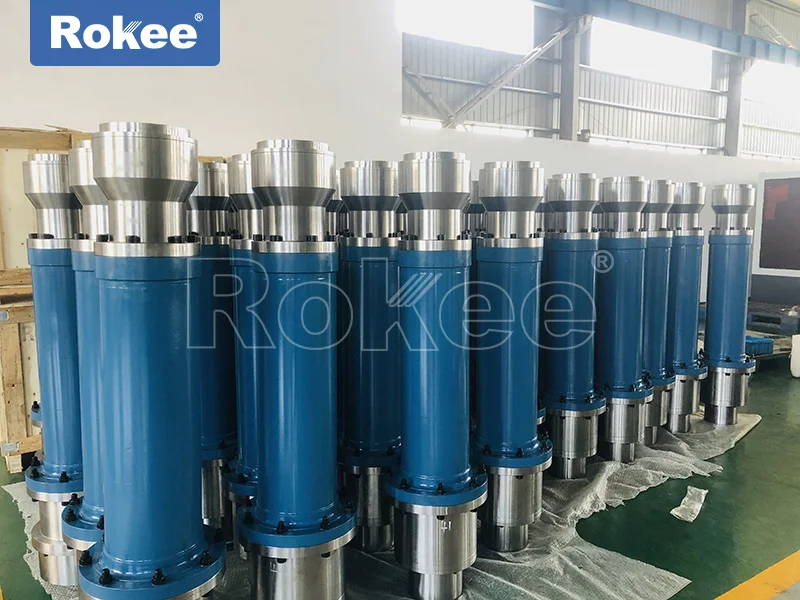
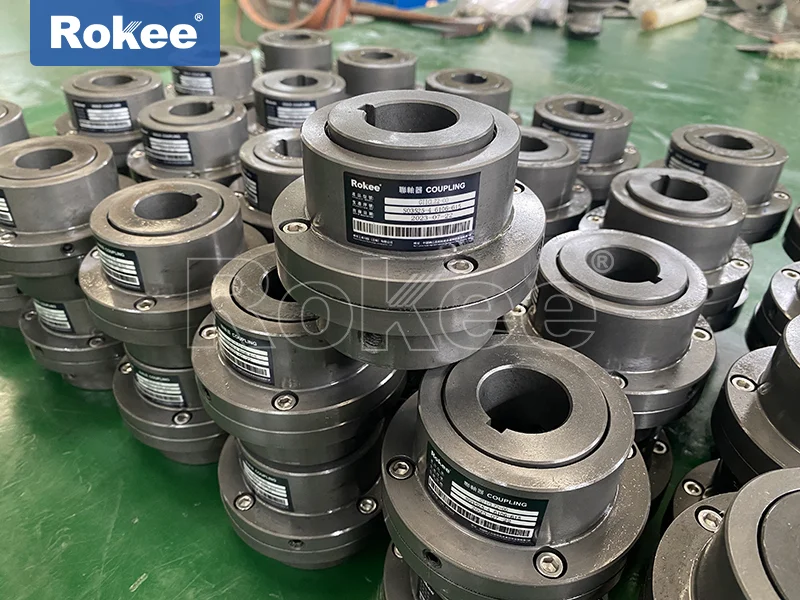
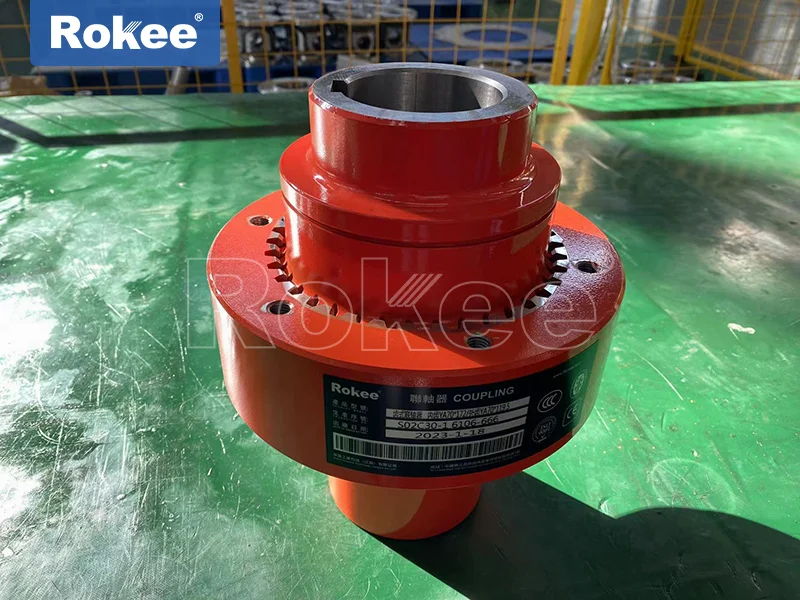
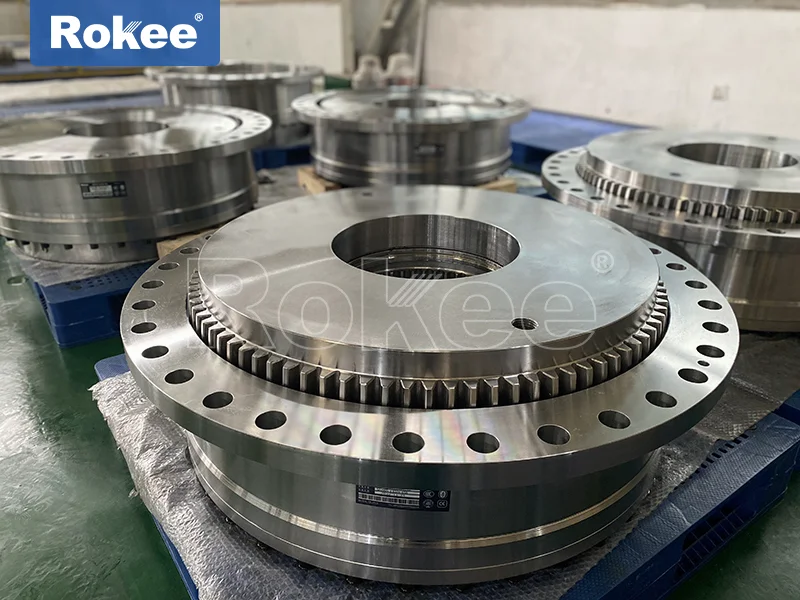
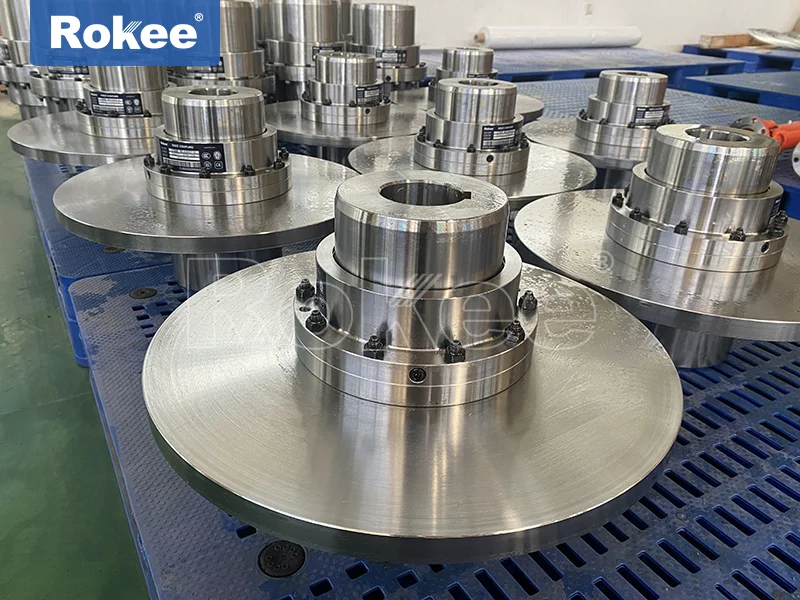
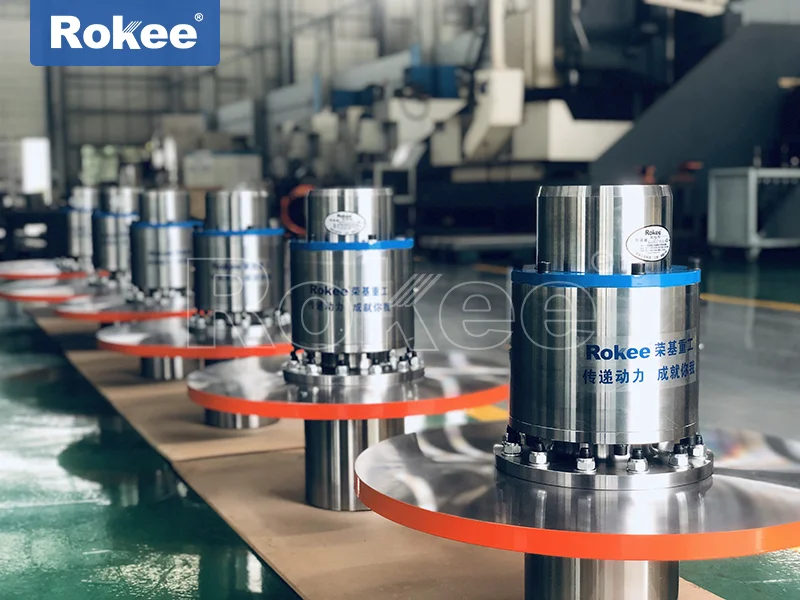
The structural characteristics and working mechanism of curved tooth couplings lay a solid technical foundation for their adaptive application in polyurethane sandwich panel production line. Different from the linear contact mode of traditional straight-tooth couplings, the teeth of curved tooth couplings are processed into smooth arc profiles through precision machining technology. This special structural design enables the internal and external teeth to maintain surface contact rather than line contact during the torque transmission process. The uniform contact stress distribution effectively avoids local stress concentration and excessive tooth surface friction, which is the core advantage of curved tooth couplings in long-term continuous operation. In the actual transmission process, the driving shaft drives the outer tooth hub to rotate synchronously, and the curved outer teeth mesh with the inner teeth of the intermediate sleeve through flexible contact, realizing stable transmission of torque and rotational speed. When the production line operates for a long time, thermal deformation of equipment components, mechanical vibration and assembly errors will inevitably cause slight angular displacement, radial displacement and axial displacement between the connected shafts. The curved tooth profile can produce tiny sliding and fitting adjustment during meshing, which actively compensates for various misalignment deviations of the transmission shaft system, ensuring that the torque transmission state remains stable without additional transmission resistance and vibration impact. In addition, the overall modular structure of the curved tooth coupling simplifies the component matching relationship, with good structural rigidity and fatigue resistance, which can withstand the alternating load impact generated by frequent start-stop, speed regulation and variable load operation of the polyurethane sandwich panel production line, and maintain consistent transmission accuracy for a long time.
The polyurethane sandwich panel production line has unique working condition characteristics that put forward higher targeted requirements for the performance of transmission couplings. The production process of polyurethane sandwich panels includes raw material feeding, high-pressure foaming, continuous pressing, fixed-length cutting, surface finishing and other links, all of which are completed on a fully connected continuous production line. The entire production process requires synchronous coordination of multi-group transmission equipment, and the transmission system needs to maintain high-precision synchronous operation to avoid plate thickness deviation, surface indentation and foaming uniformity defects caused by inconsistent roller speed and traction tension. The production line runs almost uninterruptedly for a long time, resulting in continuous alternating loads on the transmission shaft system. Meanwhile, the production environment has certain characteristics of dust accumulation and slight temperature change, which requires the coupling to have good wear resistance, temperature adaptability and anti-fatigue performance. Traditional coupling products are difficult to adapt to such comprehensive working conditions. Straight-tooth couplings have poor compensation ability for shaft misalignment, and tooth surface wear is concentrated on local areas. Long-term operation will lead to increased transmission gaps, resulting in jitter of pressing rollers and traction rollers, affecting the flatness of the sandwich panel surface. Ordinary elastic couplings have limited bearing capacity of torque, and are prone to elastic fatigue and deformation under long-term variable load conditions, leading to reduced transmission synchronization accuracy. In contrast, curved tooth couplings have excellent comprehensive performance in load bearing, misalignment compensation, wear resistance and stability, which can perfectly match the continuous and high-precision operation requirements of polyurethane sandwich panel production lines. However, in practical engineering applications, many production lines still have problems such as unreasonable coupling model matching, non-standard installation and debugging, and lack of targeted operation parameter optimization, resulting in the failure of curved tooth couplings to exert their optimal performance, and even premature wear and failure in advance.
The optimization of curved tooth coupling application in polyurethane sandwich panel production lines first focuses on model matching and structural parameter optimization based on production line working conditions. Different station equipment in the production line has differentiated transmission load and speed requirements. The traction and pressing mechanism bears large torque and stable load, while the cutting and finishing equipment has frequent speed changes and obvious alternating loads. Blind selection of general-purpose curved tooth couplings will lead to performance surplus or insufficient bearing capacity, affecting economic benefits and operating stability. The optimized matching principle is to conduct detailed load calculation and operating condition analysis according to the shaft diameter, rated speed, transmission torque and installation space of each transmission station. For the main transmission parts such as the main pressing roller and finished product traction roller with long-term high-load operation, priority should be given to curved tooth couplings with larger contact tooth surface width and higher integral rigidity to ensure sufficient torque transmission redundancy and avoid tooth surface overload wear. For auxiliary transmission parts such as material conveying and edge trimming with frequent speed regulation and small load fluctuation, compact curved tooth coupling structures can be selected to reduce equipment assembly space and improve transmission flexibility. At the same time, the tooth profile curvature and tooth side clearance parameters of the coupling need to be optimized in combination with the vibration characteristics of the production line. Appropriately optimizing the arc curvature of the teeth can further improve the adaptive compensation ability for micro misalignment of the shaft system, and reasonable tooth side clearance can avoid meshing jitter caused by thermal expansion of components during high-speed operation, while ensuring no idle gap in torque transmission, realizing zero-delay synchronous transmission of each station of the production line.
Installation precision and debugging process optimization is a key link to improve the service performance and service life of curved tooth couplings in sandwich panel production lines. The excellent misalignment compensation performance of curved tooth couplings does not mean that installation deviation can be ignored. Excessive assembly misalignment will still cause increased tooth surface friction, accelerated component fatigue loss and reduced transmission efficiency, which is an important cause of early failure of many couplings in actual production. The optimized installation process first standardizes the shaft alignment operation of the equipment. Before coupling installation, high-precision calibration of radial runout and axial deflection of the two connected shafts is carried out to control the initial installation misalignment within a reasonable precision range, reducing the compensation load borne by the coupling during operation. In the assembly process, the meshing state of the internal and external teeth is strictly checked to ensure uniform contact of all tooth surfaces, avoid local single-tooth overload meshing caused by assembly deviation, and eliminate abnormal wear and vibration noise. The fastening state of the coupling hub and the connecting key is also optimized in the installation link. Uniform fastening force is adopted to ensure synchronous rotation of the coupling and the shaft body without relative sliding, avoiding abrasion of the key connection part and transmission gap increase caused by loose assembly. After installation, no-load trial operation and graded load debugging are carried out. Through real-time monitoring of equipment vibration amplitude, operating noise and transmission stability, the installation state is fine-tuned to ensure that the coupling operates in the optimal meshing state, laying a foundation for long-term stable operation of the production line.
Operation and maintenance strategy optimization is crucial to maintain the long-term stable performance of curved tooth couplings in polyurethane sandwich panel production lines. The continuous production mode of sandwich panel manufacturing determines that the transmission equipment is in a long-term working state, and daily operation management and regular maintenance directly affect the service life and working efficiency of curved tooth couplings. In terms of operational optimization, scientific start-stop and speed regulation rules are formulated to avoid instantaneous impact load caused by violent start and sudden speed change. Gentle start and graded speed adjustment can effectively reduce the instantaneous meshing pressure of coupling teeth and avoid tooth surface fatigue damage caused by impact load. For the production line with periodic load fluctuation, the operating state of the coupling is monitored in real time through equipment operating parameters, and abnormal vibration and noise early warning mechanisms are established to timely find potential meshing abnormalities and wear faults. In terms of maintenance optimization, targeted regular maintenance cycles are formulated according to the load intensity of different stations. High-load transmission parts adopt short-cycle inspection and maintenance, focusing on checking tooth surface wear degree, lubrication state and shaft connection tightness. Low-load auxiliary stations adopt conventional periodic maintenance to reduce unnecessary maintenance costs. Lubrication optimization is the core of coupling maintenance. Selecting high-temperature and wear-resistant lubricating media suitable for the production environment, and regularly replacing and supplementing lubricating grease to ensure that the tooth meshing surface forms a stable lubricating film, which can effectively reduce dry friction and abrasive wear between tooth surfaces, reduce operating temperature, and inhibit fatigue crack growth of tooth profiles. At the same time, regular cleaning of coupling surface dust and sundries is carried out to avoid abrasive particles entering the meshing gap and causing accelerated wear of precision tooth surfaces.
The application optimization of curved tooth couplings has produced significant practical effects in improving the operating performance of polyurethane sandwich panel production lines and product quality. After adopting targeted optimization measures in model matching, installation debugging and operation maintenance, the transmission stability of each station of the production line is greatly improved. The micro-vibration and jitter problems of pressing rollers and traction rollers in the original production process are effectively solved, the synchronization error of multi-station transmission is significantly reduced, and the consistency of plate thickness and surface flatness of polyurethane sandwich panels is significantly improved, effectively reducing product defective rate caused by transmission system instability. The optimized curved tooth coupling gives full play to the advantages of uniform stress transmission and strong misalignment compensation ability, the wear rate of tooth surface is greatly reduced, and the overall service life of transmission components is extended by a large margin. The failure frequency of the production line caused by transmission component damage and transmission gap deviation is significantly reduced, the effective operating rate of the equipment is improved, and the invalid downtime and maintenance labor cost are reduced. In addition, the stable transmission state reduces the vibration and impact of the equipment during operation, avoids the loosening and damage of other mechanical components of the production line caused by long-term vibration, and improves the overall operating stability and service life of the entire production line equipment. The optimized application mode also realizes the matching of coupling performance and production line working conditions, avoids performance waste caused by excessive configuration and production hidden dangers caused by insufficient configuration, and improves the economic operation benefit of the production line.
In conclusion, the curved tooth coupling, as an efficient and stable flexible transmission component, has irreplaceable application advantages in polyurethane sandwich panel production lines with continuous operation, high synchronization precision and complex dynamic load characteristics. Its unique curved tooth surface meshing structure and good misalignment compensation ability can effectively solve many transmission pain points of traditional couplings in sandwich panel production equipment. Scientific optimization of application links such as working condition matching, installation precision, operation rules and maintenance strategies can maximize the structural performance of curved tooth couplings, realize long-term high-efficiency and stable transmission of the production line, and provide reliable mechanical transmission guarantee for high-quality and low-consumption production of polyurethane sandwich panels. With the continuous upgrading of building material manufacturing equipment towards high efficiency, precision and intelligence, the transmission system matching optimization of production equipment will become more and more important. Further in-depth research on the dynamic matching mechanism between curved tooth coupling structural parameters and production line working conditions, and continuous improvement of full-cycle application optimization schemes will help to further release the application potential of curved tooth couplings in building material continuous production equipment, and promote the overall operation level and intelligent manufacturing level of polyurethane sandwich panel production lines to be continuously improved.