PU Sandwich Panel Production Line Is Equipped With Gear Coupling With Higher Transmission Accuracy
The continuous upgrading of building thermal insulation and enclosure material manufacturing technology has put forward more stringent requirements for the operational precision and stability of automated production lines. PU sandwich panels, as core lightweight thermal insulation and structural materials widely used in modern industrial plants, cold storage buildings, and integrated housing construction, rely entirely on the coordinated operation of automated production equipment to achieve consistent product thickness, uniform foaming density, and stable surface flatness. In the full-process continuous production of PU sandwich panels, the power transmission system serves as the core power source connecting all functional units of the production line, and the transmission accuracy directly determines the overall operating state of the equipment and the final quality of finished panels. Traditional flexible transmission connecting parts often suffer from transmission gaps, rotational deviation, and asynchronous operation during long-term high-load operation, which easily causes subtle deviations in roller speed, feeding rhythm, and foaming execution of the production line, ultimately leading to inconsistent panel specifications, uneven bonding interfaces, and reduced product qualification rate. To solve the pain points of low transmission precision and poor operational stability in traditional production lines, modern PU sandwich panel production lines are universally equipped with high-precision gear coupling transmission structures, which effectively optimize the power transmission efficiency and operational synchronization of the entire production line through precise gear meshing transmission, laying a solid mechanical foundation for high-precision and high-stability panel production.
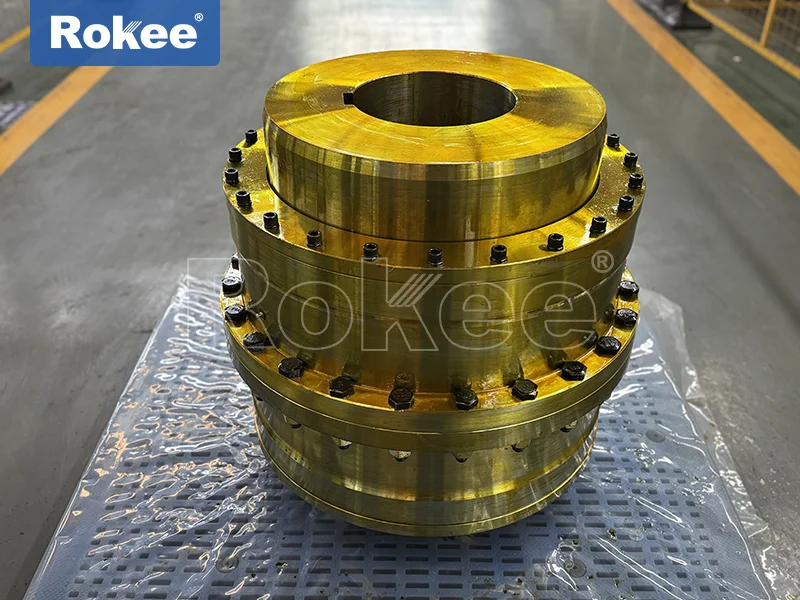
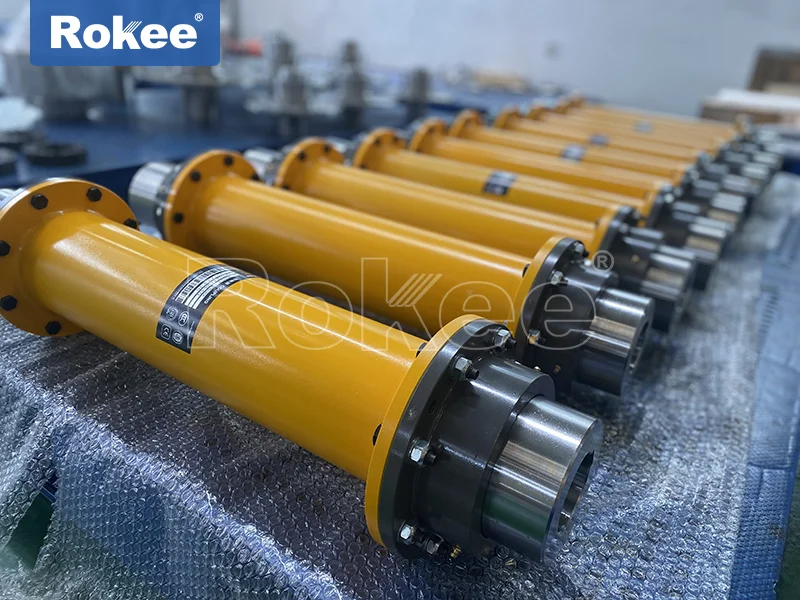
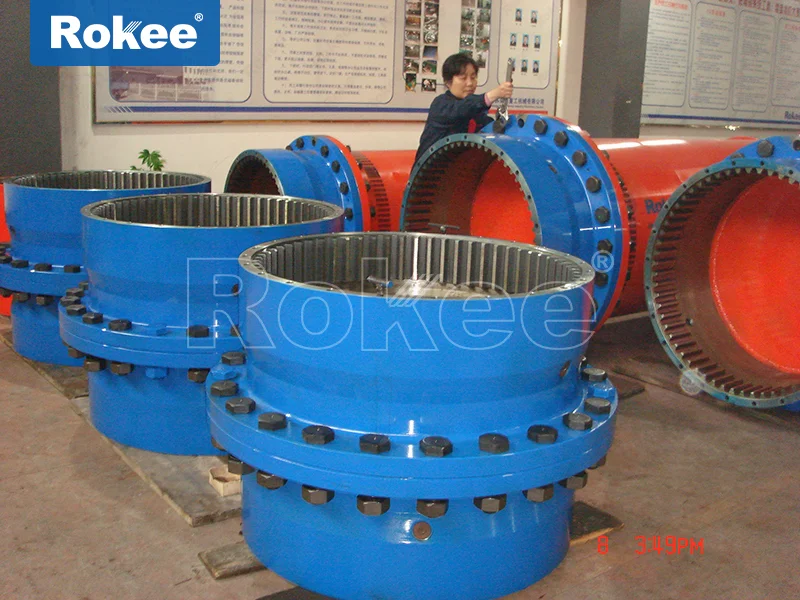
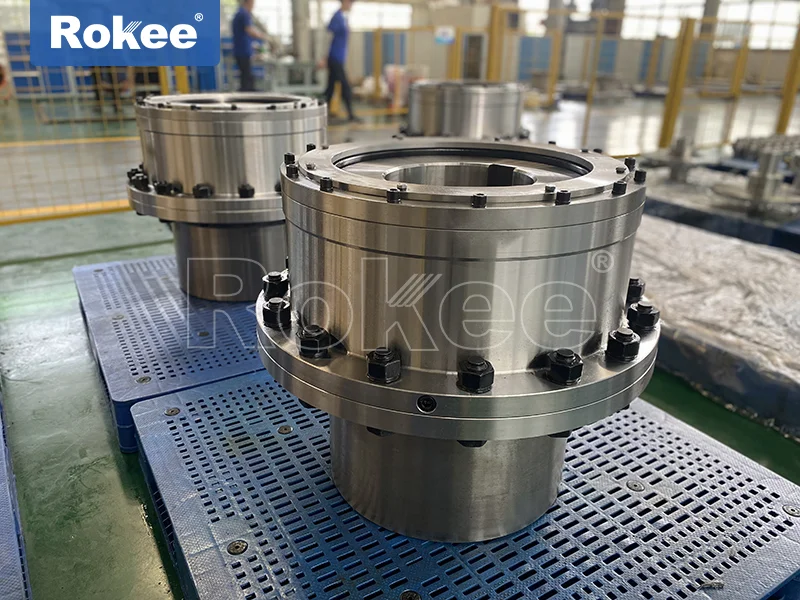
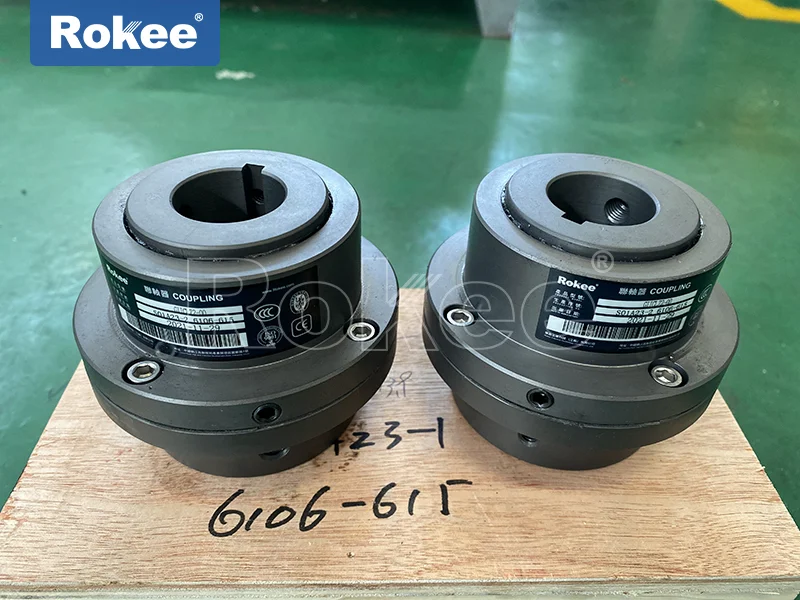
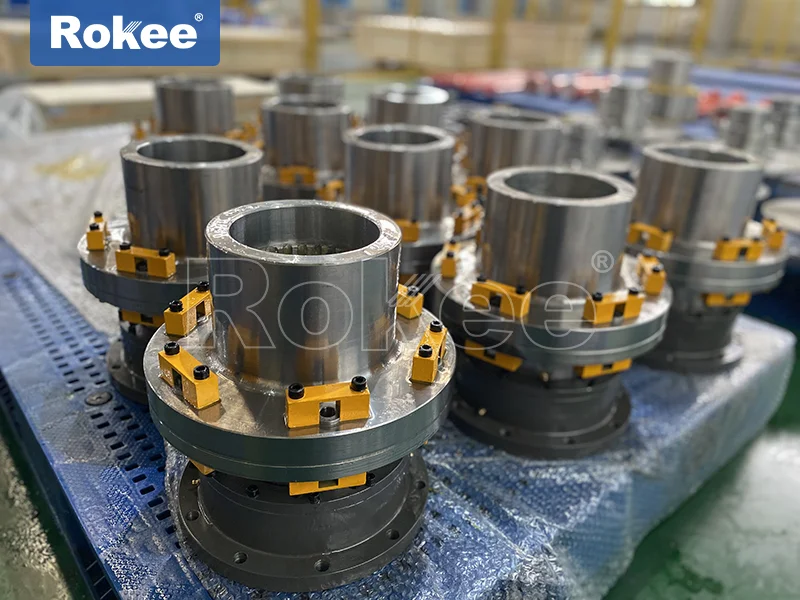
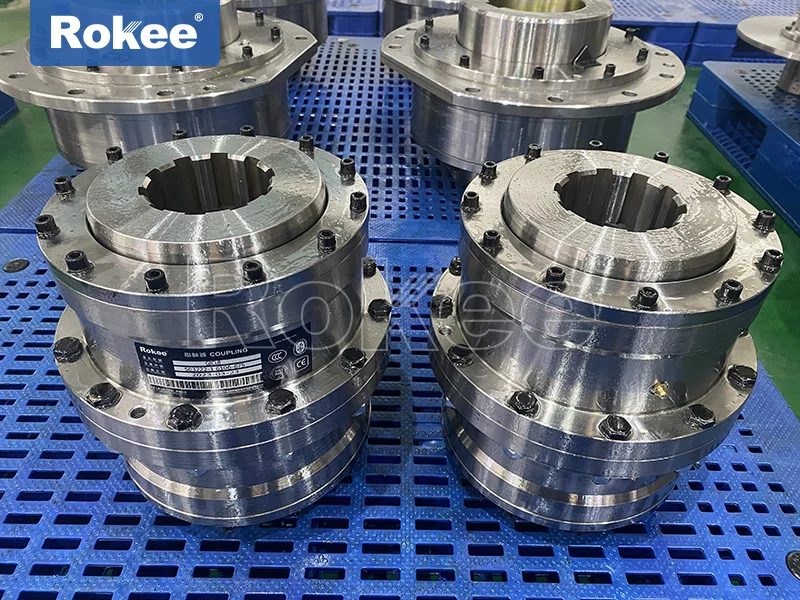
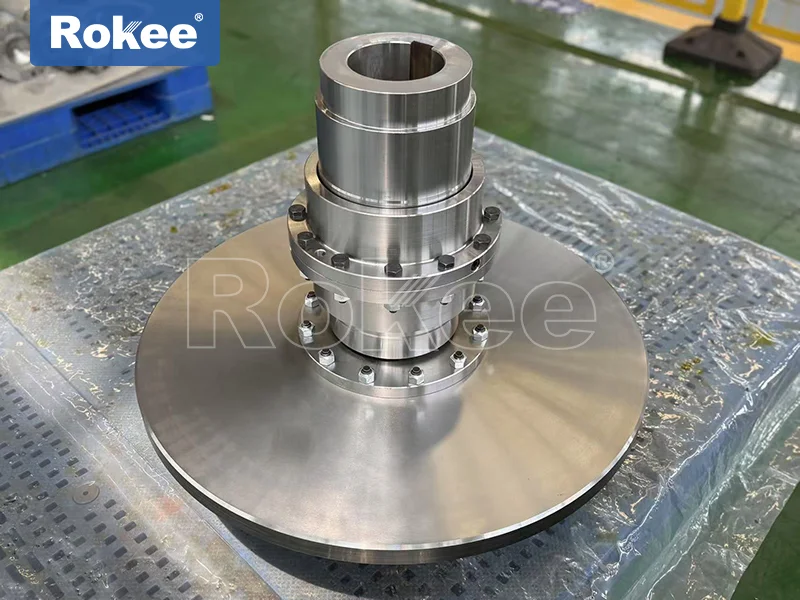
Gear coupling is a high-efficiency mechanical transmission component designed for high-torque and high-precision industrial transmission scenarios, and its unique structural design and working principle make it far superior to traditional coupling structures in transmission accuracy and error compensation capability. The basic structure of a standard gear coupling consists of two external gear hubs and an integral internal gear sleeve, with all gear teeth processed through precision machining and special tooth profile modification. Different from ordinary gear transmission structures that focus on speed conversion and direction adjustment, the core design purpose of gear coupling is to realize synchronous torque transmission between driving shafts and driven shafts while retaining limited and controllable displacement compensation capability. The external gear teeth on the hub adopt a crowned tooth profile design, with the tooth surface presenting a smooth curved transition along the axial direction. This optimized structure enables the gear teeth to achieve full-surface uniform contact during meshing operation, avoiding the local stress concentration and tooth tip friction problems caused by linear tooth profile contact in traditional structures. In the actual operation of PU sandwich panel production lines, this precision meshing structure can effectively eliminate the idle rotation gap existing in traditional transmission connections, ensuring that the torque output of the power unit can be transmitted to each functional execution component in real time and synchronously without delay or deviation.
The high transmission accuracy of gear coupling is fully reflected in the full-cycle operation process of PU sandwich panel production line, covering raw material feeding, continuous rolling, PU foaming and curing, panel trimming, and finished product conveying. In the raw material feeding stage of the production line, the accurate synchronization of the upper and lower steel plate feeding speed and the PU material extrusion metering speed is the key to ensuring the uniform thickness and consistent density of sandwich panels. Traditional transmission systems often have tiny speed differences between multiple transmission shafts due to transmission errors. When the speed deviation accumulates to a certain extent, it will cause uneven stretching of steel plates and unstable material output during foaming, resulting in partial thickening or thinning of the panels and irregular foaming pores inside the core material. After adopting high-precision gear coupling, the meshing fit gap between gears is controlled within an extremely low range, which realizes zero-delay synchronous rotation between the driving shaft and each driven shaft. The consistent speed of all feeding and conveying rollers in the production line ensures that the steel plate substrates can be stably and evenly transported at a constant speed, and matches the quantitative extrusion rhythm of PU foaming materials accurately, so that the foaming reaction can be carried out in a stable and uniform space and speed environment, effectively improving the internal compactness and structural uniformity of PU sandwich panels.
In the core rolling and shaping process of PU sandwich panels, the high-precision transmission performance of gear coupling solves the problem of running deviation and jitter of the pressing roller group, which is a common defect in traditional production equipment. The pressing roller group undertakes the core function of compounding and shaping upper and lower steel plates with PU foaming core materials, and the parallelism and rotational synchronization of each roller directly determine the flatness and overall thickness uniformity of the finished panels. When the traditional transmission structure operates under long-term high-load pressure, the elastic deformation of connecting parts and cumulative transmission errors will cause slight angular deviation and radial displacement of individual rollers. This subtle mechanical deviation will be amplified in the continuous rolling process, leading to uneven pressing force on the panel surface, local warping of steel plates, and inconsistent overall thickness of the same batch of panels. The gear coupling used in modern production lines has excellent misalignment compensation capability on the basis of ensuring high-precision transmission. Its special tooth profile structure can adapt to tiny angular misalignment, radial offset and axial displacement between shafts caused by equipment operation vibration and thermal expansion, and always maintain tight meshing and synchronous operation of gear pairs during dynamic operation. This performance ensures that all pressing rollers can maintain a stable parallel operating state and consistent rotational speed under long-term load, so that each position of the sandwich panel can receive uniform pressing force during compound shaping, realizing precise control of panel thickness and effectively improving the surface flatness and overall structural consistency of finished products.
The high-precision transmission characteristics of gear coupling also bring significant improvements to the operational stability and service life of the entire PU sandwich panel production line. Industrial automated production lines need to operate continuously for a long time under high-load and high-frequency working conditions, and the stability of the transmission system directly affects the failure rate and maintenance cycle of the equipment. Traditional coupling structures are prone to periodic impact and friction loss due to transmission gaps during frequent start-stop and variable-speed operation. Long-term cumulative loss will lead to increased transmission errors, abnormal equipment vibration, and even abnormal noise and component wear, which not only affects production accuracy but also increases equipment maintenance costs and downtime losses. The precision gear meshing mode of gear coupling realizes almost gap-free power transmission. The uniform contact of the curved tooth surface disperses the transmission impact force generated during equipment start-up, speed regulation and load change, effectively reducing mechanical vibration and friction loss in the transmission process. In the long-term continuous production process, this stable transmission state can always maintain the high-precision operating state of each functional unit of the production line, avoid product quality fluctuations caused by equipment fatigue operation, and greatly extend the service life of key transmission components.
In addition to improving production accuracy and equipment stability, the application of high-precision gear coupling also optimizes the overall production efficiency and energy utilization rate of PU sandwich panel production lines. Gap-free synchronous transmission greatly reduces power loss caused by transmission deviation and mechanical friction. The torque output by the power unit can be efficiently converted into the operating power of the production line’s functional components, avoiding invalid energy consumption caused by transmission lag and mechanical idle running. In the batch continuous production of sandwich panels, the stable and consistent operating speed of the equipment eliminates the need for frequent speed adjustment and parameter calibration caused by transmission errors, simplifies the production operation process, and improves the continuity and fluency of the production process. At the same time, the excellent dynamic balance performance of gear coupling during high-speed operation ensures that the production line can maintain a high-precision operating state even under high-speed production conditions, realizing the dual improvement of production speed and product quality, and effectively increasing the single-unit output and comprehensive production benefit of the production line.
The structural durability and environmental adaptability of gear coupling also make it highly suitable for the long-term industrial operation environment of PU sandwich panel production lines. The core gear components are processed through precision forging and fine grinding, with high structural rigidity and wear resistance, which can resist mechanical wear and deformation under long-term high-torque operation. The internal closed lubrication structure can maintain a stable lubricating state of the gear meshing surface for a long time, avoid dry friction and abrasive wear caused by dust and impurities in the production environment, and ensure that the transmission accuracy will not decay with the extension of service time. In the actual production scenario of PU sandwich panels, factors such as equipment operation vibration, ambient temperature change and mechanical load fluctuation are inevitable. The composite performance of high-precision transmission and flexible displacement compensation of gear coupling can well adapt to these complex operating conditions, always maintain the synchronous coordination of all links of the production line, and ensure the consistency and stability of product quality in long-term batch production.
From the perspective of industrial production upgrading, the popularization and application of high-precision gear coupling in PU sandwich panel production lines is an important manifestation of the high-end and precise development of building material manufacturing equipment. The traditional production mode relying on simple mechanical transmission can no longer meet the market's high requirements for the precision, consistency and stability of building thermal insulation materials. With the continuous improvement of building energy-saving standards and the continuous expansion of the application scenarios of PU sandwich panels, the market has put forward higher requirements for the dimensional accuracy, thermal insulation performance and structural stability of finished panels. Slight deviations in the production process will affect the overall thermal insulation effect and assembly accuracy of the panels, and even cause hidden dangers for subsequent engineering construction. The high-precision transmission advantage of gear coupling fundamentally solves the mechanical precision bottleneck of traditional production lines, realizes fine control of each production link from feeding, foaming to shaping and trimming, and promotes the overall production level of PU sandwich panels to a new level.
In practical industrial application, the production line equipped with high-precision gear coupling shows obvious advantages in product quality control and operational stability compared with the traditional equipment. The finished PU sandwich panels produced have more uniform overall thickness, denser and more uniform internal foaming structures, smoother and flatter composite interfaces between steel plates and core materials, and fewer defective products such as deformed panels and unqualified thermal insulation performance. The stable transmission system reduces equipment failure rates and downtime, improves the continuous operation capacity of the production line, and creates more stable production conditions for large-scale batch production. At the same time, the low-loss and high-efficiency transmission characteristics also reduce the daily operation and maintenance cost of the equipment, bringing better economic benefits for industrial production.
In conclusion, the configuration of high-precision gear coupling is a key mechanical optimization for modern PU sandwich panel production lines. Its unique precision meshing transmission mode, excellent dynamic compensation performance and stable long-term operation capability effectively make up for various defects of traditional transmission structures in precision control and stable operation. By improving the synchronous coordination accuracy of each functional unit of the production line, it realizes fine and standardized control of the whole production process of PU sandwich panels, ensures the stable improvement of finished product quality and production efficiency, and provides reliable mechanical technical support for the high-quality and large-scale production of building thermal insulation enclosure materials. With the continuous progress of mechanical manufacturing technology, the precision and comprehensive performance of gear coupling will be further optimized, which will continue to promote the intelligent and precise upgrading of PU sandwich panel production equipment and drive the high-quality development of the building material manufacturing industry.