Teeth Coupling Flexible Shaft Connection
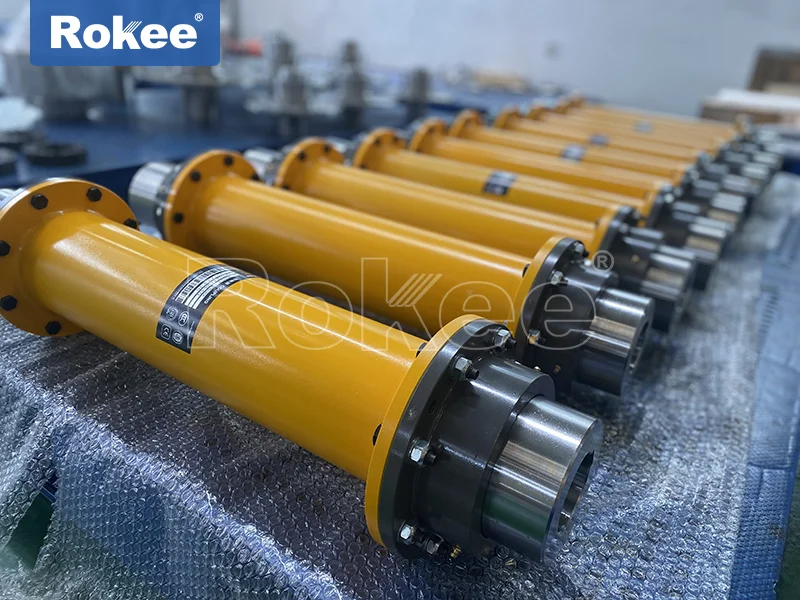
Teeth coupling flexible shaft connection is a core power transmission component widely adopted in modern mechanical transmission systems, integrating high-efficiency torque transmission and flexible adaptive adjustment functions. Distinct from rigid shaft connection structures, this connection mode relies on the meshing fit between internal and external gear teeth to transmit rotational power, while utilizing the flexible clearance and tooth surface sliding characteristics of gear structures to compensate for various minor shaft misalignments generated during equipment operation. It effectively buffers instantaneous impact loads and vibration interference, avoiding rigid stress concentration and component wear caused by shaft position deviation. Featuring compact structural layout, strong load-bearing capacity and stable long-term operation performance, it adapts to complex and variable working conditions of various mechanical equipment. This article comprehensively elaborates on its structural characteristics, working principles, core performance advantages, practical application scenarios, installation essentials, maintenance strategies and industrial application value, providing in-depth analysis of its operational logic and application advantages in mechanical transmission systems.
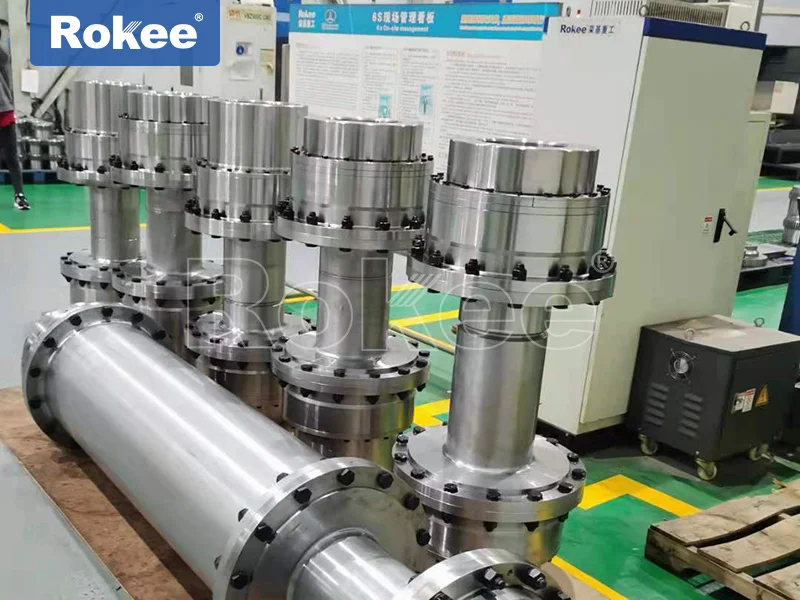
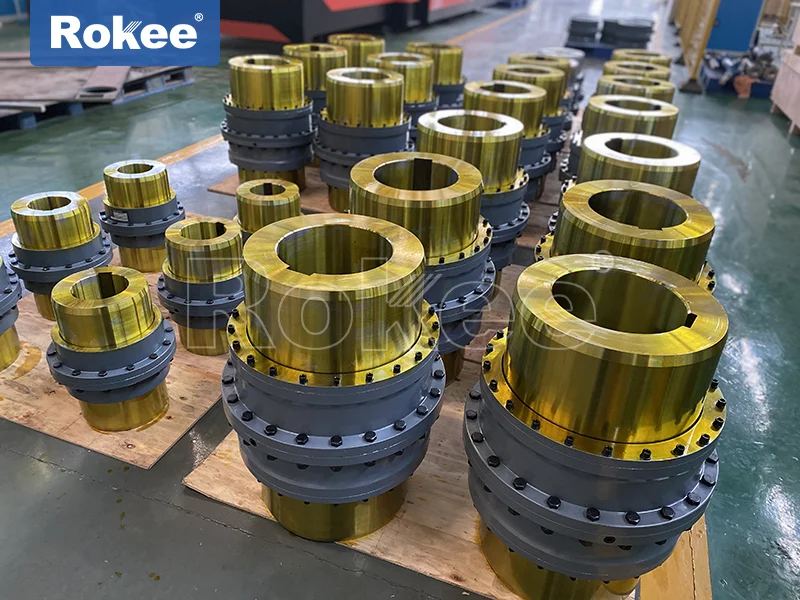
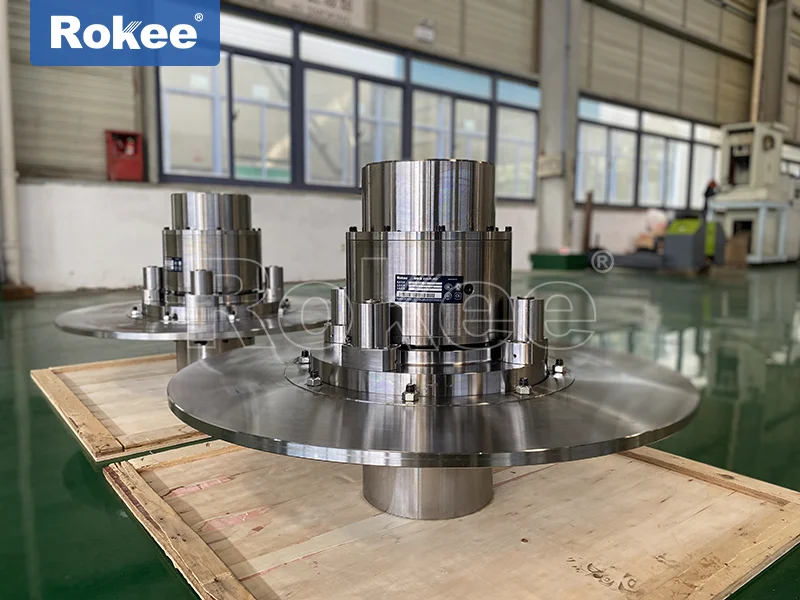
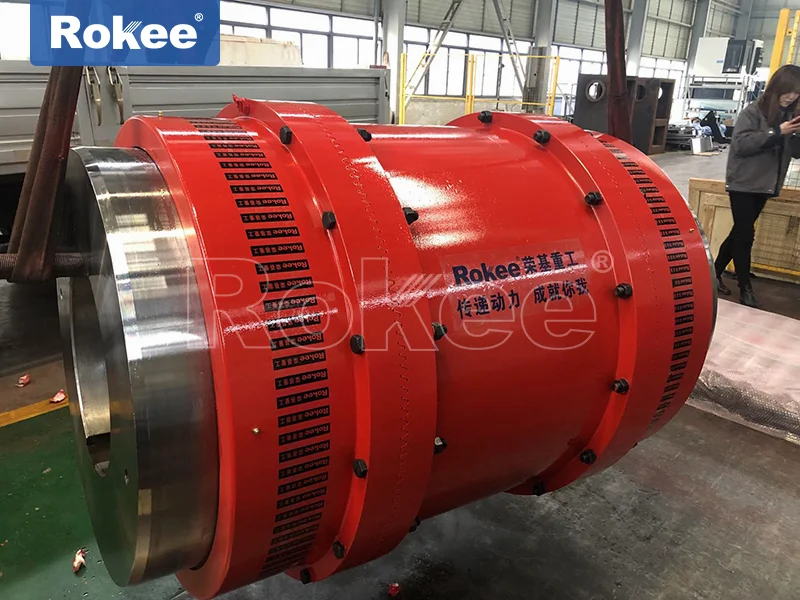
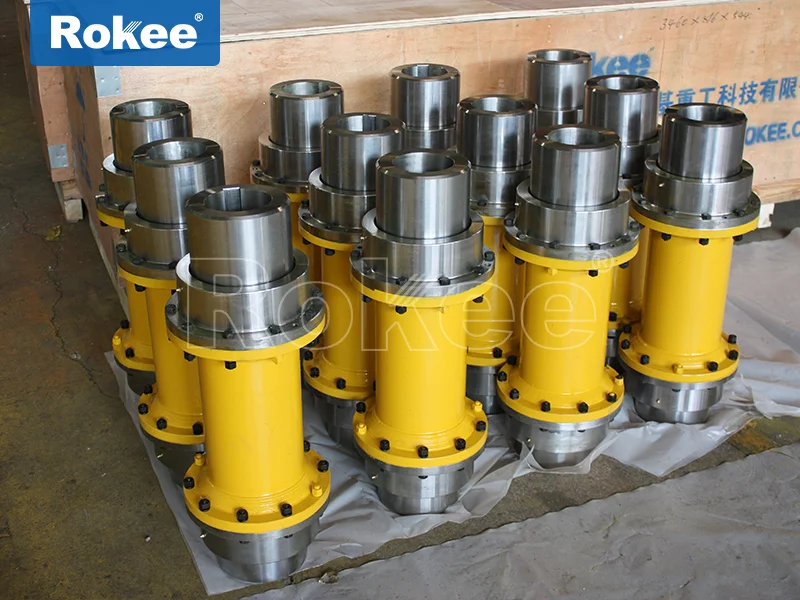
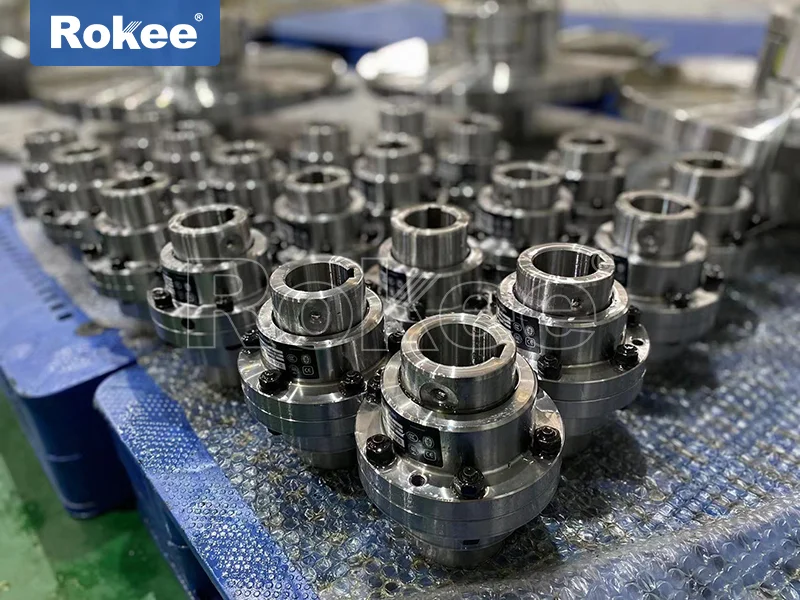
The basic structural composition of teeth coupling flexible shaft connection is simple and sophisticated, forming a complete power transmission assembly with highly coordinated matching parts. The main components include two symmetric gear hubs with external teeth and a closed outer sleeve with internal teeth, which together constitute the core meshing transmission structure. Most external teeth on the hubs adopt a crowned tooth profile design, which subtly optimizes the contact state between tooth surfaces during meshing movement. This special tooth profile can avoid rigid edge contact and local stress concentration when the connected shafts produce tiny angular, radial or axial deviations. The outer sleeve wraps the two gear hubs inside to form a closed transmission space, which not only ensures the stability of gear meshing but also provides favorable conditions for internal lubrication and dust isolation. In addition, the matching sealing structures and limit accessories are equipped at both ends of the sleeve, which can effectively prevent external impurities such as dust and moisture from invading the meshing area and avoid the leakage of internal lubricating media. The overall structure does not occupy excessive installation space, realizing high-density power transmission in a compact volume, and the modular design makes the assembly structure more regular and convenient for integrated installation with mechanical equipment.
The working principle of teeth coupling flexible shaft connection is based on gear meshing transmission and flexible adaptive adjustment, realizing efficient and stable power transmission between driving shafts and driven shafts. During equipment operation, the driving shaft drives the connected gear hub to perform synchronous rotational motion, and the external tooth surfaces of the hub continuously apply uniform thrust to the internal tooth surfaces of the outer sleeve through meshing contact. Driven by the friction and extrusion force between mutually meshed tooth pairs, the outer sleeve rotates synchronously and transmits torque to the gear hub on the driven shaft side, thereby driving the driven shaft to operate stably. When the mechanical system is affected by equipment vibration, installation errors or thermal deformation to produce shaft misalignment, the flexible fit gap between gear teeth allows relative sliding and tiny angle adjustment between meshing tooth surfaces. This adaptive adjustment characteristic can completely offset the additional load and torsional stress generated by shaft position deviation, ensuring that the torque transmission process remains continuous and uniform without obvious power fluctuation. Even in the state of frequent start-stop and variable load operation, the gear meshing structure can still maintain stable transmission contact, avoiding transmission failure caused by instantaneous load mutation.
Teeth coupling flexible shaft connection has outstanding comprehensive performance advantages compared with traditional rigid couplings and ordinary flexible couplings. First of all, it has extremely high torque transmission efficiency, and the precise gear meshing structure can realize almost lossless power transmission, with no obvious power attenuation in the long-term transmission process, which is far superior to elastic flexible couplings with easy deformation and energy loss. Secondly, its multi-directional deviation compensation capability is prominent, which can simultaneously adapt to angular deviation, radial displacement and axial displacement between connected shafts, solving the common operation failure problems of mechanical transmission systems caused by installation errors and operational deformation. In terms of load resistance, the gear meshing structure has strong structural rigidity and impact resistance, which can bear instantaneous impact loads and alternating loads generated by equipment start-stop, load switching and sudden working condition changes, and will not produce plastic deformation or structural damage. In addition, the overall structural wear resistance and fatigue resistance are excellent. Through reasonable tooth profile optimization and structural design, the uniform stress distribution of each tooth pair is ensured, avoiding local excessive wear, so as to extend the overall service life of the coupling and reduce the failure rate of mechanical transmission components.
With its excellent transmission performance and environmental adaptability, teeth coupling flexible shaft connection is widely used in various industrial mechanical transmission scenarios that require high load, high stability and long-term continuous operation. In heavy machinery and engineering equipment, it is applied to the transmission systems of hoisting equipment, conveying machinery and crushing equipment, adapting to frequent load changes and impact working conditions, and ensuring the stable operation of heavy-load power transmission. In fluid power equipment such as industrial pumps and compressors, the flexible connection characteristic can effectively isolate the vibration generated by equipment operation, prevent vibration resonance between shafts, and reduce the operating noise and component wear of the whole machine. In metallurgy, building materials and chemical industrial equipment operating in harsh environments such as high temperature, high humidity and corrosive media, the closed structural design can protect the internal meshing structure from environmental interference, maintaining stable transmission performance in complex working environments. At the same time, it is also applicable to precision mechanical transmission systems that require high transmission accuracy, and its stable meshing state can ensure the consistency and accuracy of rotational torque output, meeting the precise operation requirements of precision equipment.
Standardized and standardized installation operation is the key to giving full play to the performance of teeth coupling flexible shaft connection and ensuring long-term stable operation of equipment. Before installation, it is necessary to carefully check the surface finish and integrity of internal and external gear teeth, eliminate tiny burrs, impurities and wear defects on the tooth surfaces, and ensure that all matching parts are clean and intact. During the assembly process, the coaxiality of the driving shaft and the driven shaft should be strictly calibrated to minimize initial installation deviation, although the coupling has flexible compensation capability, excessive initial deviation will increase the operating load of gear teeth and accelerate wear. After the gear hub and outer sleeve are in place, appropriate lubricating medium should be filled into the closed meshing cavity to form a uniform lubricating oil film on the tooth surfaces, reducing friction and wear during meshing movement. The sealing structure should be installed in place to ensure the tightness of the internal cavity and prevent lubricant leakage and external pollution. After the installation is completed, no-load trial operation should be carried out first to observe whether there are abnormal vibration, noise and jitter phenomena, and adjust the installation state in time until the operation is stable, and then switch to formal load operation.
Daily scientific maintenance and regular inspection can effectively extend the service life of teeth coupling flexible shaft connection and maintain stable transmission performance for a long time. In the daily operation process, the operating state of the coupling should be regularly observed, focusing on checking whether there is abnormal vibration, irregular noise and local temperature overheating during equipment operation, which are important intuitive manifestations of abnormal meshing or excessive wear of gear teeth. Regularly inspect the tightness of the sealing structure to replace aging and failed sealing accessories in time, so as to avoid lubricant loss and external impurity invasion leading to tooth surface abrasion and corrosion. It is necessary to replace and replenish the internal lubricating medium regularly according to the operating frequency and working environment. The lubricant will gradually age and deteriorate after long-term operation, resulting in reduced lubrication effect and increased friction loss. For equipment operating in high-load and harsh environments, the inspection cycle should be appropriately shortened to timely discover tiny wear and fatigue cracks on the tooth surface. In addition, regular calibration of shaft position can reduce long-term cumulative deviation, avoid unilateral excessive wear of gear teeth, and maintain the balanced stress state of the whole meshing structure.
As an indispensable key component of modern mechanical transmission systems, teeth coupling flexible shaft connection provides reliable basic guarantee for the stable operation of various mechanical equipment with its unique structural design and excellent comprehensive performance. Its perfect combination of high-rigidity torque transmission and flexible deviation compensation makes up for the performance defects of single rigid connection and ordinary elastic connection, realizing the dual goals of high-efficiency power transmission and low-loss adaptive operation. In the increasingly complex industrial working conditions and increasingly strict equipment operation requirements, this flexible shaft connection mode can effectively reduce the failure rate of transmission systems, lower equipment operation and maintenance costs, and improve the overall operating efficiency and service life of mechanical equipment. With the continuous upgrading of mechanical manufacturing technology, the structural optimization and process improvement of teeth coupling flexible shaft connection are also constantly advancing, which will further expand its application scope in high-end precision equipment and extreme working condition scenarios, and provide more stable and efficient technical support for the development of modern industrial transmission technology.