Practical Application Of Curved Tooth Coupling In Automatic PU Sandwich Panel Line
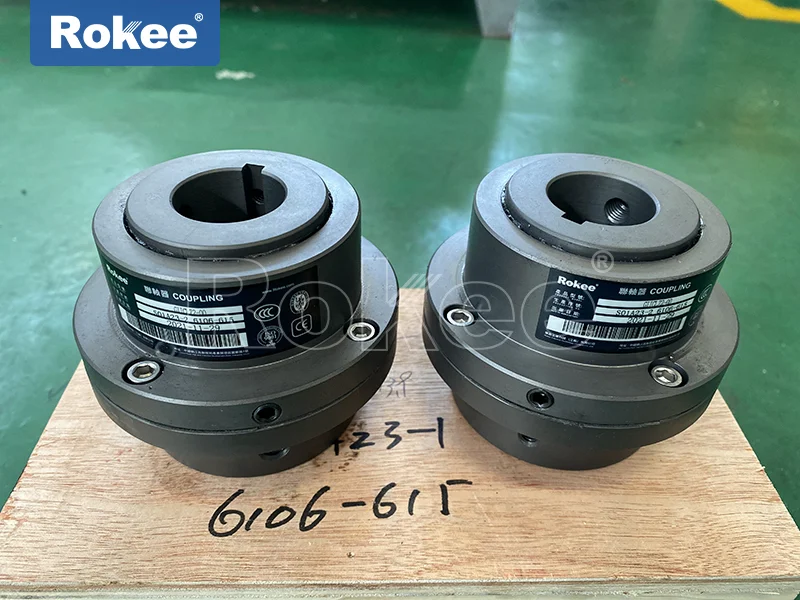
The automatic PU sandwich panel production line represents a highly integrated and continuous manufacturing system dedicated to the automated molding, compounding, and forming of polyurethane insulation sandwich panels. This production system relies on coordinated operation of multiple mechanical units, including raw material feeding systems, high-pressure foaming injection devices, continuous rolling molding mechanisms, traction conveying structures, and fixed-length cutting modules. Throughout the entire production process, stable power transmission, precise motion synchronization, and effective vibration damping are core prerequisites for ensuring product molding quality and continuous production efficiency. As a high-performance mechanical transmission component, curved tooth couplings feature unique curved tooth profile structures, excellent misalignment compensation capability, and uniform torque transmission performance, which can perfectly adapt to the complex and variable operating conditions of automatic PU sandwich panel production lines. Their reasonable application effectively solves common mechanical operation problems in panel production, such as unstable shaft system transmission, excessive equipment vibration, and easy wear of transmission parts, providing reliable mechanical support for the long-term stable operation of automated production lines.
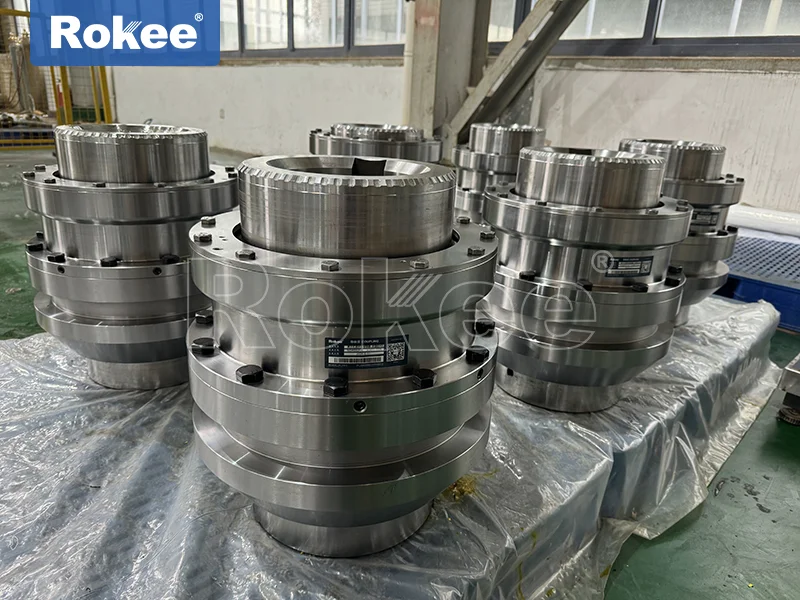
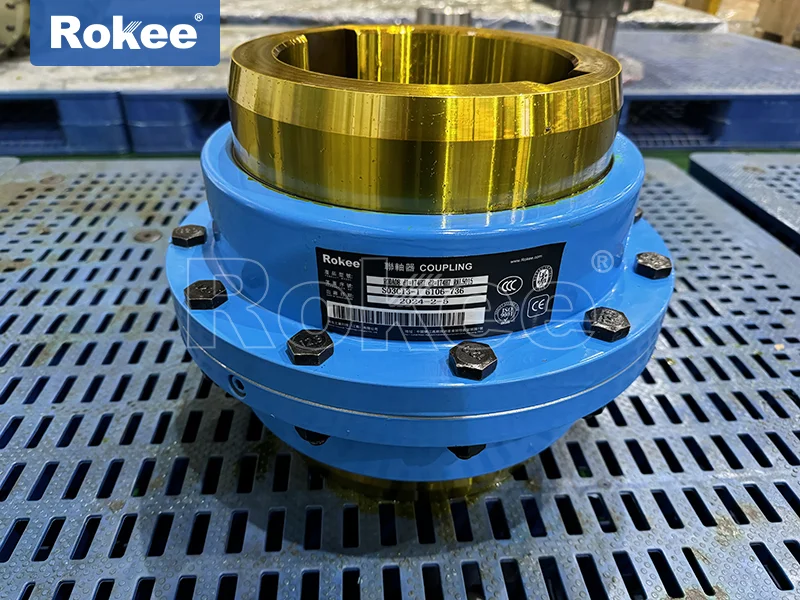
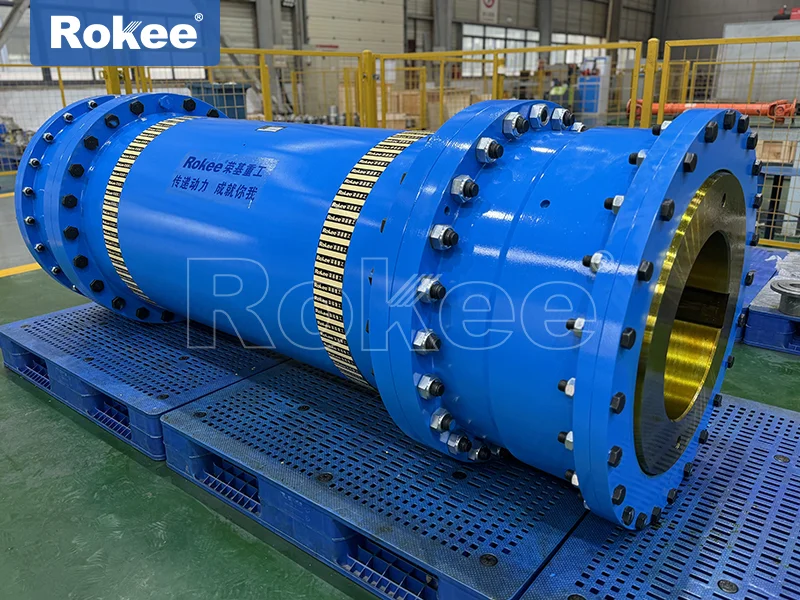
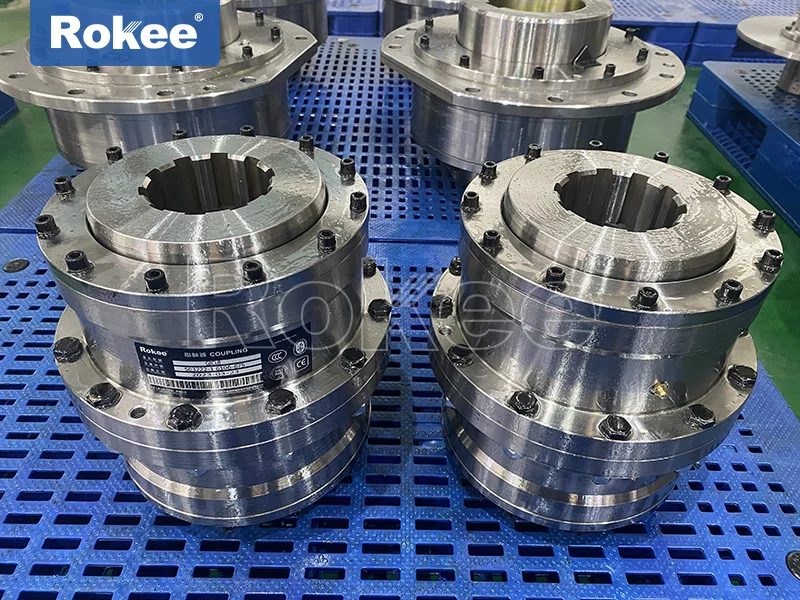
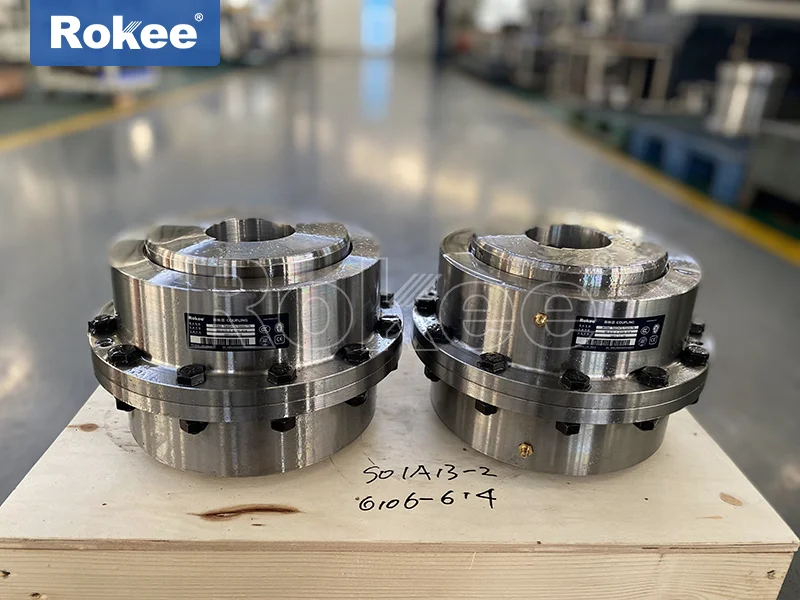
Different from traditional straight tooth couplings, the core structural advantage of curved tooth couplings lies in the arc-shaped curved design of external teeth profiles. This special machining structure enables the internal and external teeth of the coupling to achieve full-surface contact during meshing operation, rather than linear contact of straight tooth structures. Under normal operating conditions, the curved tooth profile can uniformly distribute the contact stress on the tooth surface, avoid local stress concentration caused by partial tooth surface friction and collision, and greatly reduce the wear rate of transmission teeth. In the continuous operation scenario of PU sandwich panel line, production equipment needs to maintain long-term uninterrupted rotation and operation, and the transmission shaft system is prone to tiny axial displacement, radial deviation and angular deflection due to thermal expansion of mechanical parts, equipment operation vibration, and assembly errors. The curved tooth structure has flexible displacement adaptability, which can automatically compensate for various minor misalignments of the shaft system during operation. This compensation effect eliminates the rigid friction and impact between transmission shafts, ensures the continuity and stability of power transmission, and avoids intermittent jitter and motion deviation of production equipment caused by poor transmission connection.
The operating characteristics of automatic PU sandwich panel production lines put forward stringent requirements for the stability and synchronization of power transmission. In the raw material feeding stage of PU sandwich panel production, uniform and stable conveying of polyurethane raw materials and base materials such as color steel plates is required. The feeding speed and conveying torque directly affect the uniformity of raw material mixing and the flatness of base material laying. Slight transmission fluctuation will lead to uneven foaming thickness of polyurethane materials, offset lamination of composite layers, and ultimately affect the overall dimensional accuracy and insulation performance of finished sandwich panels. Curved tooth couplings rely on precise meshing transmission between internal and external curved teeth to realize high-efficiency and low-fluctuation torque output. The large-area contact meshing mode ensures that the torque transmitted by the driving shaft can be stably transmitted to the driven shaft without slippage or delay, maintaining consistent operating speed of the feeding roller group and conveying system. Even in the state of long-term continuous operation, the transmission efficiency of the coupling remains stable, avoiding the production quality fluctuation caused by transmission power attenuation.
In the high-pressure foaming injection and continuous molding stage of the production line, the equipment will generate periodic mechanical vibration and alternating load impact. The high-pressure injection device works intermittently, and the instantaneous load change will form impact force on the connected transmission shaft system. The rolling molding mechanism needs to bear continuous extrusion pressure during the compound molding of steel plates and polyurethane foam materials, resulting in alternating stress on the transmission parts. Traditional rigid transmission couplings are difficult to buffer such impact loads, and long-term impact operation will easily cause loose connection of shaft parts, accelerated fatigue wear of transmission components, and even abnormal noise and vibration of equipment. The curved tooth coupling has good flexible buffering performance based on its special tooth profile clearance and structural deformation adaptability. When the equipment generates instantaneous load impact and vibration, the relative sliding and fine deformation between the curved teeth can absorb and offset part of the impact energy, reduce the vibration amplitude of the shaft system, and isolate the vibration transmission between adjacent mechanical units. This vibration damping and buffering effect effectively improves the operating stability of the foaming injection and molding system, ensures the uniform pressure of polyurethane foaming molding, and avoids defects such as hollowing and uneven density inside the sandwich panel caused by equipment vibration.
The traction and cutting system of the automatic PU sandwich panel line has extremely high requirements for motion synchronization and positioning accuracy. The traction mechanism is responsible for stably pulling the continuously molded sandwich panel forward at a constant speed, while the fixed-length cutting device needs to complete accurate cutting operations according to the set panel length. The operating speed and start-stop timing of the two systems must be highly synchronized; otherwise, problems such as inaccurate cutting size and uneven panel end faces will occur. The excellent transmission precision and low backlash performance of curved tooth couplings make them highly suitable for this precision transmission scenario. The precise meshing fit of the curved tooth profile eliminates the idle stroke and transmission gap existing in traditional straight tooth transmission, ensures real-time synchronization of the speed and angle of the driving and driven shafts, and realizes highly consistent cooperative operation of the traction system and cutting system. In the high-speed continuous production state, this precise synchronization performance can always maintain the dimensional accuracy of finished panels, reduce the rate of defective products caused by transmission errors, and improve the overall yield of production.
In terms of equipment operation and maintenance, the practical application value of curved tooth couplings in PU sandwich panel production lines is also very prominent. The modular assembly structure of curved tooth couplings enables each component to be independently installed, disassembled and replaced without disassembling a large number of adjacent mechanical structures. The production line of PU sandwich panels belongs to continuous assembly line production equipment, and frequent disassembly and maintenance will seriously affect production progress. The convenient assembly and disassembly characteristics of curved tooth couplings greatly reduce the difficulty of daily maintenance and fault replacement of transmission parts, shorten equipment downtime caused by maintenance, and improve the overall operation rate of the production line. In addition, the uniform stress distribution and low wear characteristics of the curved tooth profile greatly extend the service life of the coupling. Compared with traditional transmission couplings, it can maintain stable transmission performance for a longer time in long-term high-load and vibration operating environments, reducing the frequency of part replacement and the comprehensive maintenance cost of production equipment.
The harsh operating environment of industrial production workshops also puts forward high requirements for the environmental adaptability of transmission components. The production process of PU sandwich panels will produce tiny foam dust and raw material residues, and the workshop environment has certain humidity and temperature changes. ordinary transmission parts are prone to corrosion, dust blockage and accelerated wear in such environments, which affects transmission performance. The structural design of curved tooth couplings avoids the accumulation of sundries in the meshing gap to a certain extent. The smooth arc tooth surface is not easy to adhere to dust and residues, and can maintain good meshing accuracy for a long time. At the same time, the overall structural rigidity of the curved tooth coupling is strong, and it can resist the influence of temperature change and slight environmental corrosion, ensuring stable operation performance in complex workshop environments. This excellent environmental adaptability enables the production line to maintain consistent processing accuracy and production efficiency in long-term industrial mass production.
In the actual production and application process, the matching installation and reasonable parameter setting of curved tooth couplings are key factors to give full play to their performance advantages. In the assembly process of the PU sandwich panel production line, it is necessary to ensure the coaxiality of the driving and driven shafts within the allowable compensation range of the coupling, avoid excessive installation deviation exceeding the structural compensation limit, and prevent abnormal wear of the tooth surface caused by long-term eccentric operation. According to the different load characteristics of each functional unit of the production line, including constant load of the feeding system, alternating load of the molding system and impact load of the cutting system, select the corresponding specification model of curved tooth coupling to ensure that its torque bearing capacity and misalignment compensation range match the operating conditions. In daily equipment management, regular lubrication maintenance of the coupling meshing part should be done well. Good lubrication conditions can further reduce the friction coefficient of the curved tooth surface, reduce operating wear and energy consumption, and maximize the service life and transmission efficiency of the coupling.
With the continuous upgrading of automatic PU sandwich panel production technology towards high speed, high precision and high intelligence, the production line has higher and higher requirements for the stability, precision and durability of mechanical transmission systems. The traditional transmission structure has been unable to meet the needs of high-efficiency and high-precision automated production due to low compensation capacity, large transmission fluctuation and easy wear. The unique structural performance advantages of curved tooth couplings can perfectly adapt to the iterative upgrading of sandwich panel production equipment. Its excellent misalignment compensation, vibration damping and noise reduction, precise synchronous transmission and long-life stable operation capabilities can effectively solve various mechanical transmission problems in automated production lines, help enterprises realize stable and efficient continuous production, and improve the comprehensive production benefit and product quality level of PU sandwich panels.
In conclusion, curved tooth couplings, as efficient and reliable mechanical transmission components, have irreplaceable practical application value in automatic PU sandwich panel production lines. They cover the core production links from raw material feeding, foaming molding to traction cutting, and provide stable and precise mechanical transmission guarantee for each functional module of the production line. By optimizing the transmission state of the shaft system, reducing equipment operation failure rates, reducing maintenance costs and improving production precision and efficiency, curved tooth couplings play an important role in promoting the stable operation and performance upgrading of automatic PU sandwich panel production equipment. With the continuous development of the insulation building material industry and the continuous improvement of automated production standards, the application scope and application depth of curved tooth couplings in sandwich panel production equipment will be further improved, becoming an important basic guarantee for the high-quality development of the automated production field of building insulation materials.