Curved Tooth Shaft Coupling
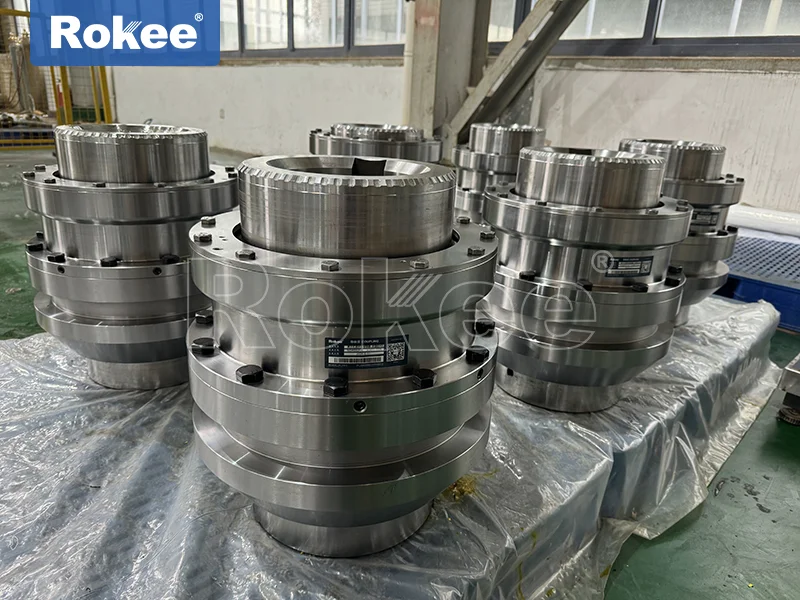
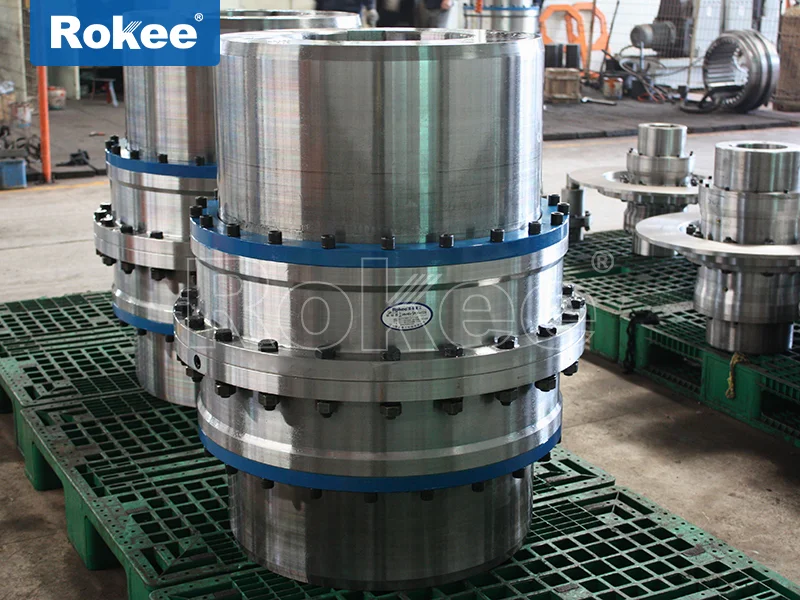
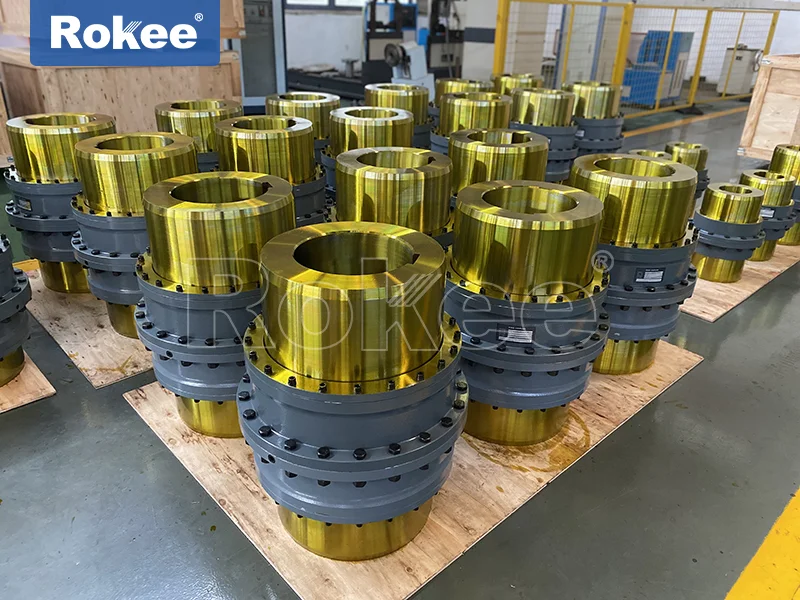
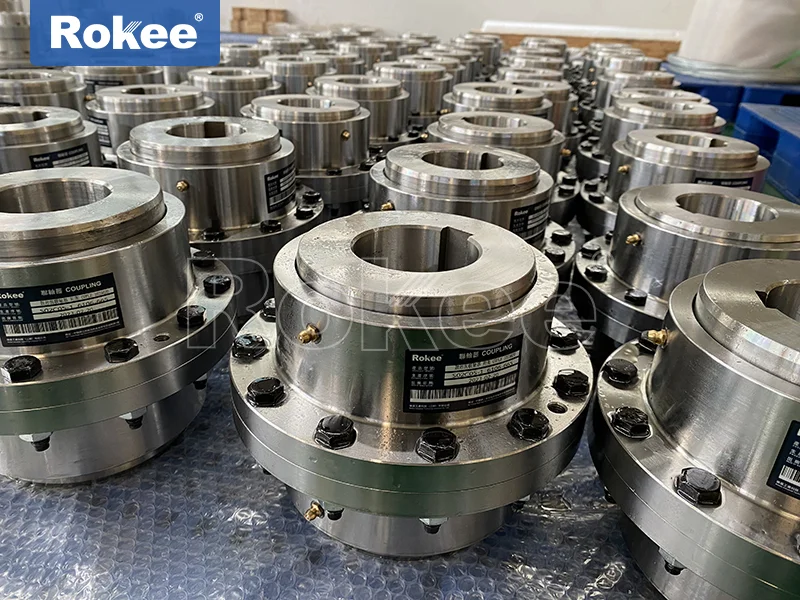
Curved tooth shaft coupling is a high-performance flexible transmission component widely adopted in modern mechanical power systems, designed to connect two rotating shafts and realize stable torque transmission while adapting to various shaft misalignment conditions. Distinct from conventional straight-tooth gear couplings and ordinary flexible couplings, it features a unique arc-shaped tooth profile structure that optimizes gear meshing status during operation. This structural innovation effectively addresses common pain points in mechanical transmission, including stress concentration, uneven tooth surface wear, and poor misalignment adaptability. Capable of compensating for angular deviation, parallel offset, and axial displacement between connected shafts, the coupling maintains efficient and consistent power output under complex working conditions. It balances high rigidity for heavy-load torque transmission and flexible buffering for mechanical vibration absorption, making it a core component for ensuring the stability and durability of industrial transmission equipment across diverse mechanical scenarios.
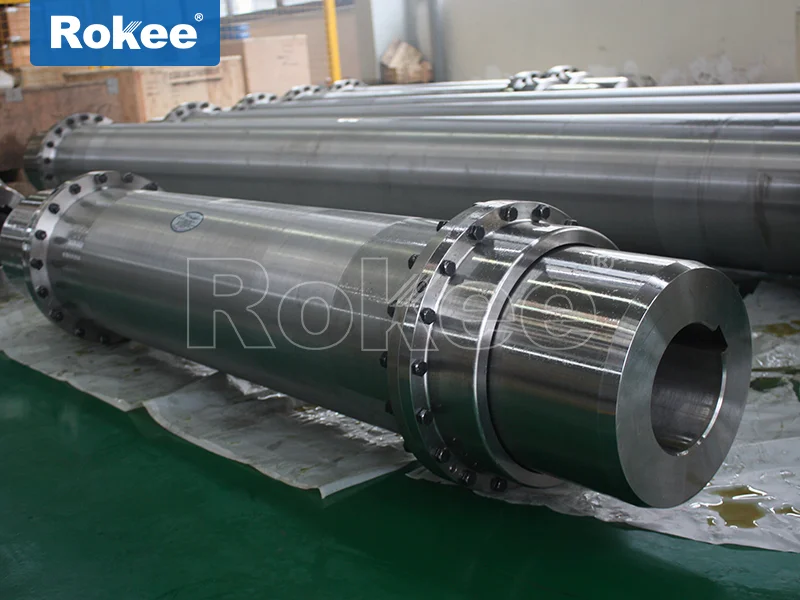
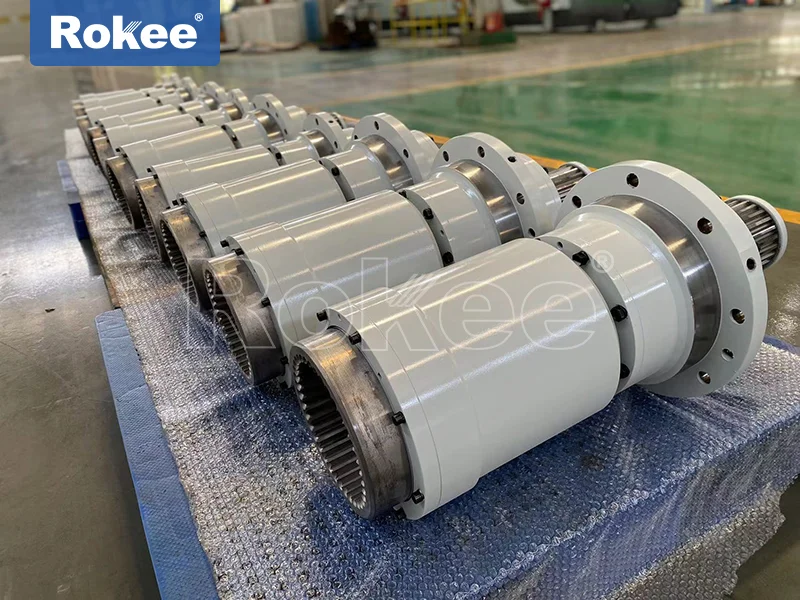
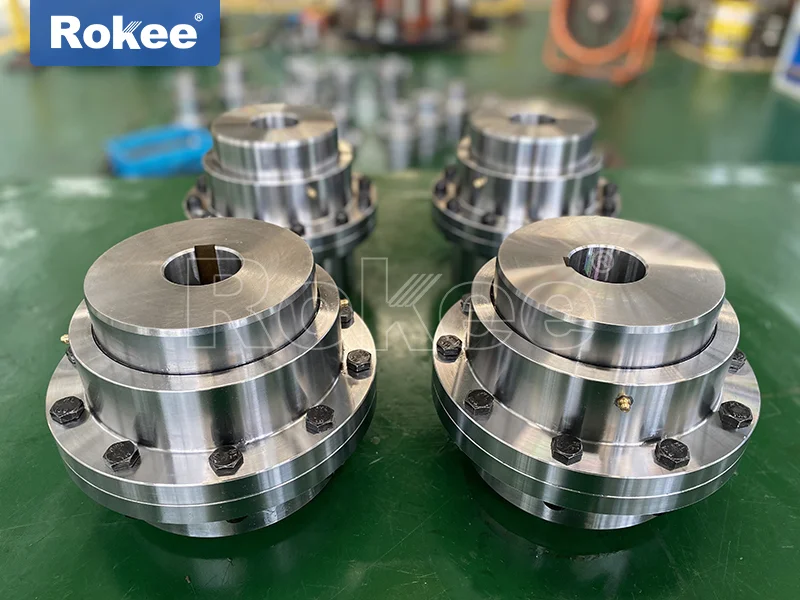
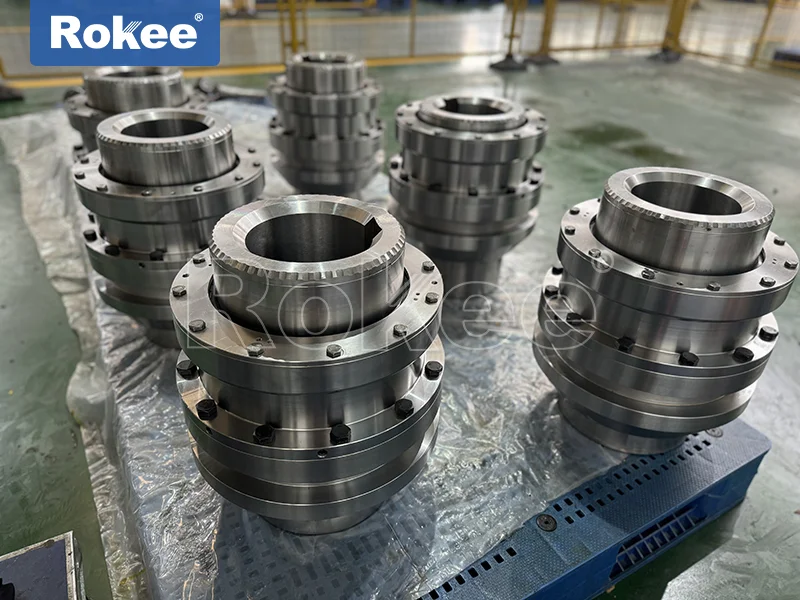
The core structural design of curved tooth coupling distinguishes it from traditional transmission couplings and lays a solid foundation for its superior comprehensive performance. The basic composition of the coupling includes two symmetric gear hubs and an outer tooth sleeve with curved tooth profiles, forming a closed meshing transmission structure without additional auxiliary connecting parts. Different from straight-tooth couplings that only achieve linear contact during meshing, the curved tooth surface presents a smooth arc transition, enabling full-surface uniform contact between internal and external teeth even when the connected shafts produce minor position deviation. This optimized contact mode eliminates edge contact and local stress concentration that frequently occur in traditional gear couplings during misalignment operation. The overall structural layout is compact and integrated, which effectively reduces the axial and radial occupied space of the transmission system. Meanwhile, the integrated tooth body design enhances the overall structural rigidity, ensuring that the coupling will not produce structural deformation or loose meshing under long-term continuous operation, and providing stable basic conditions for efficient power transmission of mechanical equipment.
The working principle of curved tooth shaft coupling is based on precision gear meshing and flexible displacement compensation, realizing efficient and lossless power transmission between rotating shafts. During equipment operation, the driving shaft drives the connected gear hub to rotate, and the curved external teeth of the hub mesh closely with the internal teeth of the outer sleeve. The arc tooth profile allows the meshing teeth to produce tiny sliding displacement along the tooth surface when the two shafts have relative deviation, which flexibly compensates for various misalignment errors generated by equipment operation, assembly deviation, and mechanical vibration. In the whole transmission process, the uniform stress distribution on the curved tooth surface ensures that the torque is evenly transmitted to each meshing tooth, avoiding local overload and tooth surface abrasion caused by uneven force. Even under dynamic working conditions with frequent load changes, the flexible meshing state can always be maintained, ensuring synchronous and stable rotation of the driving and driven shafts. This working mechanism perfectly combines rigid torque transmission and flexible adaptive adjustment, realizing long-term stable operation of the transmission system.
Curved tooth shaft coupling boasts outstanding load-bearing and transmission efficiency, showing obvious performance advantages over traditional gear couplings under the same dimensional specifications. Thanks to the full-surface meshing design of curved teeth, the effective contact area of tooth surfaces is significantly increased, which greatly improves the overall load-bearing capacity of the coupling. Compared with ordinary straight-tooth couplings of the same outer diameter and structural size, its bearing capacity is effectively enhanced, enabling it to cope with heavy load and impact load working conditions that are difficult for traditional couplings to bear. The uniform stress distribution avoids local excessive friction and energy loss caused by stress concentration, so the power transmission efficiency remains at a high level in long-term operation. In addition, the smooth arc tooth surface reduces meshing friction resistance and operation noise, realizing low-noise and low-consumption power transmission. Whether in continuous stable operation or intermittent variable load operation, it can maintain efficient transmission state and reduce invalid energy loss of mechanical equipment.
Excellent misalignment compensation capability is one of the most core competitive advantages of curved tooth shaft coupling, which can adapt to multiple forms of shaft displacement in complex industrial environments. Mechanical equipment is prone to various shaft misalignment problems during assembly, long-term operation, and mechanical vibration, including angular misalignment, parallel radial offset, and axial stretching displacement. Traditional rigid couplings cannot adapt to any misalignment, which will cause severe shaft vibration, bearing wear, and equipment failure once deviation occurs. Ordinary flexible couplings have limited compensation range and poor load resistance, making them unable to adapt to heavy-duty working conditions. In contrast, the curved tooth structure of the coupling can rely on the flexible sliding of tooth surfaces to realize multi-dimensional displacement compensation. It can effectively absorb and offset the shaft deviation generated in operation, avoid additional mechanical stress on shafts, bearings, and other components, and greatly reduce the failure rate of transmission parts caused by misalignment, thus improving the overall operation stability of mechanical equipment.
Curved tooth shaft coupling has remarkable vibration damping and wear resistance, which effectively extends the service life of the entire mechanical transmission system. In the process of high-speed operation and variable load conversion of equipment, mechanical vibration and impact force are inevitably generated, which will cause frequent impact and friction on the meshing parts of traditional couplings, leading to rapid wear and aging of tooth surfaces. The smooth arc tooth profile of curved tooth coupling can buffer and absorb part of the vibration and impact energy generated during operation, reduce the rigid impact between meshing teeth, and avoid tooth surface scratch and fatigue damage. The uniform contact stress distribution prevents local excessive wear, making the tooth surface wear more uniform and slow. At the same time, the optimized meshing structure reduces the generation of friction heat, avoids component aging and performance degradation caused by long-term high-temperature operation. These excellent wear-resistant and vibration-damping properties enable the coupling to maintain stable working performance in long-term high-intensity operation, significantly reducing the frequency of component replacement and equipment maintenance.
The coupling features strong environmental adaptability and wide application scope, capable of stably operating in various harsh industrial working environments. It has good tolerance to temperature changes, dust pollution, and slight humid environments in industrial production, and will not have performance attenuation or structural failure due to conventional environmental interference. Its compact structure and high structural rigidity enable it to adapt to both high-speed light-load transmission and low-speed heavy-load transmission scenarios, covering most mechanical power transmission links in industrial production. It is widely applicable to supporting transmission systems of various mechanical equipment that require stable torque transmission and misalignment compensation. Whether in continuous operating production lines or intermittent operating mechanical equipment, it can match the operating rhythm of the equipment, ensure the synchronization and stability of power transmission, and provide reliable guarantee for the normal operation of industrial mechanical systems.
Simple maintenance and long service life are important practical characteristics of curved tooth shaft coupling, which greatly reduces the comprehensive operation cost of mechanical equipment. Thanks to the uniform wear state and stable structural performance of the curved tooth surface, the coupling will not have sudden failure problems such as tooth breakage and severe local wear in the service cycle. The closed meshing structure can effectively reduce the invasion of external dust and impurities, avoid abrasive wear of meshing parts, and maintain the long-term stability of internal transmission structure. In daily equipment operation, the coupling does not need frequent disassembly and maintenance, and only regular routine inspection can meet the operation requirements. Compared with other types of couplings that require regular replacement and frequent maintenance, it significantly reduces equipment downtime and manual maintenance investment. Its durable and stable performance enables mechanical equipment to maintain long-term efficient operation, improving the overall production efficiency of industrial systems and bringing good economic benefits to mechanical operation.