Double Engagement Crown Gear Coupling
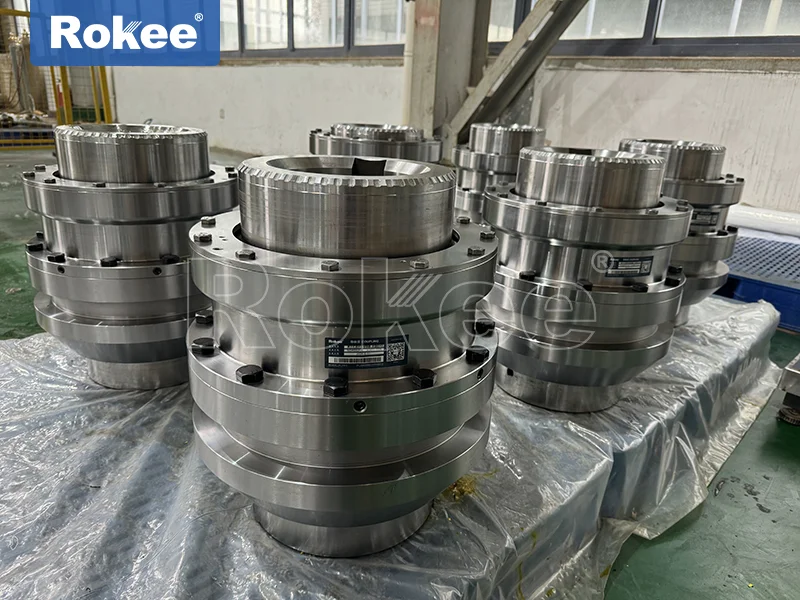
Double engagement crown gear coupling is a high-performance flexible transmission component widely adopted in modern industrial mechanical systems, designed to deliver stable and efficient torque transmission between rotating shafts while accommodating multiple forms of shaft misalignment. Differing from conventional single-section gear couplings, its dual-engagement tooth structure forms two independent meshing pairs between internal and external crown teeth, which effectively optimizes force distribution and enhances operational stability under complex working conditions. The unique crowned tooth profile, featuring curved tooth surfaces rather than flat straight teeth, allows the coupling to flexibly adapt to angular, radial, and axial shaft deviations without generating excessive mechanical stress. This structural advantage enables the component to maintain consistent transmission efficiency under heavy loads, frequent load fluctuations, and continuous high-speed operation. As a core connecting part for mechanical transmission systems, it balances high torsional stiffness, strong load resistance, and excellent fault tolerance, making it applicable to various heavy-duty mechanical scenarios that require long-term stable operation and minimal maintenance intervention.
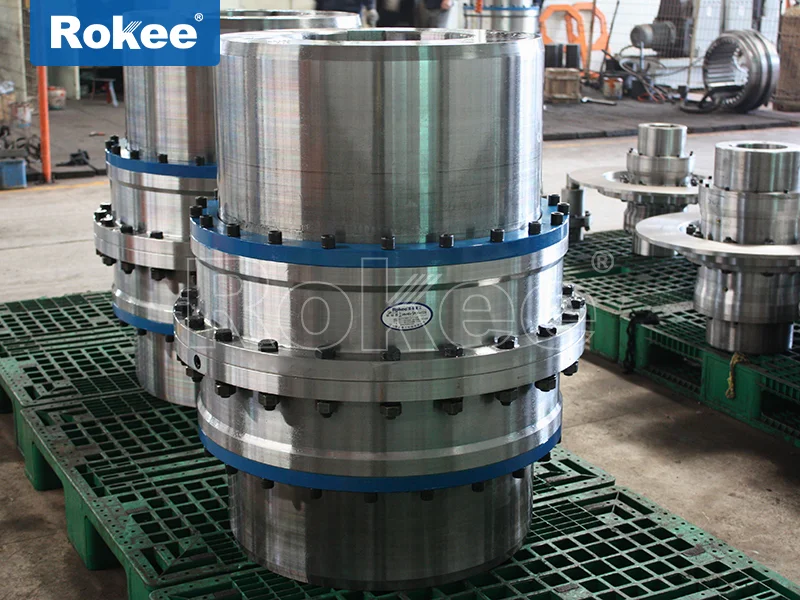
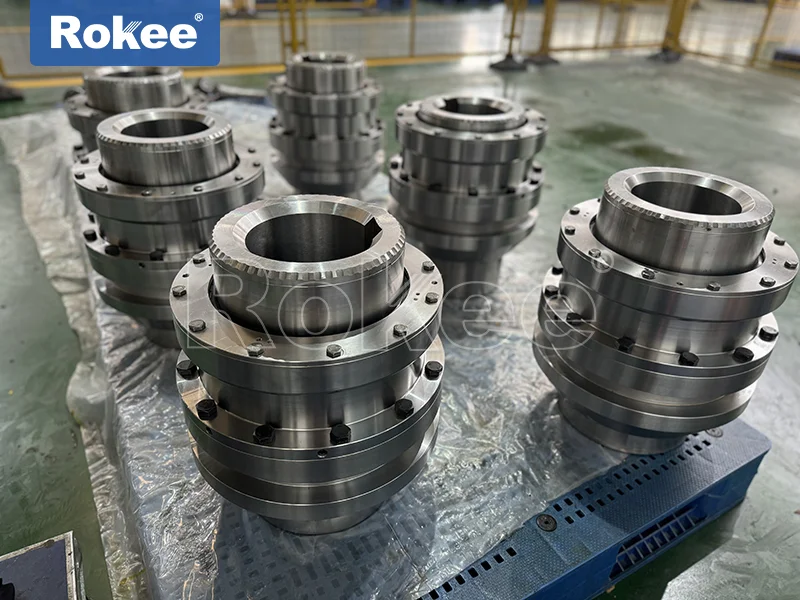
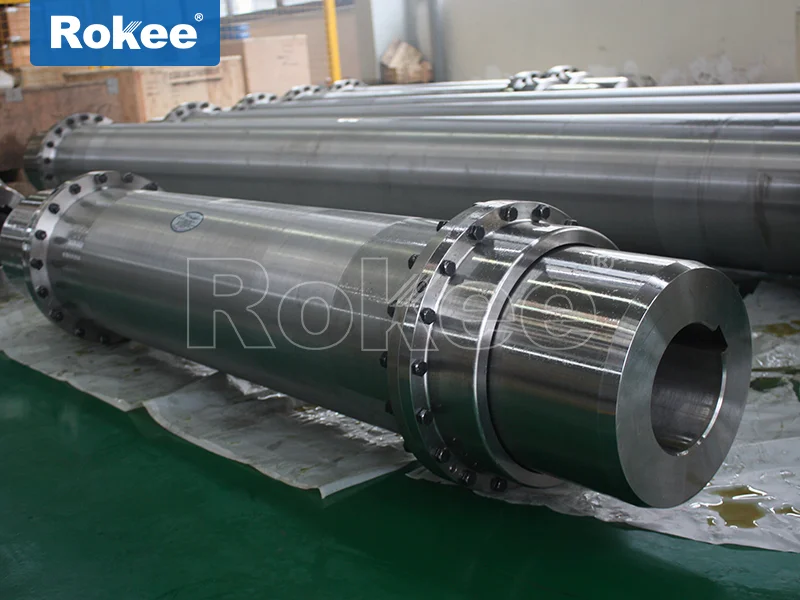
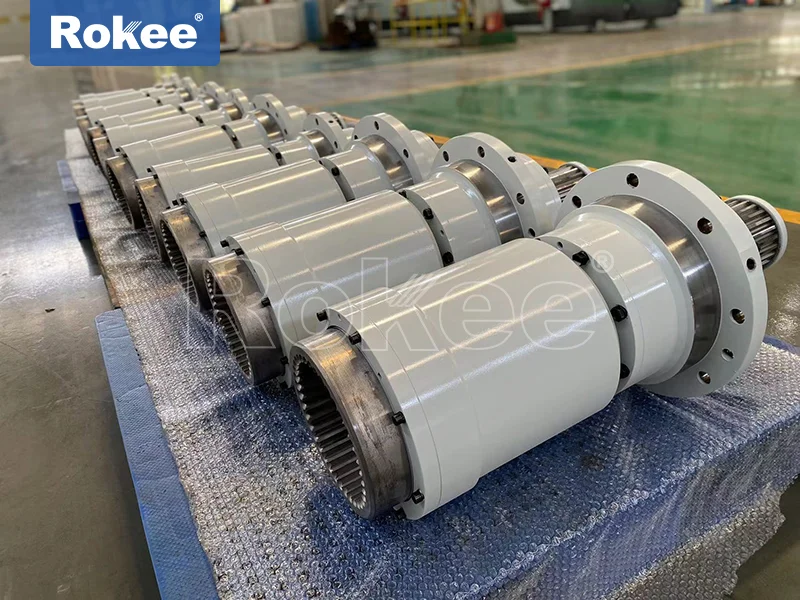
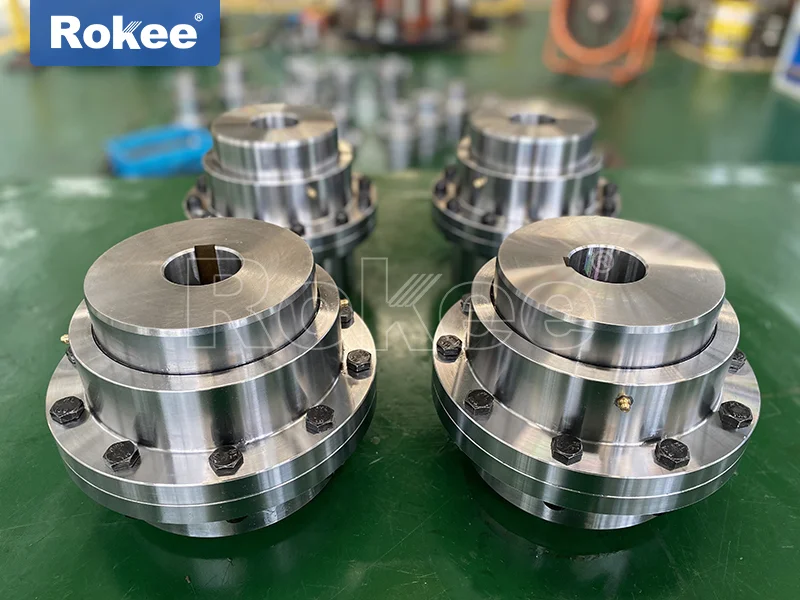
The core structural design of double engagement crown gear coupling distinguishes it greatly from ordinary gear couplings and lays the foundation for its superior transmission performance. The overall structure mainly consists of two gear hubs with external crowned teeth and two inner toothed sleeves, forming a symmetrical double meshing transmission structure. Each gear tooth on the hub is processed into a smooth curved crown shape, which eliminates the stress concentration phenomenon common in straight-tooth couplings during meshing. The double engagement design creates two sets of tooth meshing areas in the entire transmission path, dispersing the torque and impact load acting on a single tooth pair and avoiding localized excessive wear or tooth deformation. Meanwhile, reasonable tooth side gaps are reserved in the meshing structure, providing sufficient movable space for axial floating, radial offset, and angular deflection of connected shafts during equipment operation and thermal expansion. The symmetrical layout also ensures uniform stress on both ends of the coupling, preventing unbalanced torque transmission that may cause shaft system vibration. All structural components adopt integrated forging and precision machining processes, ensuring overall structural rigidity while retaining flexible compensation capability, which perfectly adapts to the dual requirements of rigid torque transmission and flexible misalignment compensation in industrial equipment.
The working principle of double engagement crown gear coupling focuses on stable torque transmission and dynamic misalignment compensation through coordinated meshing of dual tooth pairs. During equipment operation, the driving shaft drives the connected gear hub to rotate, and the external crowned teeth of the hub mesh with the internal teeth of the outer sleeve to transmit rotational torque and speed. With the help of the double engagement structure, torque is simultaneously transmitted through two groups of meshing tooth surfaces, realizing uniform load distribution and continuous and stable power output. When the connected shafts produce misalignment due to assembly errors, equipment operation vibration, or thermal deformation, the curved crown tooth surfaces can slide and adapt freely in the meshing state. For angular misalignment, the arc tooth profile fits the deflection angle of the shaft body to maintain full tooth surface contact without meshing jamming. For radial and axial misalignment, the reserved tooth gaps and flexible meshing space allow relative displacement between the hub and the sleeve, eliminating additional extrusion and tensile stress on the shaft, bearings, and other components. This dynamic adaptive working mode ensures that the coupling always maintains efficient transmission status under variable working conditions, avoiding power loss and mechanical failure caused by shaft deviation.
Double engagement crown gear coupling exhibits outstanding performance advantages in load bearing and transmission efficiency, making it superior to traditional flexible couplings in heavy-duty industrial scenarios. Thanks to the double tooth pair meshing structure, the effective contact area of tooth surfaces is significantly increased, enabling the coupling to bear higher continuous torque and instantaneous impact load. The uniform load distribution avoids premature wear and fatigue damage of individual teeth, greatly improving the overall load-bearing limit and service stability. Its high torsional stiffness ensures minimal torsional deformation during torque transmission, guaranteeing high-precision power output and synchronous operation of the front and rear shaft systems. In terms of transmission efficiency, the smooth curved crown tooth surface reduces friction resistance during meshing operation, effectively lowering power loss and heat generation compared with straight-tooth structures. Even under long-term continuous operation and alternating load conditions, it can maintain stable transmission efficiency without obvious attenuation. In addition, the double engagement structure effectively suppresses torsional vibration and mechanical shock in the transmission process, buffers the instantaneous load impact generated by equipment start-stop and load mutation, and protects the entire mechanical transmission system from impact damage.
The misalignment compensation capability of double engagement crown gear coupling is one of its most core application advantages, solving many common pain points in mechanical shaft connection. In actual industrial equipment operation, absolute precise alignment of double shafts is difficult to achieve due to manual assembly errors, equipment aging, foundation settlement, and thermal expansion and contraction of components. Traditional rigid couplings cannot adapt to shaft deviation, which will cause severe stress concentration on shafts and bearings, accelerating component wear and even leading to shaft fracture and equipment shutdown. In contrast, the double engagement crown gear coupling can comprehensively compensate for angular, radial, and axial three-dimensional misalignment through its flexible meshing structure. The curved tooth surface design allows a certain range of angular deflection of the shaft system, while the double-section meshing structure enhances the overall flexibility of the coupling and reduces the restoring force generated by shaft misalignment. The reserved axial movable space can adapt to the thermal expansion and cold contraction displacement of the shaft during long-term operation, avoiding axial compression tension inside the transmission system. This efficient multi-directional compensation performance reduces the failure rate of supporting components, extends the service life of the entire transmission system, and improves the long-term operational reliability of mechanical equipment.
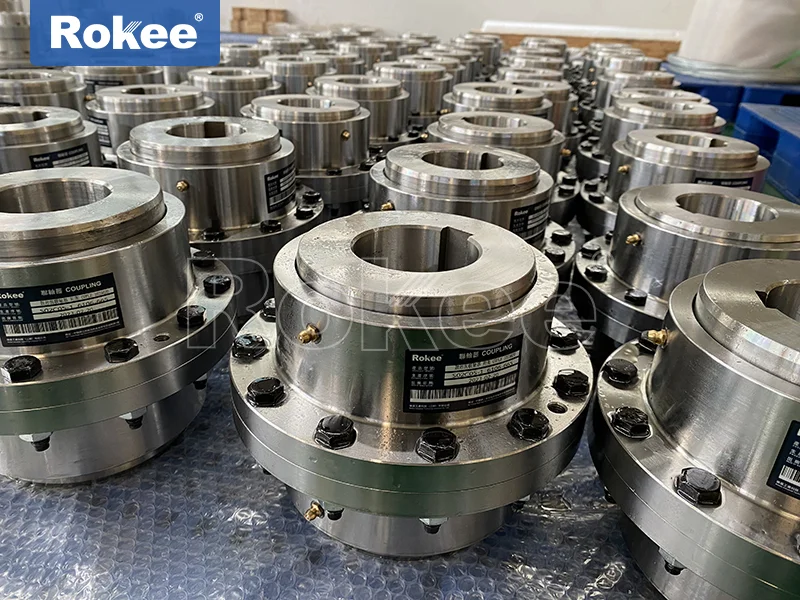
Lubrication and maintenance characteristics of double engagement crown gear coupling determine its long-term operational stability and application economy in industrial scenarios. Like all gear transmission components, good lubrication is the key to reducing tooth surface friction and wear and ensuring stable meshing operation. This coupling is designed with standardized lubrication ports and closed sealing structures, which facilitate regular grease injection and effectively isolate external dust, impurities, and moisture from entering the meshing area. The closed sealing system can stably store lubricating grease for a long time, avoiding lubricant loss and failure caused by high-speed operation and environmental changes. Benefiting from the double engagement uniform force structure, the wear degree of tooth surfaces is extremely low during normal operation, and the attenuation speed of lubricating performance is slow, greatly extending the lubrication maintenance cycle. In daily maintenance work, staff only need to regularly check the sealing integrity and grease status, without frequent disassembly and complex debugging. The simple maintenance mode reduces equipment downtime and manual maintenance costs. Meanwhile, the overall rugged mechanical structure has strong corrosion resistance and wear resistance, adapting to harsh working environments such as high dust, high humidity, and variable temperature, further reducing the frequency of component replacement and equipment maintenance pressure.
Double engagement crown gear coupling has a wide range of industrial application scenarios, covering almost all heavy-duty mechanical transmission fields that require stable operation and high load resistance. In metallurgical industry, it is applied to the transmission systems of rolling mills, smelting auxiliary equipment, and heavy conveyor equipment, adapting to high-torque, high-vibration, and continuous heavy-load working conditions to ensure stable power transmission of production lines. In energy and power fields, it serves pump sets, fan equipment, and power generation transmission systems, stably outputting power under variable load and frequent start-stop working states to improve equipment operational efficiency. In heavy machinery manufacturing, it is widely used in large cranes, excavators, and forging equipment, buffering mechanical impact and compensating shaft misalignment generated by complex movement of equipment. In addition, it also plays a key role in building materials machinery, chemical industry transmission equipment, and port handling machinery. Its strong environmental adaptability and reliable transmission performance make it an indispensable core connecting component in modern industrial mechanical systems, providing stable technical support for efficient and safe operation of various heavy-duty equipment.
With the continuous upgrading of modern industrial mechanical equipment towards high speed, heavy load, and long-cycle operation, the application value of double engagement crown gear coupling is further highlighted, and its technical advantages are increasingly recognized in the industrial field. Traditional transmission couplings often face bottlenecks in terms of load resistance, misalignment compensation, and long-term stability, which are difficult to meet the high-standard operation requirements of modern precision and heavy-duty equipment. The double engagement and crown tooth integrated design perfectly solves the contradictions between structural rigidity and flexible compensation, high load bearing and low wear, and high efficiency and low maintenance. In the future, with the continuous optimization of material technology and precision machining technology, the comprehensive performance of such couplings will be further improved, with stronger wear resistance, higher transmission precision, and longer service life. It will continue to be widely promoted and applied in more industrial scenarios, becoming an important basic component to support the stable and efficient operation of modern industrial transmission systems.