Cross Type Universal Joints
The cross type universal joint, also widely referred to as a Cardan joint or U-joint, stands as one of the most fundamental and indispensable mechanical components in modern power transmission systems. Engineered to transmit rotational torque and motion between two shafts that are not collinear or have variable angular misalignment, this component has reshaped the design and functionality of countless mechanical assemblies across industrial, automotive, agricultural, and aerospace sectors. Unlike rigid shaft couplings that demand perfect axial alignment, the cross type universal joint offers exceptional flexibility, allowing for smooth power transfer even when the connected shafts operate at moderate to significant angles relative to one another. Its enduring popularity stems from a balanced blend of simple structural design, robust load-bearing capabilities, reliable operational stability, and adaptability to diverse working environments, making it a cornerstone of mechanical engineering that has stood the test of time despite advancements in alternative coupling technologies. Delving into its intricate structure, core performance traits, distinct classifications, and wide-ranging applications reveals the engineering ingenuity behind this seemingly straightforward yet highly functional component, highlighting why it remains a preferred choice for engineers and designers worldwide.
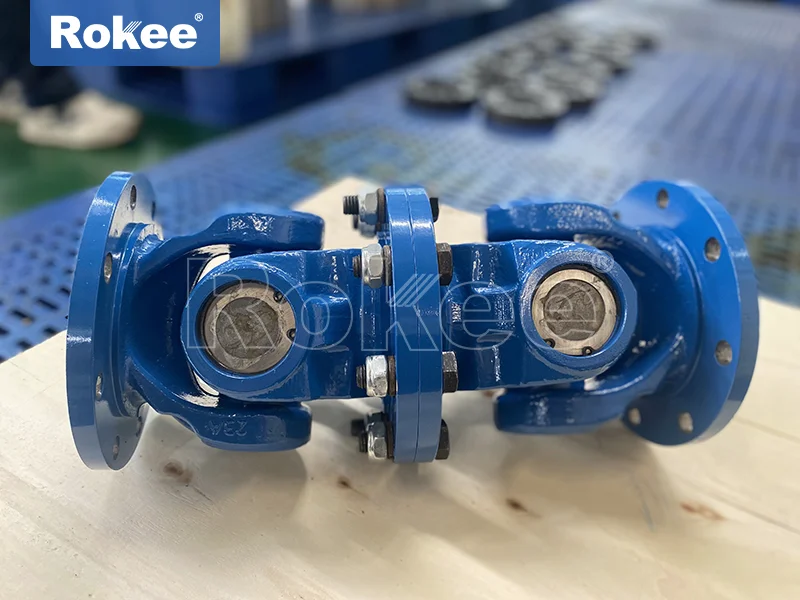
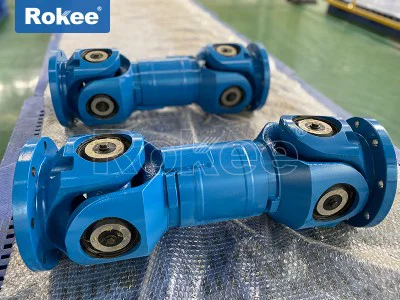
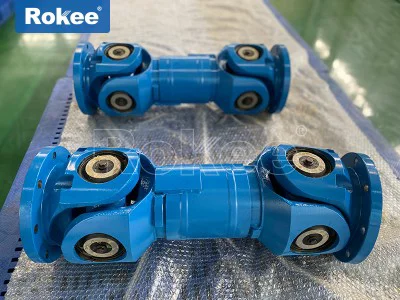
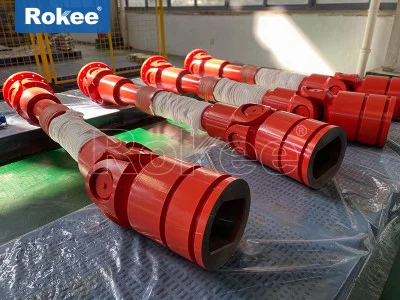
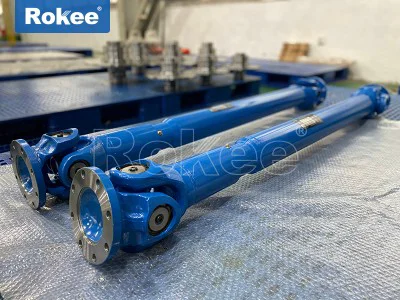
At its core, the cross type universal joint features a minimalist yet highly efficient structural configuration, with every component engineered to work in tandem to facilitate flexible torque transmission and angular compensation. The primary components include two yoke assemblies, a central cross-shaped spider, precision bearing sets, and sealing elements, each crafted to withstand mechanical stress, friction, and environmental wear. The two yokes serve as the connection points between the joint and the driving and driven shafts; one yoke attaches to the input shaft that delivers rotational power, while the other links to the output shaft that receives and transfers the motion further down the transmission line. These yokes are typically machined with precision fork-shaped ends, designed to cradle the bearing assemblies and secure the central spider, ensuring a tight yet movable fit that enables angular articulation. The central cross spider is the heart of the joint, featuring four perpendicular shaft journals that extend outward to interface with the bearings in each yoke. This cross configuration allows the yokes to pivot independently around the spider’s journals, creating a universal pivoting motion that accommodates angular misalignment between the two shafts without disrupting power flow. The bearing assemblies, most commonly needle roller bearings, are fitted between the cross spider’s journals and the inner walls of the yoke forks, serving a critical role in reducing friction and enabling smooth, low-resistance rotation. Needle roller bearings are favored here for their high radial load capacity, compact size, and ability to handle the oscillating and rotational forces generated during joint operation, minimizing wear and extending the component’s service life. Completing the structure are sealing components, such as dust caps, gaskets, or protective boots, which shield the internal bearing surfaces and lubrication from contaminants like dust, dirt, moisture, and debris. These seals are vital for preserving lubricant integrity, preventing premature bearing failure, and maintaining consistent performance in harsh operating conditions, from dusty construction sites to wet agricultural fields. The entire structure is engineered with tight manufacturing tolerances to ensure proper fit, minimal backlash, and efficient power transfer, with no unnecessary complexity that could compromise durability or increase maintenance demands.
The performance characteristics of the cross type universal joint are directly shaped by its structural design, delivering a unique set of advantages that make it suitable for a vast array of applications, while also presenting inherent limitations that guide its targeted use. One of the most prominent performance strengths is its exceptional angular misalignment compensation ability, with standard single cross joints capable of accommodating shaft angles ranging from 15 degrees to 30 degrees, and specialized configurations handling even greater offsets. This flexibility eliminates the need for perfect shaft alignment during installation and allows for dynamic angle adjustments during operation, a critical feature in systems where shafts move or vibrate under load, such as vehicle drivetrains or industrial machinery with moving components. Another key performance trait is its high torque transmission capacity, especially when constructed from hardened alloy steels; the cross spider and yoke design distributes torque evenly across the joint, enabling it to handle heavy, steady loads as well as sudden shock loads without deformation or failure. This load-bearing efficiency is further enhanced by the low-friction needle bearing design, which minimizes power loss during rotation and boosts overall transmission efficiency, ensuring that the majority of input power is transferred to the output shaft rather than being dissipated as heat from friction. The joint also exhibits strong durability and resistance to wear under continuous operation, particularly when properly lubricated, with robust material construction and precision machining allowing it to withstand prolonged use in high-cycle applications. Additionally, the cross type universal joint offers versatile installation compatibility, with a range of yoke connection styles—including splined, flanged, and keyed designs—to suit different shaft types and assembly requirements, making it easy to integrate into existing or custom mechanical systems. It also operates effectively across a broad temperature range, adapting to extreme cold, heat, and fluctuating environmental conditions without significant degradation in performance.
Despite these strengths, the cross type universal joint does have notable performance limitations that are important to consider in engineering design. Chief among these is its non-constant velocity characteristic in single joint configurations: when operating at significant shaft angles, the output shaft rotates at a slightly fluctuating speed relative to the input shaft, creating minor velocity ripple, vibration, and noise. This effect becomes more pronounced at higher operating angles and rotational speeds, making single cross joints less ideal for high-precision, low-vibration applications that require perfectly uniform rotational motion. Additionally, while the joint excels at angular misalignment, it provides minimal to no compensation for axial displacement between shafts, meaning it cannot accommodate significant shaft movement along the longitudinal axis without additional components such as slip yokes. Regular maintenance is also required to sustain optimal performance, including periodic lubrication to replenish bearing grease and inspections to check for seal wear, bearing damage, or excessive backlash; neglecting maintenance can lead to increased friction, premature wear, and eventual joint failure. Furthermore, under extreme overload conditions or prolonged exposure to highly corrosive environments, standard steel cross joints may experience corrosion, fatigue cracking, or structural damage, requiring specialized material treatments or alternative alloys for enhanced resilience.
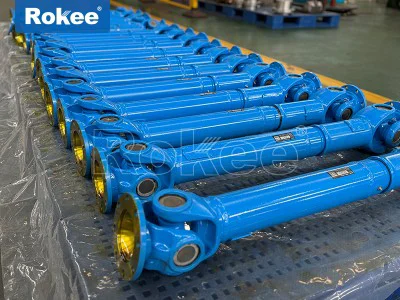
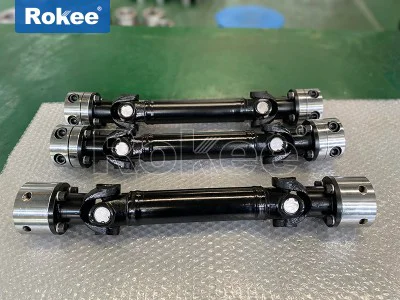
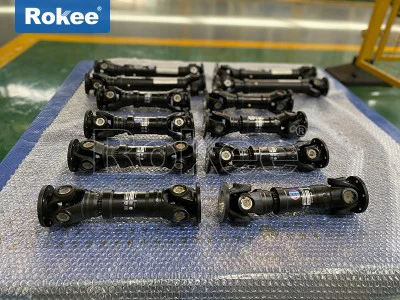
Cross type universal joints are categorized into distinct types based on structural design, operational functionality, load capacity, and application-specific requirements, with each variant tailored to address unique engineering challenges and performance needs. The most basic and widely used classification is the single cross universal joint, which consists of the standard two-yoke, one-cross-spider assembly described earlier. This type is valued for its simplicity, cost-effectiveness, and ease of manufacturing and installation, making it the go-to choice for applications with moderate angular misalignment and standard load requirements, such as light-duty automotive components, small industrial machinery, and hand tools. Single cross joints are compact and lightweight, ideal for space-constrained assemblies where a larger, more complex joint is impractical, and they perform reliably under low to moderate rotational speeds.
A second major classification is the double cross universal joint, also known as a double Cardan joint, which integrates two single cross joints connected by a short intermediate shaft or center yoke. This design is engineered to overcome the non-constant velocity limitation of single joints, as the paired joints work in unison to cancel out velocity fluctuations, delivering nearly constant rotational speed at the output shaft even at higher operating angles. Double cross joints offer enhanced angular compensation capabilities, handling greater shaft misalignment than single joints while reducing vibration and noise, making them suitable for heavy-duty applications that demand smoother power transmission. They also boast higher load-bearing capacity, distributing stress across two joint assemblies to handle heavier torque loads and more severe operating conditions, commonly found in heavy commercial vehicles, large industrial equipment, and marine propulsion systems.
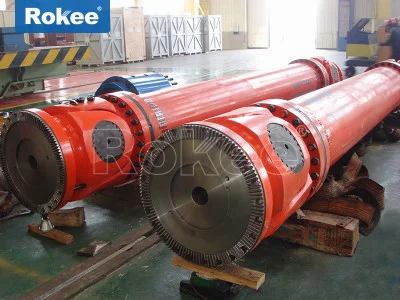
Cross type universal joints can also be classified by load capacity and construction durability, separating light-duty, medium-duty, and heavy-duty variants. Light-duty joints are constructed from mild steel or aluminum alloys, designed for low-torque, low-speed applications such as small appliances, office machinery, and light automotive accessories; they prioritize compactness and cost efficiency over extreme strength. Medium-duty joints are crafted from hardened carbon steel, striking a balance between load capacity, durability, and affordability, suitable for a wide range of general industrial applications, agricultural equipment, and passenger vehicle drivetrains. Heavy-duty joints are fabricated from high-strength alloy steels with specialized heat treatment, engineered to withstand extreme torque, shock loads, and harsh operating environments; these joints feature reinforced yokes, larger cross spiders, and heavy-duty bearings, making them ideal for construction machinery, mining equipment, heavy trucks, and industrial manufacturing lines with continuous high-load operation.
Additional specialized classifications include sealed maintenance-free universal joints and lubricated serviceable joints. Sealed maintenance-free joints are permanently lubricated during manufacturing and enclosed in airtight, durable seals, eliminating the need for regular lubrication and reducing maintenance demands; they are ideal for hard-to-reach assemblies, remote installations, or applications where routine servicing is impractical. Lubricated serviceable joints feature accessible grease fittings, allowing for periodic lubrication to refresh bearing grease and extend service life, making them suitable for heavy-use, high-wear applications where maintenance can be easily performed. There are also corrosion-resistant variants, constructed from stainless steel or coated with protective finishes, designed for use in marine, chemical processing, or outdoor environments where moisture, salt, or corrosive substances pose a risk of rust and degradation.
The versatility of the cross type universal joint is reflected in its extensive range of applications across nearly every industry that relies on mechanical power transmission, with each type of joint deployed to meet the unique demands of specific operating scenarios. In the automotive industry, cross type universal joints are integral components of drivetrain systems, used in drive shafts, propeller shafts, and steering linkages to transmit power from the transmission to the wheels while accommodating the angular changes caused by suspension movement and steering maneuvers. Single cross joints are commonly used in passenger vehicles for light-duty drivetrain applications, while double cross and heavy-duty joints are employed in commercial trucks, off-road vehicles, and recreational vehicles to handle heavier loads and more extreme angular misalignment, ensuring smooth power delivery and reliable handling even on rough terrain.
Agricultural machinery represents another major application area, where cross type universal joints are essential for power take-off (PTO) shafts, connecting tractors to a variety of farm implements such as plows, harvesters, balers, mowers, and seeders. Agricultural operations take place in rugged, uneven field conditions, leading to constant angular shifts between the tractor and attached equipment; the flexible design of cross joints ensures uninterrupted power transmission despite these shifts, while heavy-duty, sealed variants resist dust, dirt, and crop debris that are pervasive in farming environments. Their ability to handle high torque loads also makes them suitable for the heavy-duty operation of agricultural machinery, which often runs for extended periods under heavy strain.
In the industrial sector, cross type universal joints are widely integrated into manufacturing equipment, conveyor systems, material handling machinery, and heavy industrial assemblies. They are used to connect motors, gearboxes, and rotating shafts in factories, processing plants, and production lines, accommodating misalignment caused by thermal expansion, mechanical vibration, or imprecise installation. Heavy-duty cross joints are employed in steel mills, mining machinery, and construction equipment such as excavators, cranes, and bulldozers, where they transmit extreme torque loads and withstand the harsh conditions of construction and mining sites. Light and medium-duty joints find use in packaging machinery, printing presses, textile equipment, and automated assembly lines, providing reliable, flexible power transmission for precision industrial operations.
The aerospace and marine industries also rely on specialized cross type universal joints for critical applications. In aerospace systems, lightweight, high-strength variants are used in flight control mechanisms, landing gear assemblies, and auxiliary power transmission systems, where they must deliver precise, reliable motion transfer while meeting strict weight and durability requirements. Marine applications utilize corrosion-resistant stainless steel cross joints in propulsion shafts, steering systems, and marine equipment, engineered to resist saltwater corrosion, moisture damage, and the mechanical stress of marine operation, ensuring reliable performance in harsh offshore and onboard environments. Additionally, cross type universal joints are used in specialized equipment such as medical devices, robotics, power tools, and recreational machinery, where their compact size, flexible design, and efficient torque transmission make them a versatile solution for unique mechanical challenges.
In summary, the cross type universal joint remains an irreplaceable component in modern mechanical engineering, with its refined structural design, balanced performance attributes, diverse classifications, and broad industrial applicability solidifying its role as a foundational power transmission element. Its ability to bridge misaligned shafts and transmit torque efficiently addresses a core challenge in mechanical design, offering a practical, reliable solution that balances performance, durability, and cost-effectiveness. While alternative coupling technologies continue to emerge, the cross type universal joint’s simplicity, adaptability, and proven performance ensure its continued relevance across countless applications. As manufacturing techniques advance and material science evolves, modern iterations of the cross joint are becoming even more durable, efficient, and specialized, further expanding their capabilities and extending their service life. Whether in a passenger car, a heavy industrial machine, a farm tractor, or a marine vessel, the cross type universal joint plays a quiet yet critical role in keeping mechanical systems operating smoothly, underscoring its enduring value in the world of engineering and machinery.