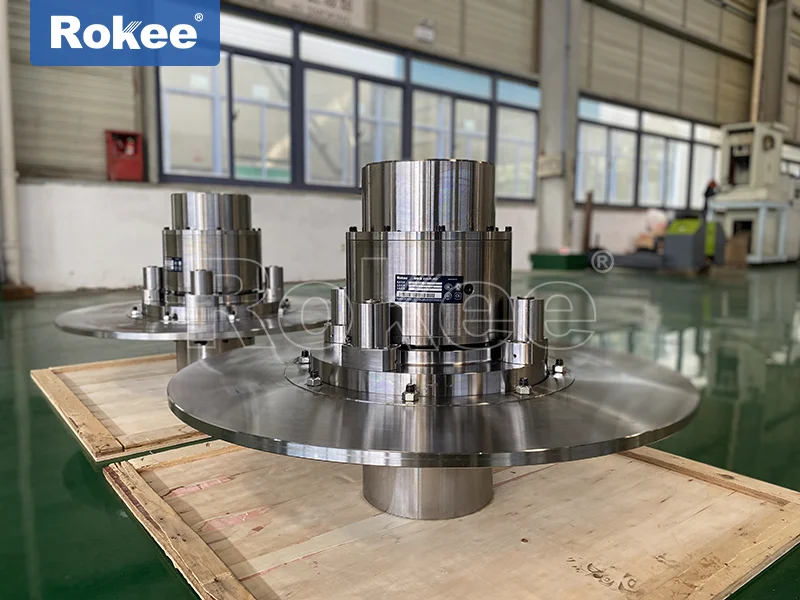
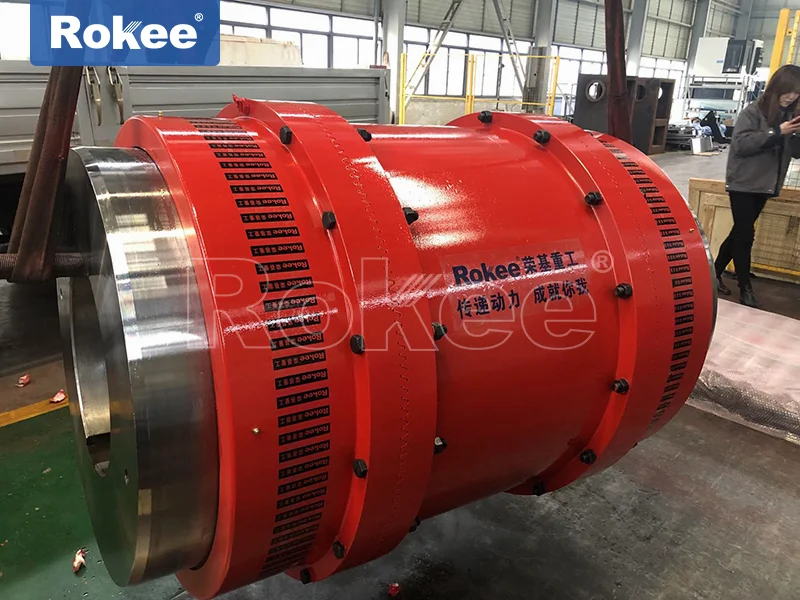
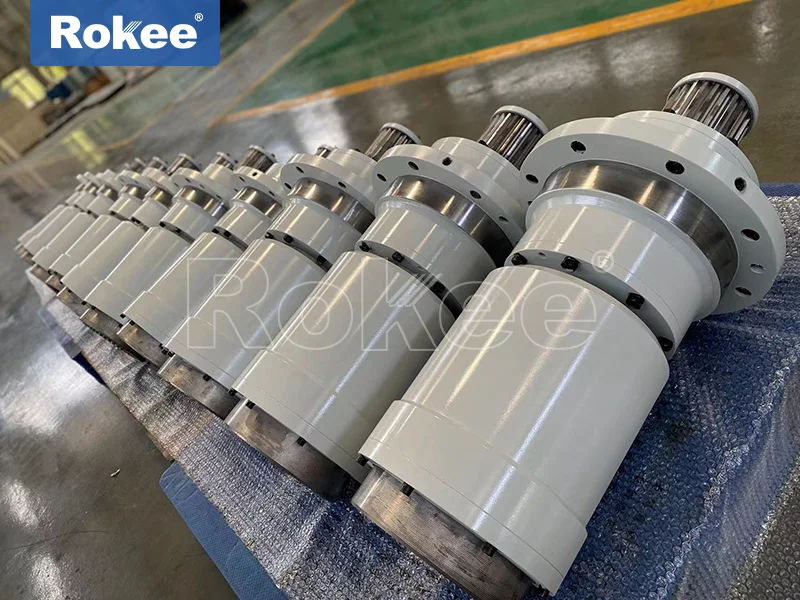
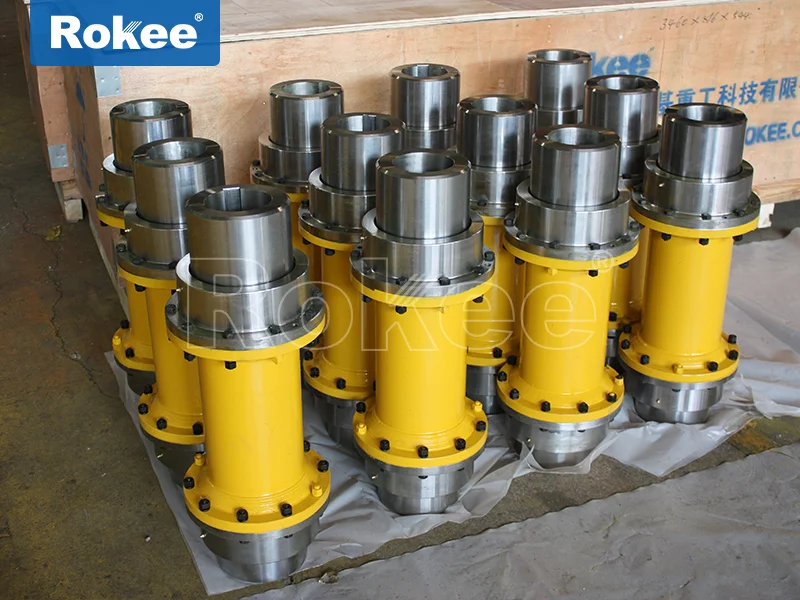
Crown Gear Coupling For Steel Mill
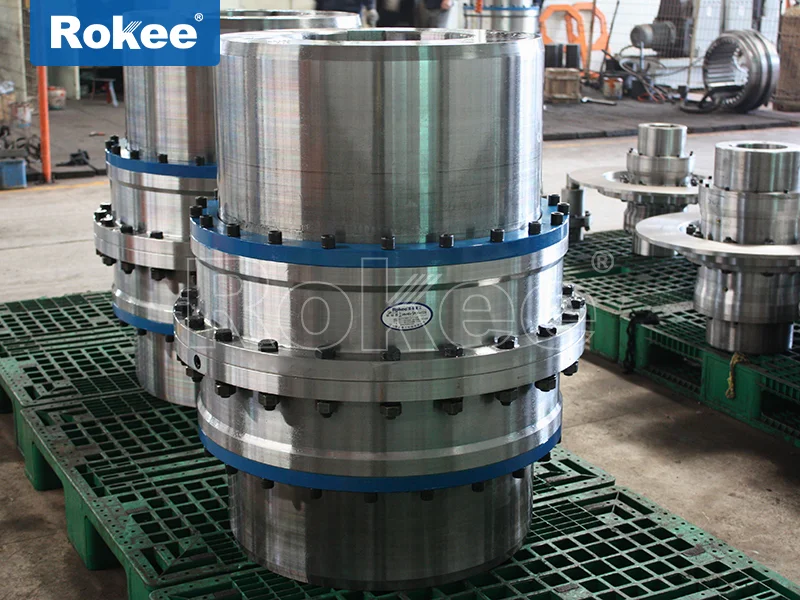
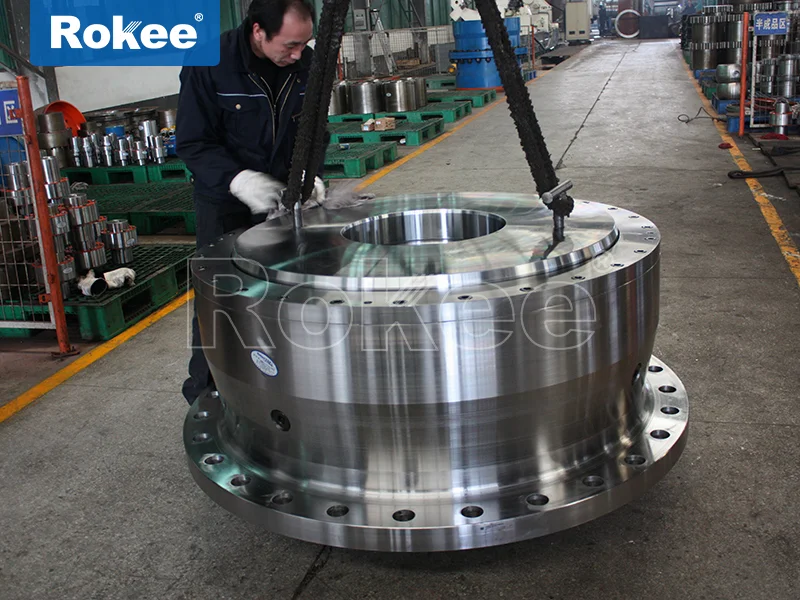
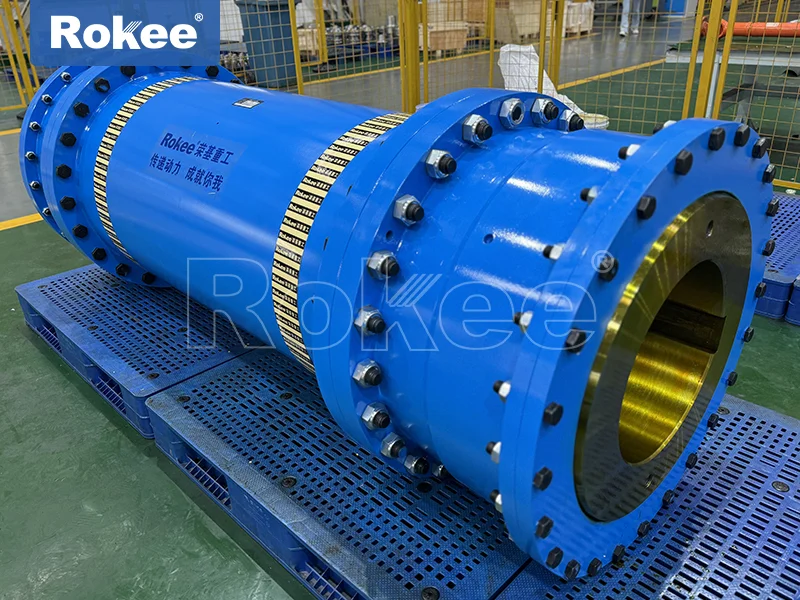
Crown gear couplings have emerged as indispensable power transmission components in modern steel mill production systems, tailored specifically to withstand the extreme and variable operating conditions of metallurgical manufacturing. Unlike conventional straight-tooth gear couplings, their unique crowned tooth profile delivers superior misalignment compensation, high torque tolerance, and stable load transmission, perfectly matching the heavy-duty, continuous-operation demands of steel rolling, smelting, and material conveying equipment. Steel mill environments are characterized by heavy impact loads, frequent speed fluctuations, persistent shaft misalignment, and harsh conditions including high temperature, dust, and vibration, which easily cause premature wear and failure of ordinary transmission parts. This specialized coupling solves these pain points effectively by optimizing tooth contact structure and mechanical design, ensuring consistent power transmission between driving and driven shafts. It not only improves the overall operational stability of steel mill machinery but also reduces unplanned downtime and maintenance frequency, serving as a core guarantee for efficient and continuous steel production operations.
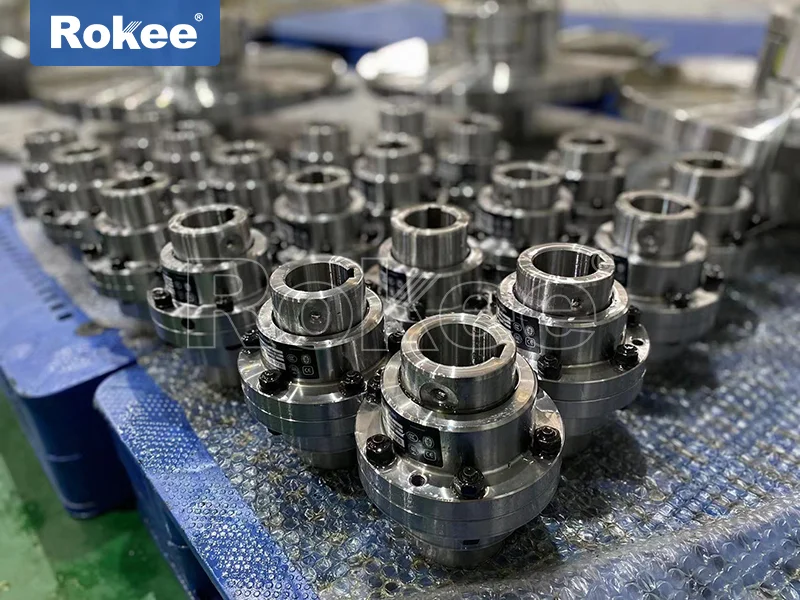
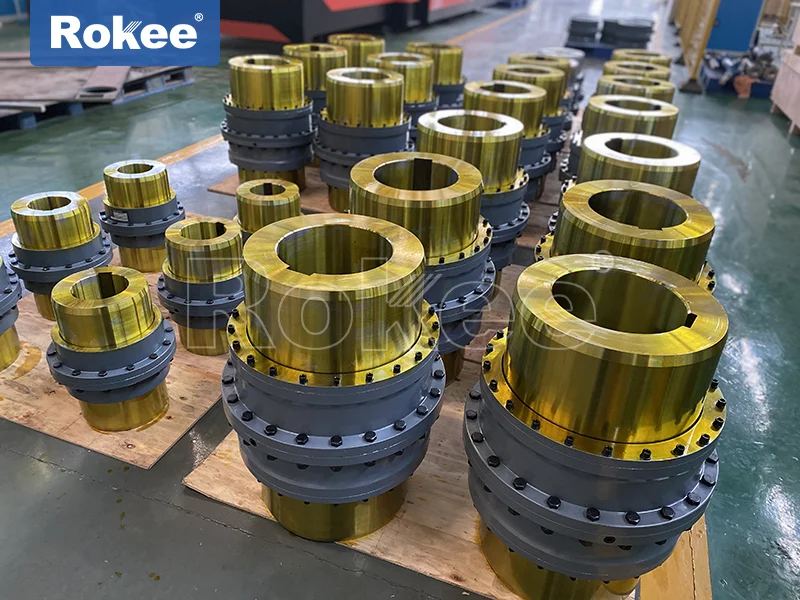
The core structural advantages of crown gear couplings lay a solid foundation for their wide application in steel mill equipment, with the optimized crowned tooth design being the most critical feature. The barrel-shaped crowned external teeth form full-surface meshing contact with internal sleeve teeth, differing greatly from the edge contact mode of traditional straight-tooth structures that causes concentrated stress under misalignment. This innovative tooth profile enables the coupling to flexibly adapt to angular, radial, and axial shaft misalignments that are ubiquitous in steel mill mechanical systems, effectively avoiding excessive friction, tooth wear, and shaft deformation caused by long-term offset operation. In high-load steel production scenarios, equipment shafts inevitably produce tiny deviations due to heavy load pressure, mechanical vibration, and thermal expansion from high-temperature working environments. Ordinary couplings struggle to adapt to such comprehensive misalignment, leading to frequent transmission jitter and component damage. In contrast, crown gear couplings evenly disperse transmission stress across the entire meshing surface, eliminating local stress concentration and maintaining smooth torque transmission even with persistent shaft deviations. Additionally, their compact and integrated structural design saves valuable installation space in densely arranged steel mill production lines while ensuring overall structural rigidity, avoiding structural deformation under long-term heavy load operation.
Superior high torque transmission performance makes crown gear couplings uniquely suitable for the heavy-load working characteristics of steel mills. Steel production processes such as rough rolling, finish rolling, and slab conveying require equipment to transmit ultra-high torque stably, with frequent instantaneous impact loads generated by equipment start-stop, load switching, and material rolling resistance. Benefiting from the enlarged meshing contact area of crowned teeth, this type of coupling boasts significantly improved load-bearing capacity compared with conventional gear couplings of the same specification, enabling it to sustain continuous heavy loads and resist sudden impact torque without tooth slipping or transmission failure. During the steel rolling process, rolling mills often encounter uneven material resistance, which produces instantaneous peak loads that easily damage ordinary transmission components. Crown gear couplings buffer and decompose these peak loads through uniform tooth surface stress distribution, protecting the entire power transmission system from impact damage. Moreover, their high torsional stiffness ensures minimal torsional deformation during torque transmission, maintaining precise synchronization between driving and driven equipment. This precise transmission stability is crucial for steel rolling accuracy, effectively avoiding steel plate thickness deviation, surface defects, and other quality problems caused by asynchronous equipment operation, improving the finished product qualification rate of steel mill production lines.
Excellent environmental adaptability allows crown gear couplings to operate stably in the harsh working conditions unique to steel mills. Steel mill workshops feature complex and harsh operating environments, including sustained high temperatures radiated from smelting and rolling equipment, large amounts of floating metal dust and oxide scale, and continuous mechanical vibration and equipment impact. These harsh conditions pose severe challenges to the durability and operational stability of transmission components. Crown gear couplings adopt robust integral forging structures with high-strength mechanical properties, which resist thermal deformation in high-temperature environments and maintain stable tooth meshing accuracy without failure caused by temperature changes. The tight meshing fit between crowned teeth and internal sleeves effectively isolates external dust and impurities, preventing abrasive wear caused by oxide scale and metal particles entering the meshing gap. In addition, the structural design avoids loose assembly and component displacement under long-term strong vibration, maintaining consistent transmission accuracy throughout the equipment service cycle. Unlike flexible couplings that are prone to aging and deformation in high-temperature and dusty environments, this rigid yet flexible coupling structure balances rigidity and shock resistance, adapting to the long-term uninterrupted operation mode of steel mills and reducing performance attenuation caused by harsh environmental interference.
The application value of crown gear couplings runs through the entire core production link of steel mills, covering multiple key mechanical equipment sets. In rolling mill production lines, they are widely used in the power transmission systems of rough rolling mills, intermediate rolling mills, and finish rolling mills, stably transmitting power for steel plate rolling and solving the problems of shaft misalignment and impact load failure in rolling equipment. In steel slab and coil conveying systems, the couplings ensure synchronous operation of conveying rollers and drive motors, avoiding material deviation and conveying jitter caused by unstable power transmission, and improving the continuity of material transportation. In smelting auxiliary equipment such as fan systems and water cooling power equipment, they adapt to frequent start-stop and variable-speed operation, maintaining efficient and stable power output. Furthermore, in heavy-duty lifting and handling equipment in steel mills, the couplings bear the torque impact of heavy object lifting and positioning, ensuring the safety and stability of mechanical movement. The universal adaptability in multiple production links enables crown gear couplings to form a stable power transmission guarantee system for steel mills, effectively connecting different types of mechanical equipment and realizing coordinated and efficient operation of the entire production line.
Outstanding durability and low maintenance characteristics bring significant economic benefits to steel mill production operations. Steel mill equipment generally adopts 24-hour continuous uninterrupted production mode, and frequent equipment maintenance and component replacement will directly affect production efficiency and increase operating costs. Crown gear couplings effectively reduce tooth surface wear and fatigue damage through uniform stress distribution and full-surface meshing, greatly extending the service life of transmission components compared with ordinary couplings. Their optimized tooth profile avoids common failures such as tooth edge chipping, surface peeling, and meshing jamming that plague traditional gear couplings under long-term heavy loads. In daily operation, the compact sealing structure reduces grease leakage and impurity accumulation, lowering the frequency of lubrication maintenance. When minor equipment vibration and shaft deviation occur during long-term operation, the self-adaptive misalignment compensation function of crowned teeth avoids secondary damage to components, reducing unplanned equipment shutdowns caused by coupling failure. For steel mills pursuing high-efficiency and low-cost production, the low failure rate and long maintenance cycle of crown gear couplings effectively improve production line operation rate and reduce comprehensive equipment operation and maintenance costs.
With the continuous upgrading of steel mill intelligent and high-efficiency production systems, the application advantages of crown gear couplings are further highlighted and optimized. Modern steel production is developing toward higher rolling speed, larger production load, and more precise processing accuracy, which puts forward higher requirements for the stability, accuracy, and durability of power transmission components. Traditional coupling products can no longer meet the demand for high-precision and high-intensity operation of new-generation steel rolling equipment, prone to transmission errors and rapid wear under high-speed and heavy-load conditions. Crown gear couplings, with their excellent misalignment adaptability, high-precision torque transmission, and strong impact resistance, perfectly match the development trend of modern steel mill equipment. In intelligent steel production lines with automated monitoring and precise control systems, their stable transmission performance ensures consistent equipment operation parameters, providing reliable mechanical support for intelligent scheduling and precise production control. At the same time, the structural scalability of crown gear couplings allows targeted optimization according to the working conditions of different steel production links, further adapting to the personalized and high-standard production needs of various steel products.
Looking ahead, crown gear couplings will continue to occupy an irreplaceable core position in steel mill power transmission systems with their comprehensive performance advantages. As steel manufacturing technology continues to iterate and industrial production standards become increasingly stringent, the requirements for equipment reliability, energy efficiency, and operational stability will keep rising. The unique structural design and mechanical properties of crown gear couplings enable them to continuously adapt to upgraded production conditions, effectively solving various transmission pain points in heavy-duty metallurgical production. Their excellent load resistance, environmental adaptability, and low-maintenance performance not only ensure the safe and stable operation of steel mill production lines but also create long-term value for enterprises in terms of production efficiency improvement and operating cost reduction. With continuous technological optimization of material processing and structural design, crown gear couplings will achieve better performance in high-temperature resistance, wear resistance, and transmission efficiency, providing more solid technical support for the high-quality and high-efficiency development of the modern steel industry.