Gear Coupling Shows Advantages of No Stuck Transmission Of PU Sandwich Panel Production Line
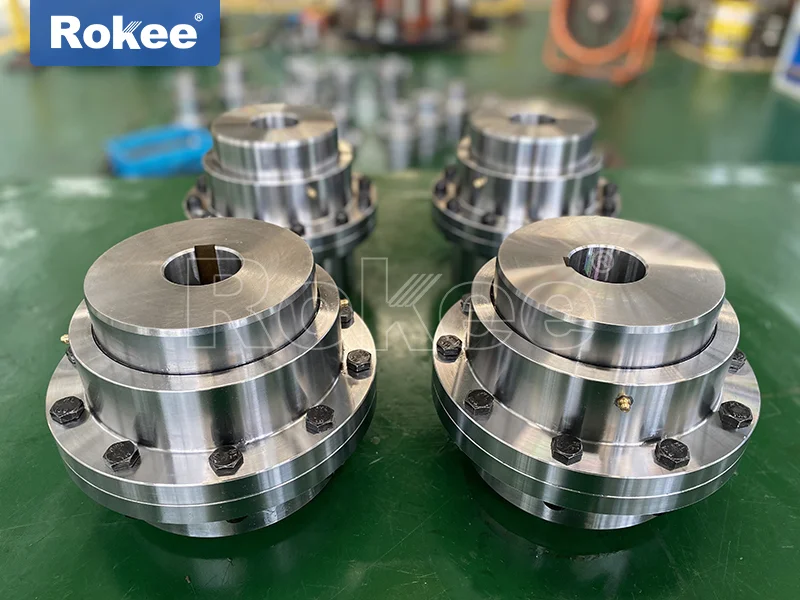
The continuous and stable operation of transmission systems stands as the core foundation for the efficient production of PU sandwich panels, a widely used composite building material in modern construction, insulation, and industrial enclosure projects. PU sandwich panel production lines involve a series of continuous and interconnected processes including raw material feeding, foam injection, composite pressing, constant-temperature curing, fixed-length cutting, and finished product conveying. Every production link relies on precise and uninterrupted power transmission between mechanical equipment, and any slight transmission stagnation, jitter, or stuck failure will directly disrupt the production rhythm, cause panel surface defects, inconsistent core material foaming density, dimensional deviation of finished products, and even lead to equipment shutdown and material waste. In the long-term operation of traditional production line transmission structures, flexible coupling slipping, rigid connection jamming, and poor misalignment adaptability have always been common pain points restricting production stability. As a high-reliability transmission component, gear coupling has gradually become the core matching part of PU sandwich panel production lines by virtue of its unique no-stuck transmission performance, effectively solving various transmission failure problems in continuous industrial production and optimizing the overall operational stability and production efficiency of the production line.
To understand the outstanding advantages of gear coupling in avoiding transmission stuck in PU sandwich panel production line, it is necessary to first analyze the complex operating characteristics and transmission challenges of the production line. The entire production process of PU sandwich panels is a continuous dynamic operation system that requires 24-hour intermittent operation in most industrial production scenarios to meet large-scale market demand. During the production process, the equipment will be affected by multiple interfering factors such as alternating load changes, mechanical vibration, shaft position deviation, and environmental temperature fluctuation. In the raw material feeding stage, the conveying mechanism needs to drive unevenly distributed raw materials, generating instantaneous impact loads; in the composite pressing and curing stage, the pressing equipment operates with high torque and low speed for a long time, and the thermal expansion and contraction of mechanical parts caused by constant-temperature curing will produce tiny axial and angular misalignment between the driving shaft and driven shaft; in the cutting and finished product conveying stage, frequent start-stop actions will cause instantaneous torque changes in the transmission system. These complex working conditions put forward extremely high requirements on the adaptability, stability and fault tolerance of transmission components. Traditional transmission couplings often fail to cope with the superposition of multiple variable working conditions: elastic couplings are prone to elastic fatigue and deformation after long-term load operation, resulting in transmission delay and stuck phenomenon; rigid couplings have zero tolerance for shaft misalignment, and tiny position deviations will cause shaft friction and transmission blockage, triggering equipment jitter and production pause. In contrast, the structural design and working principle of gear coupling perfectly adapt to the complex operating environment of PU sandwich panel production lines, realizing continuous and smooth transmission without stuck under variable load, misalignment and frequent start-stop conditions.
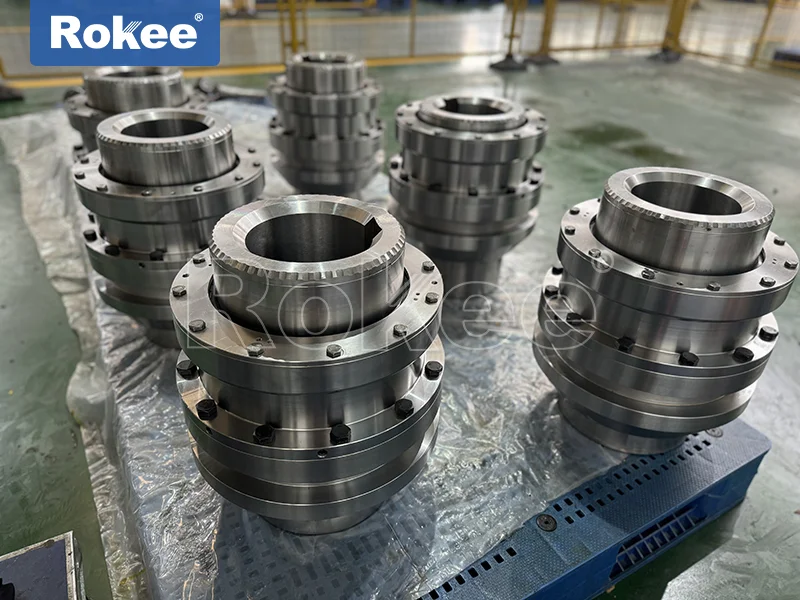
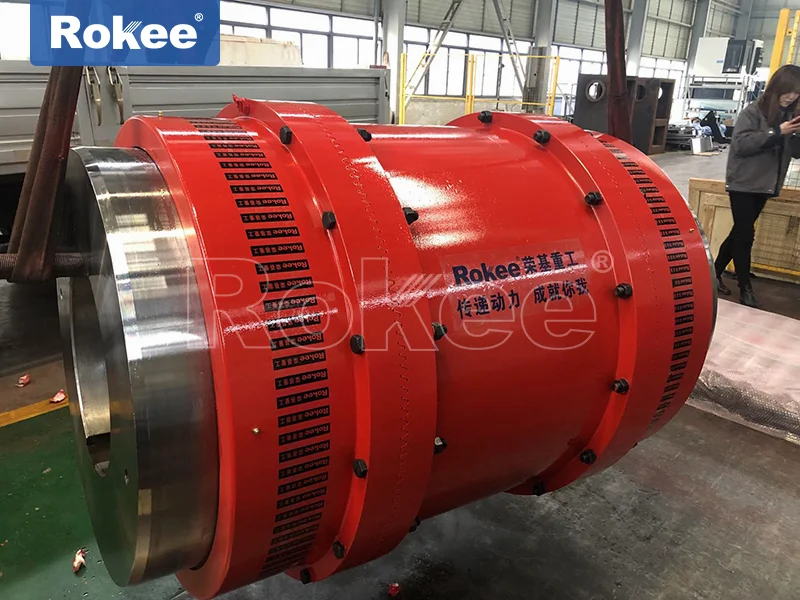
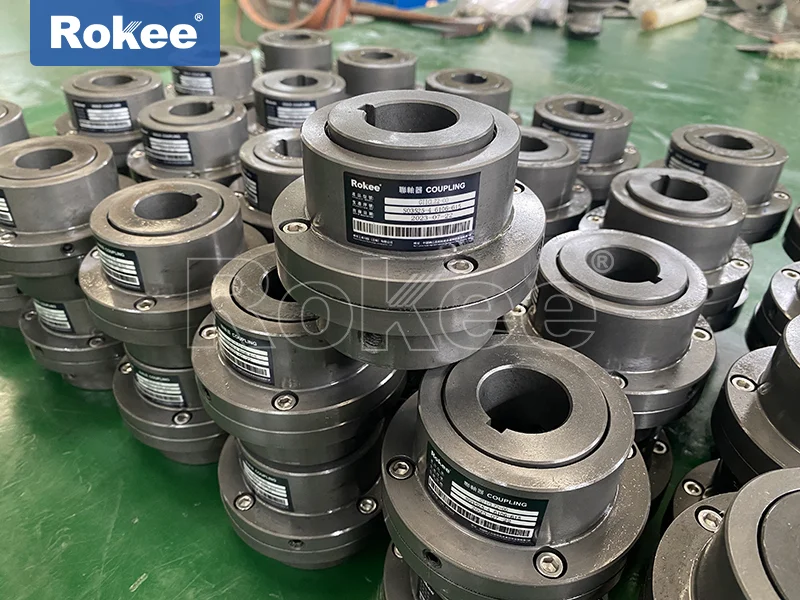
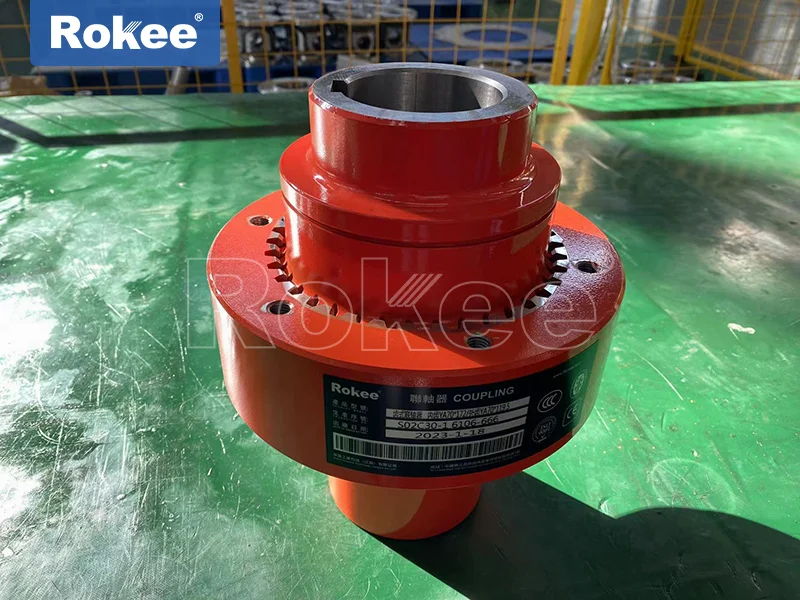
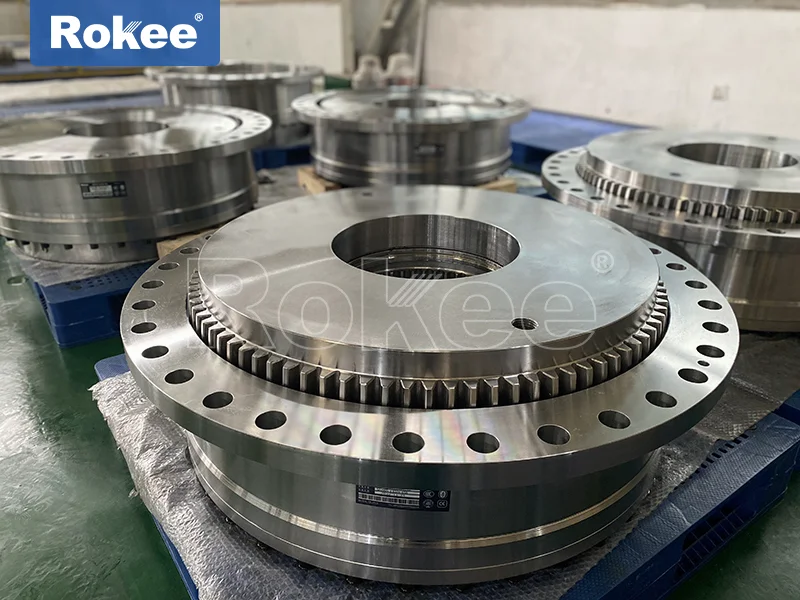
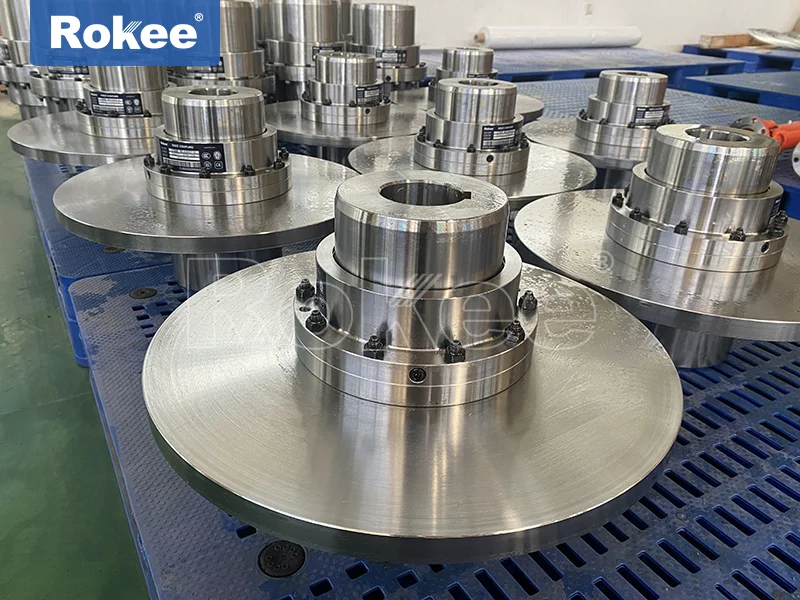
The excellent no-stuck transmission performance of gear coupling originates from its precise and reliable structural design and mechanical transmission logic. Different from the single contact transmission mode of traditional couplings, gear coupling adopts a multi-tooth meshing transmission structure composed of inner gear sleeve and outer gear hub. The crown gear structure of the outer gear hub enables each gear tooth to achieve uniform contact and stable force bearing during the meshing process, avoiding the local stress concentration and unbalanced force phenomenon that easily occur in single-tooth or few-tooth transmission. This multi-point synchronous meshing structure allows the gear coupling to evenly transmit torque in all operating states, eliminating the transmission pause caused by local tooth separation and contact jamming. At the same time, the internal gap reservation and flexible meshing design of the gear coupling provide reasonable compensation space for the axial, radial and angular misalignment of the equipment shaft. In the long-term operation of PU sandwich panel production lines, the vibration of rotating parts, thermal deformation of equipment and assembly errors will inevitably lead to tiny offset of the connecting shaft. Ordinary transmission parts will generate rigid friction and extrusion at the offset position, resulting in slow transmission response and even stuck shutdown, while gear coupling can automatically adapt to these minor misalignments through the flexible meshing of gear teeth, maintaining continuous and stable torque transmission without generating transmission resistance or stagnation problems. In addition, the overall structural rigidity of gear coupling is higher than that of ordinary flexible couplings, which can effectively resist deformation under high torque and impact load conditions, ensuring that the transmission speed and torque output remain consistent without jitter or stuck during the switching of different production processes.
In the actual operation scenario of PU sandwich panel production lines, the no-stuck advantage of gear coupling brings multi-dimensional optimization effects to production and equipment operation. First of all, it realizes zero-interruption continuous production and fundamentally avoids product quality problems caused by transmission stuck. The foaming and composite molding of PU sandwich panels are highly continuous processes. Once the transmission system is stuck and the equipment stops running temporarily, the polyurethane raw materials in the injection and molding stage will solidify unevenly, resulting in hollow cores, uneven thickness and delamination of the sandwich panel. After the equipment restarts, the inconsistent operating speed will also cause deviation in the cutting size of the finished panel, leading to a large number of defective products. The stable and non-stuck transmission performance of gear coupling ensures that the operating speed of each equipment module in the production line is synchronized and consistent, the raw material feeding, foaming, pressing and conveying processes are carried out stably in accordance with the set parameters, and the consistency and qualification rate of finished product quality are significantly improved. Secondly, gear coupling reduces equipment failure rate and downtime loss caused by transmission stuck. Transmission stuck is one of the main causes of mechanical failure of PU sandwich panel production lines. Long-term stuck and jitter operation will aggravate the wear of shaft parts, bearings and transmission components, shorten the service life of equipment, and require frequent shutdown maintenance and part replacement. The reliable transmission performance of gear coupling eliminates stuck failures from the source, reduces the abnormal wear and tear of equipment mechanical parts, extends the overall service life of the production line equipment, and greatly reduces the frequency of equipment shutdown maintenance, effectively improving the overall operation rate of the production line.
Moreover, the no-stuck transmission characteristics of gear coupling significantly improve the production efficiency and operational economy of PU sandwich panel production lines. In industrial batch production, every short-term transmission stuck and equipment restart will consume extra production time and energy. Frequent small-scale stagnation will accumulate into huge production efficiency loss, making it difficult for the production line to reach the rated production capacity. Gear coupling maintains smooth transmission in the whole production cycle, realizes seamless connection of each production process, ensures that the production line always operates at a stable rated speed, and maximizes the production output per unit time. At the same time, the stable transmission state avoids the energy waste caused by repeated start-up and stuck load operation of the equipment. The precise meshing transmission of gear teeth minimizes power loss during the torque transmission process, making the power output of the driving equipment more efficient and reducing the comprehensive energy consumption of the production line. In terms of daily operation and maintenance, the no-stuck operation state also reduces the maintenance difficulty and cost of the transmission system. Without frequent stuck and impact wear, the gear teeth and connecting parts of the coupling maintain a good operating state for a long time, and the daily maintenance only needs regular lubrication inspection, without frequent replacement of worn parts, which greatly reduces the daily operation and maintenance cost of the enterprise.
Compared with other types of transmission couplings applied in PU sandwich panel production lines, the technical advantages of gear coupling in no-stuck transmission are more prominent. Rubber flexible couplings rely on the elastic deformation of rubber parts for misalignment compensation, but rubber materials are prone to aging, hardening and deformation under the influence of long-term high temperature, vibration and alternating load in the production environment. After aging, the elastic compensation capacity decreases sharply, and the transmission is easy to stagnate and jam, and even rubber fracture will cause direct transmission interruption. Diaphragm couplings have high precision, but their anti-impact load capacity is weak. In the face of instantaneous impact load and frequent start-stop of the sandwich panel production line, the diaphragm is easy to fatigue and deform, resulting in unbalanced transmission and local stuck. In contrast, gear coupling adopts all-metal mechanical meshing transmission, which has strong high temperature resistance, vibration resistance and impact resistance. It can maintain stable meshing state and no-stuck transmission in the high-temperature curing environment and variable load operation state of the production line for a long time, and its environmental adaptability and operational stability are far better than other flexible transmission parts. In addition, the double-gear meshing structure of gear coupling has higher torque transmission density, which can meet the high-torque operation demand of pressing and conveying links in sandwich panel production lines, and there is no transmission lag or stuck phenomenon even under full-load operation conditions.
The long-term application practice in PU sandwich panel production industry has fully verified the reliable no-stuck transmission performance of gear coupling. In the full-process continuous production of thickened insulation panels, fireproof composite panels and special-shaped sandwich panels, the production line needs to adjust the operating speed and load state according to different product specifications. Traditional transmission components often cannot adapt to frequent parameter switching, and are prone to transmission stuck and equipment jitter during speed regulation and load switching, affecting production continuity. Gear coupling can freely adapt to speed regulation and load changes within a wide range through its flexible meshing performance, maintaining smooth and consistent transmission state in all working condition switching processes, ensuring that the production line can flexibly switch production specifications without shutdown and debugging, and realizing flexible and efficient production. At the same time, in the long-term continuous operation cycle of several years, gear coupling can always maintain stable transmission performance, no stuck failure or transmission attenuation occurs, and the long-term operational stability is extremely prominent, which provides a solid mechanical guarantee for the long-term stable operation of industrial production lines.
In conclusion, the no-stuck transmission advantage of gear coupling is highly compatible with the continuous, high-efficiency and high-stability production requirements of PU sandwich panel production lines. Its unique multi-tooth meshing structure, reliable misalignment compensation capacity, strong impact resistance and environmental adaptability perfectly solve the various transmission stuck problems that plague traditional production line equipment. By realizing uninterrupted and smooth power transmission, gear coupling not only ensures the stable improvement of the quality and qualification rate of PU sandwich panel products, but also effectively reduces equipment failure rate, maintenance cost and production energy consumption, and significantly improves the overall production efficiency and economic benefits of the production line. With the continuous upgrading of PU sandwich panel production technology and the increasing demand for high-precision and high-efficiency industrial production, gear coupling will become an increasingly important core transmission component in the sandwich panel production industry, and its no-stuck stable transmission performance will continue to create greater value for the stable and high-quality development of the composite material production industry.