Drum Gear Coupling Manufacturer
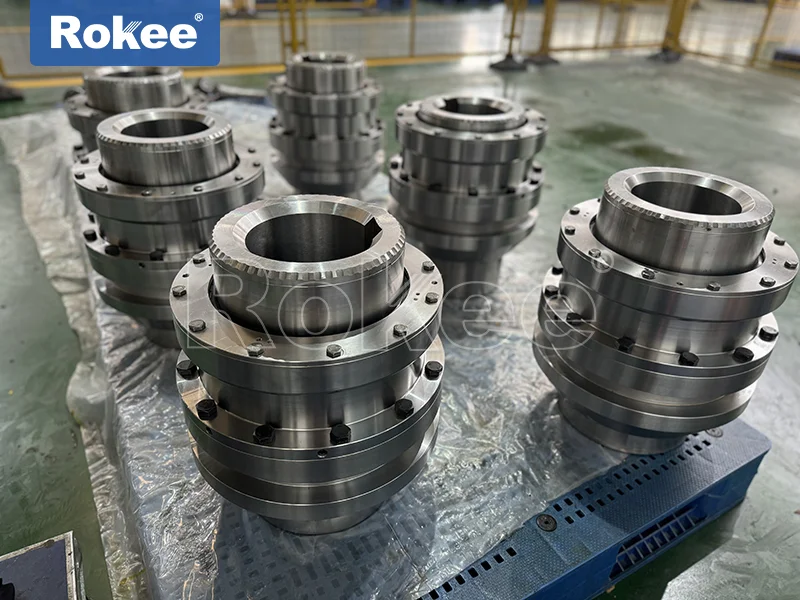
Drum gear couplings are essential mechanical transmission components widely adopted in heavy-duty industrial mechanical systems, serving as a core connecting unit for shaft-to-shaft power transmission in various mechanical equipment. Different from traditional straight gear couplings, this type of coupling features uniquely designed drum-shaped gear teeth structures, which effectively optimize the stress distribution of gear meshing and greatly enhance the overall operational stability of the equipment. It stands out in the mechanical transmission field for its excellent torque bearing capacity, flexible misalignment compensation performance and strong environmental adaptability. In complex working scenarios including frequent start-stop operation, variable load impact and long-duration continuous operation, drum gear couplings can maintain stable power transmission efficiency, reduce mechanical operation errors, and effectively buffer vibration and impact generated during equipment operation. As a reliable transmission accessory, it lays a solid foundation for the safe, efficient and long-term operation of various industrial mechanical systems.
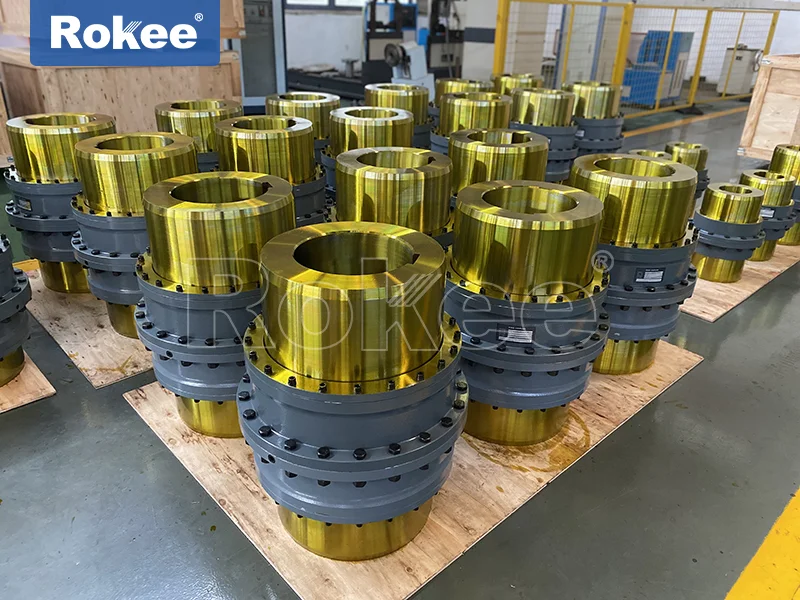
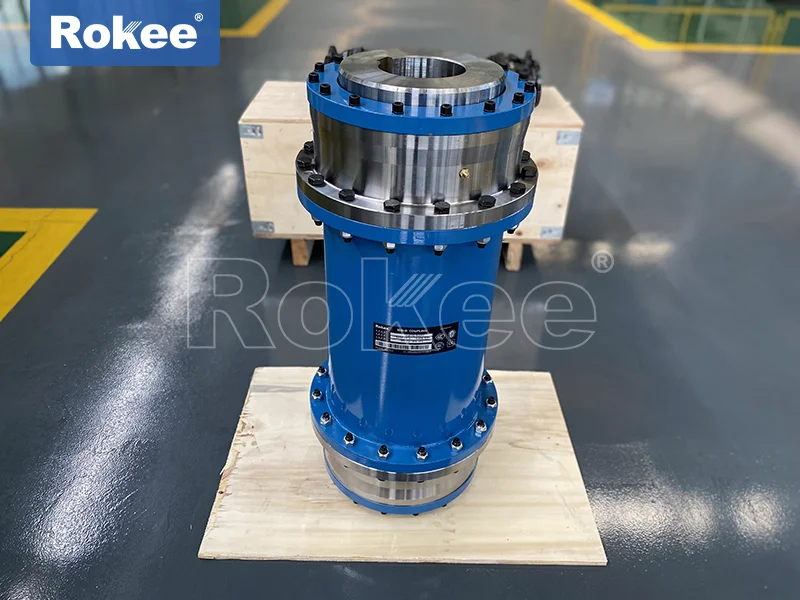
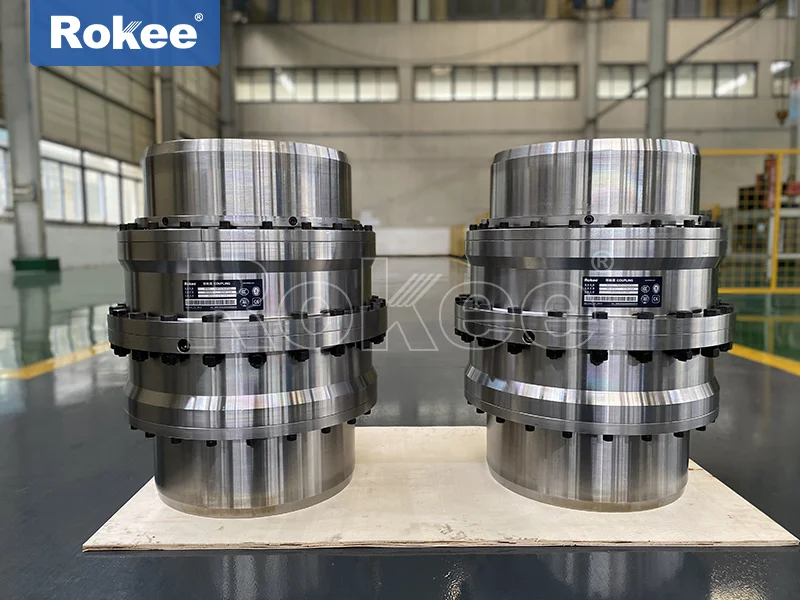
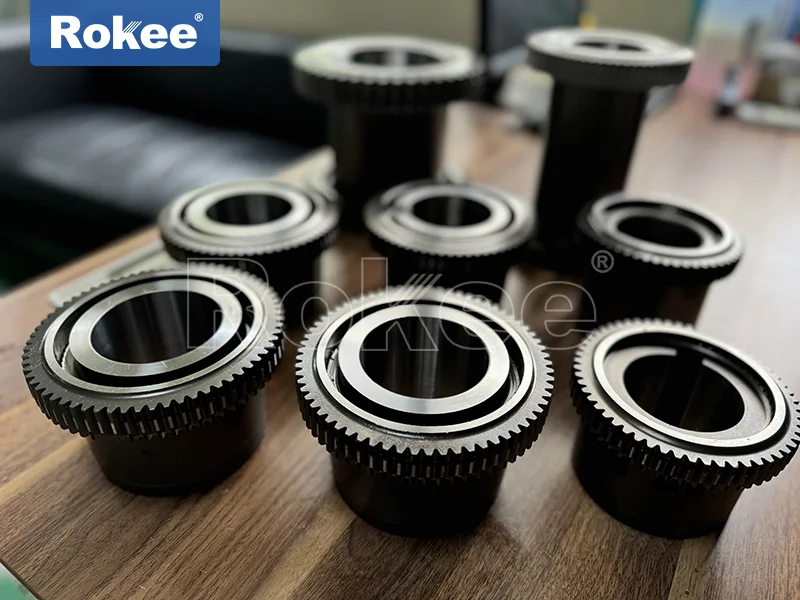
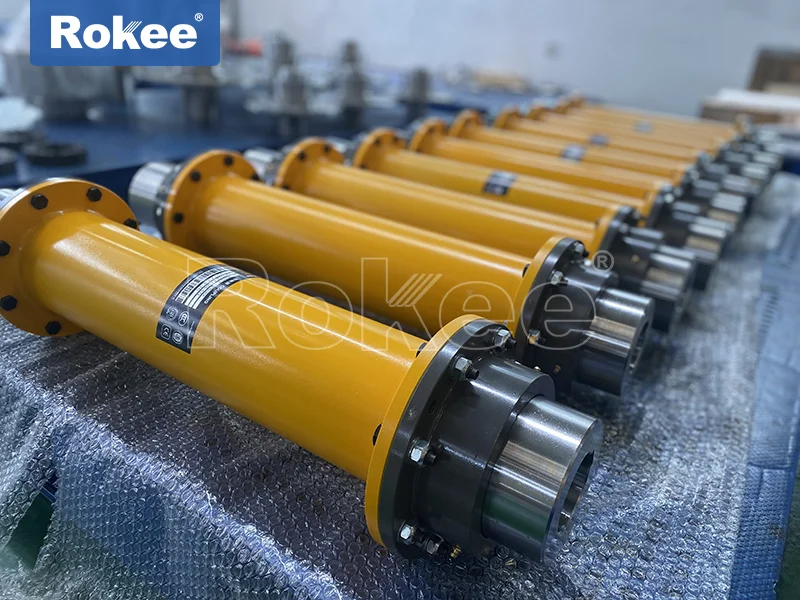
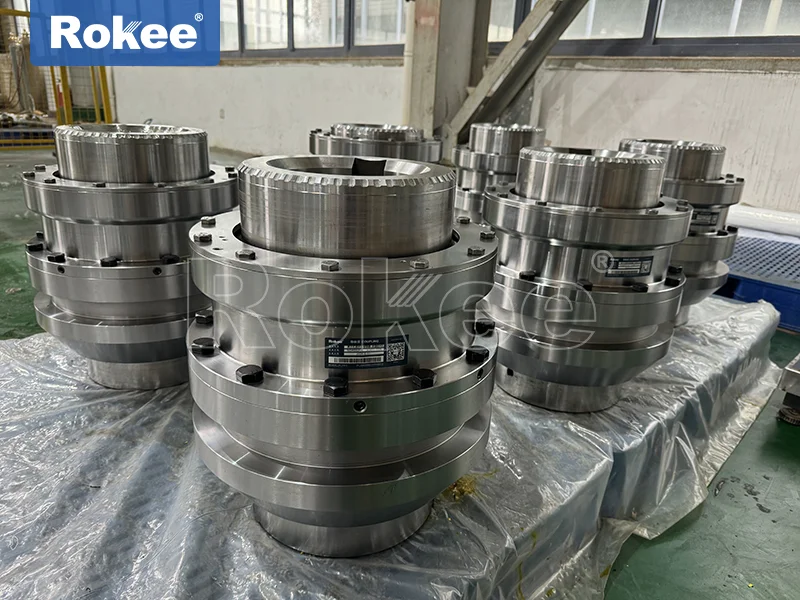
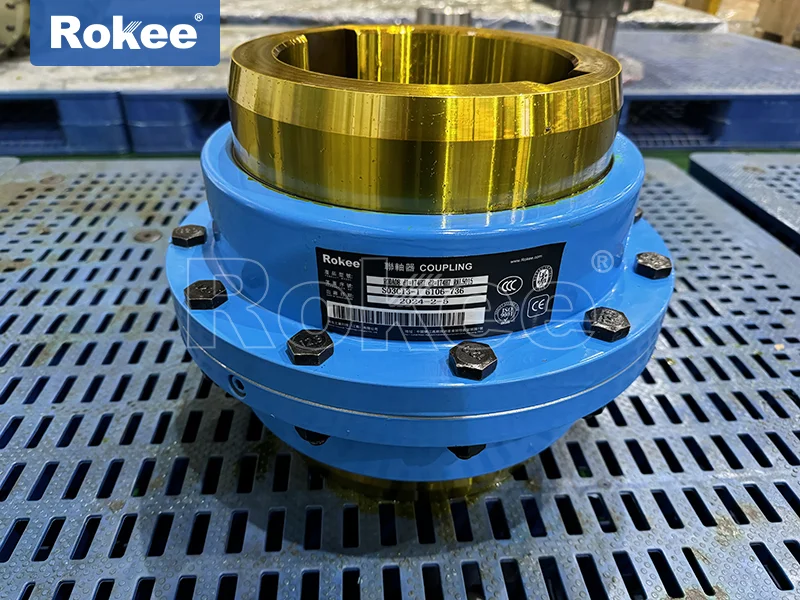
The core structural design of drum gear couplings endows them with superior mechanical performance that distinguishes them from ordinary coupling products. The whole structure mainly consists of two outer hubs with drum-shaped external teeth and an inner sleeve with straight internal teeth, forming a compact and integrated meshing transmission structure. The key innovation lies in the drum-shaped modification of the external gear teeth, which changes the linear contact state of traditional gear meshing into curved surface contact. This structural improvement enables the gear teeth to bear pressure more evenly during operation, avoiding local excessive wear and tooth edge stress concentration that often occur in straight gear couplings. Meanwhile, the reasonable clearance design between the meshing teeth reserves sufficient space for shaft displacement, allowing the coupling to adapt to axial, radial and angular misalignment generated during equipment operation. The integrated structural layout also simplifies the overall assembly structure, reduces the number of matching parts, and effectively lowers the failure probability caused by part loosening or matching errors in long-term operation.
The outstanding misalignment compensation capability is one of the most prominent advantages of drum gear couplings in industrial applications. In actual mechanical operation, it is difficult to achieve absolute coaxiality between driving shafts and driven shafts due to equipment assembly errors, mechanical vibration, thermal expansion and contraction, and long-term structural deformation. Ordinary rigid couplings cannot adapt to these subtle displacements, which will cause additional torque load on the transmission shaft, accelerate component wear, and even lead to shaft deformation and equipment failure in severe cases. Drum gear couplings perfectly solve this pain point by virtue of the flexible meshing characteristics of drum-shaped teeth. When shaft misalignment occurs, the curved gear teeth can slide and adjust freely along the inner sleeve track, automatically offsetting various displacement deviations without generating additional transmission resistance. This flexible compensation mode not only ensures continuous and stable power transmission, but also greatly reduces the operating load of bearings, shafts and other core components, effectively extending the service life of the entire transmission system.
Drum gear couplings possess exceptional high torque bearing capacity, making them the preferred choice for heavy-load industrial transmission scenarios. The curved meshing design of drum-shaped teeth increases the actual contact area between gear teeth compared with traditional gear structures, enabling more uniform dispersion of instantaneous torque and impact load. In high-load working environments such as large mechanical operation and heavy material conveying, the coupling can stably bear continuous high torque and instantaneous impact torque without gear tooth deformation or meshing failure. In addition, the optimized tooth profile structure enhances the overall rigidity of the coupling, ensuring that no obvious torsional deformation occurs during high-power transmission. This reliable load-bearing performance makes it widely applicable in various heavy machinery and industrial production equipment, which need to maintain high-efficiency power output under long-term heavy load conditions, and effectively avoids equipment shutdown and production losses caused by insufficient torque bearing capacity of transmission parts.
Durability and low maintenance characteristics make drum gear couplings highly cost-effective in long-term industrial operation. The special tooth profile design avoids sharp friction and local abrasion of gear teeth during meshing movement, greatly reducing the wear rate of core transmission parts. Meanwhile, most drum gear couplings adopt high-strength alloy materials with optimized surface treatment processes, which significantly improve their wear resistance, oxidation resistance and corrosion resistance. These performance upgrades enable the couplings to adapt to harsh working environments including high temperature, dust, humidity and slight corrosive mediums, maintaining stable working performance for a long time. In terms of daily maintenance, the compact structural design simplifies the disassembly and assembly process, and the reserved lubrication structure facilitates regular oil filling and maintenance. Scientific lubrication management can further reduce gear meshing friction, delay component aging, and greatly extend the service cycle of the coupling, reducing the frequency of equipment maintenance and replacement costs for industrial production enterprises.
The vibration damping and impact buffering performance of drum gear couplings plays a vital role in protecting industrial mechanical systems. Industrial equipment often generates frequent vibration and instantaneous impact load during start-up, shutdown, load switching and abnormal operation, which will cause fatigue damage to precision mechanical parts and reduce the operation accuracy of equipment over time. The flexible meshing gap of drum gear coupling teeth can effectively absorb and buffer these mechanical vibrations and impact forces. When impact load is generated, the tiny sliding displacement between meshing gear teeth can disperse instantaneous impact energy, avoid direct rigid collision between shafts, and reduce vibration transmission in the transmission system. This excellent buffering performance not only protects precision components such as bearings and gears from impact damage, but also stabilizes the operation accuracy of mechanical equipment, reduces equipment operation noise, and improves the overall working stability and comfort of the production environment.
Drum gear couplings exhibit extremely strong application adaptability, covering almost all mainstream industrial power transmission fields. They are widely used in heavy machinery, metallurgical equipment, mining machinery, chemical equipment, building materials machinery and logistics conveying equipment, adapting to different working modes such as continuous operation, intermittent operation and variable-speed operation. Whether it is high-speed light-load transmission or low-speed heavy-load power output, the coupling can adjust its working state adaptively to match different equipment operation requirements. In addition, the diversified structural design allows it to be flexibly matched with various shaft diameters and equipment installation spaces, meeting the personalized assembly needs of different mechanical systems. Its strong environmental adaptability and scene compatibility make it a universal core transmission component in modern industrial manufacturing, providing stable and reliable power connection support for diversified industrial production scenarios.
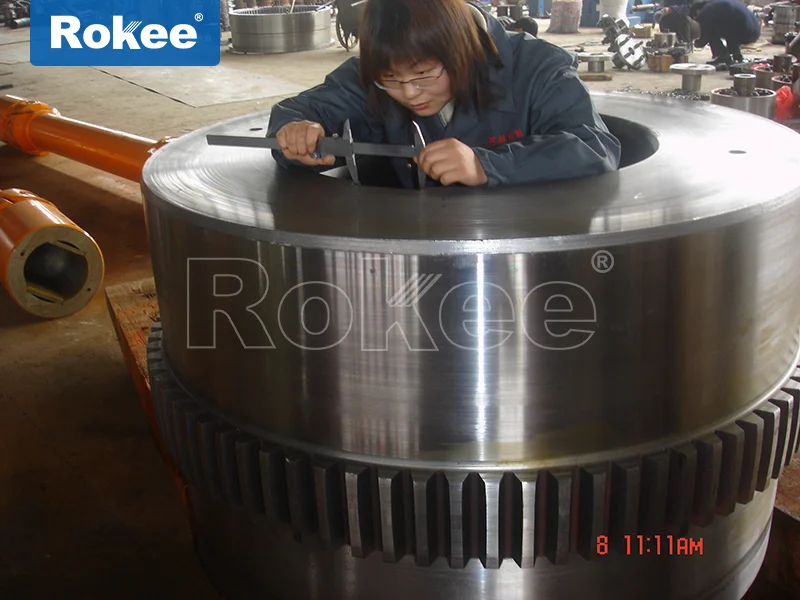
With the continuous upgrading of modern industrial manufacturing technology, the performance optimization of drum gear couplings is also advancing continuously, constantly adapting to the higher standard requirements of intelligent and high-efficiency industrial production. Modern production and processing technologies further optimize the tooth profile precision and structural stability of drum gear couplings, making their misalignment compensation more accurate and torque transmission more efficient. At the same time, the upgrading of material technology further improves the high-temperature resistance, wear resistance and fatigue resistance of the products, enabling the couplings to operate stably in more extreme working conditions. As an indispensable basic mechanical component, drum gear couplings will continue to play an irreplaceable role in industrial power transmission, continuously helping mechanical equipment improve operation efficiency, reduce failure rates, and support the stable and sustainable development of modern industrial production.