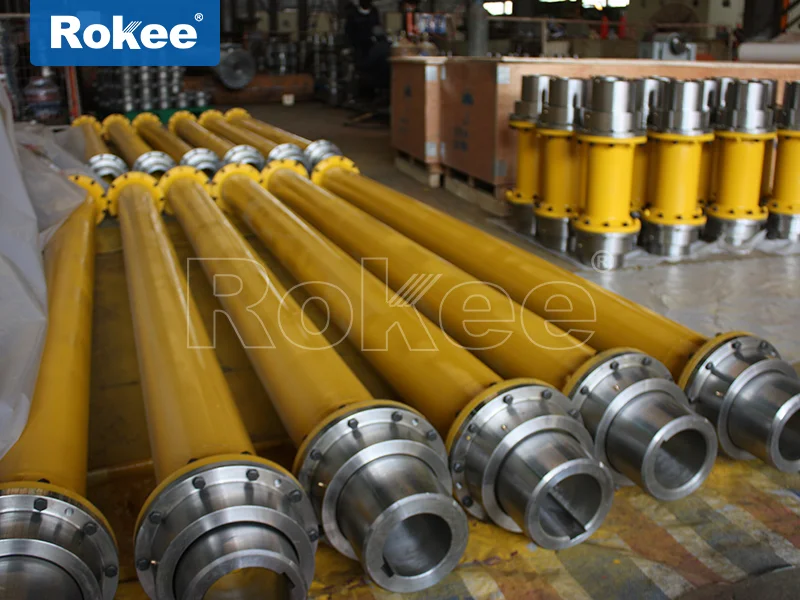
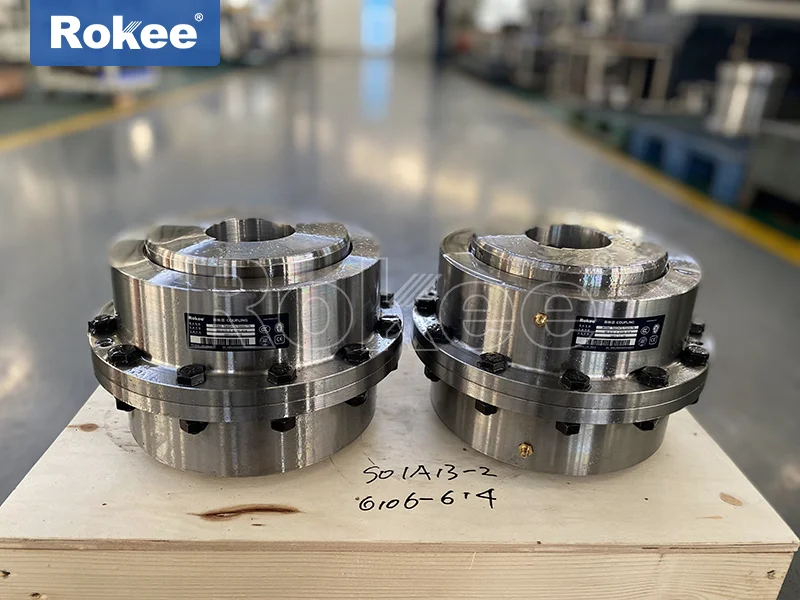
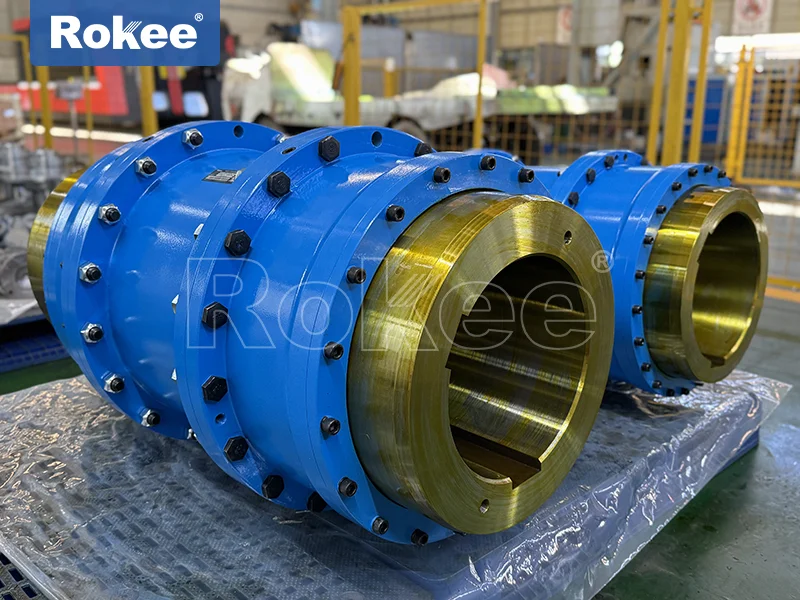
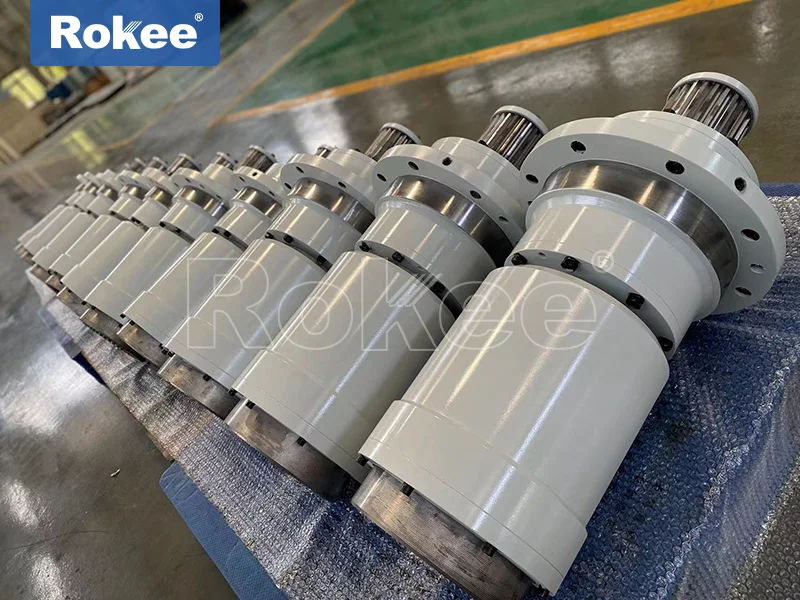
Teeth Coupling For Fan Blower Drive
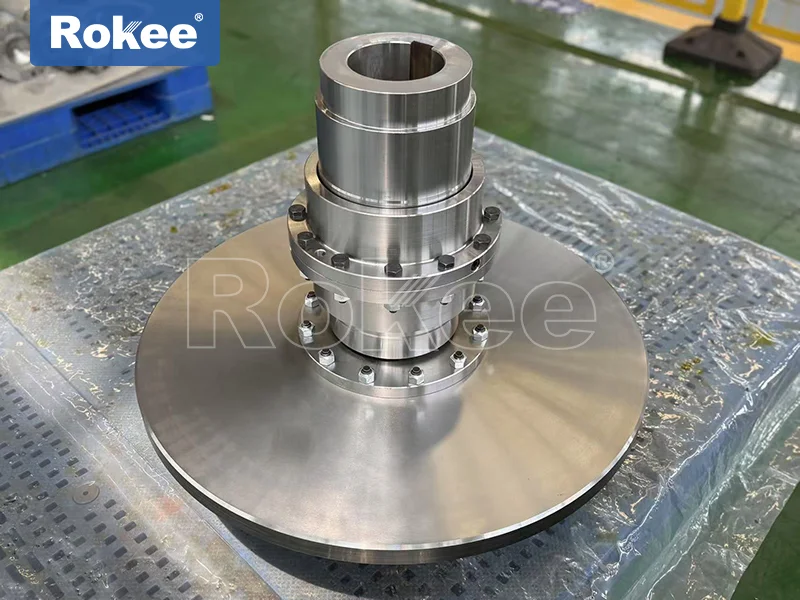
Teeth couplings serve as a core power transmission component for fan blower drive systems, playing an irreplaceable role in ensuring stable, efficient and continuous operation of various industrial and civil blower equipment. As a flexible mechanical transmission device relying on internal and external gear meshing, it effectively connects drive motors and blower main shafts, transmitting rotational torque while adaptively compensating for various shaft misalignments generated during equipment operation. Fan blowers typically operate in long-cycle, high-speed and variable-load working conditions, where minor installation deviations, equipment vibration and foundation settlement can easily cause shaft offset and mechanical stress concentration. Teeth couplings resolve these problems perfectly through their unique tooth structure design, reducing transmission friction, lowering vibration and noise, and avoiding component wear and power loss caused by misalignment.
The working principle of teeth couplings for fan blower drive systems is rooted in precise gear meshing and adaptive displacement adjustment, which forms the fundamental guarantee for efficient power transmission. A complete teeth coupling mainly consists of two external gear hubs fixed on the motor drive shaft and blower driven shaft respectively, and an integral internal gear sleeve that wraps and meshes with the two hubs. When the drive motor starts and runs, the external gear teeth of the active hub engage tightly with the internal gear teeth of the outer sleeve, converting the motor’s rotational power into synchronous motion of the gear sleeve, which further drives the driven hub and the connected fan blower shaft to rotate stably. Different from rigid coupling structures that pursue absolute coaxiality, the tooth matching gap and optimized tooth profile design of teeth couplings reserve reasonable displacement space. During the long-term operation of fan blowers, tiny angular, radial and axial misalignments between the two shafts are inevitable due to installation errors, operational vibration and thermal expansion of metal components. The meshing teeth of the coupling can automatically adapt to these offset changes, maintaining uniform contact stress on the tooth surface without generating additional bending stress or friction resistance. This flexible meshing transmission mode ensures that the power transmission efficiency of the fan blower remains stable even in non-ideal installation and operation states, avoiding the power attenuation and mechanical jitter common in traditional transmission structures.
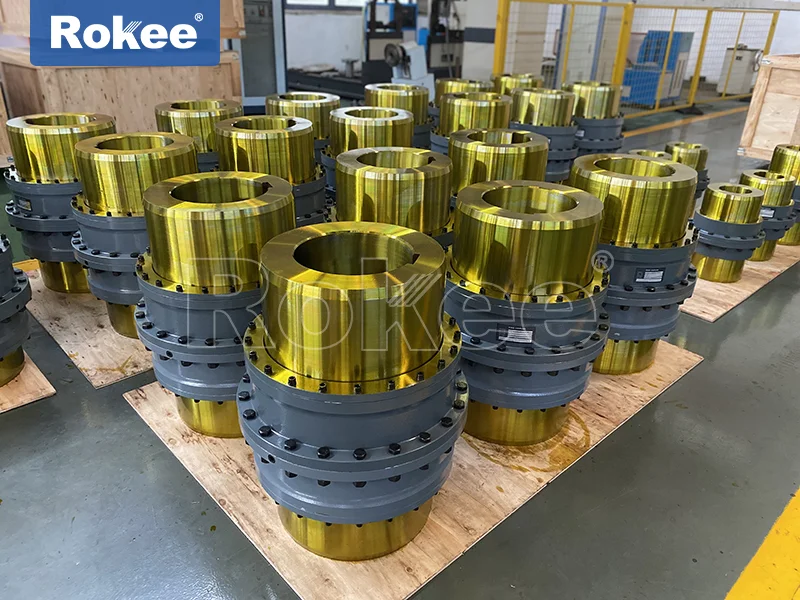
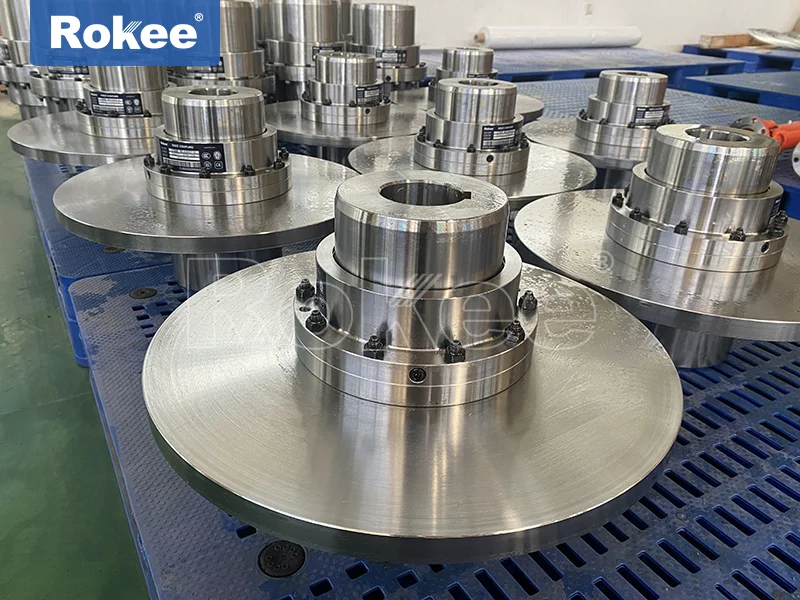
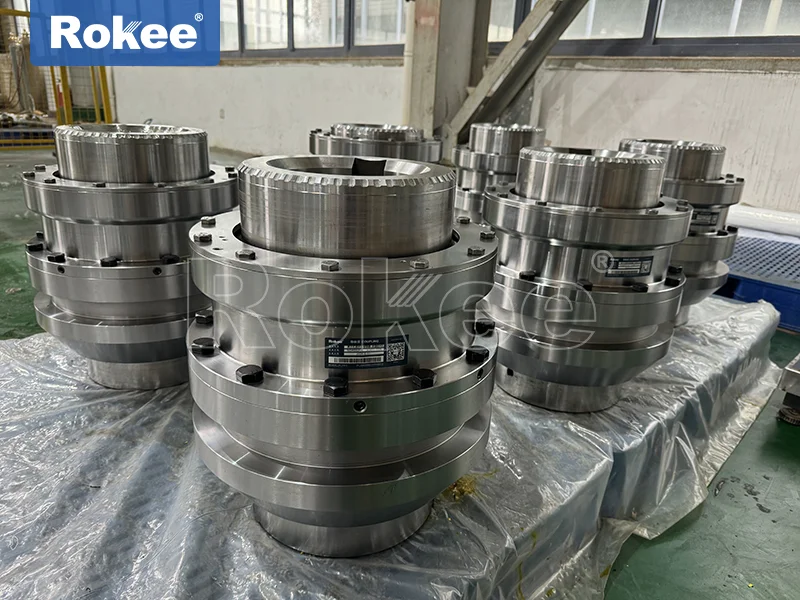
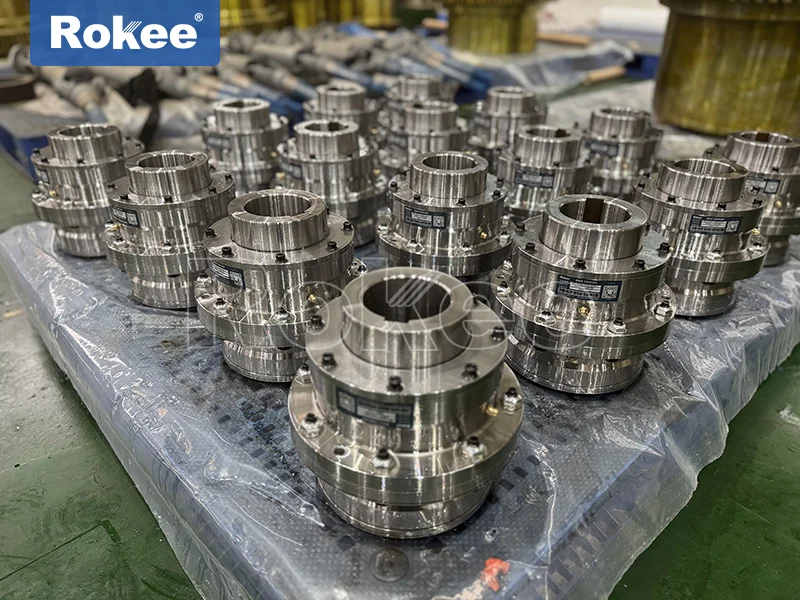
The unique structural design of teeth couplings endows them with superior adaptability to the complex operating conditions of fan blower drive systems, distinguishing them from other types of transmission couplings. Most teeth couplings applied in blower equipment adopt a crowned tooth profile design for external gears, which optimizes the contact state between meshing tooth surfaces compared with ordinary straight-tooth structures. The curved tooth surface enables the contact point to always stay at the center of the tooth surface when shaft misalignment occurs, effectively preventing stress concentration at the tooth edge and reducing local wear and tooth surface peeling. The overall structure features high integration and compactness, with the internal gear sleeve fully covering the meshing parts, which not only improves the structural rigidity of the coupling but also provides natural protection for the meshing tooth surfaces. For medium and large-sized fan blowers with high torque demand, the multi-tooth synchronous meshing structure of teeth couplings can disperse transmission load evenly on each tooth surface, avoiding single-tooth overload damage. In addition, the modular assembly structure of teeth couplings simplifies the matching process with blower drive systems. The hub and sleeve can be independently disassembled and replaced, which greatly reduces the difficulty of equipment transformation and part replacement. This structural superiority makes teeth couplings suitable for various types of fan blowers from small civil ventilation equipment to large industrial exhaust and air supply devices, adapting to different speed and torque transmission requirements.
Teeth couplings deliver prominent performance advantages in fan blower drive applications, focusing on high efficiency, stability and durability to meet the long-term continuous operation needs of blower equipment. First of all, they boast extremely high power transmission efficiency. The precise gear meshing mode achieves almost no-slip power transmission, avoiding the elastic deformation and power loss of flexible couplings such as belt and sleeve couplings, ensuring that the motor’s power is fully converted into the blower’s air supply power. Secondly, the excellent misalignment compensation capability is the core advantage applicable to blower working conditions. Fan blowers often generate slight shaft position deviation after long-term vibration and foundation deformation, and teeth couplings can tolerate a certain range of angular and radial offsets without affecting transmission stability, effectively protecting motor bearings and blower spindle components from eccentric wear. Moreover, this type of coupling has strong load impact resistance. Blower equipment often faces instantaneous load fluctuations caused by air volume changes and pipeline pressure fluctuations, and the meshing tooth structure can buffer instantaneous impact torque, reducing equipment vibration and operating noise. In terms of durability, the uniform load distribution of multi-tooth meshing reduces single-point wear, and the sealed structural design effectively isolates external dust, moisture and industrial debris, slowing down component aging and extending the service life of the entire drive system.
Scientific and standardized installation and daily maintenance are key to giving full play to the performance of teeth couplings and ensuring the long-term stable operation of fan blower drive systems. In the installation stage, the coaxiality calibration of the motor shaft and blower spindle is the core link. Although teeth couplings have misalignment compensation capability, excessive initial offset will increase tooth surface friction and accelerate wear. It is necessary to adjust the installation position of the motor and blower to control the shaft deviation within a reasonable range, ensuring uniform meshing of internal and external gear teeth. After positioning, the fastening degree of the hub and shaft connection parts should be checked to prevent relative sliding between the hub and the shaft during high-speed operation. Daily maintenance mainly focuses on lubrication management, as the meshing operation of gear teeth relies on high-quality lubricating media to reduce friction and wear. It is necessary to select suitable lubricating grease or oil according to the operating speed and load of the blower, and regularly supplement and replace lubricants to avoid dry friction and tooth surface scratch. In addition, regular visual inspection and running state detection are required, including checking for abnormal vibration, noise and temperature rise during blower operation, observing whether there is grease leakage or abnormal abrasion of the coupling shell, and timely troubleshooting hidden dangers. Regular cleaning of the coupling exterior to remove accumulated dust and debris can prevent foreign matter from entering the meshing gap and affecting transmission accuracy.
Teeth couplings show wide-ranging application adaptability in diverse fan blower working scenarios, covering low-speed low-power to high-speed high-load blower equipment in multiple industrial and civil fields. In conventional ventilation systems such as building ventilation and indoor air exchange, small and medium-sized teeth couplings are matched with low-power blowers, achieving stable and low-noise power transmission, adapting to long-term uninterrupted light-load operation. In industrial production scenarios including factory exhaust, dust removal and process air supply, medium and large blowers often operate under variable load and continuous working conditions, and the high torque bearing capacity and impact resistance of teeth couplings can fully meet the stable transmission requirements of high-load operation. For special working environments such as high temperature, high humidity and dusty industrial sites, the sealed structure of teeth couplings can effectively resist the erosion of external harsh factors, avoiding the failure of transmission components caused by environmental interference. Different from elastic couplings that are prone to aging and deformation in harsh environments and rigid couplings that lack buffer performance, teeth couplings balance rigidity and flexibility perfectly, maintaining stable transmission performance in complex working conditions. Whether it is horizontal installation of conventional blowers or vertical installation of special equipment, the flexible structural characteristics of teeth couplings can adapt to different installation forms and spatial layout requirements of blower drive systems.
Effective fault prevention and rapid troubleshooting mechanisms help reduce the failure rate of teeth couplings in fan blower drive systems and improve equipment operation reliability. Common abnormal problems in the operation process mainly include excessive vibration, abnormal noise and local overheating of the coupling. Excessive vibration is mostly caused by excessive shaft misalignment, loose fastening parts or uneven tooth surface wear, which can be solved by re-calibrating coaxiality, tightening fixed parts and replacing worn components in time. Abnormal friction noise often results from insufficient lubrication, deteriorated lubricants or foreign matter entering the meshing gap, and regular lubricant replacement and gap cleaning can effectively avoid such problems. Local overheating of the coupling is usually related to long-term overload operation, poor tooth surface meshing state or blocked heat dissipation, which requires adjusting the blower operating load and optimizing the meshing state. In addition, long-term idle operation or frequent start-stop of blowers will also affect the service life of teeth couplings. Reasonable formulation of equipment operation plans to avoid frequent load mutations can reduce fatigue wear of gear teeth. Regular periodic inspection and maintenance records can help track the operating state of the coupling, realize early warning of potential faults, and avoid sudden equipment shutdown caused by coupling failure, ensuring the continuous and efficient operation of fan blower systems.
With the continuous upgrading of industrial transmission technology, the technical optimization of teeth couplings for fan blower drive systems is constantly advancing, further improving the comprehensive performance of blower transmission systems. Modern processing technology optimizes the tooth profile precision and surface finish of gear teeth, making the meshing contact of teeth couplings more uniform, further reducing friction coefficient and improving transmission efficiency and wear resistance. The application of new high-strength and wear-resistant materials enhances the structural rigidity and fatigue resistance of couplings, enabling them to adapt to higher load and longer cycle operation requirements. In terms of structural optimization, improved sealed structures and dust-proof designs further enhance the environmental adaptability of couplings, reducing the impact of external impurities on internal meshing parts. Meanwhile, the lightweight structural optimization design reduces the overall weight of the coupling without reducing load capacity, lowering the additional rotational inertia of the blower drive system and reducing equipment energy consumption. The iterative optimization of teeth coupling technology not only improves the stability and durability of fan blower operation but also helps reduce equipment operation and maintenance costs, providing more reliable and energy-saving transmission solutions for modern blower equipment, and promoting the efficient and low-consumption operation of various ventilation and air supply systems.