Giant Curved Tooth Coupling
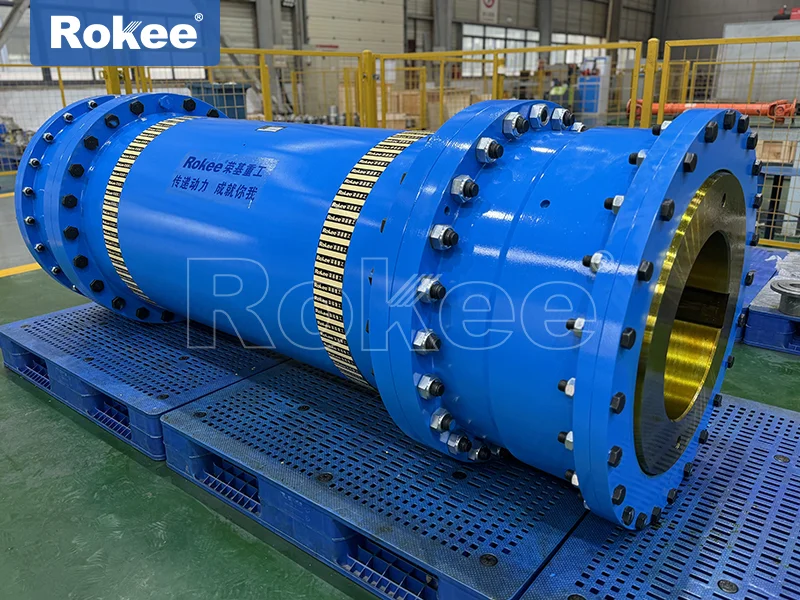
Giant curved tooth coupling is a high-performance rigid-flexible transmission component specially developed for heavy-duty industrial mechanical systems, serving as a core connecting unit between driving and driven shafts in large-scale equipment. Distinct from conventional straight-tooth gear couplings, its defining feature lies in the uniquely crowned curved tooth profile of external gear teeth, which forms a spherical tooth surface structure with a reasonable tooth gap design. This innovative structural layout enables the coupling to efficiently transmit ultra-high torque while effectively compensating for axial, radial, and angular misalignment generated during equipment operation. Boasting outstanding load-bearing capacity, stable transmission performance, and excellent fatigue resistance, it can adapt to harsh working conditions such as heavy load, frequent startup, and continuous high-speed operation. Widely applied in heavy industrial fields including mining, metallurgy, port transportation, and industrial lifting machinery, it solves the common problems of easy tooth wear, poor deviation adaptability, and low transmission stability of traditional couplings, providing reliable power transmission guarantee for large mechanical equipment operation.
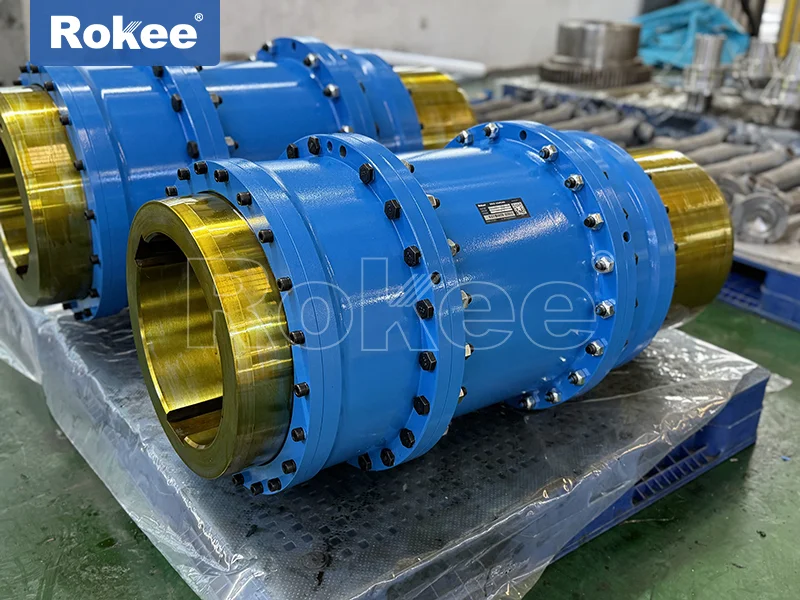
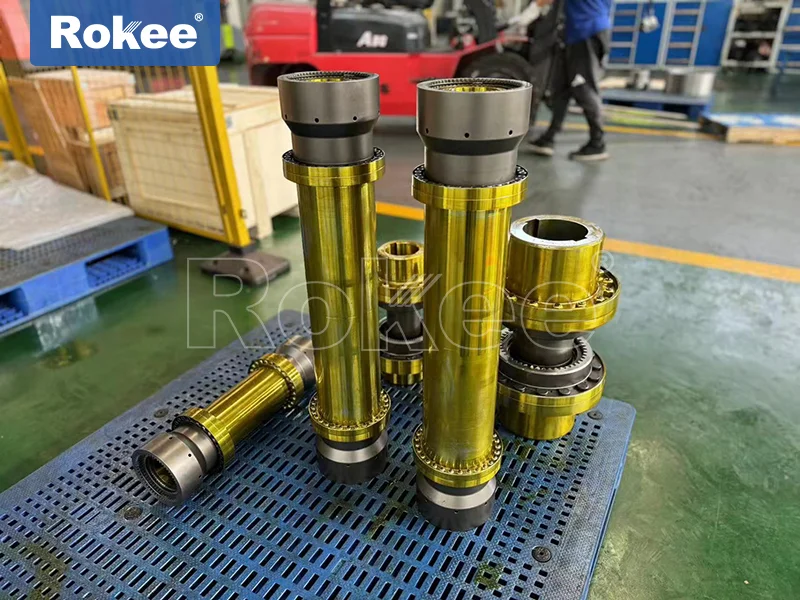
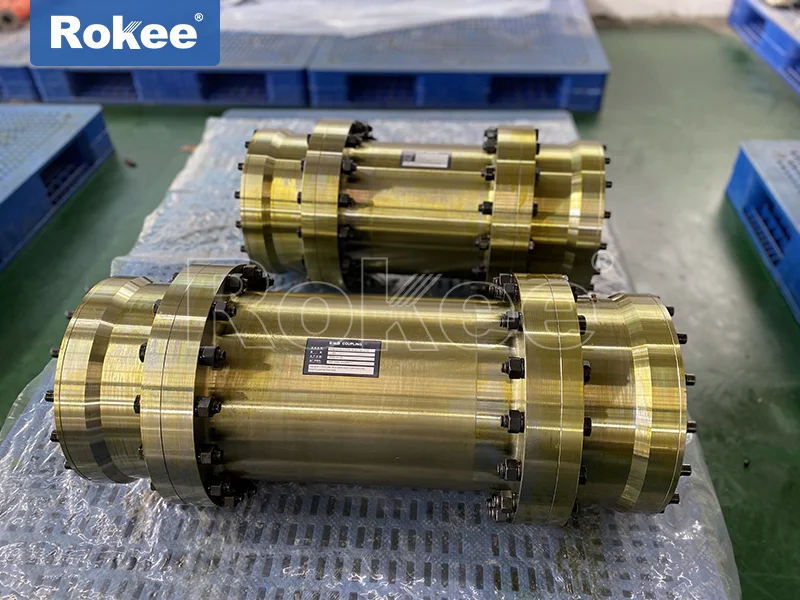
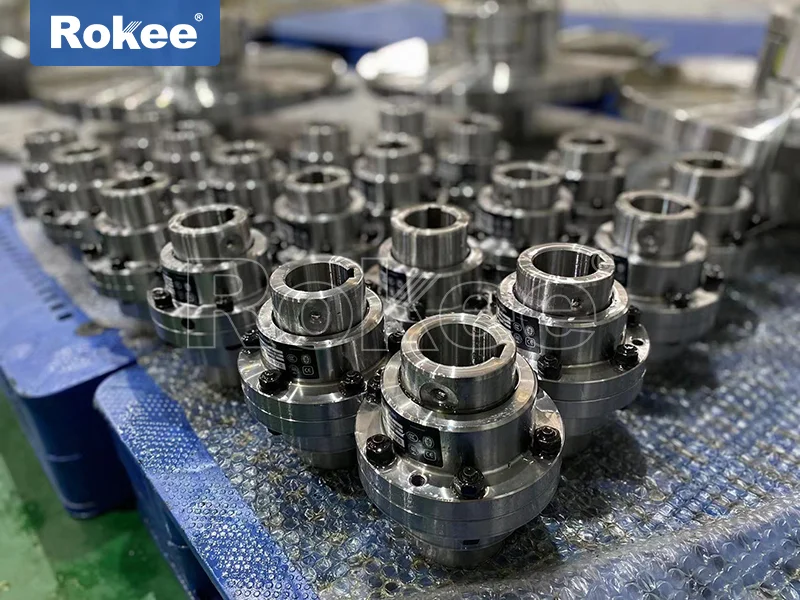
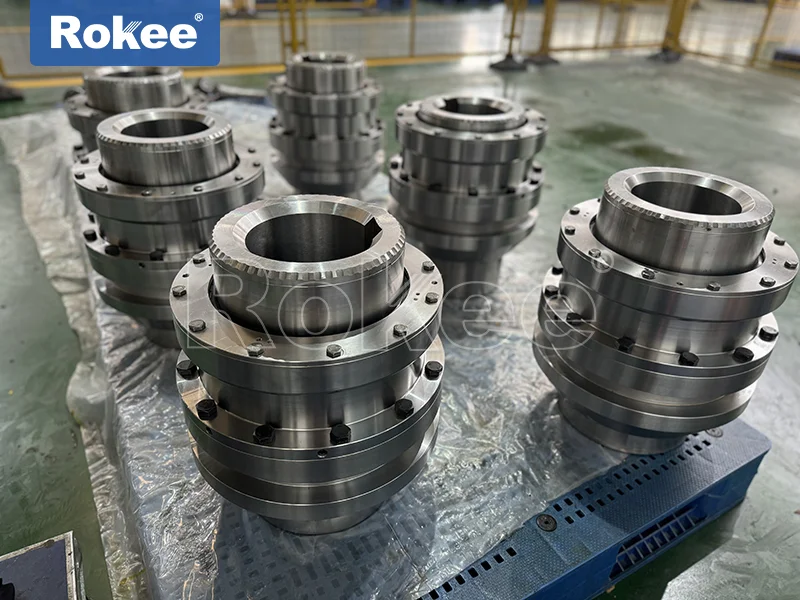
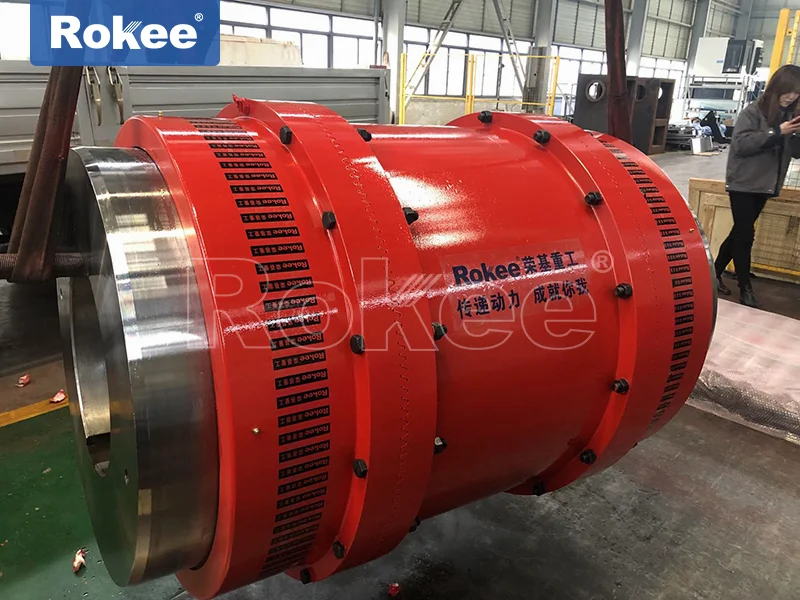
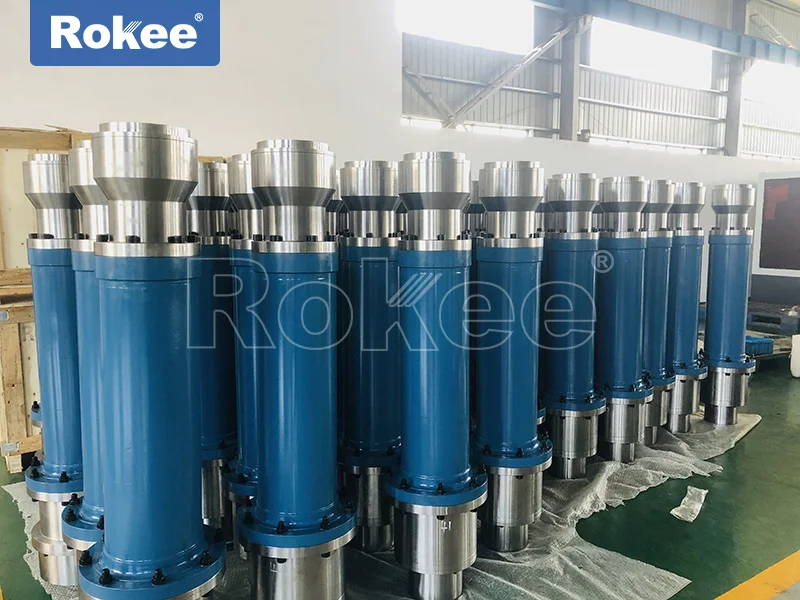
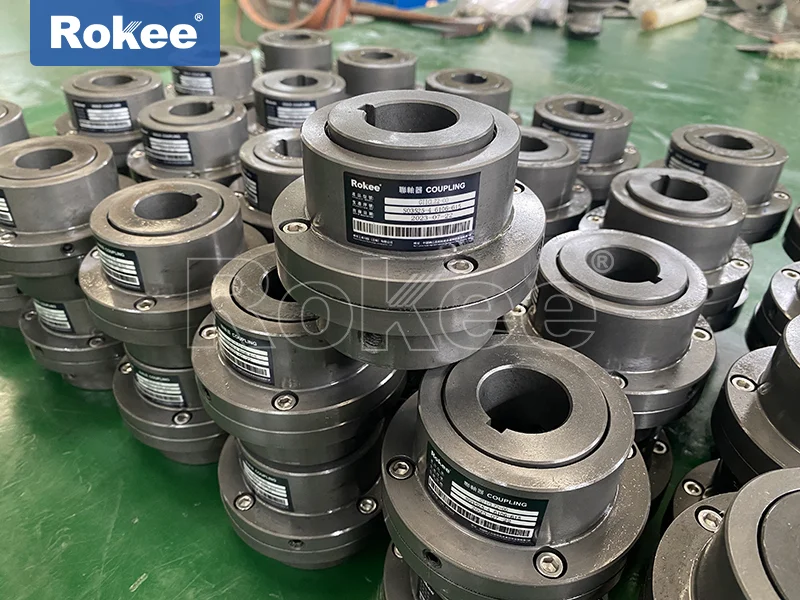
The structural composition of giant curved tooth coupling adopts a compact and integrated mechanical design, with core components covering external gear half-couplings, internal gear sleeves, fastening assemblies, and sealing and lubrication structures, forming a complete and independent power transmission system. The external gear teeth are processed into a precise curved spherical structure, with the spherical center perfectly coinciding with the gear axis, which is the key to its superior misalignment compensation performance. Different from the flat tooth surface of ordinary gear couplings, the curved tooth design realizes uniform stress distribution on the tooth surface during meshing, avoiding local stress concentration and edge wear that frequently occur in straight-tooth structures. The internal gear sleeve adopts an integral forging process with high structural rigidity, which can closely mesh with the curved external teeth to ensure synchronous rotation of the connected shafts. All core load-bearing parts are made of high-strength alloy materials, and undergo strict forging, quenching and tempering, and surface hardening treatments to enhance overall mechanical strength, wear resistance and impact resistance. The overall structure is highly integrated with no redundant parts, which not only reduces the overall installation space but also improves the structural stability and operational reliability of the coupling in long-term service.
The working principle of giant curved tooth coupling is based on the conjugate meshing transmission of curved gear pairs, realizing efficient and stable torque transmission between two adjacent mechanical shafts. In the operating state, the driving shaft drives the external gear half-coupling to rotate, and the curved external teeth mesh with the internal gear sleeve to transmit rotational torque and power to the driven shaft, ensuring synchronous operation of the entire transmission system. When the equipment is running, affected by mechanical vibration, equipment settlement, and assembly errors, the two connected shafts will inevitably produce tiny axial displacement, radial deflection and angular deviation. At this time, the curved tooth structure and reserved reasonable tooth gap can fully adapt to these displacement changes. The spherical tooth surface can slide freely within a certain range during meshing, without generating additional bending stress and friction resistance on the gear teeth and shaft body. This flexible compensation mechanism effectively eliminates the adverse effects of shaft misalignment on the transmission system, avoids abnormal vibration, noise and tooth surface abrasion caused by misalignment, and maintains high-efficiency power transmission status all the time. Even under dynamic alternating load conditions, the meshing state of the curved tooth pair can remain stable, ensuring continuous and reliable power output of mechanical equipment.
Giant curved tooth coupling possesses remarkable performance advantages compared with traditional transmission couplings, making it the preferred component for heavy-duty mechanical transmission scenarios. First of all, its curved tooth meshing structure realizes ultra-uniform load distribution on each tooth surface, greatly improving the overall torque bearing capacity, and it can stably bear long-term heavy load and instantaneous impact load that ordinary couplings cannot withstand. Secondly, the multi-dimensional misalignment compensation capability far exceeds that of straight-tooth couplings, which can effectively adapt to various shaft position deviations generated in complex industrial operations and reduce the failure rate of transmission components. In terms of transmission efficiency, the optimized curved tooth meshing geometry reduces meshing friction and backlash loss, achieving extremely high power transmission efficiency and effectively reducing energy consumption during equipment operation. In addition, the surface hardening treatment of gear teeth greatly enhances wear resistance and anti-fatigue performance, prolonging the service life of the coupling under continuous operation. Its integral rigid structure also has strong vibration damping and buffering effects, which can suppress mechanical vibration generated by load changes, improve the overall operating stability of the equipment, and reduce the wear and tear of other matching mechanical parts.
Material selection and processing technology are crucial factors that determine the comprehensive performance and service life of giant curved tooth coupling, and every production link follows high-precision mechanical manufacturing standards. The main body and core gear parts are made of high-quality high-strength alloy steel, which has excellent mechanical properties such as high tensile strength, good toughness and strong hardenability, and can maintain stable structural performance under extreme load and harsh environmental conditions. After integral precision forging, the material internal structure is more compact, eliminating internal pores and impurities, and improving the overall structural rigidity and impact resistance of the workpiece. The gear tooth processing adopts professional CNC precision milling and grinding technology to ensure the accuracy of the curved spherical tooth profile and the consistency of tooth gap size, so that the meshing clearance of each gear pair is uniform and reasonable. After finishing processing, the parts undergo strict heat treatment processes including overall quenching and tempering and local surface carburizing and quenching. The overall heat treatment ensures the toughness of the coupling body to resist impact deformation, while the surface hardening treatment improves the hardness and wear resistance of the tooth surface. Finally, fine finishing and deburring treatments are carried out to eliminate processing defects and ensure smooth and stable meshing operation of the coupling.
Lubrication and sealing system design is an indispensable key part of giant curved tooth coupling, which directly affects its operational stability and long-term service life. The coupling is equipped with an independent closed lubrication structure, which can store sufficient lubricating grease or lubricating oil inside the internal gear sleeve to realize continuous lubrication of the meshing tooth pairs. The curved tooth meshing mode forms a stable lubricating oil film between the tooth surfaces during operation, which can effectively reduce meshing friction and wear, lower operating temperature, and avoid tooth surface ablation and mechanical failure caused by dry friction. The reserved large-capacity lubrication space can ensure sufficient lubricant supply even under long-term high-speed operation, and the closed structural design prevents lubricant leakage. Matching with the lubrication system is a high-performance sealing component, which can effectively isolate external dust, moisture, corrosive impurities and other pollutants, prevent internal gear teeth from rusting and abrasion, and avoid lubricant deterioration caused by external pollution. The reasonable layout of the sealing structure also reduces the friction loss of the sealing parts, ensuring the flexibility of coupling operation while maintaining good sealing performance. Regular lubricant replacement and sealing inspection can further maintain the optimal working state of the coupling and extend its service cycle.
Giant curved tooth coupling has a wide range of industrial application scenarios, mainly covering all kinds of large heavy-duty mechanical equipment that require high torque transmission and stable operation. In the metallurgical industry, it is applied to rolling mills, smelting conveying equipment and high-power transmission devices, adapting to continuous heavy-load production conditions and ensuring stable power output of metallurgical production lines. In the mining field, it serves large mining conveyors, crushing equipment and hoisting machinery, resisting impact load and complex vibration generated by mineral processing operation to guarantee the safe and efficient operation of mining equipment. In port and logistics transportation industries, it is used for container cranes, bulk cargo handling equipment and large conveyor systems, with excellent misalignment compensation ability to adapt to equipment position deviation caused by frequent startup and load changes. In addition, it is also widely used in heavy industrial fields such as thermal power equipment, chemical machinery and construction engineering machinery, providing stable and reliable transmission support for various high-load and high-strength operating mechanical systems. Its strong environmental adaptability and stable performance make it a universal core transmission component in heavy industry.
Daily maintenance and fault prevention of giant curved tooth coupling are simple and efficient, which is one of its important advantages in industrial practical application. In daily operation, staff only need to conduct regular visual inspection and operational state monitoring, focusing on checking whether the coupling has abnormal vibration, abnormal noise and local temperature overheating during operation. Regularly check the tightness of fastening parts to prevent bolt loosening caused by long-term mechanical vibration, which avoids meshing deviation and unstable transmission. For the lubrication system, it is necessary to regularly check the lubricant capacity and quality, replace deteriorated lubricant in time, and clean internal impurities to ensure the lubrication effect of the tooth surface. The sealing components should be inspected regularly for aging and damage, and worn seals should be replaced in time to prevent leakage and external pollution. Due to the uniform stress distribution and wear-resistant structure of the curved tooth coupling, the probability of sudden failure is extremely low, and most potential faults can be eliminated through daily routine maintenance. Scientific and standardized maintenance can not only maintain the high-efficiency operation performance of the coupling, but also effectively extend its service life, reduce equipment maintenance costs and downtime losses, and improve the overall operational efficiency of industrial production lines.