Non Standard Barrel Gear Coupling
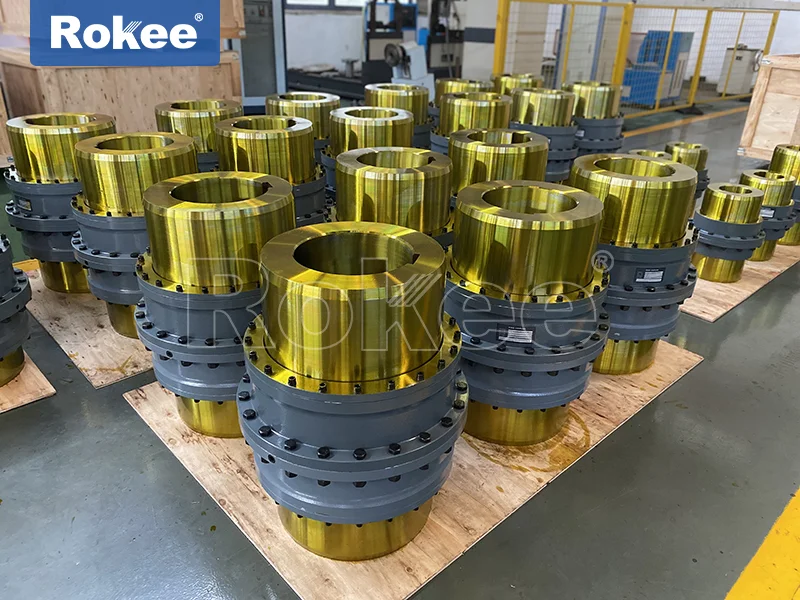
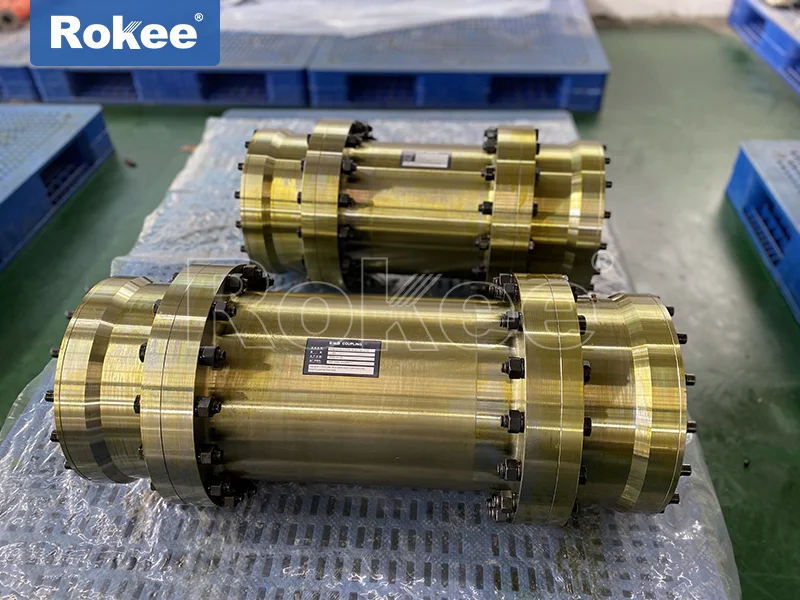
Non standard barrel gear coupling is a customized flexible transmission component designed to break the limitations of universal standardized coupling structures, tailored to meet the unique operating and installation demands of special industrial mechanical systems. Different from conventional standard gear couplings with fixed structural parameters and dimensional specifications, this customized coupling features flexible structural optimization, adaptive tooth profile design, and targeted performance adjustment, making it suitable for complex working conditions that cannot be matched by general coupling products. It inherits the core advantages of traditional barrel gear couplings, including high torque transmission efficiency, reliable misalignment compensation, and strong structural rigidity, while realizing personalized improvements in structural size, tooth shape radian, contact area, and load resistance. Widely adaptable to non-conventional shaft connection spaces, special vibration environments, and high-load intermittent operation scenarios, it has become a key transmission part for upgrading customized industrial equipment, effectively solving the problems of poor matching, insufficient load capacity, and short service life of standard couplings in special mechanical systems.
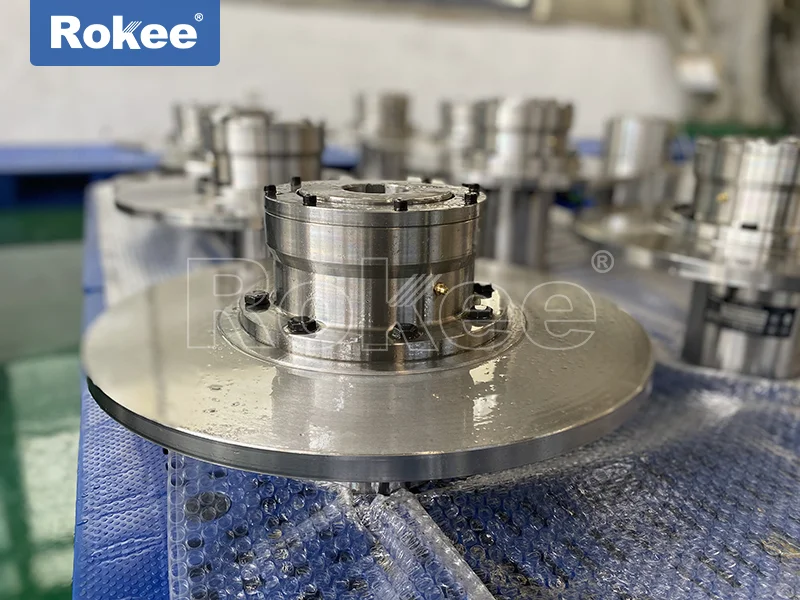
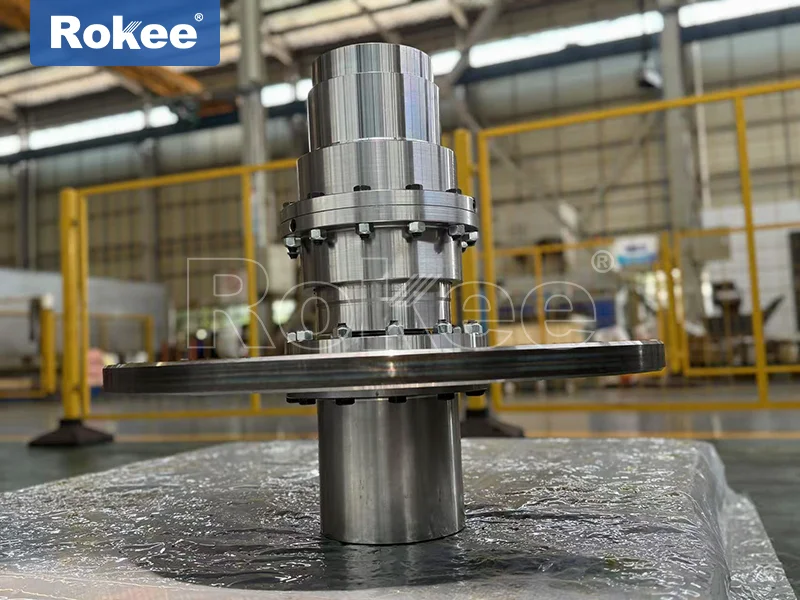
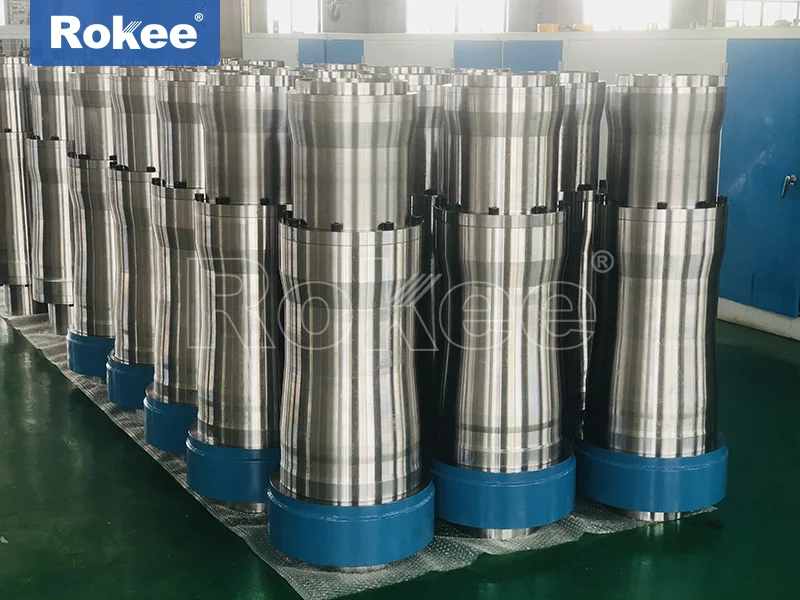
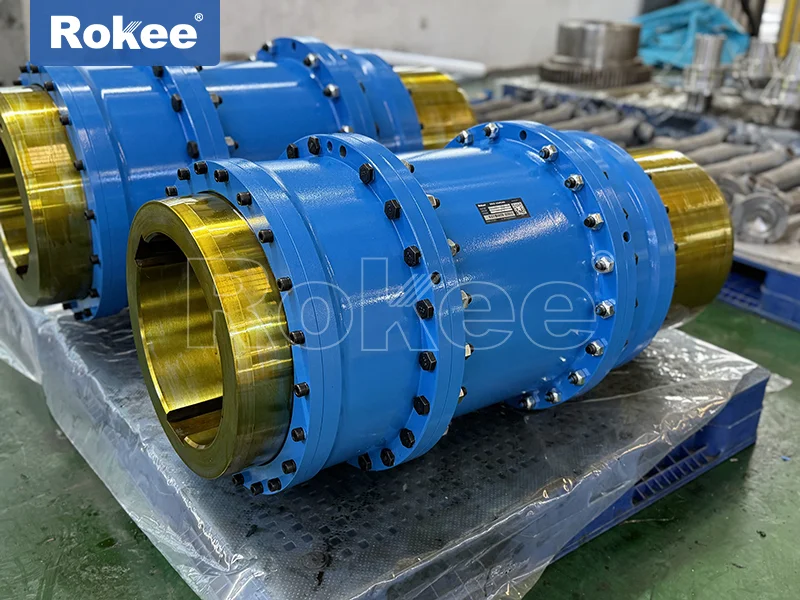
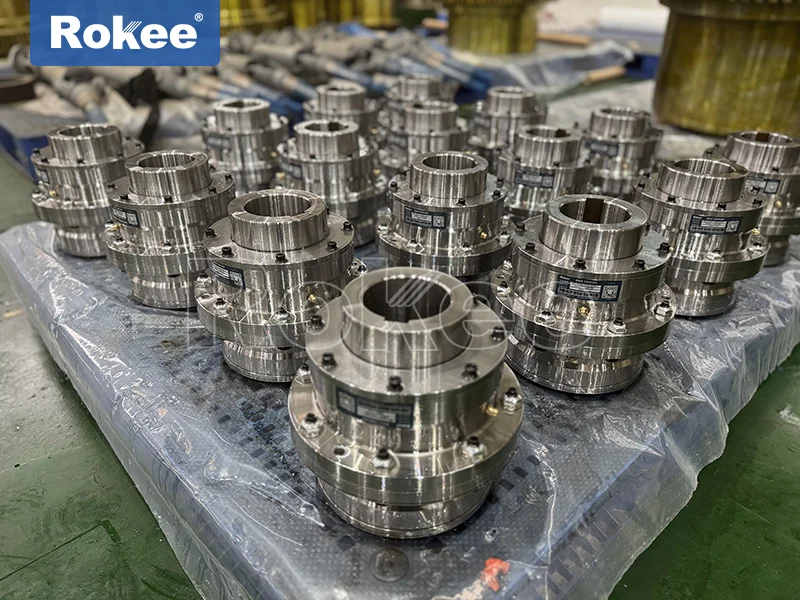
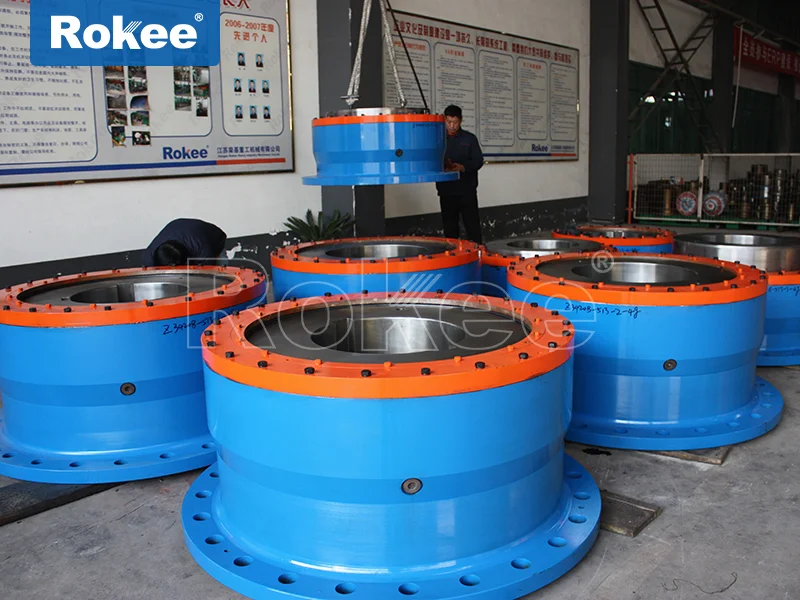
The structural composition of non standard barrel gear coupling retains the classic core framework of barrel gear transmission while adopting fully customized optimization in detailed structures to adapt to diverse non-standard mechanical assembly environments. Its basic structure mainly includes two external gear hubs with barreled tooth profiles, integral internal gear sleeves, and high-strength connecting fasteners, with no fixed dimensional ratio or structural constraint like standard products. The external gear teeth are processed into a convex barrel shape with customizable radian, which is the core structural difference from straight-tooth standard couplings, allowing multi-directional flexible contact during meshing. The internal gear sleeve adopts an integrated casting or forging structure, with tooth groove depth, tooth spacing, and inner hole size all adjustable according to actual equipment shaft parameters and installation space. Different from unified standard accessories, the fastening components and sealing structures are also customized in specification and structure, matching the overall optimized design of the coupling. This flexible structural design eliminates the one-size-fits-all defect of standard couplings, enabling the component to perfectly adapt to special shaft spacing, irregular installation angles, and limited assembly spaces in personalized mechanical equipment, laying a solid structural foundation for stable operation under complex working conditions.
The working principle of non standard barrel gear coupling is based on flexible gear meshing transmission and adaptive displacement compensation, with customized structural parameters optimizing the transmission stability and fault tolerance of the whole system. During equipment operation, the driving shaft drives the customized external gear hub to rotate, and the barreled gear teeth achieve continuous and uniform meshing contact with the internal gear sleeve. The optimized curved tooth profile expands the effective contact range of gear teeth compared with standard structures, avoiding local stress concentration caused by rigid meshing. When the mechanical system produces inevitable misalignment including angular deviation, radial offset and axial displacement due to assembly errors, long-term operation wear or equipment vibration, the customized barrel tooth structure can produce gentle sliding and swinging compensation between meshing teeth. This flexible compensation mode eliminates rigid friction and extrusion between shafting components, reduces transmission resistance and mechanical loss in the torque transfer process. Meanwhile, the customized tooth surface roughness and contact gap can effectively buffer instantaneous impact load during equipment start-up, shutdown and variable-speed operation, ensuring synchronous and stable rotation of the driving and driven shafts and realizing efficient and uninterrupted power transmission under non-standard working conditions.
Non standard barrel gear coupling exhibits unique and superior mechanical performance compared with traditional standard couplings, highlighting customized advantages in load resistance, stability and adaptability. In terms of torque transmission, the personalized optimized tooth profile and enlarged meshing contact area significantly improve torque bearing capacity, enabling it to withstand higher instantaneous overload and stable long-term heavy-load operation than standard products of the same volume. Its customized structural rigidity and toughness are balanced through targeted material processing and structural adjustment, avoiding the defects of insufficient rigidity leading to torsional deformation or excessive hardness causing easy tooth surface wear of standard couplings. In terms of misalignment adaptability, the independently optimized barrel tooth radian provides larger compensation range for multi-dimensional shaft deviation, adapting to irregular displacement changes in special mechanical operation that standard couplings cannot tolerate. In addition, targeted optimization of surface wear resistance and corrosion resistance can be carried out according to different working media, effectively reducing tooth surface abrasion, oxidation and aging failure. These customized performance improvements make the coupling maintain stable transmission accuracy and long-term operational reliability in high-load, high-vibration and special medium environments.
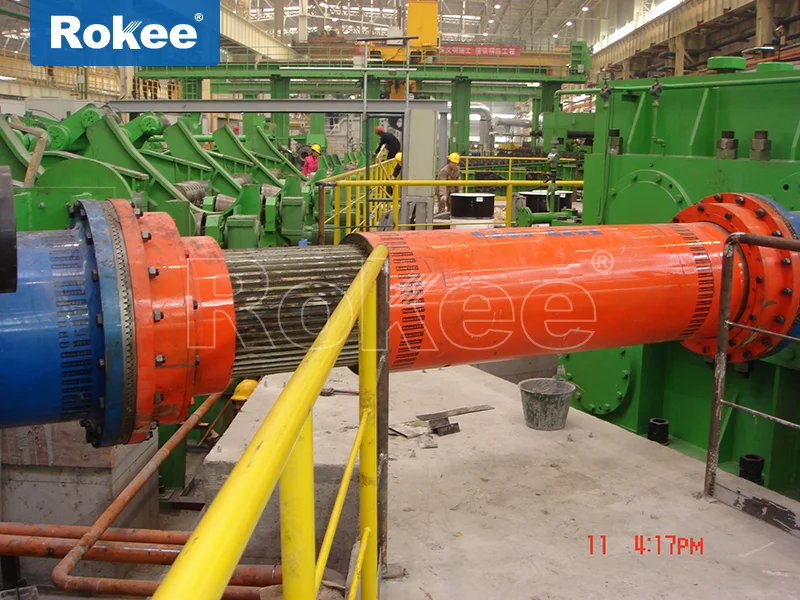
The application scenarios of non standard barrel gear coupling cover various specialized industrial fields with non-conventional mechanical transmission requirements, filling the application gap of standard coupling products. In heavy-duty customized mechanical equipment, it is widely used in special metallurgical rolling equipment, non-standard mining transmission devices and customized cement production machinery, where it adapts to irregular shaft assembly structures and continuous heavy-load operation requirements. In intelligent automated customized equipment, it matches special transmission shafts of automated production lines with non-standard spacing and special operating angles, ensuring precise and stable power transmission during high-frequency variable-speed operation. In environmental protection and energy industry equipment, it is applied to customized fan, water pump and power generation transmission systems, adapting to long-term vibration and variable load working conditions. Besides, it also serves special transportation machinery and engineering equipment with limited installation space, solving the problem that standard couplings cannot be installed or operate inefficiently due to fixed size limitations. Its highly customizable performance enables it to perfectly fit the personalized transmission needs of various non-standard mechanical systems, providing reliable component support for the stable operation of differentiated industrial equipment.
The processing and manufacturing technology of non standard barrel gear coupling focuses on personalized customization and precision optimization, differing greatly from the standardized batch production mode of ordinary couplings. The whole manufacturing process starts with working condition parameter analysis, where professional technicians sort out key indicators such as equipment shaft size, operating load, vibration frequency and installation space, and formulate targeted structural design schemes. In the machining stage, customized gear tooth curve programming and precision cutting are adopted to ensure the consistency of the optimized barrel tooth profile, avoiding the unified tooth shape error of standard molds. For different load requirements, targeted heat treatment processes are implemented to adjust the hardness and toughness of different parts of the coupling, realizing graded performance optimization of gear teeth and structural matrix. The sealing and lubrication structures are also designed independently according to working conditions, with customized lubricating oil storage grooves and dust-proof structures matching special operation environments. After processing, multi-dimensional performance tests including meshing accuracy, load resistance and misalignment compensation are carried out for each customized product to ensure that all indicators meet the actual equipment operation requirements, rather than relying on unified standard detection criteria.
Daily maintenance and fault prevention of non standard barrel gear coupling need to be combined with its customized structural characteristics and application working conditions, adopting targeted maintenance strategies different from standard couplings. Regular inspection should focus on the meshing state of customized barrel gear teeth, checking for abnormal wear, local peeling or uneven contact caused by long-term adaptive displacement compensation. For customized sealing structures, regular detection of sealing tightness is required to prevent dust, moisture or special working media from entering the meshing gap and causing tooth surface corrosion or lubrication failure. The lubrication cycle needs to be adjusted according to actual operating load and frequency, instead of following unified standard cycles; high-performance lubricants matching the customized tooth surface processing technology should be selected to reduce meshing friction loss. In addition, regular calibration of shaft misalignment is necessary to avoid excessive long-term deviation exceeding the customized compensation range, which may cause accelerated component wear. Timely replacement of worn parts and regular dynamic balance detection can effectively extend the service life of the customized coupling and maintain the long-term stability of the mechanical transmission system.
With the continuous upgrading of personalized and intelligent industrial equipment, non standard barrel gear coupling is showing broader application prospects and continuous technological optimization trends. Modern industrial mechanical systems are developing towards differentiation, specialization and high precision, and more non-standard customized transmission scenarios have emerged, putting forward higher requirements for the structural adaptability and comprehensive performance of couplings. The future optimization direction of non standard barrel gear coupling focuses on lightweight structural customization, higher-precision tooth profile optimization and intelligent adaptive performance improvement. Through finite element analysis and dynamic simulation technology, the structural design can be further refined to reduce unnecessary volume while ensuring load capacity, realizing lightweight and high-efficiency transmission. Meanwhile, combined with new material application and surface strengthening technology, the wear resistance and fatigue resistance of customized products will be further improved to adapt to more extreme special working conditions. In addition, the integration of intelligent monitoring structures will become an important development direction, realizing real-time monitoring of meshing state, wear degree and load changes, providing data support for equipment operation maintenance, and further promoting the upgrading of customized industrial transmission components.