Teeth Coupling For Electric Motor
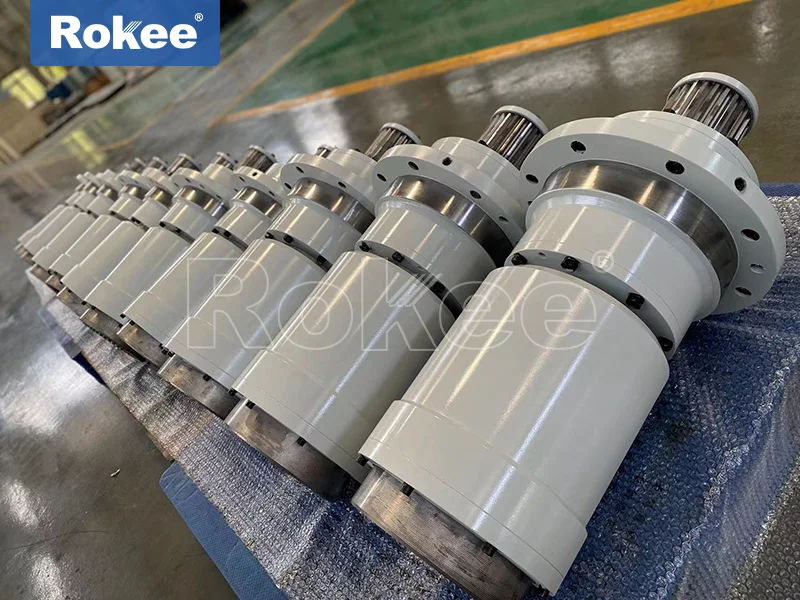
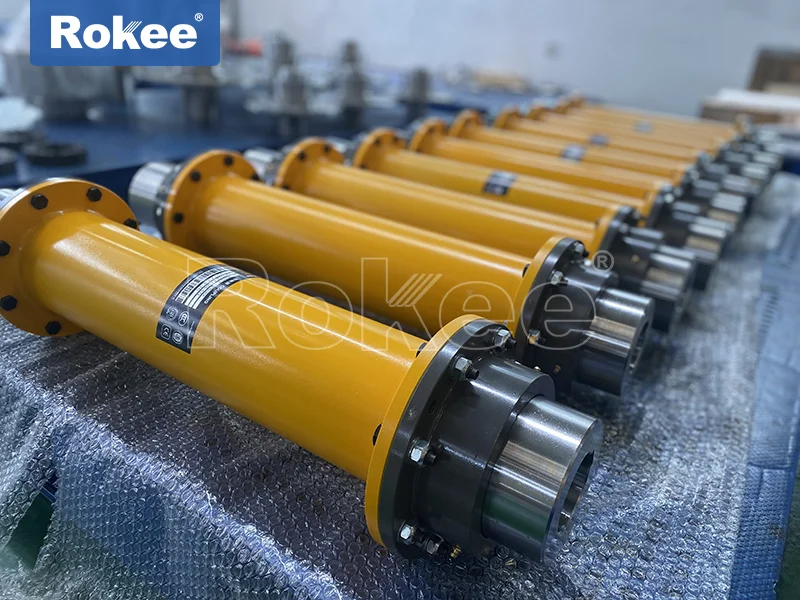
Teeth coupling stands as a pivotal mechanical transmission component tailored exclusively for electric motor systems, serving as a reliable bridge between motor drive shafts and driven mechanical equipment. This gear meshing-based coupling device differs significantly from flexible and rigid ordinary couplings, integrating high-efficiency power transmission and adaptive misalignment compensation to suit the complex operating characteristics of electric motors. Electric motors often generate slight shaft deviation, vibration and load fluctuation during startup, operation and variable speed adjustment, and teeth couplings can effectively adapt to these dynamic working conditions through precise internal and external tooth meshing structures. With outstanding torque bearing capacity, stable transmission performance and long service life, it is widely applied in various industrial motor matching scenarios, solving common problems such as power loss, component wear and transmission jitter in motor power output.
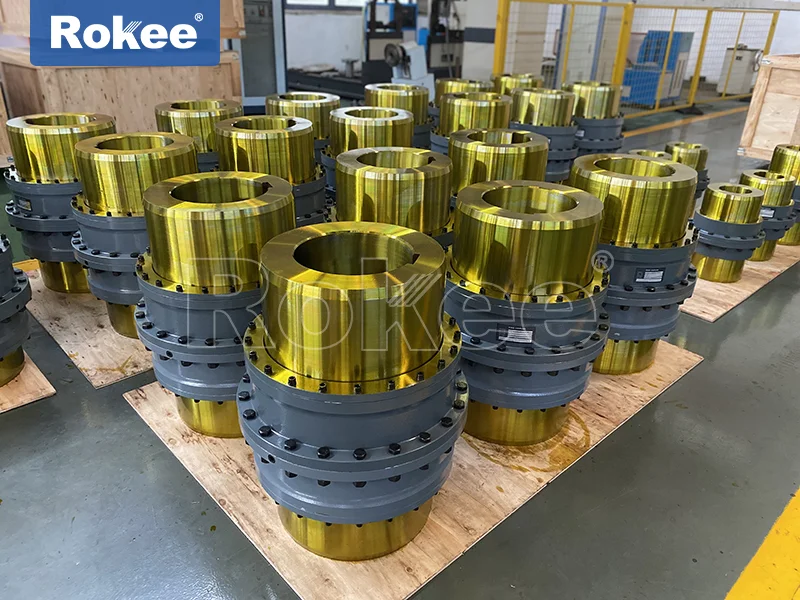
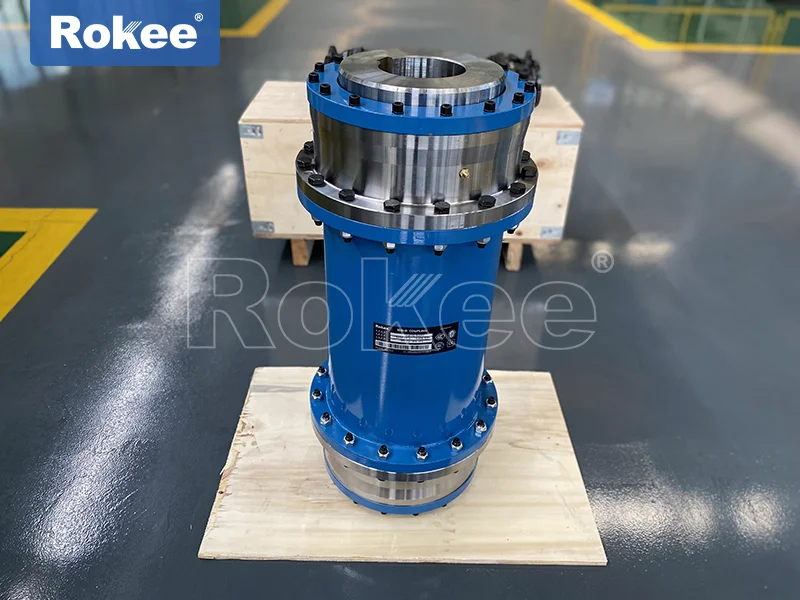
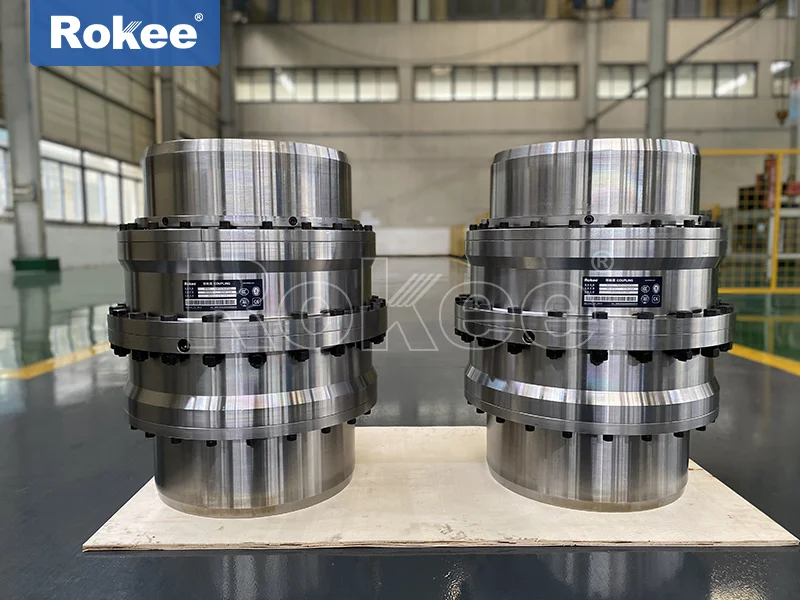
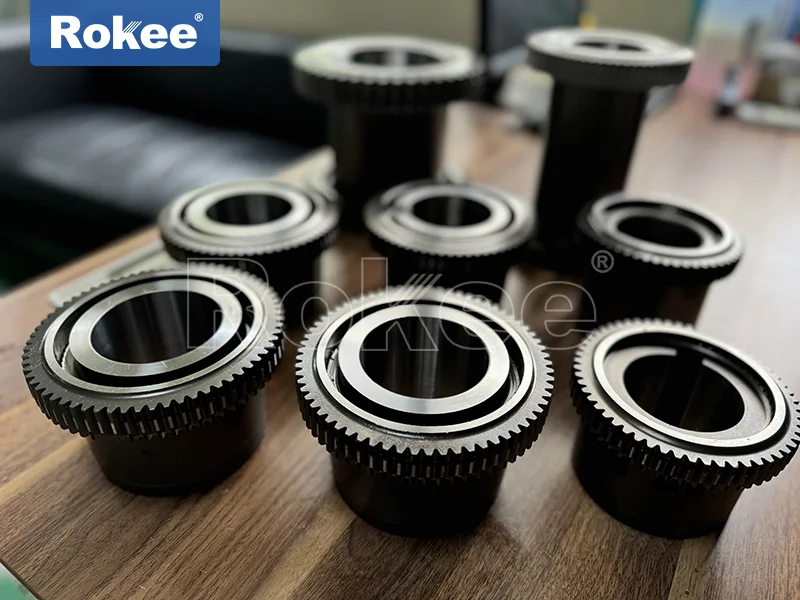
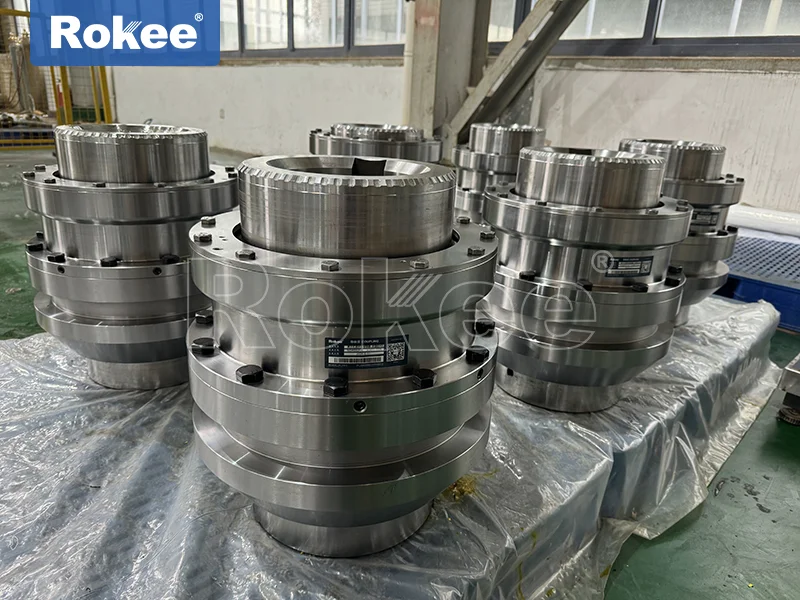
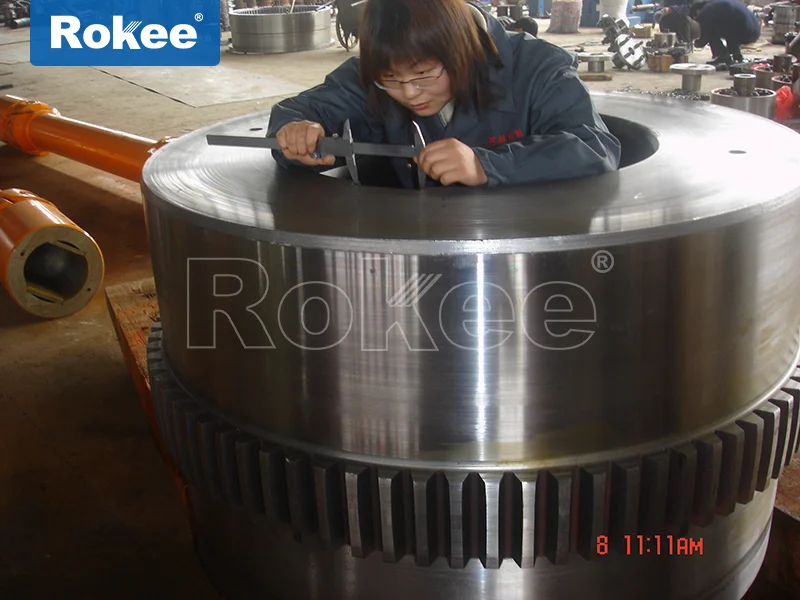
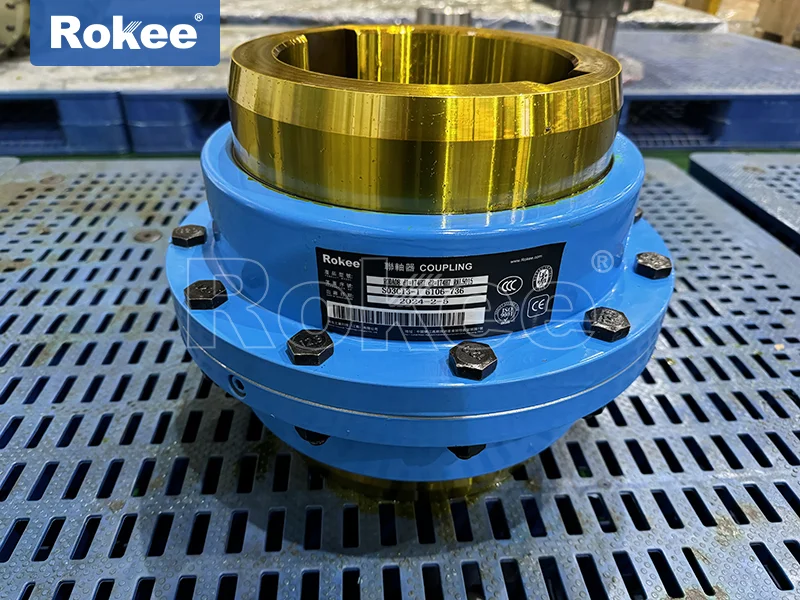
The structural design of teeth couplings for electric motors is highly refined and targeted, fully adapting to the power output characteristics and spatial layout requirements of motor equipment. The core structure consists of two outer gear hubs and one integral inner gear sleeve, forming a closed meshing transmission unit with compact overall layout and high structural rigidity. The two outer gear hubs are respectively fixed on the motor driving shaft and the load-driven shaft, with precisely polished external tooth profiles that ensure uniform stress during meshing. The inner gear sleeve adopts an integrated annular structure, and its internal tooth parameters are perfectly matched with the outer gears, forming a flexible meshing gap that allows tiny relative displacement while ensuring tight tooth engagement. Different from traditional couplings with single connection function, this composite structure realizes the integration of connection, transmission and compensation. Meanwhile, the overall structure is designed with a closed protective space, which can store lubricating media internally and isolate external dust, moisture and corrosive substances. This structural feature not only guarantees the stability of long-term meshing operation but also reduces the occupied installation space, making it compatible with most vertical and horizontal installation forms of electric motors in industrial production, and laying a solid structural foundation for efficient and durable motor power transmission.
The working principle of teeth couplings in electric motor operation is based on positive gear meshing transmission, achieving loss-reducing and slip-free power transmission, which is the core reason for its superior transmission performance. When the electric motor is started, the motor spindle drives the connected outer gear hub to perform synchronous rotational motion, and the torque and rotational power are stably transmitted to the inner gear sleeve through the meshing action of internal and external gear teeth. Subsequently, the inner gear sleeve drives the other outer gear hub and the connected driven equipment shaft to rotate synchronously, completing the whole process of motor power output and transmission. In this working mode, the gear teeth maintain continuous and tight contact, avoiding the slipping phenomenon common in friction-type couplings, thus ensuring high-precision synchronization of the motor driving end and the load driven end. More importantly, the reserved tiny gap between matched gear teeth can adapt to multiple forms of shaft misalignment generated during motor operation, including parallel offset, angular deflection and axial displacement. These deviations are mostly caused by motor installation errors, equipment operation vibration and thermal expansion and contraction after long-time operation, and the teeth coupling can automatically compensate for them through the flexible coordination of gear teeth, avoiding additional mechanical stress on the motor shaft and load equipment, and realizing stable and continuous power transmission under dynamic working conditions.
Teeth couplings possess unique performance advantages that make them highly compatible with electric motor systems, far exceeding many traditional coupling types in comprehensive applicability. First of all, they feature ultra-high torque transmission efficiency. The positive meshing transmission mode enables almost no power loss during motor power transmission, effectively converting the electric energy converted by the motor into mechanical power, which helps improve the overall operating efficiency of the equipment. Secondly, they have excellent misalignment compensation capability, which can buffer and eliminate the adverse effects of various shaft deviations of the motor, reduce the vibration and noise of the motor during operation, and optimize the operating environment of the motor system. In addition, the gear meshing structure has strong structural rigidity and impact resistance. When the motor starts with load or bears sudden variable load, the coupling can absorb instantaneous impact force through the elastic coordination of gear teeth, protecting the motor spindle and internal precision components from damage. Moreover, this type of coupling has strong environmental adaptability, can maintain stable working performance in variable temperature and dusty industrial environments, and will not suffer from performance attenuation or structural failure due to external environmental changes. Its durable structural design also greatly reduces the frequency of replacement and downtime of motor supporting parts, effectively improving the continuous operation capacity of industrial production lines.
Standardized and standardized installation operations are crucial to giving full play to the performance of teeth couplings for electric motors and extending their service life. Before installation, it is necessary to carefully check the integrity of all coupling components, confirm that there are no scratches, deformation or tooth surface damage on the inner and outer gear teeth, and clean the surface of the motor shaft and coupling hub to remove oil stains, rust and impurities, ensuring a flat and clean matching surface. During the formal installation process, the outer gear hubs need to be accurately sleeved on the motor driving shaft and the load shaft respectively, and the positioning fasteners should be evenly tightened to ensure firm fixation without deflection. After fixing the two hubs, align the axial and radial positions of the two shafts finely to minimize the initial misalignment error, then sleeve the inner gear sleeve on the outer gears to complete the meshing assembly. Special attention should be paid to the uniform gap of the peripheral gear teeth during assembly to avoid local excessive extrusion or gap failure. After installation, it is necessary to inject quantitative high-performance lubricant into the closed cavity of the coupling to ensure that all meshing tooth surfaces are fully covered by the lubricating medium. Finally, perform a no-load test run of the motor, observe whether the coupling operates smoothly without abnormal noise, jitter or friction, and adjust and correct the installation state in time if abnormal conditions occur to ensure that the coupling reaches the optimal working state.
Scientific daily maintenance and regular inspection are key measures to maintain the long-term stable operation of teeth couplings in electric motor systems. In daily operation, it is necessary to regularly observe the operating state of the coupling, focusing on checking whether there is abnormal vibration, friction noise or local overheating during motor operation, which are important intuitive manifestations of abnormal meshing or insufficient lubrication of gear teeth. It is essential to maintain the tightness of the coupling’s closed structure at all times to prevent external dust, moisture and corrosive impurities from entering the meshing area, as foreign matter intrusion will cause tooth surface wear, increased friction and even meshing jamming. Regular lubrication maintenance is indispensable. The lubricant inside the coupling will gradually age and consume with the increase of operating time, so it is necessary to replace the lubricant regularly according to the equipment operating frequency, clean the internal residual waste oil and wear debris before refueling, and inject new professional lubricant to ensure good lubrication of gear teeth. In addition, regular disassembly and inspection should be carried out periodically to check the wear degree of tooth surfaces, the tightness of fasteners and the deformation of structural components. For slightly worn tooth surfaces, polishing and repair can be carried out in time, while severely worn or deformed components need to be replaced immediately to avoid affecting the transmission accuracy and safety of the motor system.
Reasonable performance optimization of teeth couplings can further enhance the operating efficiency and service stability of matching electric motor systems, adapting to increasingly complex industrial operating conditions. In terms of structural optimization, the tooth profile precision and surface finish of internal and external gears can be improved through fine processing technology, reducing the friction coefficient during meshing, minimizing transmission resistance and mechanical loss, and further improving the power transmission efficiency of the motor. Optimizing the tooth gap design appropriately can balance the misalignment compensation ability and structural stability of the coupling, avoiding excessive vibration caused by excessive gap and meshing abrasion caused by too small gap. In terms of material optimization, selecting high-strength and wear-resistant alloy materials to manufacture gear components can effectively improve the coupling’s resistance to load impact and wear resistance, adapt to high-load and long-term continuous operation of high-power motors, and extend the overall service life. In terms of matching optimization, according to the power, speed and load characteristics of different types of electric motors, select couplings with corresponding structural specifications and optimize the installation matching precision, so that the coupling can achieve the best coordination state with the motor operating parameters. These targeted optimization measures can effectively solve the performance bottlenecks of traditional teeth couplings in high-frequency and high-load motor operation, and improve the overall reliability and economy of motor transmission systems.
Teeth couplings have irreplaceable practical application value in various electric motor supporting scenarios, becoming a core guarantee for stable operation of industrial motor transmission systems. In mechanical transmission fields such as conveyor equipment, mixing machinery and crushing equipment driven by electric motors, teeth couplings can adapt to frequent startup and variable load operation of motors, stably transmit power, and buffer the working vibration of equipment to ensure continuous and efficient production operation. In precision mechanical equipment with high requirements for transmission accuracy, the slip-free meshing transmission characteristic of teeth couplings ensures the synchronous operation accuracy of motor and load equipment, avoiding processing errors and equipment operation deviation caused by transmission delay. In heavy-duty industrial scenarios matched with high-power motors, their high torque bearing capacity and impact resistance can cope with extreme working conditions such as heavy load startup and instantaneous load fluctuation, protecting the core structure of motors. Compared with other types of couplings, teeth couplings balance transmission efficiency, stability, compensation performance and service life, with lower later maintenance cost and higher equipment matching adaptability. With the continuous upgrading of industrial motor equipment towards high efficiency and high precision, teeth couplings will play a more important role in motor supporting transmission systems and become an indispensable key component in modern industrial mechanical transmission.