Drum Gear Coupling For Steel Plant
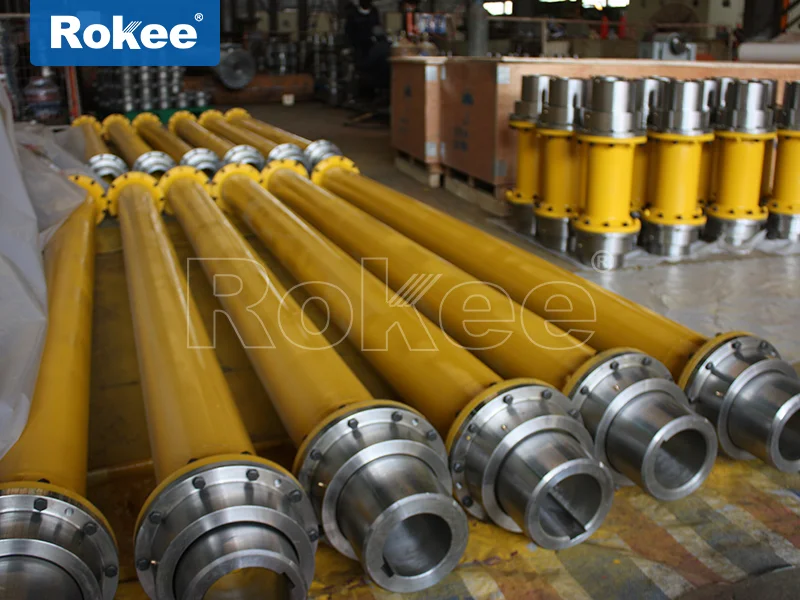
Drum gear couplings stand as indispensable core transmission components in modern steel plant production systems, tailored to meet the extreme and complex operating conditions of the steel manufacturing industry. Unlike ordinary industrial couplings, this specialized transmission part features a unique drum-shaped tooth structure that distinguishes it from conventional straight-tooth gear couplings, delivering superior torque transmission efficiency and flexible misalignment compensation performance. Steel plant operations involve a wide range of heavy-duty equipment, including rolling mills, conveyor systems, lifting machinery, and high-power driving devices, all of which require stable and durable shaft connection components to withstand continuous heavy loads, frequent startup impacts, and harsh on-site environments filled with dust, high temperature, and mechanical vibration. As a key flexible transmission unit, drum gear couplings effectively connect driving and driven shafts, buffer mechanical shocks, compensate for various shaft displacement deviations generated during equipment operation, and ensure the continuous and stable operation of steel production lines. Their excellent load resistance, structural stability, and long service life make them the preferred transmission solution for high-intensity industrial scenarios in steel plants, supporting efficient and safe production of steel processing procedures.
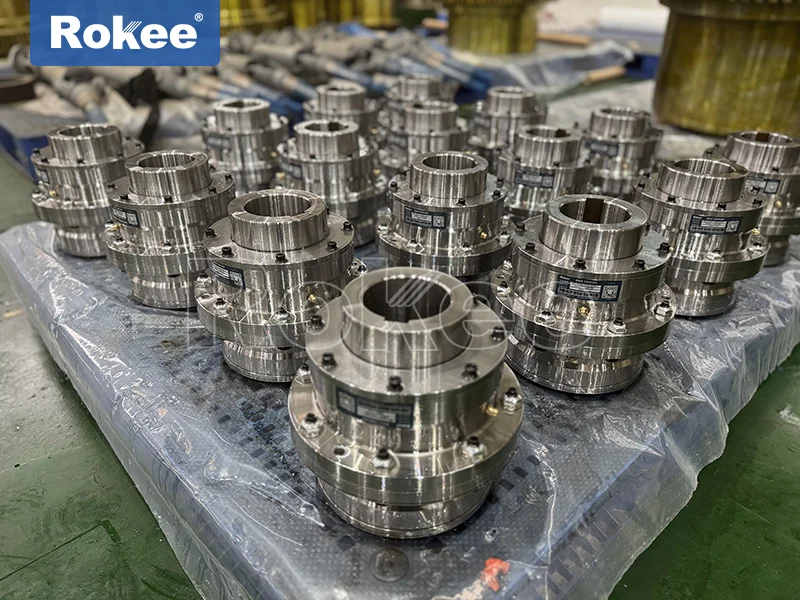
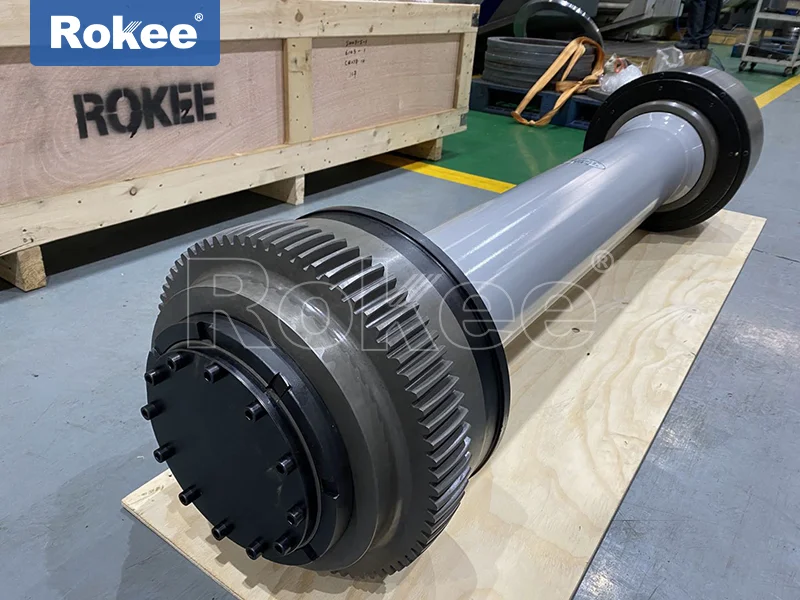
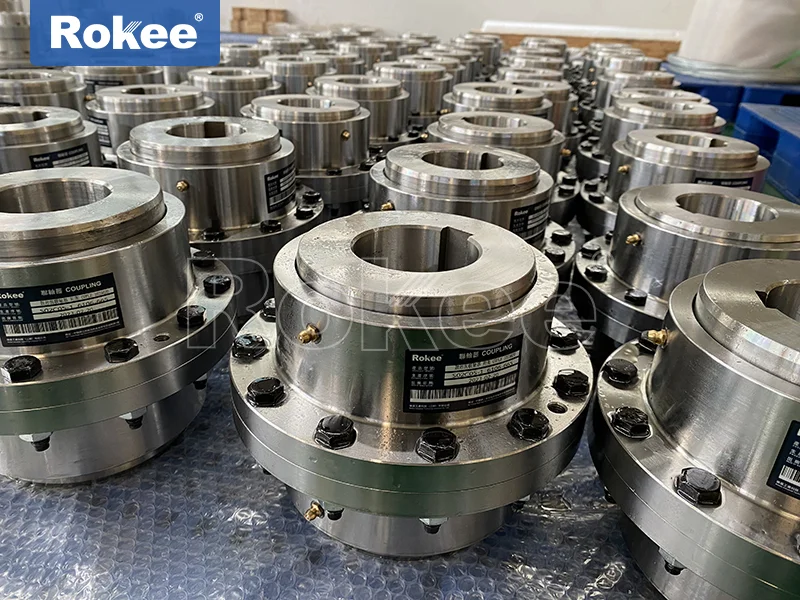
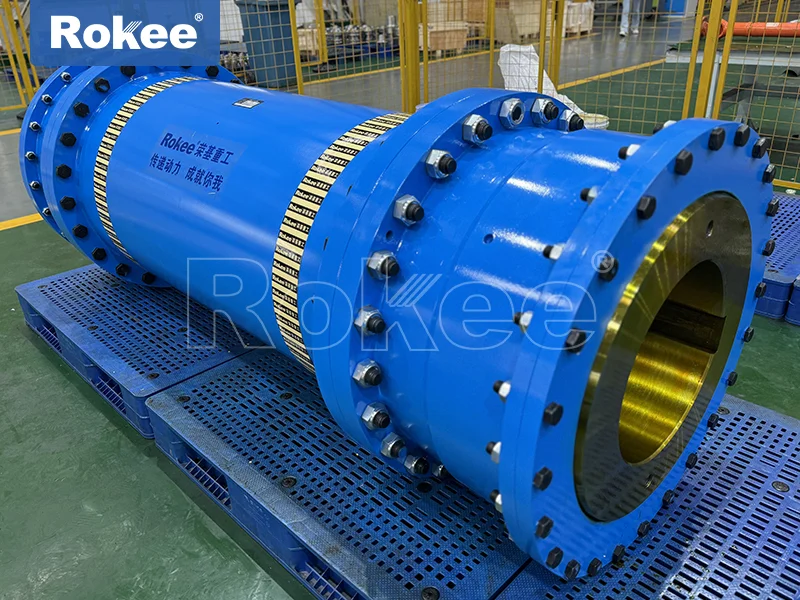
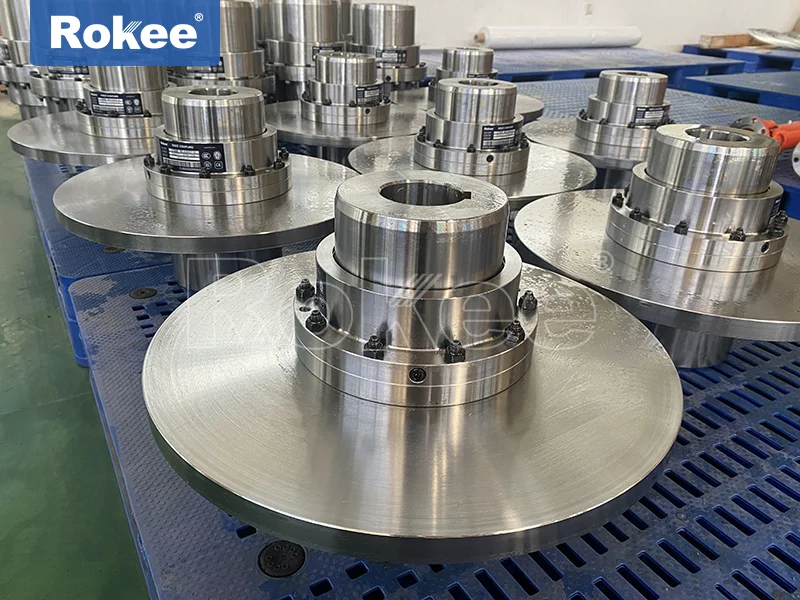
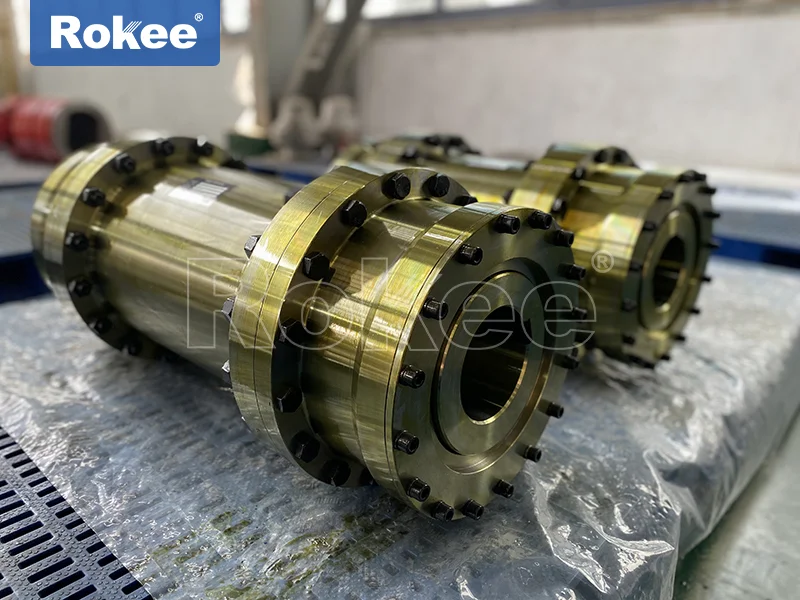
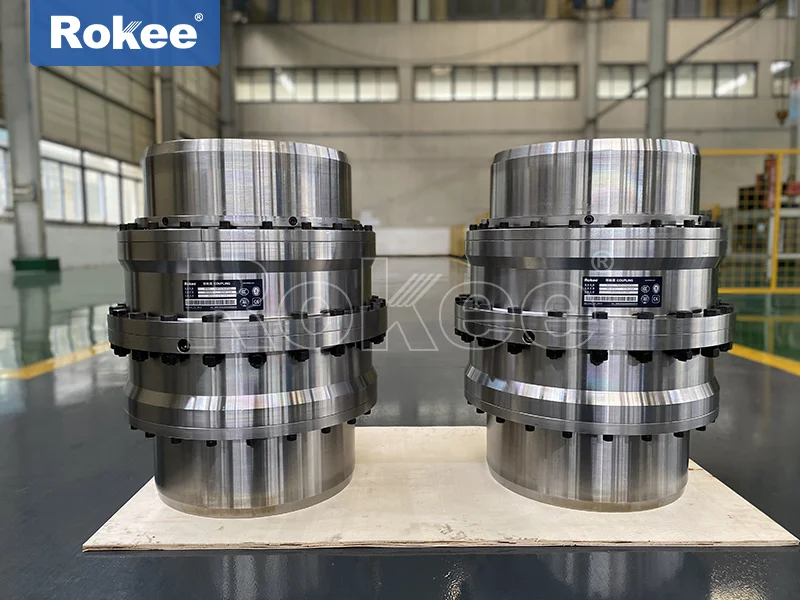
The unique structural design of drum gear couplings lays a solid foundation for their outstanding adaptability in steel plant working environments. The core structure consists of two toothed hubs and an outer cylindrical sleeve, with the external teeth of the hubs processed into a precise drum-shaped curved surface, which is the key difference from traditional straight-tooth gear couplings. This optimized tooth profile design enables the gear teeth to form a larger and more uniform contact area during meshing operation, completely avoiding the local stress concentration and edge tooth wear problems that commonly occur in straight-tooth structures under shaft misalignment conditions. In the high-frequency operation state of steel plant equipment, minor deviations such as angular deflection, radial displacement, and axial movement between connected shafts are inevitable due to installation errors, equipment aging, thermal expansion and contraction of metal components, and long-term vibration. The drum-shaped tooth structure can flexibly adapt to these multi-dimensional misalignments, allowing free sliding and fitting between internal and external gear teeth without generating additional mechanical stress. This structural advantage greatly reduces the operating friction of the transmission system, lowers the wear rate of core components, and enables the coupling to maintain stable transmission performance even in long-term continuous heavy-load operation, perfectly matching the uninterrupted production characteristics of steel plants.
High torque transmission capacity is one of the most prominent advantages of drum gear couplings applied in steel plant equipment operation. Steel production is a typical heavy-industry scenario where most core equipment needs to operate under ultra-high load conditions to complete steel rolling, raw material transportation, finished product handling, and high-power driving work. Ordinary coupling products often face problems such as insufficient torque bearing capacity, easy tooth skipping, and transmission failure when applied to steel plant heavy-duty equipment, which seriously affects production continuity. Benefiting from the optimized drum-shaped tooth meshing mode and high-strength integral structure, drum gear couplings can transmit more powerful torque under the same overall size compared with conventional gear couplings. The uniform stress distribution of the curved tooth surface eliminates local overload risks, enabling the coupling to bear long-term alternating loads and instantaneous impact loads generated during equipment startup, shutdown, and load switching. In high-power rolling mill transmission systems and heavy-duty conveyor equipment of steel plants, this high torque transmission performance ensures no power loss or transmission lag in the operation process, guarantees the synchronization accuracy of front and rear equipment operation, and effectively improves the overall operating efficiency of steel production lines.
Excellent environmental adaptability enables drum gear couplings to maintain stable working performance in the harsh working conditions unique to steel plants. The internal production environment of steel plants is extremely complex, featuring high temperature radiation generated by steel smelting and rolling processes, a large amount of metal dust and oxide debris, and continuous strong mechanical vibration and impact. These harsh conditions easily cause corrosion, wear, and structural fatigue damage to ordinary transmission components, shortening their service life and increasing equipment failure rates. Drum gear couplings adopt high-strength alloy materials with special surface treatment processes, which have excellent high-temperature resistance, wear resistance, and anti-oxidation properties. The fully sealed structural design can effectively isolate external dust, debris, and humid air, preventing internal gear tooth lubricants from being polluted and volatilized, and avoiding component corrosion and abrasive wear caused by environmental impurities. In addition, the integral rigid structure can resist structural deformation and performance attenuation caused by long-term strong vibration, ensuring that the coupling can operate stably for a long time in high-temperature, dusty, and high-vibration steel plant scenarios, reducing equipment downtime caused by environmental factor damage.
Drum gear couplings play a vital role in reducing equipment operation failure rates and improving production stability in steel plant systems. Steel production lines feature continuous and automated operation characteristics, and any minor failure of transmission components may cause the shutdown of the entire production line, resulting in huge economic losses. Conventional couplings are prone to accelerated wear, tooth breakage, and shaft connection loosening under long-term heavy-load and misalignment operation, leading to abnormal vibration, noise, and power interruption of equipment. The flexible compensation performance of drum gear couplings can effectively resolve the adverse effects of shaft misalignment and mechanical vibration on the transmission system, buffer the instantaneous impact force generated during equipment startup and load changes, and reduce the fatigue loss of transmission shafts and matching components. The uniform stress bearing structure greatly reduces the probability of core component damage, realizing long-term trouble-free operation of the transmission system. In actual steel plant production, the application of this coupling greatly reduces the frequency of sudden equipment failures, avoids frequent production line shutdowns and maintenance delays, and provides a reliable guarantee for the stable and continuous operation of automated steel production processes.
The convenient maintenance characteristics of drum gear couplings help steel plants reduce equipment operation and maintenance costs and improve production efficiency. In industrial production management of steel plants, equipment maintenance cost and maintenance efficiency are important factors affecting overall production benefits. Many traditional heavy-duty couplings have complex disassembly and assembly structures, requiring professional tools and lengthy construction time for daily inspection, lubrication replacement, and component maintenance, which will occupy effective production time and reduce production efficiency. The structural design of drum gear couplings fully considers the convenience of daily maintenance, with a split outer sleeve structure and simple assembly and positioning mode. Staff can quickly complete equipment disassembly, internal gear tooth inspection, lubricant replacement, and wear detection without disassembling the overall transmission equipment. The long service life of high-strength materials also reduces the frequency of component replacement. This efficient and low-maintenance performance greatly shortens equipment maintenance downtime, reduces labor and material costs for equipment maintenance, and enables steel plants to allocate more resources to core production links, optimizing the overall production and operation benefits of the factory.
Drum gear couplings show wide application universality in different types of steel plant production equipment, covering multiple core links of steel processing and production. In the rolling mill production link responsible for steel forming processing, they are used as key connecting components of main drive shafts, adapting to high-speed and high-torque rolling operation conditions to ensure the precision and stability of steel rolling processing. In the raw material and finished product conveyor system of steel plants, the couplings stably connect the drive motors and conveyor rollers, resisting the impact load generated by material transportation and ensuring the continuous operation of long-distance conveyor lines. In heavy lifting and handling equipment used for steel ingot and finished steel product transportation, their flexible compensation and shock absorption performance reduce the mechanical loss of lifting transmission systems and improve the safety of equipment operation. In addition, they are also applicable to supporting equipment such as high-power fans, water pumps, and auxiliary transmission devices in steel plants, realizing stable power transmission of all kinds of heavy-duty industrial equipment. This wide application range makes drum gear couplings a universal core transmission component for steel plant industrial systems.
With the continuous upgrading of steel plant intelligent and high-efficiency production systems, the application value and development potential of drum gear couplings are further highlighted. Modern steel production is developing towards large-scale, high-precision, and low-consumption operation, putting forward higher requirements for the stability, precision, durability, and energy-saving performance of equipment transmission components. Traditional coupling products can no longer meet the high-precision transmission and long-cycle stable operation needs of new intelligent steel production lines. Drum gear couplings, with their optimized curved tooth structure, efficient torque transmission capability, ultra-strong environmental adaptability, and low failure rate, can perfectly adapt to the upgrading and iteration of steel plant production equipment. Their stable transmission performance helps improve the processing precision of steel products, while low maintenance and high energy efficiency characteristics reduce the overall energy consumption and operation cost of production lines. In the future, with the continuous innovation of material technology and structural optimization design, drum gear couplings will further improve their comprehensive performance, continue to provide reliable transmission support for high-efficiency, safe, and green production of the steel industry, and become an indispensable basic component for the high-quality development of modern steel plants.