Drum Gear Coupling For Conveyor
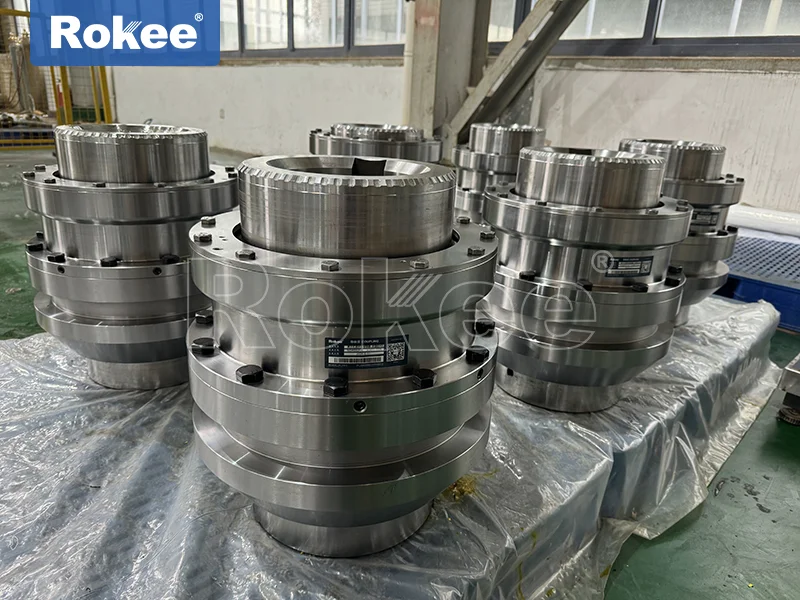
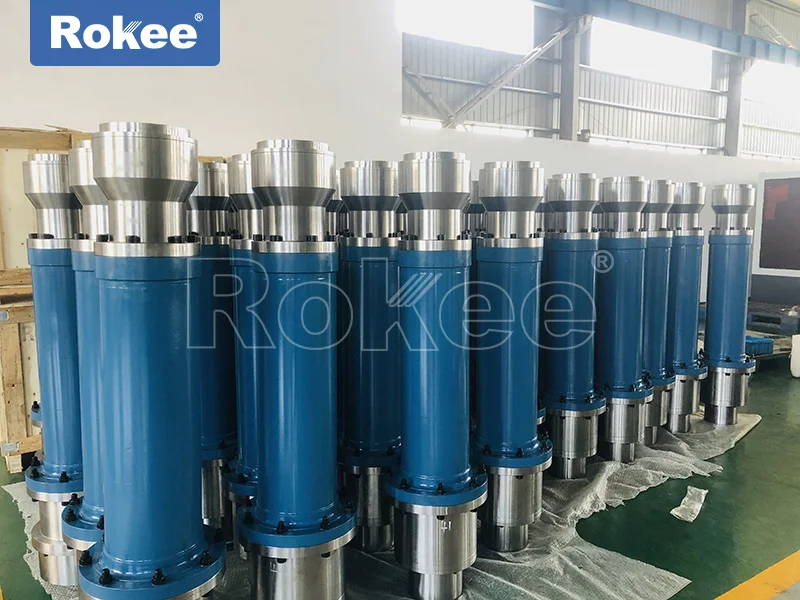
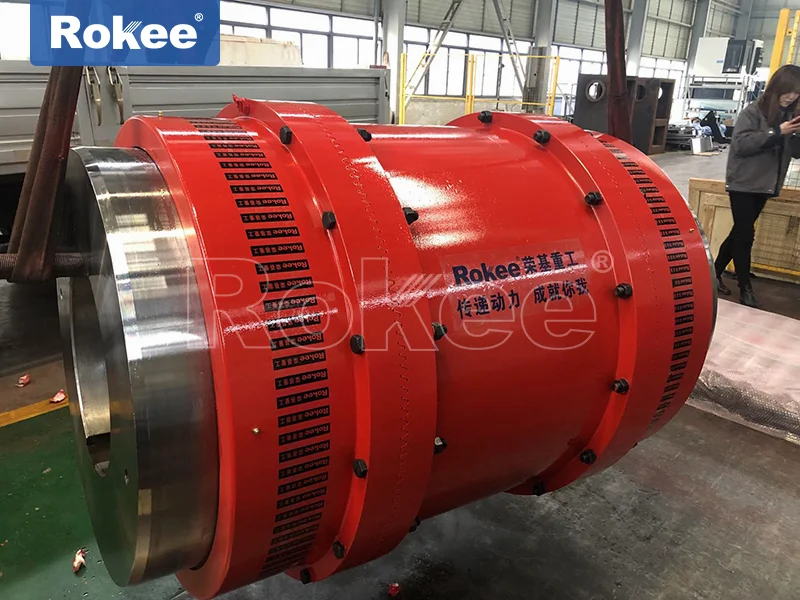
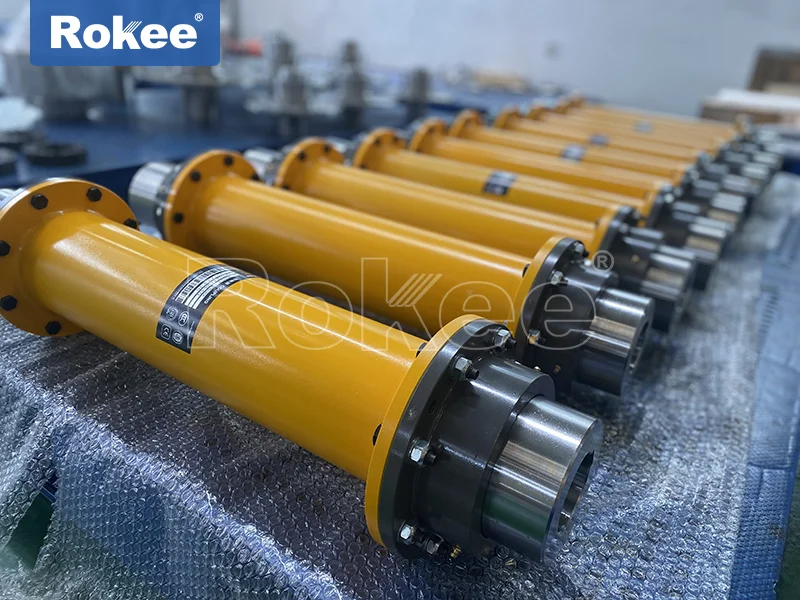
Drum gear couplings serve as indispensable core transmission components for modern conveyor systems, delivering reliable power transmission and adaptive operational performance for various bulk material conveying equipment. As a type of rigid-flexible coupling, it uniquely integrates high structural rigidity and moderate mechanical flexibility, perfectly matching the long-term, continuous, and high-load working characteristics of conveyors. Unlike traditional straight gear couplings, its innovative drum-shaped tooth profile design effectively addresses common operational problems of conveyor equipment, including shaft misalignment, transient load impacts, and operational vibration. In complex conveying scenarios involving mineral materials, industrial raw materials, and agricultural bulk goods, this coupling can stably transmit torque while compensating for axial, radial, and angular deviations generated during equipment operation. It plays a vital role in protecting conveyor motors, reducers, and transmission shafts, reducing equipment failure rates, stabilizing overall system operation, and extending the service life of the entire conveying equipment set, making it the preferred transmission accessory for mainstream conveyor equipment.
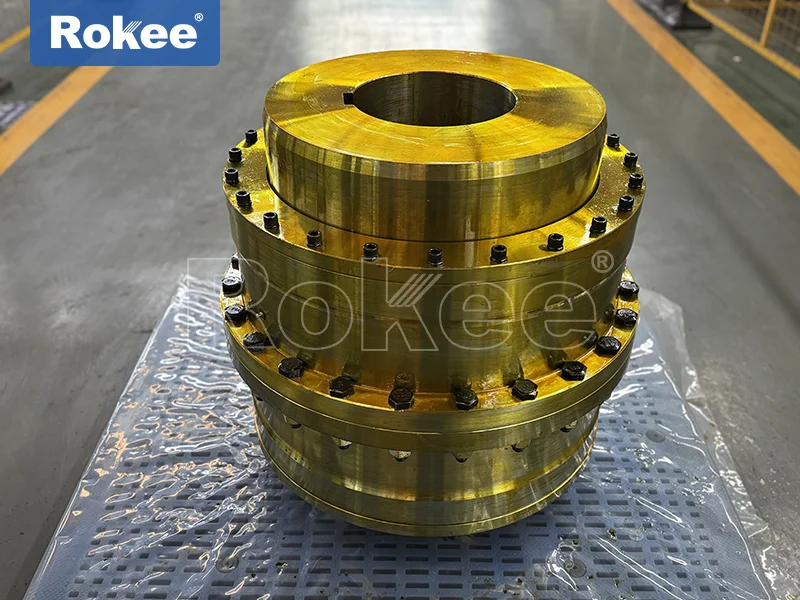
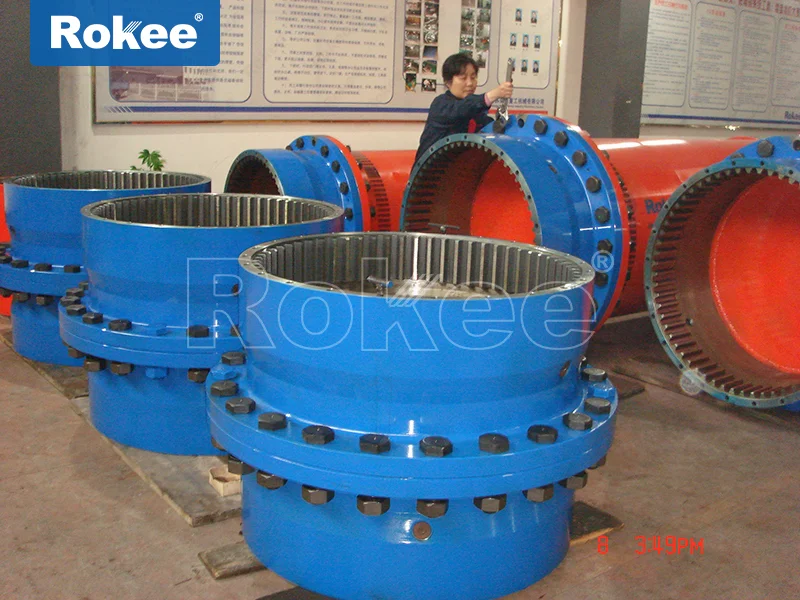
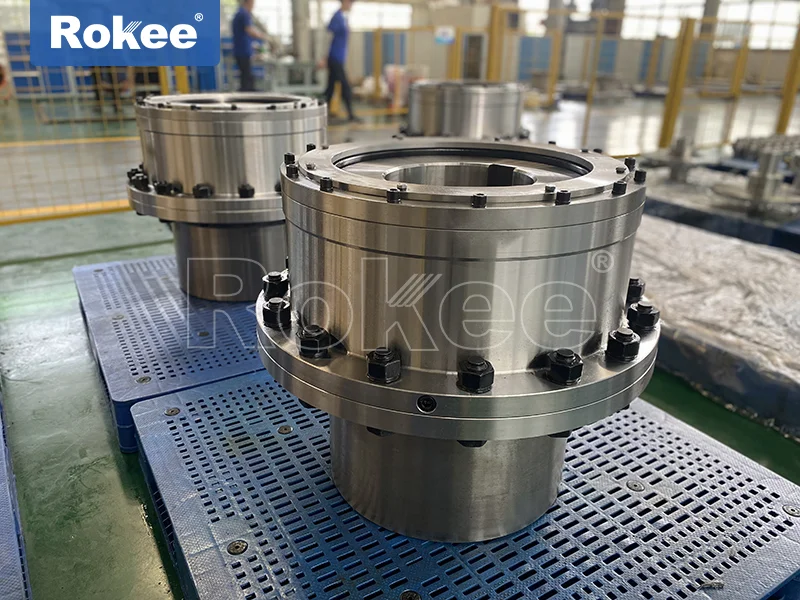
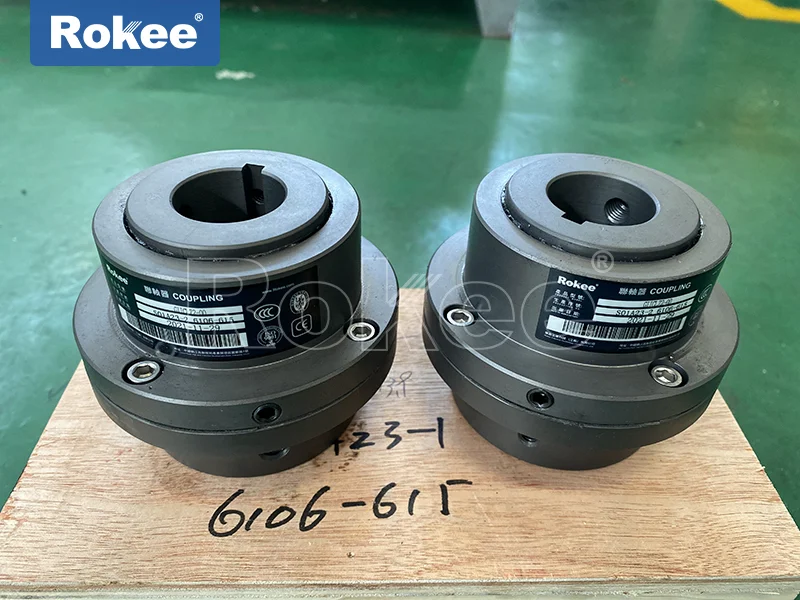
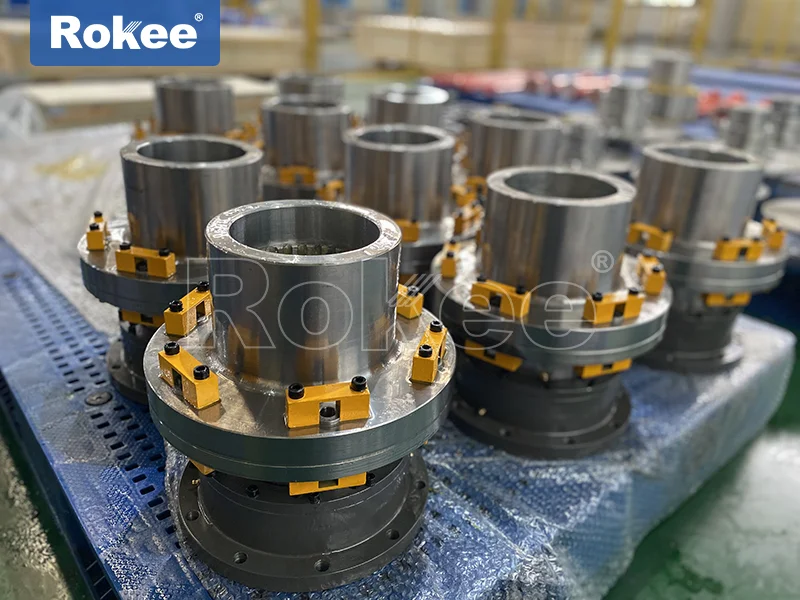
The structural design of drum gear couplings is professionally optimized to adapt to the operating logic of conveyor systems, consisting of two toothed hubs and an outer sleeve with inner gear rings, forming a compact and integrated transmission structure. The external teeth of the hubs adopt a precise drum-shaped curved design, which is the core difference from conventional straight gear couplings and the key to its superior adaptive performance. This curved tooth structure enables gradual and uniform load transfer during the meshing process, avoiding local stress concentration that often occurs in traditional gear transmission structures. For conveyor equipment that operates continuously for long hours, slight shaft displacement and position deviation are inevitable due to equipment vibration, foundation settlement, and component wear. The drum-shaped tooth profile can flexibly adapt to these subtle deviations, providing reliable multi-directional displacement compensation without generating additional mechanical friction or transmission resistance. The overall structure features small rotational inertia and high structural compactness, which saves installation space for conveyor transmission parts and effectively avoids structural interference with other auxiliary components of the conveyor. Meanwhile, the symmetrical structural layout ensures balanced force bearing during torque transmission, laying a solid structural foundation for the stable and long-term operation of high-power conveyor systems.
Load-bearing and anti-overload performance is one of the most prominent advantages of drum gear couplings in conveyor applications, fully adapting to the variable load characteristics of bulk material conveying work. Conveyors often face fluctuating working loads in actual operation, such as sudden material accumulation, uneven feeding, and instantaneous start-stop impacts, which pose severe challenges to the transmission capacity of coupling components. Benefiting from the enlarged and uniform tooth surface contact area of the drum-shaped structure, the coupling can disperse instantaneous impact loads and continuous heavy loads evenly on each meshing tooth, effectively reducing unit contact pressure and avoiding tooth surface wear, tooth breakage, or component fatigue damage caused by concentrated stress. Compared with ordinary gear couplings of the same specification, it boasts significantly improved load-bearing efficiency and transient impact resistance, which can effectively cope with frequent load changes of conveyor equipment. In long-distance and large-capacity conveyor systems, this excellent load-bearing stability ensures consistent torque transmission efficiency, prevents power loss caused by load fluctuation, and avoids abnormal shutdowns of conveying equipment due to overload failures, greatly improving the continuous working capacity of industrial conveying production lines.
Vibration reduction and noise suppression capabilities make drum gear couplings highly adaptable to the stable operation requirements of conveyor systems. Continuous operation of conveyor equipment will inevitably produce mechanical vibration due to material friction, component operation, and power transmission, and long-term high-frequency vibration will accelerate the wear of transmission components, loosen connecting parts, and even affect the assembly accuracy of the entire equipment. The smooth meshing state of drum-shaped teeth can effectively buffer and absorb torsional vibration and mechanical shock generated during conveyor operation. The curved tooth surface achieves seamless and gradual meshing engagement and disengagement, eliminating the rigid collision and friction of straight gear meshing, thereby significantly reducing operational vibration amplitude and working noise. This excellent vibration damping performance not only optimizes the operating environment of conveyor equipment but also reduces the fatigue loss of mechanical components caused by long-term vibration. Additionally, stable transmission without severe vibration ensures the stable operation of bulk materials on the conveyor belt, avoiding material scattering and unbalanced conveying caused by equipment jitter, which improves the overall conveying efficiency and operational stability of the system.
The efficient transmission performance of drum gear couplings provides stable power guarantee for high-efficiency operation of conveyor systems. In industrial conveying production, the power transmission efficiency of coupling components directly determines the energy utilization rate and working efficiency of the entire conveyor equipment. The precise machining of drum-shaped tooth profiles ensures high-precision meshing between gears, minimizing gap friction and power loss during torque transmission. This coupling maintains an extremely high transmission efficiency level in long-term continuous operation, with stable power output and no obvious energy attenuation even under long-distance and heavy-load conveying conditions. For large-scale conveyor systems that run uninterruptedly for a long time, efficient power transmission can effectively reduce energy consumption and operating costs while ensuring stable conveying speed and uniform material transportation. Moreover, its stable transmission performance avoids abnormal speed fluctuations of the conveyor belt caused by unstable power transmission, ensures consistent conveying rhythm, reduces material accumulation and equipment idle operation, and further optimizes the overall operating efficiency and economic benefits of the conveying system in industrial production applications.
Installation convenience and structural adaptability enable drum gear couplings to be widely applied in various types of conveyor equipment. The overall modular structure design simplifies the installation and debugging process of the coupling, with a standardized assembly structure that is compatible with most conveyor motor and reducer connection specifications. During equipment assembly and daily replacement, workers can complete positioning, installation and fixing through conventional assembly processes without complex professional operations or special auxiliary tools. For conveyor equipment with different installation spaces and structural layouts, the compact structural form of the coupling can adapt to narrow installation environments and complex transmission layout requirements, and it can be flexibly matched according to the transmission power and shaft diameter parameters of different conveyors. In addition, the reasonable structural gap design reserves a certain deformation buffer space for equipment operation, which can adapt to minor assembly errors and later equipment position changes. This strong installation adaptability greatly reduces the assembly difficulty and debugging cycle of conveyor equipment, improves the production and maintenance efficiency of conveying equipment, and meets the diverse layout and assembly needs of different industrial conveying scenarios.
Durability and stable long-term operation performance make drum gear couplings a reliable long-term matching component for conveyor systems. Conveyor equipment usually operates in harsh industrial environments, accompanied by dust, humidity, and continuous mechanical wear, which puts forward high requirements on the durability of transmission components. Drum gear couplings adopt high-strength wear-resistant materials and precision heat treatment processes, which endow the gear tooth surface with excellent wear resistance, fatigue resistance and deformation resistance. The uniform stress distribution structure avoids local excessive wear and early failure of components, greatly extending the service life of the coupling in continuous operation scenarios. In long-term uninterrupted conveying work, it can maintain stable meshing accuracy and transmission performance without frequent failure and replacement. Its excellent environmental adaptability can resist the erosion of dust and moist air in industrial sites, reduce component corrosion and aging, and maintain stable mechanical performance for a long time. The long service life and low failure rate effectively reduce the downtime loss and component replacement cost of conveyor equipment, ensuring the long-term stable and reliable operation of industrial conveying production lines.
Simple daily maintenance characteristics further enhance the practical value of drum gear couplings in conveyor system operation and management. Industrial conveyor production lines focus on continuous operation and low-cost maintenance, and complex maintenance procedures will increase equipment operating costs and affect production progress. The structural design of drum gear couplings fully considers daily maintenance needs, with a simple internal structure and few vulnerable parts, eliminating complex maintenance links. The core maintenance work is mainly regular lubrication of the meshing gear parts, which can reduce gear meshing friction and prevent tooth surface wear and aging. The open and detachable structural design facilitates staff to carry out regular inspection, lubrication replacement and fault detection without disassembling a large number of equipment components, greatly shortening maintenance time and reducing equipment shutdown duration. Regular simple maintenance can keep the coupling in optimal transmission state for a long time, maintain the efficient and stable operation of the conveyor system, reduce the failure probability of transmission components, and provide convenient and economical operation guarantee for the long-term work of industrial conveyor equipment.