PU Sandwich Panel Machine With Gear Coupling For Durable Heavy-duty Operation
In the modern industrial landscape, the demand for efficient, reliable, and long-lasting equipment has never been higher, especially in sectors that rely on the production of composite materials for construction, cold storage, and industrial applications. Among these essential pieces of equipment, the PU sandwich panel machine stands out as a cornerstone, capable of producing high-quality polyurethane (PU) sandwich panels that offer exceptional insulation, structural strength, and versatility. What elevates the performance of these machines, particularly in heavy-duty operational environments, is the integration of gear couplings—a critical component that ensures seamless power transmission, durability, and adaptability even under the most demanding conditions.
PU sandwich panels have become indispensable in a wide range of industries due to their unique combination of properties. Composed of two outer facer sheets—typically made of metal, fiberglass, or other durable materials—sandwiched around a core of polyurethane foam, these panels offer superior thermal insulation, soundproofing, and structural rigidity while remaining lightweight. This makes them ideal for use in industrial warehouses, cold storage facilities, commercial buildings, modular construction, and even specialized applications such as offshore structures and transportation vehicles. The production of these panels requires a machine that can handle multiple processes in a coordinated, continuous manner, from uncoiling and forming the facer sheets to mixing and injecting the PU foam, and finally cutting the finished panels to the required dimensions. In heavy-duty settings, where production runs are long, material volumes are large, and operational demands are high, the machine must maintain consistent performance without frequent breakdowns or interruptions. This is where the gear coupling plays a pivotal role, serving as the link that ensures efficient power transfer between the machine’s motor and its various components.
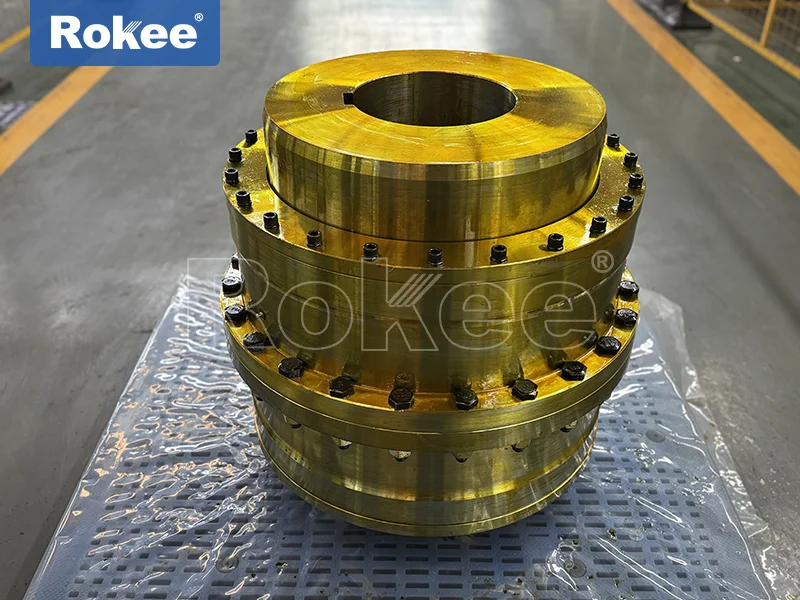
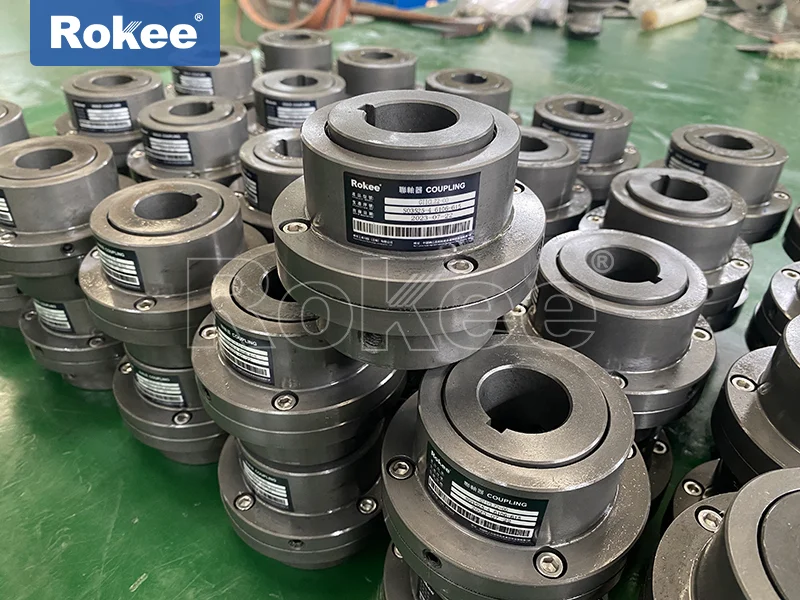
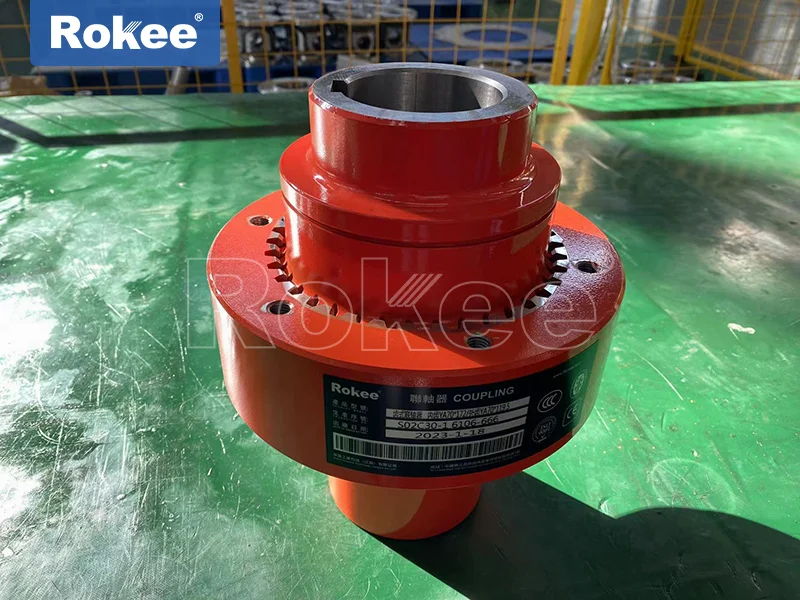
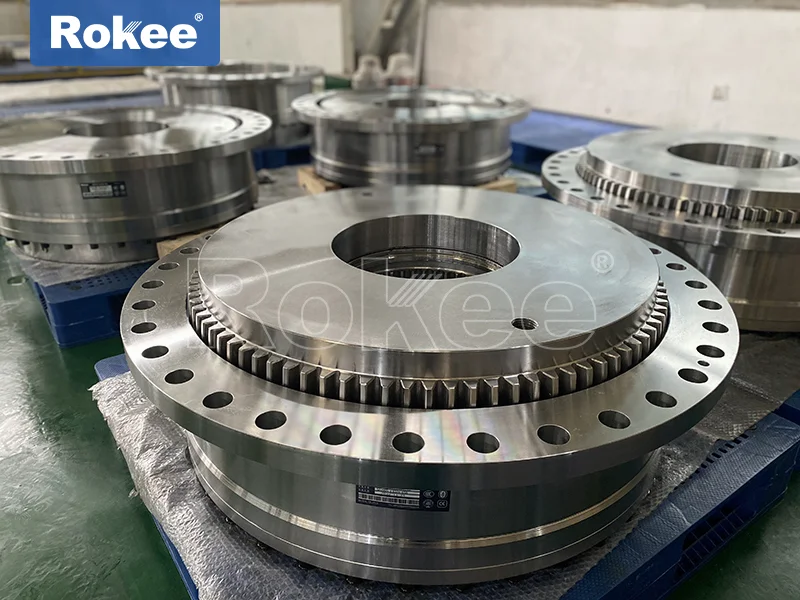
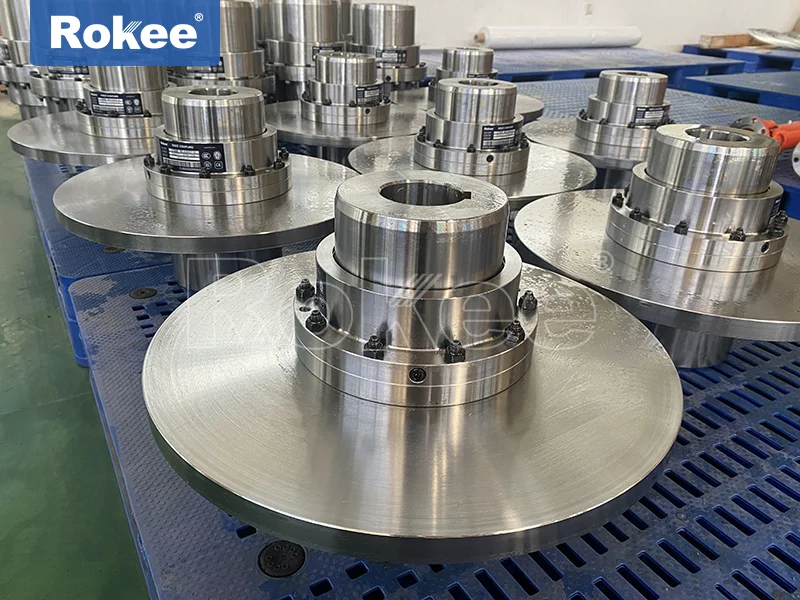
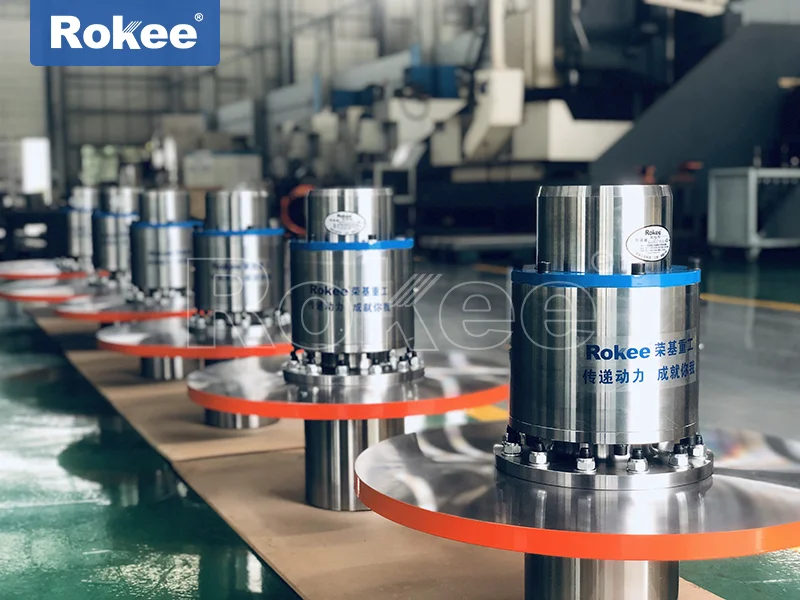
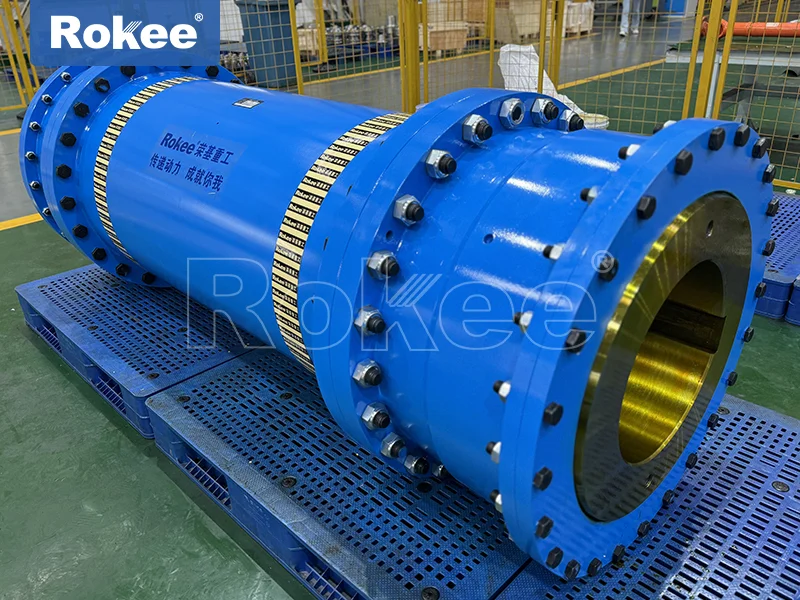
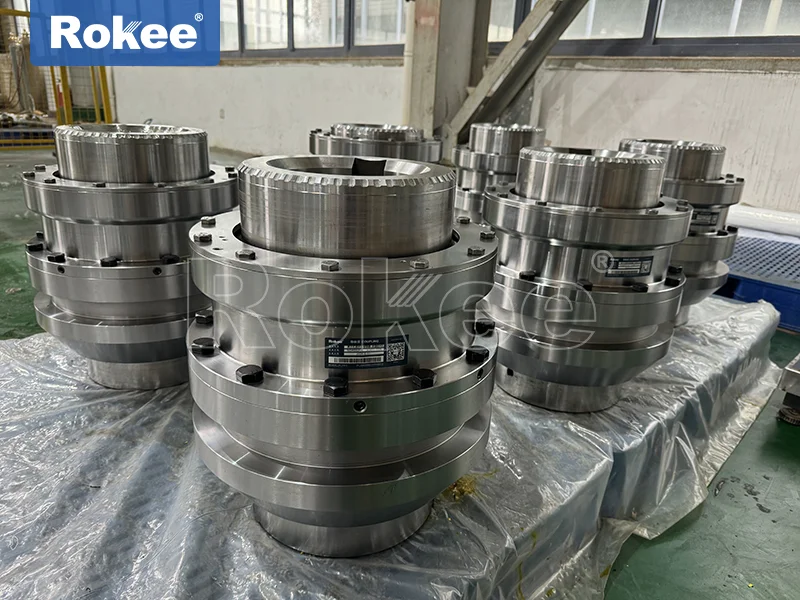
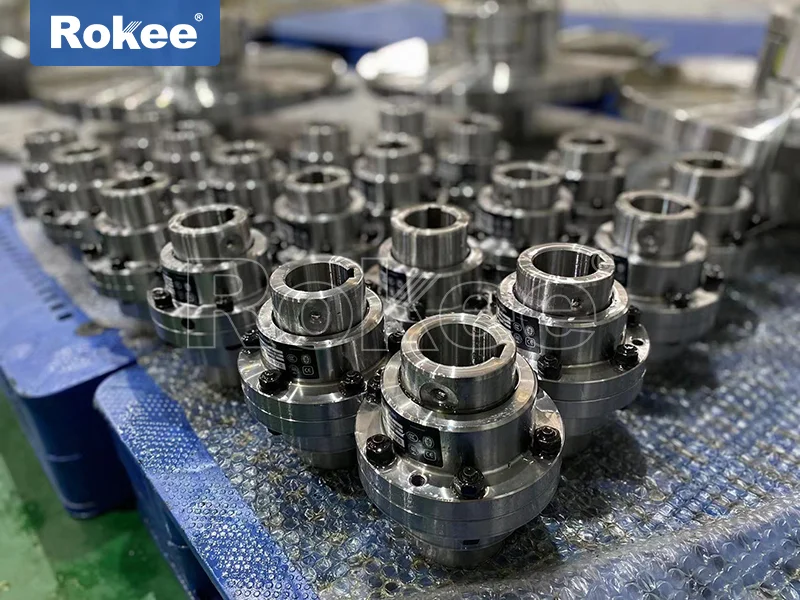
A gear coupling is a mechanical device designed to transmit torque between two non-collinear shafts, accommodating for minor misalignments that are inevitable in heavy-duty machinery. Unlike other types of couplings, gear couplings are specifically engineered to handle high torque loads, making them ideal for use in PU sandwich panel machines that require powerful, consistent power transmission to drive rollers, conveyors, foaming systems, and cutting mechanisms. The core design of a gear coupling consists of two hubs with crowned gear teeth that mesh with the straight gear teeth of a sleeve, creating a flexible joint that can compensate for angular, radial, and axial misalignment. This flexibility is crucial in PU sandwich panel machines, where the various components may shift slightly over time due to vibration, thermal expansion, or heavy loads, ensuring that power is transmitted smoothly without causing excessive wear or damage to the machine’s parts.
The integration of gear couplings into PU sandwich panel machine addresses several key challenges associated with heavy-duty operation. One of the primary benefits is their exceptional torque-carrying capacity. PU sandwich panel production involves multiple energy-intensive processes: uncoiling large rolls of facer material requires significant torque to overcome inertia, while the foaming system needs consistent power to maintain precise mixing ratios and injection pressure. Gear couplings are designed to transmit large amounts of torque efficiently, with their gear meshing structure allowing for even distribution of force across the teeth, reducing stress concentration and minimizing the risk of component failure. This is particularly important in continuous production environments, where the machine may operate for hours or even days without interruption, and any failure in the power transmission system could lead to costly downtime and production losses.
Another critical advantage of gear couplings in PU sandwich panel machines is their ability to accommodate misalignment. During heavy-duty operation, the machine’s components are subjected to constant vibration, thermal expansion, and mechanical stress, which can cause slight shifts in the alignment of the shafts. If not addressed, this misalignment can lead to excessive wear on bearings, gears, and other moving parts, reducing the machine’s lifespan and increasing maintenance costs. Gear couplings mitigate this issue by allowing for a degree of flexibility, with the crowned gear teeth on the hubs reducing friction and wear when misalignment occurs. This not only protects the machine’s components but also ensures that power is transmitted consistently, maintaining the precision required for high-quality panel production. For example, in the roll forming section of the machine, where the facer sheets are shaped into the desired profile, consistent power transmission is essential to ensure uniform thickness and shape across the entire length of the panel. Gear couplings ensure that the rollers receive a steady supply of power, preventing variations in the forming process that could compromise the panel’s structural integrity.
Durability is another key factor that makes gear couplings an ideal choice for heavy-duty PU sandwich panel machines. These couplings are typically constructed from high-strength materials such as alloy steel, which is subjected to rigorous heat treatment processes including quenching and tempering to enhance hardness, wear resistance, and fatigue strength. The gear teeth are precision-machined to ensure smooth meshing and minimal wear, even under constant use. Additionally, gear couplings are designed with sealed housings that protect the internal components from dust, debris, and moisture—common contaminants in industrial production environments. This protection is crucial in PU sandwich panel machines, where the foaming process may generate dust or chemical residues that could damage unprotected mechanical components. By preventing contamination, gear couplings extend their own lifespan and reduce the need for frequent maintenance, contributing to the overall reliability of the machine.
The operational efficiency of PU sandwich panel machines is significantly enhanced by the use of gear couplings. In heavy-duty production settings, efficiency is measured not only by the speed of production but also by the consistency of the end product and the frequency of maintenance intervals. Gear couplings reduce energy loss during power transmission, ensuring that a higher percentage of the motor’s energy is transferred to the machine’s working components. This not only reduces energy consumption but also allows the machine to operate at higher speeds without sacrificing performance. For example, the double belt conveyor system, which transports the panel through the foaming and curing stages, relies on consistent power to maintain a steady speed. Gear couplings ensure that the conveyor runs smoothly, preventing jams or uneven movement that could lead to defects in the PU foam core, such as uneven density or poor adhesion to the facer sheets. This consistency in production not only improves the quality of the panels but also increases the overall output of the machine, making it more cost-effective for large-scale operations.
In addition to their role in power transmission, gear couplings also contribute to the safety of PU sandwich panel machines in heavy-duty operation. Safety is a paramount concern in industrial environments, and any mechanical failure can pose a significant risk to operators and equipment. Gear couplings are designed with high structural integrity, reducing the risk of sudden failure even under extreme loads. The sealed housing not only protects the internal components but also prevents oil leaks, which could create slip hazards or damage other parts of the machine. Furthermore, the flexibility of gear couplings reduces vibration transfer between the motor and the machine’s components, minimizing noise and creating a safer, more comfortable working environment for operators. This is particularly important in facilities where the machine operates continuously, as excessive vibration and noise can lead to operator fatigue and increased risk of accidents.
The versatility of gear couplings also makes them suitable for a wide range of PU sandwich panel machine configurations. Whether the machine is designed for continuous or discontinuous production, gear couplings can be tailored to meet the specific requirements of the application. Continuous production machines, which are ideal for high-volume operations, require couplings that can handle constant, high torque loads and maintain consistent performance over long periods. Gear couplings are well-suited for this, with their durable construction and efficient power transmission capabilities. Discontinuous machines, which are used for specialized or low-volume production, benefit from the flexibility of gear couplings, which can accommodate the frequent start-stop cycles without excessive wear. Additionally, gear couplings can be adapted to different shaft sizes and configurations, making them compatible with various motor types and machine designs.
Proper maintenance of gear couplings is essential to ensure their long-term performance and the overall reliability of the PU sandwich panel machine. While gear couplings are designed to be low-maintenance, regular inspection and lubrication are necessary to prevent wear and extend their lifespan. Lubrication is particularly critical, as it reduces friction between the gear teeth and prevents corrosion. The type of lubricant used should be selected based on the operating conditions, including temperature, load, and speed. Regular inspection should include checking for signs of wear, such as tooth damage, oil leaks, or misalignment, and addressing any issues promptly to prevent further damage to the coupling or the machine. By following a regular maintenance schedule, operators can ensure that the gear couplings remain in optimal condition, minimizing downtime and maximizing the machine’s operational efficiency.
The integration of gear couplings into PU sandwich panel machines also has a positive impact on the overall cost-effectiveness of the equipment. While the initial investment in gear couplings may be higher than in other types of couplings, their durability and low maintenance requirements result in lower long-term costs. Reduced downtime due to fewer breakdowns, lower maintenance costs, and improved energy efficiency all contribute to a higher return on investment. Additionally, the consistent performance of gear couplings ensures that the machine produces high-quality panels with minimal defects, reducing waste and improving customer satisfaction. In heavy-duty operations, where even small improvements in efficiency or quality can have a significant impact on profitability, the use of gear couplings is a worthwhile investment.
The application of PU sandwich panel machines with gear couplings extends across a wide range of industries, each with its own unique demands. In the construction industry, these machines are used to produce panels for exterior walls, roofs, and partitions, where durability and insulation properties are essential. Cold storage facilities rely on PU sandwich panels for their excellent thermal insulation, and the heavy-duty performance of the machines ensures that large volumes of panels can be produced quickly to meet project deadlines. Industrial warehouses and manufacturing facilities use PU sandwich panels for their structural strength and soundproofing capabilities, and the reliability of the machines ensures that production can keep up with demand. Even in specialized sectors such as offshore construction and transportation, PU sandwich panel machines with gear couplings are used to produce panels that can withstand harsh environmental conditions, thanks to the durability and efficiency of the equipment.
As industrial technology continues to evolve, the design and performance of PU sandwich panel machines and gear couplings are also advancing. Manufacturers are constantly innovating to improve the efficiency, durability, and versatility of these machines, with a focus on reducing energy consumption, minimizing maintenance requirements, and enhancing safety. For example, advancements in gear coupling design have led to the development of couplings with improved misalignment compensation capabilities and higher torque-carrying capacity, allowing PU sandwich panel machines to handle even more demanding heavy-duty operations. Additionally, the integration of smart technology, such as sensors and monitoring systems, allows operators to track the performance of the gear couplings and the machine in real time, enabling predictive maintenance and reducing the risk of unexpected breakdowns.
In conclusion, the combination of PU sandwich panel machines and gear couplings is a powerful solution for meeting the demands of durable, heavy-duty operation in modern industrial settings. Gear couplings provide the essential power transmission, flexibility, and durability required to ensure that these machines operate efficiently, consistently, and safely, even under the most rigorous conditions. By accommodating misalignment, handling high torque loads, and reducing wear and maintenance requirements, gear couplings extend the lifespan of PU sandwich panel machines, improve production efficiency, and enhance the quality of the end product. Whether used in construction, cold storage, industrial manufacturing, or specialized applications, PU sandwich panel machines with gear couplings are a reliable and cost-effective choice for businesses seeking to optimize their production processes and meet the growing demand for high-quality composite panels. As technology continues to advance, this combination will undoubtedly play an even more critical role in shaping the future of industrial production, driving innovation and efficiency across a wide range of sectors.