Teeth Coupling High Torque Transmission
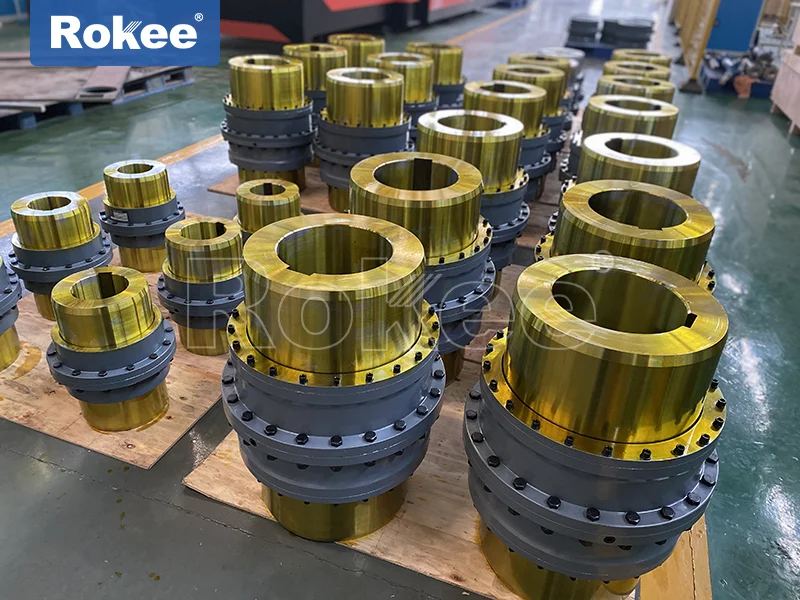
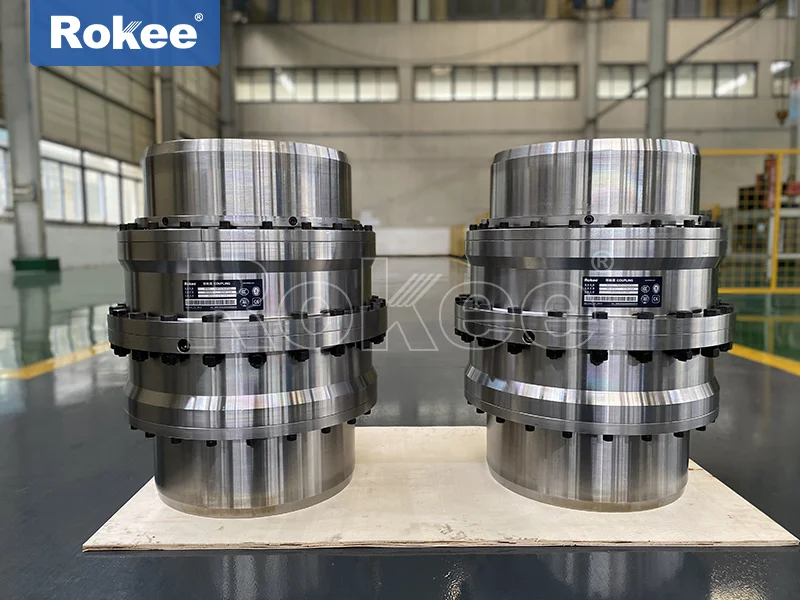
Teeth coupling high torque transmission stands as a pivotal mechanical transmission solution widely adopted in heavy-duty industrial mechanical systems, designed to deliver stable, efficient, and high-capacity torque transfer between rotating shafts. Differing from conventional flexible and rigid couplings with limited load-bearing capacity, this transmission structure relies on precise meshing between internal and external gear teeth to distribute torque evenly across multiple contact points, enabling it to withstand extreme rotational loads while maintaining continuous operation. Its core advantages lie in compact structural design, excellent misalignment compensation, and superior fatigue resistance, making it adaptable to complex working conditions involving frequent start-stop cycles, variable load fluctuations, and harsh operating environments. As a key movable rigid transmission component, it effectively solves the torque attenuation and structural failure problems common in traditional coupling devices under high-load operation, ensuring the synchronous operation of driving and driven mechanical components and improving the overall operational stability and service life of mechanical equipment.
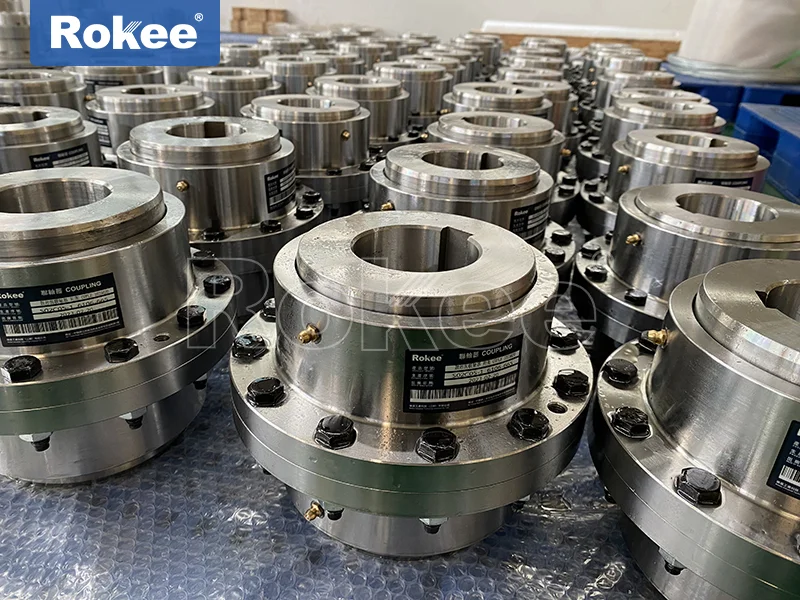
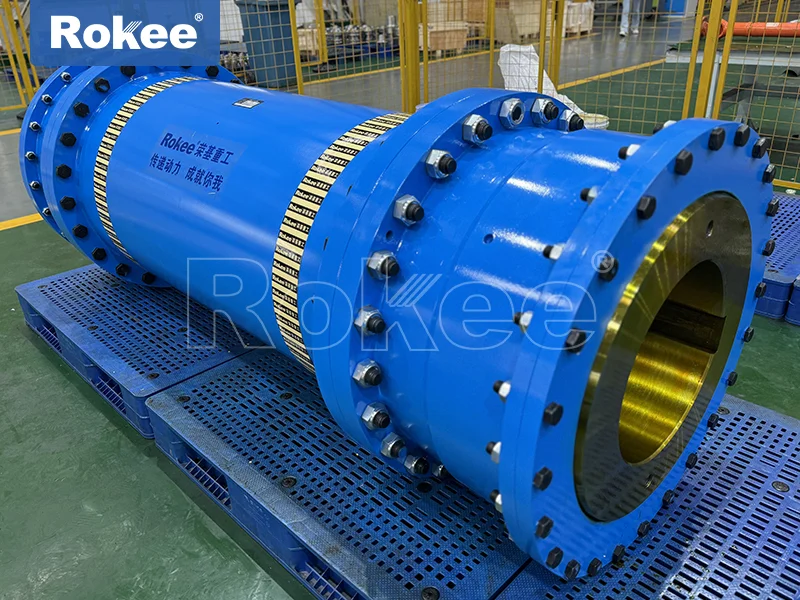
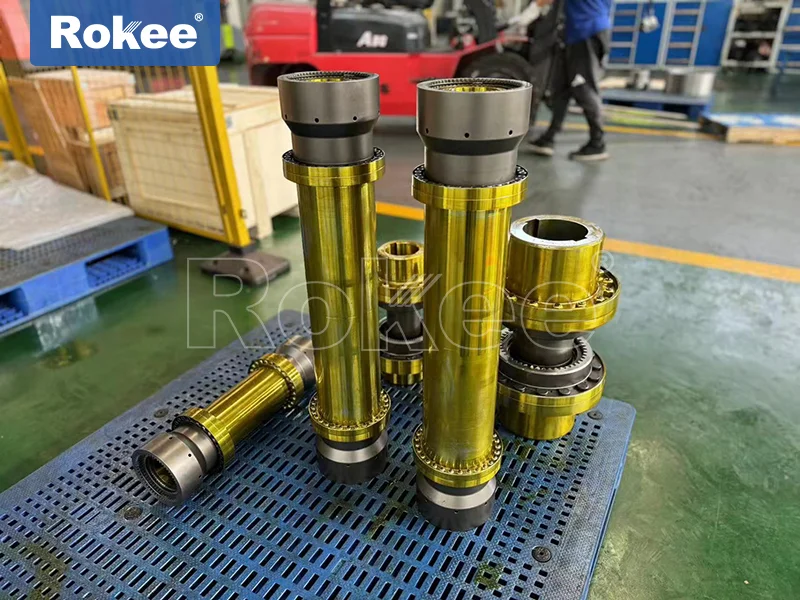
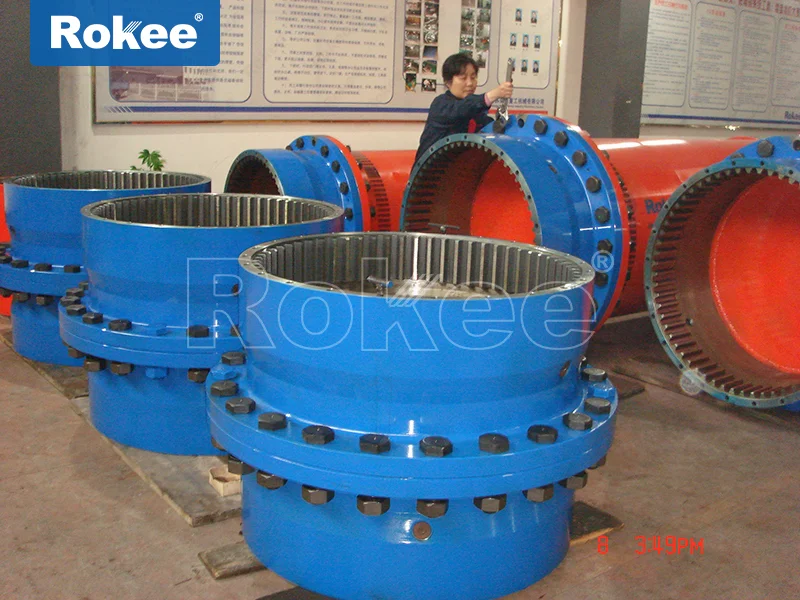
The fundamental working mechanism of teeth coupling high torque transmission is rooted in the mechanical principle of gear meshing power transfer, which defines its unique high-load adaptation capability in industrial transmission systems. The overall structure consists of two core functional parts: external tooth hubs fixed on the driving and driven shafts and an internal tooth ring sleeve that connects the two hubs. During equipment operation, the driving shaft drives the external tooth hub to rotate, and the meshing contact between external teeth and internal tooth grooves converts rotational power into continuous torque output, realizing synchronous rotation and power transmission of the entire shaft system. Unlike single-point contact transmission structures, the multi-tooth meshing design disperses concentrated torque stress over dozens of tooth contact surfaces, which greatly reduces unit pressure on individual teeth and avoids local structural deformation or abrasion under high torque. Meanwhile, the reserved reasonable meshing gap between tooth structures allows slight relative sliding and adaptive adjustment during operation, laying a solid foundation for the device’s tolerance of minor shaft displacement and dynamic load changes in high torque transmission scenarios.
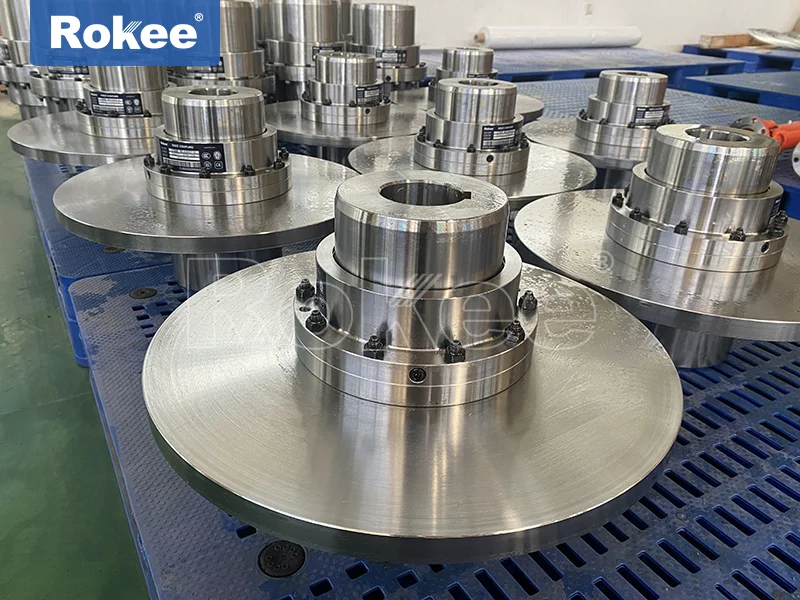
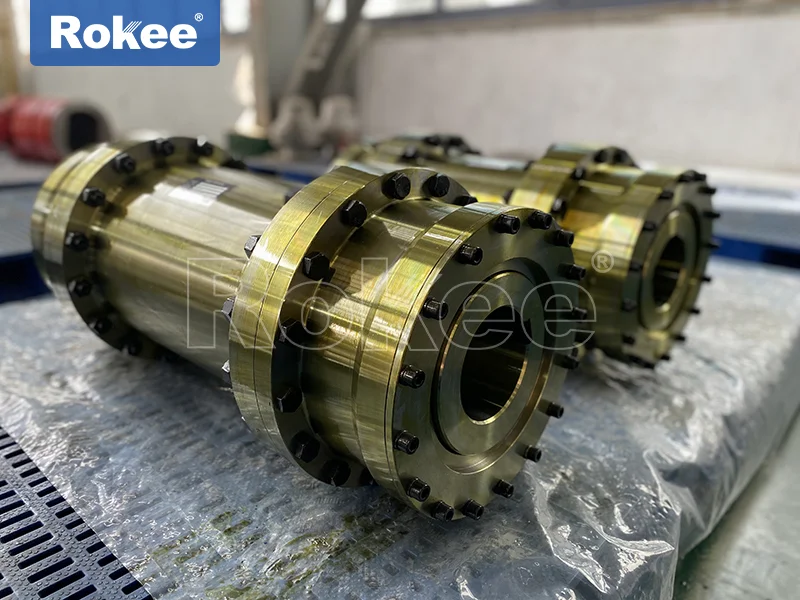
Structural design optimization is the core reason why teeth coupling achieves outstanding high torque transmission performance, with every detail tailored for heavy-load industrial operation scenarios. The tooth profile of high-torque teeth couplings adopts a optimized curved structure instead of ordinary straight teeth, which increases the effective contact area between meshing teeth and makes torque distribution more uniform during transmission. This improved tooth profile design eliminates stress concentration at tooth root and tooth tip positions, which are prone to damage in traditional structures, effectively enhancing the overall structural rigidity and load-bearing limit of the coupling. In terms of overall layout, the integrated design of the internal tooth ring reduces structural gaps and assembly errors, ensuring stable meshing accuracy under long-term high-load operation. The external tooth hub adopts an integral forging molding process, which improves material density and structural toughness, avoiding fracture or deformation caused by instantaneous torque impact. In addition, the symmetrical structural layout balances the centrifugal force generated during high-speed rotation, reducing transmission vibration and noise, and enabling the coupling to maintain efficient and stable high torque output even in continuous long-hour working states.
Misalignment compensation capability is an indispensable auxiliary advantage of teeth coupling in high torque transmission, solving the operational pain points of traditional rigid transmission devices in complex shaft system installation and operation. In actual mechanical assembly and long-term operation, absolute coaxial alignment of dual shafts is difficult to achieve due to machining errors, installation deviations, equipment structural aging, and thermal deformation after heating. Ordinary rigid couplings will generate huge additional stress at the connection position under slight shaft misalignment, leading to accelerated component wear and even sudden failure under high torque load. Teeth couplings rely on the flexible adaptive sliding of meshing tooth surfaces to effectively compensate for radial, axial and angular misalignment of the shaft system. When misalignment occurs, the internal and external tooth surfaces produce regular micro-sliding during meshing rotation, which offsets the additional stress caused by shaft deviation without affecting the overall torque transmission efficiency. This unique performance enables the coupling to adapt to dynamic shaft position changes during equipment operation, ensuring continuous and reliable high torque transmission in unstable working conditions.
Material performance directly determines the high torque bearing capacity and service life of teeth coupling transmission systems, and professional material selection and processing technology are key to its durable operation. High-quality teeth couplings for high torque scenarios are mostly made of high-strength alloy steel with excellent hardness, toughness and fatigue resistance. After integral quenching and tempering heat treatment, the material obtains balanced mechanical properties, with high surface hardness to resist tooth surface abrasion and sufficient core toughness to buffer instantaneous torque impact and avoid brittle fracture. The tooth surface is further processed through precision grinding and surface strengthening treatment, which improves the smoothness of meshing surfaces, reduces friction and wear during power transmission, and maintains stable meshing accuracy for a long time. Compared with ordinary carbon steel couplings, alloy steel materials can withstand higher cyclic load impact, effectively delaying fatigue crack generation and expansion under long-term high torque operation. Reasonable material matching and fine processing greatly reduce the failure rate of the coupling in heavy-load transmission, improving the overall operational reliability of mechanical equipment.
Lubrication and sealing maintenance is a crucial link to sustain the long-term stable high torque transmission performance of teeth couplings, directly affecting operational efficiency and service life. In the high torque transmission process, frequent meshing and sliding between internal and external tooth surfaces will generate friction heat and micro-wear, and effective lubrication can form a uniform oil film on the tooth contact surfaces to isolate metal direct contact, reduce friction resistance, and lower energy consumption during torque transmission. High-viscosity industrial lubricants are usually selected for heavy-load scenarios, which can maintain stable oil film thickness under high pressure and avoid oil film rupture caused by instantaneous high torque impact. Meanwhile, reliable sealing structures are equipped at both ends of the coupling to prevent external dust, impurities and moisture from entering the meshing area. Impurity accumulation will aggravate tooth surface abrasion and cause meshing jitter, while moisture will induce metal corrosion and reduce structural rigidity. Regular lubricant replacement and sealing component inspection can always keep the coupling in an optimal meshing state, ensuring continuous and efficient high torque output and avoiding performance degradation caused by poor maintenance.
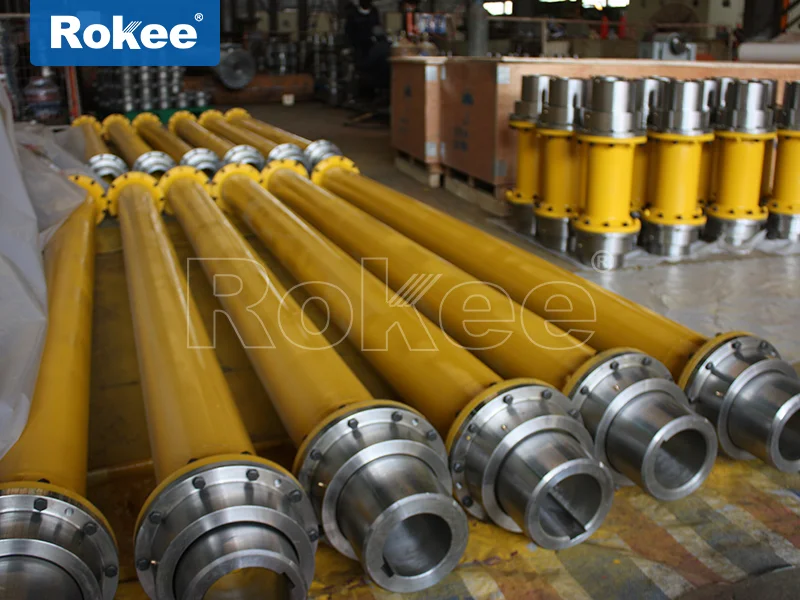
Teeth coupling high torque transmission technology has extremely wide application value in heavy industrial fields, covering almost all mechanical scenarios requiring large-load power transmission. In heavy machinery and engineering equipment, it serves as the core transmission component of large rotating equipment, stably transmitting huge torque generated by power units to executive components, and adapting to heavy-load start and variable-load operation. In metallurgy, mining and material handling industries, equipment often operates in harsh environments with heavy dust and frequent load changes, and the coupling’s high wear resistance and misalignment tolerance ensure stable torque transmission under severe working conditions. In addition, it is also widely used in petrochemical, power generation and marine mechanical systems, where continuous and stable high-power transmission is required. Its compact structure saves equipment installation space, while excellent load-bearing performance reduces equipment failure downtime, effectively improving industrial production efficiency and reducing overall equipment operation and maintenance costs.
With the continuous upgrading of industrial mechanical equipment towards high power, high efficiency and high stability, the optimization and development of teeth coupling high torque transmission technology have become increasingly important. Current technological optimization directions mainly focus on structural lightweight design, transmission efficiency improvement and intelligent wear monitoring. Through topological optimization of the tooth structure, the coupling achieves higher torque bearing capacity with smaller structural size, meeting the lightweight and compact design requirements of modern precision heavy machinery. Advanced processing and surface modification technologies further reduce meshing friction loss and improve energy utilization rate of torque transmission. At the same time, combined with modern mechanical monitoring technology, real-time detection of tooth surface wear, meshing state and load changes can be realized, realizing early warning of potential failures. These technological progresses continue to expand the application boundary of teeth couplings, making high torque transmission more efficient, stable and intelligent, and providing more reliable core support for the upgrading of modern heavy industry.