Cost-effective Choice Of Barrel Gear Coupling For Transmission Upgrade Of Polyurethane Sandwich Panel Manufacturing Line
In the modern construction and industrial fields, polyurethane sandwich panels have become indispensable core materials due to their excellent thermal insulation, structural stability, light weight, and environmental friendliness. These panels, composed of two outer facing materials and a rigid polyurethane foam core, are widely used in external walls, roofs, cold storage facilities, prefabricated buildings, and refrigerated transportation vehicles, driving the continuous development and upgrading of their manufacturing technology. The polyurethane sandwich panel manufacturing line is a complex integrated system that involves multiple continuous and coordinated processes, including uncoiling of facing materials, roll forming, preheating, polyurethane foaming, lamination, curing, cutting, and stacking. Each link relies on stable and precise power transmission to ensure the consistency of product quality, the efficiency of the production process, and the long-term stable operation of the equipment. As the key connecting component in the transmission system of the production line, the coupling undertakes the important task of transmitting torque between the motor, reducer, and various executing components, and its performance directly affects the overall operation effect of the production line. With the continuous increase of market demand for polyurethane sandwich panels, many manufacturers are facing the problem of upgrading the transmission system of old production lines or optimizing the transmission efficiency of new lines. Under such a background, choosing a cost-effective coupling has become a key link to reduce upgrade costs, improve production efficiency, and enhance market competitiveness. Among various types of couplings, the barrel gear coupling stands out due to its unique structural advantages, excellent transmission performance, and reasonable comprehensive cost, becoming the preferred choice for the transmission upgrade of polyurethane sandwich panel manufacturing lines.
To understand why barrel gear couplings are the cost-effective choice for the transmission upgrade of polyurethane sandwich panel manufacturing lines, it is first necessary to clarify the working characteristics of the production line and the core requirements for the transmission system. The polyurethane sandwich panel manufacturing line is a continuous and automated production system that integrates mechanical, electrical, hydraulic, and chemical reaction technologies. It requires the coordinated operation of multiple subsystems, such as the uncoiling system, roll forming system, foaming system, double-belt lamination system, cutting system, and conveying system. Each subsystem is driven by a separate power source, and the power needs to be transmitted to various executing components accurately and stably to ensure that the entire production line operates in a synchronized manner. The transmission system of the production line is faced with several key challenges: first, the installation and layout of each subsystem are often not on the same axis due to the limitations of the production process and the overall structure of the equipment, resulting in angular deviations, radial deviations, and even slight axial displacements between the driving shaft and the driven shaft; second, during the long-term continuous operation of the production line, the equipment will generate vibration and thermal expansion, leading to changes in the relative position of the shafts, which requires the transmission component to have a certain compensation capacity to avoid additional loads on the shafts and bearings; third, the production process of polyurethane sandwich panels requires stable and uniform power transmission, especially in the foaming and lamination links, where even slight fluctuations in transmission speed can lead to uneven foam filling, inconsistent panel thickness, and reduced product qualification rate; fourth, the production environment of the manufacturing line may involve dust, slight corrosive gas (from polyurethane foaming raw materials), and long-term continuous operation, which requires the coupling to have good wear resistance, corrosion resistance, and long service life to reduce maintenance frequency and downtime loss. In addition, for manufacturers, the upgrade cost of the transmission system should be controlled within a reasonable range, and the selected coupling should not only meet the performance requirements but also have low maintenance costs and a long service life, so as to achieve the maximum return on investment. These requirements determine that the coupling for the transmission upgrade of polyurethane sandwich panel manufacturing lines must have the characteristics of strong torque transmission capacity, good deviation compensation performance, stable operation, long service life, and high cost performance, and the barrel gear coupling just meets all these conditions.
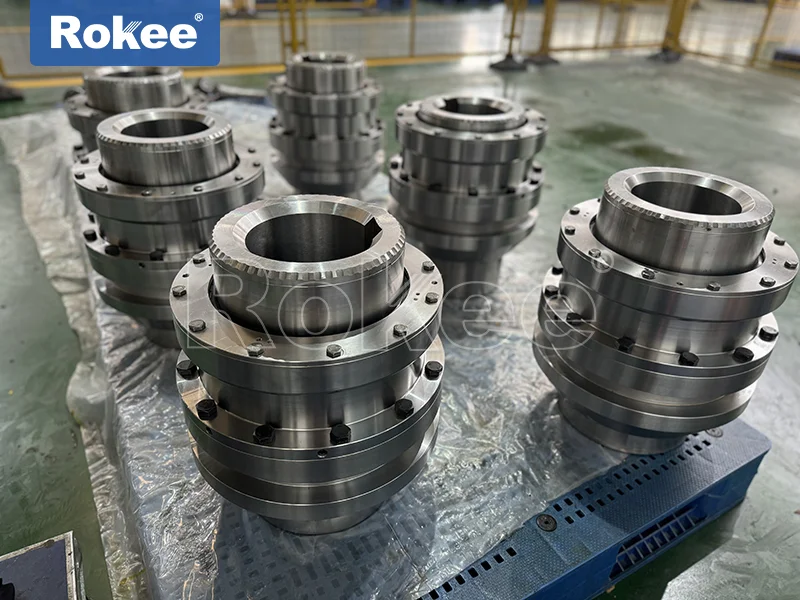
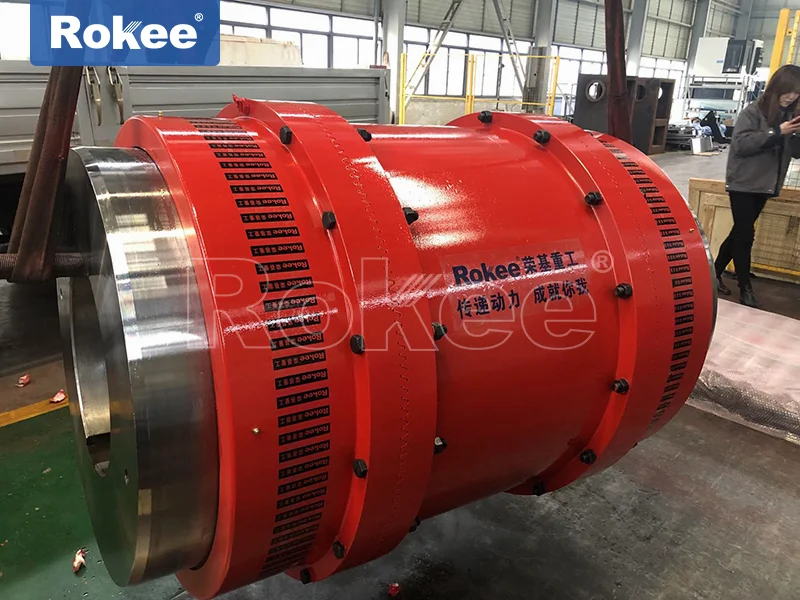
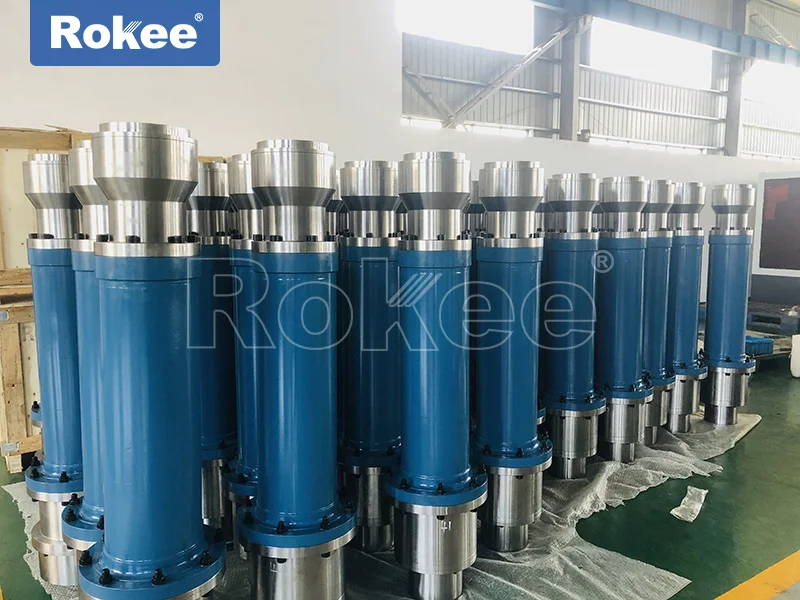
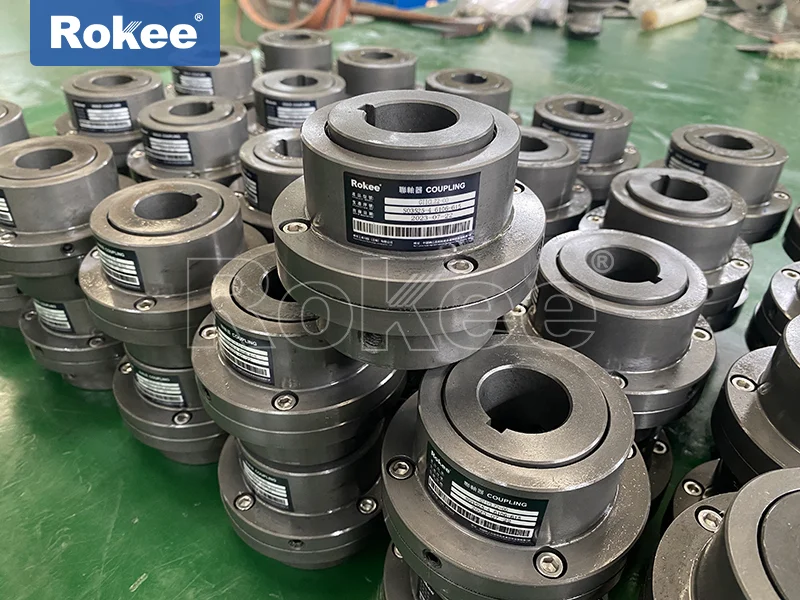
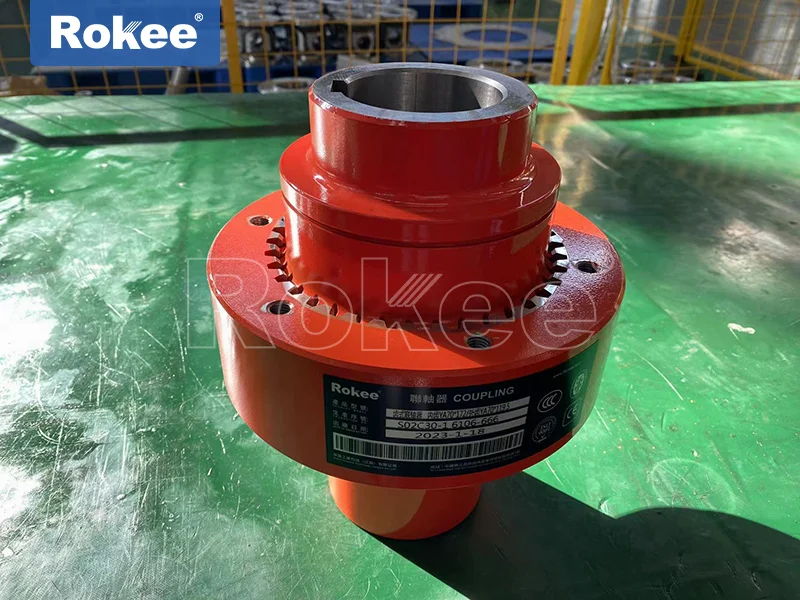
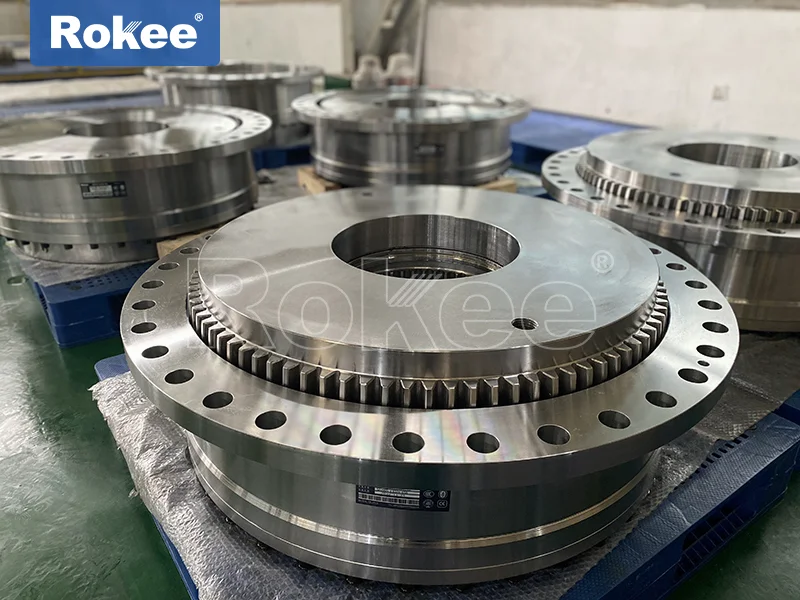
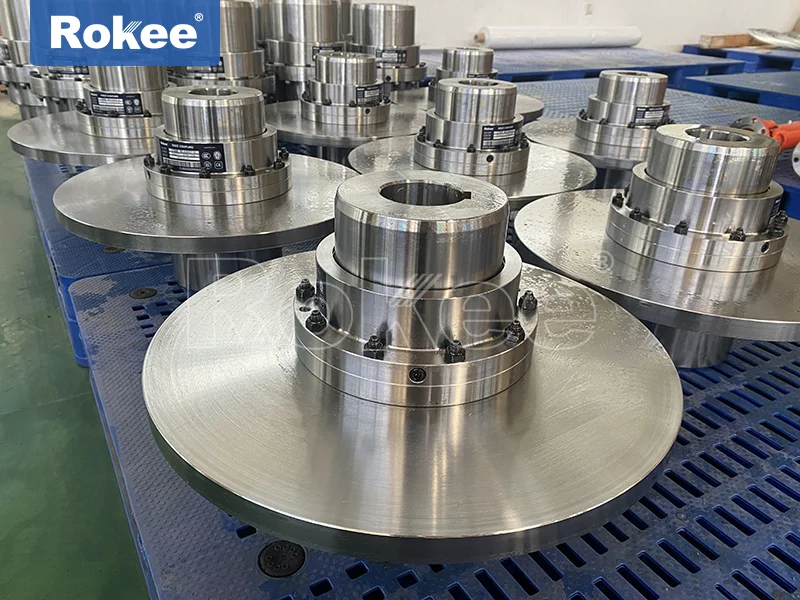
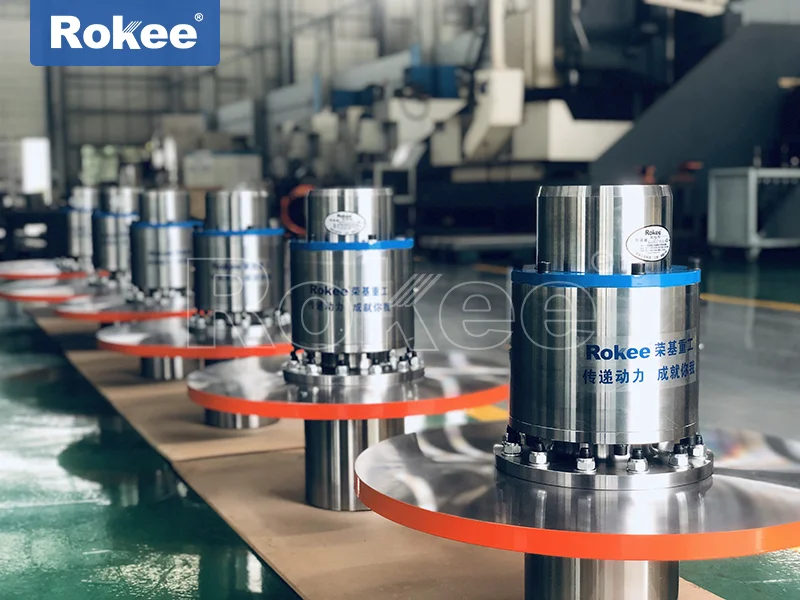
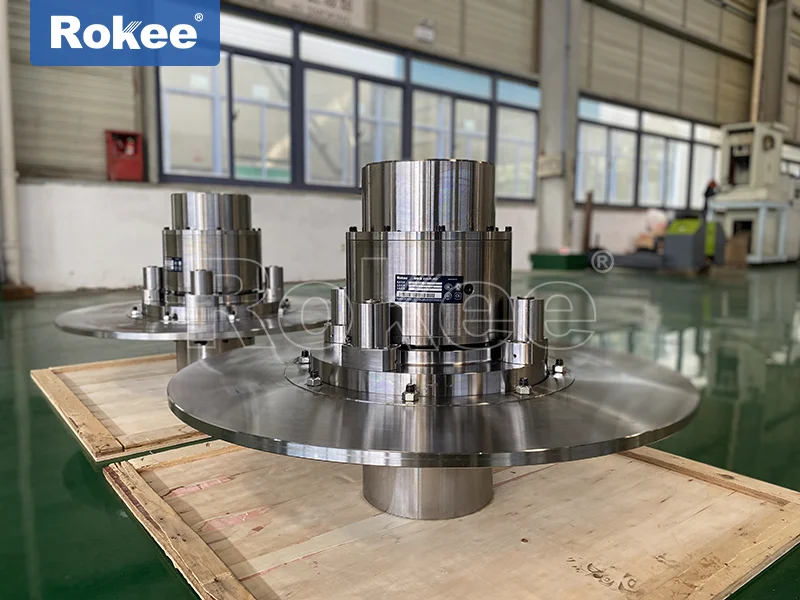
The barrel gear coupling is a type of rigid-flexible coupling that transmits torque through the meshing of internal and external teeth, and its core advantage lies in its unique barrel-shaped tooth profile design. Different from the traditional straight-tooth coupling, the barrel gear coupling has a convex barrel-shaped tooth surface on the external gear, which meshes with the internal gear of the sleeve. This structural design not only enhances the contact area between the teeth but also enables the coupling to have excellent deviation compensation capacity, which can effectively accommodate angular deviations, radial deviations, and axial displacements between the shafts. Generally, the radial deviation compensation capacity of the barrel gear coupling can reach ±1.5% of the coupling outer diameter, the maximum angular deviation can reach 1.5°~3°, and some structures can also support a certain degree of axial movement, which perfectly adapts to the installation errors and operational deviations of the transmission system of the polyurethane sandwich panel manufacturing line. In the roll forming and conveying links of the production line, the shafts of the motor, reducer, and roller are often difficult to achieve absolute coaxiality due to the overall layout of the equipment. The deviation compensation capacity of the barrel gear coupling can effectively absorb these deviations, avoid the generation of additional torque and vibration, reduce the wear of shafts, bearings, and other components, and ensure the stable operation of the production line. At the same time, the barrel-shaped tooth profile design makes the force on the tooth surface more uniform, reduces the stress concentration, and enhances the torque transmission capacity of the coupling. For the polyurethane sandwich panel manufacturing line, which requires continuous and stable torque transmission, the barrel gear coupling can transmit large torque without obvious power loss, ensuring that each subsystem of the production line obtains sufficient and stable power, especially in the roll forming link, which requires large torque to shape the metal facing materials, and the barrel gear coupling can easily meet this demand.
Another important reason why the barrel gear coupling is a cost-effective choice for the transmission upgrade of polyurethane sandwich panel manufacturing line is its excellent durability and low maintenance cost. The production line of polyurethane sandwich panels usually operates continuously for a long time, and the coupling, as a key transmission component, needs to withstand long-term torque load and operational wear. The barrel gear coupling is usually made of high-strength alloy steel, which has good mechanical properties, wear resistance, and corrosion resistance after quenching, tempering, and other heat treatment processes. The tooth surface is precision machined and ground, which improves the meshing accuracy and reduces the wear during operation. Compared with other types of couplings, such as elastic couplings with rubber or polyurethane elastomers, the barrel gear coupling does not have the problem of elastomer aging, cracking, or deformation, which greatly extends its service life. In the actual operation of the production line, the barrel gear coupling can maintain stable performance for a long time under normal use and regular maintenance, reducing the frequency of replacement and the downtime loss caused by coupling failure. In terms of maintenance, the barrel gear coupling has a simple structure and convenient maintenance. It only needs to regularly check the lubrication status and add or replace lubricating oil according to the operation conditions, without complex disassembly and assembly operations. This not only reduces the labor intensity of maintenance personnel but also saves maintenance time and costs. For manufacturers, reducing maintenance costs and downtime loss is an important part of improving cost performance, and the barrel gear coupling just meets this demand, making it an ideal choice for the transmission upgrade of polyurethane sandwich panel manufacturing lines.
When selecting a cost-effective barrel gear coupling for the transmission upgrade of the polyurethane sandwich panel manufacturing line, it is not only necessary to consider the performance and cost of the coupling itself but also to combine the actual operating conditions of the production line to make a reasonable selection, so as to ensure that the selected coupling can perfectly match the transmission system and achieve the best upgrade effect. First of all, it is necessary to determine the key parameters of the coupling according to the torque, speed, and deviation requirements of the transmission system. The rated torque of the coupling should be greater than 30% of the actual operating torque of the transmission system to leave a certain safety margin, avoiding overload failure during operation. The maximum speed of the coupling should match the operating speed of the motor and reducer to prevent dynamic imbalance and vibration caused by excessive speed. In addition, it is necessary to accurately measure the angular deviation, radial deviation, and axial displacement between the shafts of the transmission system, and select the barrel gear coupling with corresponding compensation capacity to ensure that the coupling can effectively absorb the deviations and maintain stable operation. Secondly, the material of the coupling should be selected according to the production environment of the manufacturing line. If the production environment has more dust or slight corrosive gas, it is necessary to select the barrel gear coupling with anti-corrosion treatment on the surface to enhance its service life. At the same time, the structural type of the coupling should be considered according to the installation space of the transmission system. The barrel gear coupling has a compact structure and small installation space, which is suitable for the transmission system of the polyurethane sandwich panel manufacturing line with limited installation space. In addition, it is necessary to consider the interchangeability of the coupling. Choosing the barrel gear coupling with standard specifications can facilitate future replacement and maintenance, reduce the inventory of spare parts, and further reduce the comprehensive cost.
In the process of upgrading the transmission system of the polyurethane sandwich panel manufacturing line, the replacement and installation of the barrel gear coupling also need to pay attention to certain details to ensure the stability and reliability of the transmission system after upgrade. Before installation, it is necessary to carefully check the surface of the coupling, including the tooth surface, shaft hole, and flange, to ensure that there are no defects such as scratches, cracks, or burrs, which may affect the meshing accuracy and torque transmission effect. At the same time, it is necessary to clean the shaft end of the motor and reducer, remove oil stains, rust, and other impurities, and ensure that the fit between the coupling and the shaft is tight. During installation, it is necessary to adjust the coaxiality of the motor, coupling, and reducer as much as possible, reduce the initial deviation, and ensure that the deviation is within the compensation range of the barrel gear coupling. After installation, it is necessary to conduct a no-load test and a load test. The no-load test is to check whether the coupling operates smoothly, whether there is abnormal noise or vibration, and whether the lubrication system is normal. The load test is to simulate the actual operating conditions of the production line, check the torque transmission capacity and deviation compensation performance of the coupling, and ensure that all indicators meet the requirements. In addition, after the upgrade is completed, it is necessary to establish a regular maintenance system for the barrel gear coupling, regularly check the lubrication status, tooth surface wear, and connection tightness, and timely handle potential problems to extend the service life of the coupling and ensure the long-term stable operation of the transmission system.
Compared with other types of couplings, the barrel gear coupling has obvious cost advantages in the transmission upgrade of the polyurethane sandwich panel manufacturing line. For example, the elastic coupling has the advantages of shock absorption and noise reduction, but its torque transmission capacity is limited, and the elastomer is easy to age and needs to be replaced frequently, which increases the maintenance cost and downtime loss in the long run. The universal joint coupling has good deviation compensation capacity, but its structure is complex, the manufacturing cost is high, and the maintenance is cumbersome, which is not suitable for the transmission system of the polyurethane sandwich panel manufacturing line that requires continuous and stable operation and low cost. The straight-tooth gear coupling has a simple structure and low cost, but its deviation compensation capacity is poor, and the tooth surface is easy to wear under the condition of shaft deviation, which affects the service life and transmission stability. In contrast, the barrel gear coupling balances the advantages of torque transmission capacity, deviation compensation performance, durability, and cost. Its initial purchase cost is moderate, and the maintenance cost and replacement cost in the later period are low. At the same time, it can improve the transmission efficiency of the production line, reduce the product qualification rate loss caused by transmission instability, and bring considerable economic benefits to manufacturers. For small and medium-sized manufacturers with limited upgrade funds, the barrel gear coupling can achieve the best transmission upgrade effect with limited investment, which is the most cost-effective choice.
With the continuous development of polyurethane sandwich panel manufacturing technology, the requirements for the transmission system of the production line are getting higher and higher. The transmission upgrade is not only to improve production efficiency but also to ensure product quality, reduce energy consumption, and enhance the market competitiveness of enterprises. The barrel gear coupling, with its unique structural advantages, excellent performance, and high cost performance, has become an important support for the transmission upgrade of the polyurethane sandwich panel manufacturing line. In the actual selection and application process, manufacturers should combine their own production line conditions, accurately grasp the key parameters and selection principles of the barrel gear coupling, do a good job in installation, debugging, and regular maintenance, so as to give full play to the performance advantages of the barrel gear coupling, realize the stable and efficient operation of the transmission system, and promote the sustainable development of the polyurethane sandwich panel manufacturing industry. In the long run, choosing the barrel gear coupling for transmission upgrade is not only a cost-effective choice but also a strategic measure to improve the core competitiveness of enterprises, which can help manufacturers achieve better economic benefits and market development in the fierce market competition.
In addition, the application of barrel gear coupling in the transmission upgrade of polyurethane sandwich panel manufacturing line also has certain room for optimization. With the continuous progress of material science and machining technology, the performance of barrel gear coupling is constantly improving. For example, the use of new high-strength and wear-resistant materials can further extend the service life of the coupling; the adoption of precision machining technology can improve the meshing accuracy and transmission efficiency of the coupling, reduce energy loss; the optimization of the structural design can enhance the deviation compensation capacity of the coupling, making it more suitable for the complex operating conditions of the polyurethane sandwich panel manufacturing line. Manufacturers can pay attention to the latest technological developments of barrel gear coupling, and select more advanced and cost-effective products according to their own development needs, so as to further improve the effect of transmission upgrade and reduce comprehensive costs. At the same time, manufacturers can also strengthen the training of maintenance personnel, improve the level of maintenance and management of the barrel gear coupling, ensure that the coupling is always in the best operating state, and maximize the return on investment.
To sum up, the barrel gear coupling is a cost-effective choice for the transmission upgrade of the polyurethane sandwich panel manufacturing line due to its excellent deviation compensation capacity, strong torque transmission capacity, good durability, low maintenance cost, and moderate initial investment. It can effectively solve the problems of unstable transmission, large deviation, high maintenance cost, and low efficiency existing in the traditional transmission system of the production line, ensure the continuous and stable operation of the polyurethane sandwich panel manufacturing line, improve production efficiency and product quality, and reduce comprehensive costs. In the process of transmission upgrade, manufacturers should combine the actual operating conditions of their own production lines, reasonably select the barrel gear coupling, do a good job in installation, debugging, and maintenance, give full play to the performance advantages of the coupling, and promote the high-quality development of the polyurethane sandwich panel manufacturing industry. With the continuous expansion of the polyurethane sandwich panel market and the continuous upgrading of manufacturing technology, the barrel gear coupling will play a more important role in the transmission system upgrade, bringing more economic benefits and development opportunities to manufacturers.