Heavy Load Barrel Gear Coupling
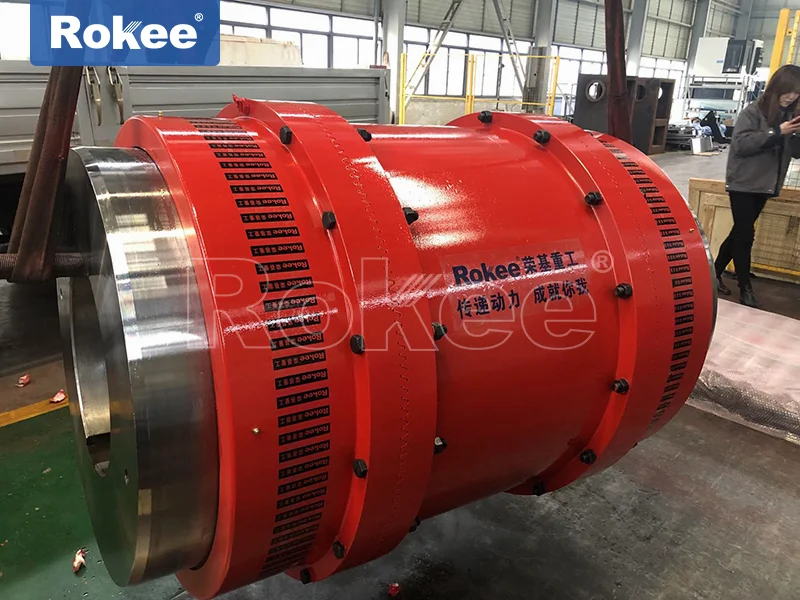
Heavy load barrel gear coupling is a high-performance mechanical transmission component specially optimized for heavy-duty industrial operation scenarios, serving as a core connecting unit between rotating shafts of large mechanical equipment. Distinguished from ordinary straight-tooth gear couplings, it adopts a unique barrel-shaped curved tooth structure, which fundamentally optimizes gear meshing state and stress distribution during torque transmission. This mechanical structure endows the coupling with outstanding heavy-load bearing capacity, excellent misalignment compensation performance and strong impact resistance, making it capable of adapting to complex and harsh working conditions including frequent startup, sudden load fluctuation and long-term alternating load operation. Widely applied in heavy machinery transmission systems, it effectively stabilizes power transmission, reduces mechanical vibration and wear, and extends the overall service life of mechanical equipment, becoming an indispensable key component in modern heavy industrial transmission fields.
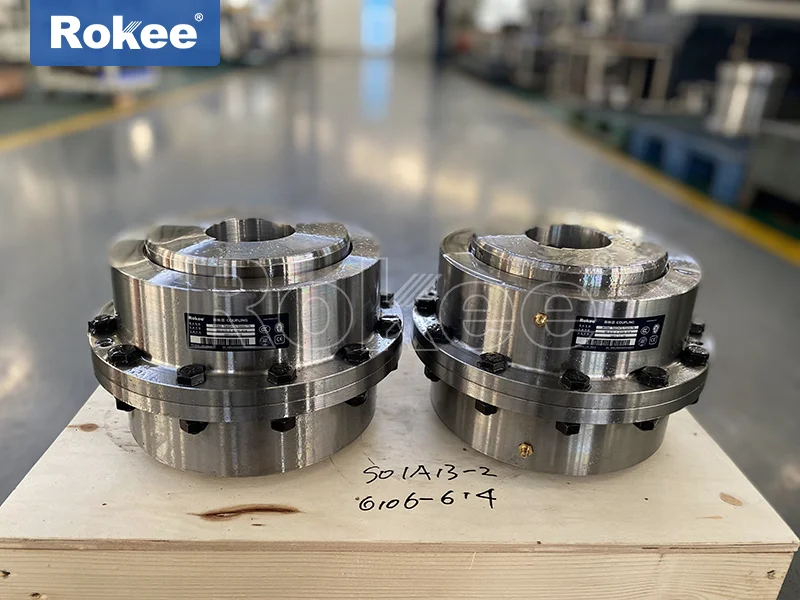
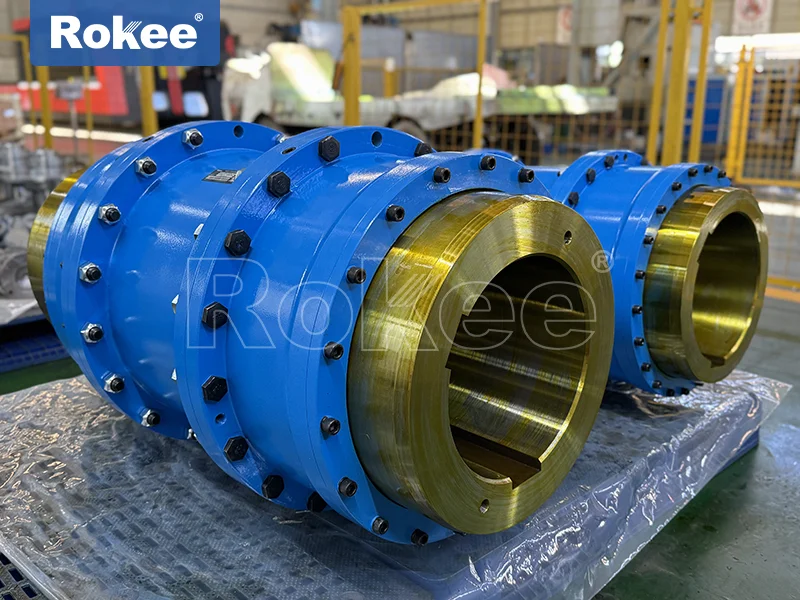
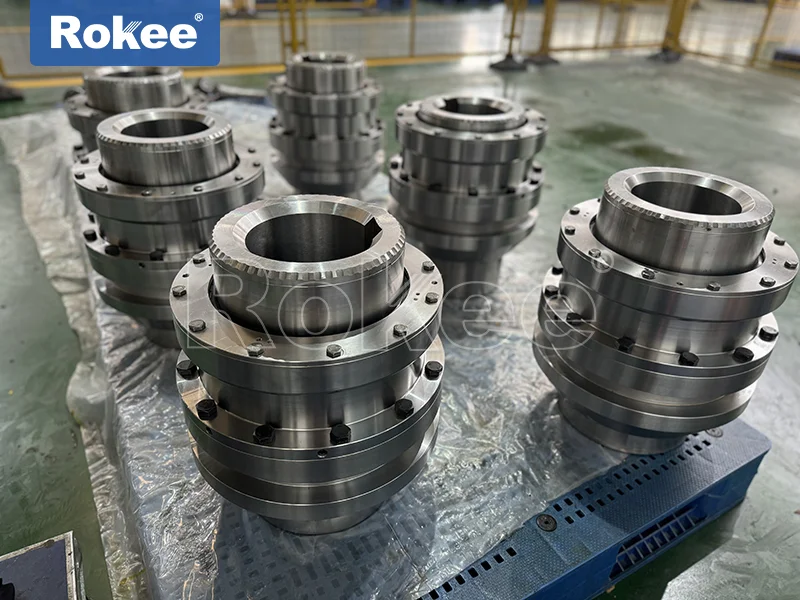
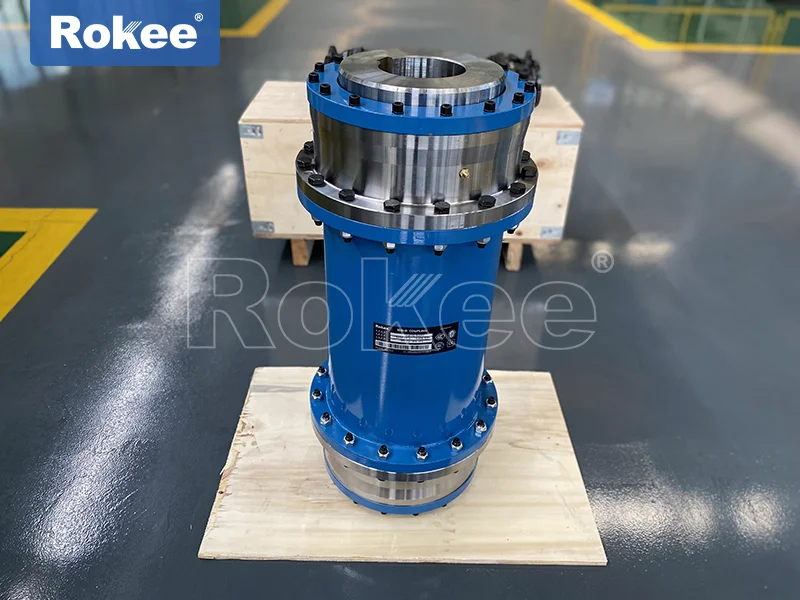
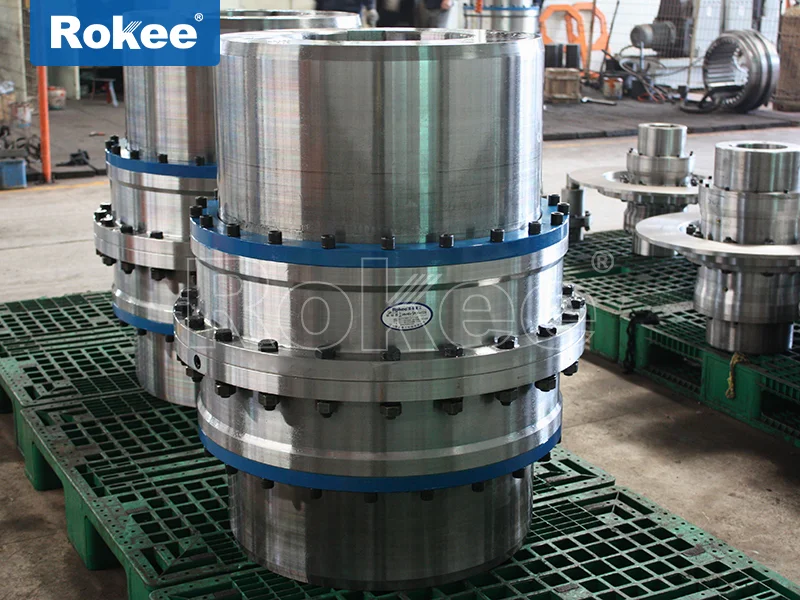
The core structural design of heavy load barrel gear coupling lays the foundation for its superior heavy-load performance, mainly consisting of two toothed hubs and an integral outer sleeve with inner gear rings. Different from the linear tooth profile of traditional gear couplings, the outer teeth of the hub are processed into a smooth barrel curved surface, which is the most innovative and functional design of the product. This curved tooth structure greatly expands the effective contact area during gear meshing, disperses the concentrated stress generated by high-torque transmission on local tooth surfaces, and avoids excessive unit pressure and partial wear of single gear teeth. In high-load working environments, uniform stress distribution prevents tooth surface deformation, tooth root fracture and other mechanical failures that often occur in ordinary couplings. Meanwhile, the overall structure adopts reinforced thick-wall design and high-strength alloy material configuration, which enhances the structural rigidity and compression resistance of the coupling, enabling it to bear continuous heavy load and instantaneous overload impact without damaging the internal transmission structure, ensuring stable and reliable power output in long-term industrial operation.
Superior multi-directional misalignment compensation capability is another pivotal advantage of heavy load barrel gear coupling, solving the common shaft alignment deviation problem in mechanical operation. In actual industrial equipment operation, it is difficult to achieve absolute precise alignment between driving and driven shafts due to installation errors, equipment vibration, thermal expansion and cold contraction of components, and foundation settlement. These tiny deviations will produce additional mechanical stress on transmission components, accelerate component wear and even cause equipment failure. The barrel-shaped curved tooth design allows the gear meshing pair to produce flexible displacement adjustment in multiple dimensions, which can effectively compensate for axial displacement, radial displacement and angular displacement between shafts simultaneously. Compared with straight-tooth couplings with limited compensation range, this coupling can tolerate larger shaft misalignment angles without generating additional bending stress and friction. This flexible compensation performance eliminates rigid collision and friction between gears during operation, reduces equipment vibration and noise, and maintains efficient and stable power transmission state even when the shaft alignment state changes slightly in real time.
Heavy load barrel gear coupling exhibits excellent fatigue resistance and operational stability under long-term cyclic load conditions, which is crucial for continuous industrial production. Most heavy industrial equipment needs to run uninterruptedly for a long time, and the transmission system will bear repeated alternating torque and frequent load changes, which puts forward extremely high requirements on the fatigue resistance of coupling components. The uniform stress distribution brought by the curved tooth structure avoids long-term stress concentration on local tooth parts, effectively delaying the generation and expansion of fatigue cracks on tooth surfaces and tooth roots. Even in the working scenarios of frequent startup, sudden braking and positive and negative rotation switching, the barrel gear structure can buffer instantaneous impact force, reduce the dynamic load of the transmission system, and avoid instantaneous structural damage caused by load mutation. In addition, the optimized gear meshing gap ensures sufficient lubricating oil film formation during high-speed and heavy-load operation, reducing dry friction and abrasive wear between gear teeth, maintaining stable transmission efficiency for a long time, and greatly lowering the failure rate of the transmission system in continuous operation.
The sealing and environmental adaptability of heavy load barrel gear coupling make it suitable for various harsh industrial working environments. Heavy industrial production sites are often accompanied by harsh conditions such as dust, particle impurities, humid air and high-temperature heat radiation, which easily cause abrasion, corrosion and lubrication failure of transmission components. This heavy-load coupling is equipped with a high-strength integrated sealing structure, which can effectively isolate external dust, impurities and humid gas from entering the internal gear meshing area. The reliable sealing performance prevents lubricating grease from leakage and external pollutants from mixing in, ensuring that the internal gear pair always maintains a good lubrication state. At the same time, the surface of the coupling is treated with special anti-corrosion and wear-resistant process, which enhances its resistance to oxidation, rust and mechanical abrasion. Whether in high-dust mining and metallurgy sites, humid port operation environments or high-temperature industrial production workshops, the coupling can maintain stable working performance, will not have performance attenuation or structural damage due to environmental interference, and adapts to diversified complex working condition requirements of heavy industry.
In terms of transmission efficiency and energy saving performance, heavy load barrel gear coupling has obvious advantages over traditional transmission couplings. The precise meshing of barrel curved teeth reduces the meshing clearance and sliding friction resistance of gear pairs, making the power transmission process more smooth and efficient. Traditional straight-tooth gear couplings have large sliding friction during meshing, which will generate a large amount of friction loss and heat energy, resulting in low transmission efficiency and increased equipment energy consumption. The optimized curved tooth contact mode changes the friction state between gear teeth, reduces friction loss in the torque transmission process, and effectively improves the overall transmission efficiency of the mechanical system. Lower friction loss also means less heat generation during operation, avoiding performance changes of lubricants and structural thermal deformation caused by excessive temperature rise. While ensuring high-torque and heavy-load transmission, it reduces invalid energy consumption of equipment operation, realizes energy-saving operation of mechanical transmission system, and reduces the long-term operation cost of industrial equipment.
The installation and maintenance characteristics of heavy load barrel gear coupling further improve its practical value in industrial applications. The overall structural design of the coupling is compact and reasonable, with standardized component matching, which simplifies the installation and disassembly process. The hub and sleeve structure are designed with assembly tolerance matching, which is convenient for staff to complete positioning installation and calibration quickly without complex professional operation steps. In terms of daily maintenance, the good sealing structure avoids frequent lubricant replacement and internal cleaning work. The wear-resistant and anti-fatigue design of gear teeth greatly extends the maintenance cycle, reducing the frequency of equipment shutdown maintenance. When routine inspection and partial replacement are required, the modular structure allows independent disassembly and replacement of individual components without integral disassembly of the transmission system, which effectively shortens equipment downtime, improves the continuity of industrial production, and brings higher economic benefits to industrial production activities.
With the continuous upgrading of modern heavy industrial equipment towards large-scale, high-power and high-efficiency development, the application value of heavy load barrel gear coupling is becoming increasingly prominent. It has become a core matching component of various heavy-duty mechanical transmission systems, covering multiple industrial fields including mining machinery, metallurgical equipment, port handling machinery, building materials machinery and energy power equipment. Its excellent heavy-load bearing capacity, flexible misalignment compensation, stable long-term operation and low maintenance characteristics perfectly meet the rigorous performance requirements of modern heavy industry for transmission components. In the future, with the continuous optimization of material technology and structural design, heavy load barrel gear coupling will further improve its load level, environmental adaptability and service life, and provide more reliable technical support for the efficient and stable operation of heavy industrial mechanical equipment.