Pump Couplings
In the complex and interconnected landscape of fluid handling systems, pump couplings stand as indispensable mechanical components that serve as the critical link between a pump’s rotating shaft and the driving shaft of a prime mover, most commonly an electric motor. These seemingly unassuming parts are far more than simple connecting devices; they are engineered to fulfill multiple core functions that dictate the efficiency, reliability, and longevity of entire pumping operations. At their most fundamental level, pump couplings are tasked with transmitting rotational torque from the driver to the pump, enabling the conversion of mechanical power into hydraulic energy that moves fluids through pipelines, tanks, and processing equipment. Beyond torque transmission, however, modern pump couplings are designed to address a host of operational challenges, including shaft misalignment, vibration transmission, shock load absorption, and thermal expansion compensation—factors that can cause premature wear, component failure, and costly downtime if left unmanaged. The structural design, material composition, and functional capabilities of a pump coupling are not arbitrary; they are tailored to match the unique demands of specific pumping scenarios, ranging from small-scale residential water circulation to heavy-duty industrial processing, high-speed chemical transfer, and corrosive fluid handling.
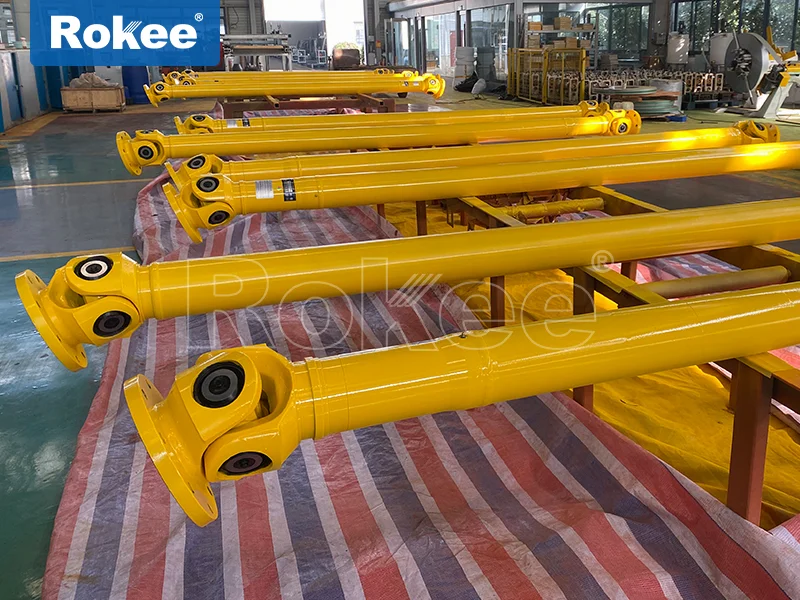
To delve into the essence of pump couplings, it is first critical to examine their core structural principles and the performance attributes that define their functionality, as these elements form the foundation for differentiating between coupling types and matching them to suitable uses. Structurally, nearly all pump couplings consist of two primary hub components that attach to the pump and driver shafts, respectively, paired with a connecting element that bridges the gap between these hubs. The design of this connecting element is the defining feature that separates one coupling category from another, as it directly shapes the coupling’s ability to handle misalignment, transmit torque, dampen vibration, and withstand operational stresses. Shaft misalignment, a common and unavoidable issue in pumping systems, arises from multiple sources: imperfect installation, foundation settling over time, thermal expansion and contraction of shafts and housing components, and dynamic movement during operation. There are three primary forms of misalignment that pump couplings must address: angular misalignment, where the two shafts intersect at an angle; parallel misalignment, where the shafts run parallel but are offset radially; and axial misalignment, which involves longitudinal movement of the shafts along their central axis. A coupling’s performance in mitigating these misalignments is measured by its flexibility, torque capacity, torsional stiffness, backlash, and resistance to fatigue, heat, and environmental contaminants. High-performance couplings balance efficient torque delivery with the ability to accommodate misalignment without transferring excessive stress to bearings, seals, and shaft surfaces, while also reducing noise and vibration that can degrade system stability. Additionally, material selection plays a pivotal role in structural integrity and performance; common materials include various grades of steel, cast iron, aluminum, and engineered elastomers, each offering distinct advantages in strength, flexibility, corrosion resistance, and durability under specific operating conditions. Rigid materials like carbon steel provide exceptional torque transmission and structural rigidity, while elastomers such as rubber, polyurethane, and neoprene deliver superior flexibility, vibration damping, and shock absorption. The interplay of structural design and material properties ultimately determines a coupling’s suitability for low-speed, high-torque applications, high-speed precision operations, corrosive environments, or heavy-duty continuous use.
Pump couplings are broadly categorized into two primary groups based on their structural flexibility and functional capabilities: rigid couplings and flexible couplings. Within these overarching groups, numerous specialized subtypes exist, each engineered with unique structural features to excel in distinct operational environments. Rigid pump couplings, as the name suggests, are designed to create a solid, inflexible connection between the pump and driver shafts, with no provision for accommodating misalignment or absorbing vibration. Structurally, rigid couplings typically feature a one-piece or two-piece sleeve, flanged hubs, or clamped design that locks the two shafts into perfect coaxial alignment, ensuring direct and efficient torque transfer with minimal power loss. Common rigid coupling designs include sleeve couplings, flange couplings, and clamped rigid couplings, all characterized by their simple, robust construction and absence of moving or flexible components. Sleeve couplings consist of a cylindrical sleeve that fits over the mating ends of both shafts, secured with keys or set screws to prevent rotational slippage, making them ideal for applications where space is limited and alignment can be precisely maintained. Flange couplings feature two flanged hubs attached to each shaft, bolted tightly together to form a rigid union, offering exceptional torque capacity for heavy-duty, fixed-shaft setups. The performance profile of rigid couplings is defined by high torsional stiffness, zero backlash, and maximum torque transmission efficiency, making them suitable for systems where precise shaft alignment is achievable and maintained throughout operation. However, their lack of flexibility means they cannot compensate for even minor misalignment, which can lead to rapid wear on bearings and seals, increased vibration, and catastrophic failure if alignment drifts. Rigid couplings also transmit all operational vibration and shock loads from the driver to the pump and vice versa, making them unsuitable for applications with dynamic loads or environmental factors that cause shaft movement. Due to these traits, rigid couplings are reserved for specialized pumping setups where stability, precision, and maximum power transfer are prioritized over misalignment tolerance.
In contrast, flexible pump couplings are the most widely used category across diverse pumping applications, thanks to their ability to balance efficient torque transmission with the capacity to accommodate misalignment, dampen vibration, and absorb shock loads. Flexible couplings incorporate a dedicated flexible element—either metallic or elastomeric—into their structure, which acts as a buffer between the two hubs to absorb minor shaft deviations and reduce stress transmission. This flexible component is the heart of the coupling’s design, and its material and configuration give rise to several distinct subtypes, each with unique performance characteristics tailored to specific operational needs. Elastomeric flexible couplings are among the most prevalent, utilizing rubber, polyurethane, or other synthetic polymer elements to deliver exceptional flexibility, vibration damping, and noise reduction. Common elastomeric coupling designs include jaw couplings, sleeve couplings, and pin-and-bush couplings, each featuring a soft, resilient element that flexes to accommodate angular, parallel, and axial misalignment. Jaw couplings, for instance, feature two toothed metal hubs with a star-shaped elastomer spider positioned between them; the spider compresses and flexes under load to absorb misalignment and shock, while the toothed hubs ensure reliable torque transfer. These couplings are lightweight, easy to install and maintain, require no lubrication, and offer excellent resistance to mild chemicals and environmental moisture, making them a versatile choice for general-purpose pumping. Elastomeric couplings excel in low-to-medium torque applications, providing effective vibration isolation that protects pump and driver components from fatigue damage, though they are less suitable for extreme temperatures or high-torque, heavy-duty operations due to the limited durability of elastomeric materials under prolonged stress.
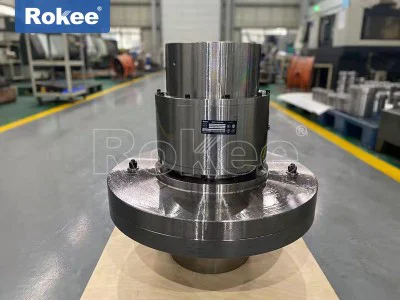
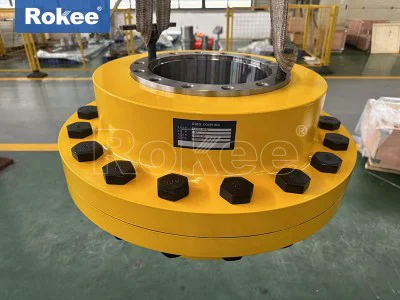
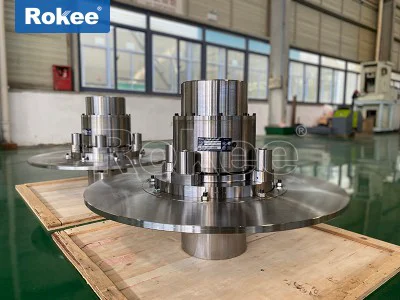
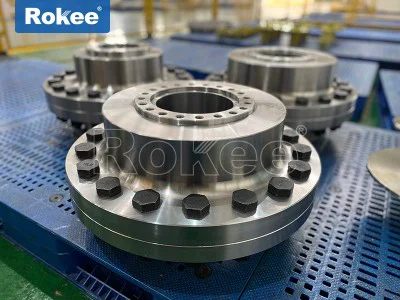
Metallic flexible couplings represent another key subtype within the flexible coupling category, engineered with thin metal discs, grids, or gear teeth as the flexible element, offering a balance of flexibility, high torque capacity, and durability for demanding industrial applications. Unlike elastomeric couplings, metallic flexible variants can withstand higher temperatures, heavier loads, and more harsh operating conditions while still accommodating moderate levels of misalignment. Gear couplings, a robust metallic flexible option, feature curved gear teeth on the inner diameter of the hubs that mesh with a sleeve gear, allowing for limited angular and axial movement while transmitting extremely high torque levels. These couplings are built for heavy-duty, continuous operation, making them suitable for large industrial pumps, but they require regular lubrication to prevent wear and ensure smooth meshing of gear teeth, adding to maintenance requirements. Grid couplings utilize a resilient metal grid spring that fits into slots on both hubs, flexing to absorb shock loads and misalignment while providing high torque density and excellent vibration damping. The grid design distributes stress evenly across the flexible element, enhancing fatigue resistance and extending service life in applications with frequent starts, stops, and load fluctuations. Disc couplings, another premium metallic flexible option, feature stacks of thin, high-strength metal discs connected between the hubs, offering zero backlash, high torsional stiffness, and precise torque transmission alongside the ability to accommodate misalignment. These couplings are ideal for high-speed pumping applications, precision fluid transfer systems, and environments where lubrication is impractical, as they require minimal maintenance and deliver consistent performance over extended periods. While metallic flexible couplings offer superior strength and durability compared to elastomeric models, they typically provide less vibration damping and have a more limited misalignment capacity, requiring more precise initial alignment than their elastomeric counterparts.
Beyond rigid and standard flexible couplings, specialized pump coupling designs have emerged to address unique operational challenges that conventional couplings cannot resolve, expanding the range of applications for pumping systems across critical industries. One such specialized type is the magnetic coupling, a non-contact coupling that transmits torque through magnetic fields rather than physical mechanical connection. Structurally, magnetic couplings consist of an outer drive magnet assembly attached to the driver shaft and an inner driven magnet assembly attached to the pump shaft, separated by a hermetically sealed containment shell. This contactless design eliminates the need for a mechanical shaft seal, a common point of failure in pumps handling hazardous, toxic, or corrosive fluids, as it prevents fluid leakage and contamination entirely. Magnetic couplings offer maintenance-free operation, as there is no physical wear between moving parts, and they provide inherent overload protection—if the pump experiences excessive backpressure or a jam, the magnetic coupling will slip without damaging the driver or pump components. While magnetic couplings have lower torque capacity compared to similarly sized mechanical couplings, their leak-proof design makes them indispensable for pumping applications involving volatile chemicals, radioactive fluids, high-purity substances, or toxic materials where even minor leaks pose significant safety or environmental risks. Another specialized variant is the fluid coupling, a hydrodynamic coupling that uses a viscous fluid medium to transmit torque between the pump and driver. Fluid couplings feature a pump impeller and a turbine runner enclosed in a sealed housing filled with hydraulic fluid; the rotating impeller accelerates the fluid, which then drives the turbine, transferring power smoothly and gradually. This design provides soft start-up capabilities, reducing mechanical shock to the system during motor initiation, and offers torque control and overload protection by slipping under excessive loads. Fluid couplings are particularly well-suited for large, high-inertia pumping systems where sudden starts could damage shafts, gears, or pump internals, as well as applications requiring variable speed operation without complex control systems.
The practical applications of pump couplings span every industry that relies on fluid handling, with each coupling type selected based on the specific structural and performance demands of the pumping system. Rigid couplings find their niche in applications where absolute shaft alignment is achievable and maintained, such as vertical turbine pumps, in-line close-coupled pumps, and precision industrial pumping setups in controlled environments. These couplings are commonly used in small-scale residential water pumps, commercial heating and cooling systems with compact, fixed pump-motor assemblies, and specialized industrial processes requiring precise, backlash-free torque transmission. Their simple, low-maintenance design also makes them suitable for stationary pumping systems with minimal thermal expansion or foundation movement, where the risk of misalignment is negligible. Elastomeric flexible couplings, due to their versatility, affordability, and ease of use, are the go-to choice for the vast majority of general-purpose pumping applications. They are extensively employed in municipal water and wastewater treatment facilities, agricultural irrigation pumps, residential and commercial HVAC systems, industrial water circulation, and light-duty chemical transfer pumps. Their ability to dampen vibration and absorb shock makes them ideal for systems with variable loads, frequent cycling, or less-than-perfect shaft alignment, reducing wear on bearings and seals and lowering overall maintenance costs for medium-scale operations.
Metallic flexible couplings, with their high torque capacity and robust construction, dominate heavy-duty industrial pumping applications across sectors such as oil and gas, mining, power generation, and large-scale manufacturing. Gear couplings are regularly deployed in crude oil transfer pumps, pipeline booster pumps, and heavy-duty slurry pumps, where extreme torque transmission and durability are non-negotiable. Grid couplings excel in industrial process pumps, mine dewatering pumps, and power plant cooling water pumps, offering reliable performance under continuous heavy loads and absorbing the shock loads common in these harsh environments. Disc couplings, with their high-speed capability and precision, are the preferred choice for high-performance pumping systems, including chemical processing pumps, pharmaceutical fluid transfer pumps, aerospace test rig pumps, and high-pressure water jetting systems, where accurate torque delivery, minimal backlash, and low maintenance are critical. Specialized magnetic couplings have carved out an essential role in industries where fluid containment is paramount, including chemical manufacturing, pharmaceutical production, food and beverage processing, and petrochemical refining. They are used in pumps handling corrosive acids, toxic solvents, high-purity ingredients, and volatile hydrocarbons, ensuring zero leakage and compliance with strict safety and environmental standards. Fluid couplings, meanwhile, are widely utilized in large-scale pumping operations such as municipal water supply pumps, sewage treatment pumps, marine ballast pumps, and industrial slurry pumps, providing smooth start-ups and protecting oversized pump systems from damage during high-load operation.
Selecting the optimal pump coupling for a given application requires a holistic assessment of multiple factors, including torque requirements, operating speed, shaft misalignment potential, environmental conditions, maintenance capabilities, and system longevity goals. A coupling that performs exceptionally well in one scenario may fail prematurely in another if its structural and performance traits do not align with operational demands. For example, an elastomeric coupling used in a high-temperature, heavy-torque oil refinery pump will degrade rapidly, while a rigid coupling installed in a wastewater pump with inherent shaft misalignment will cause catastrophic bearing failure. Proper coupling selection not only ensures efficient torque transmission and misalignment management but also reduces operational downtime, lowers maintenance expenses, and extends the service life of the entire pumping system. As fluid handling technology continues to evolve, pump coupling designs are also advancing, with new materials and structural innovations emerging to enhance performance, durability, and adaptability. Engineers and system designers must stay attuned to these advancements, continually evaluating coupling options to match the evolving demands of modern pumping applications. In every pumping system, regardless of size or industry, the pump coupling remains a cornerstone component—one that, when chosen and installed correctly, ensures seamless operation, protects valuable equipment, and supports the reliable flow of fluids that underpins global industrial, commercial, and residential infrastructure.
In summary, pump couplings are far more than passive connecting components; they are precision-engineered solutions that integrate structural resilience, targeted performance, and functional adaptability to meet the diverse needs of fluid handling systems. The distinction between rigid and flexible couplings, and the myriad subtypes within each category, provides a comprehensive toolkit for addressing every operational challenge, from basic torque transmission to complex misalignment mitigation and hazardous fluid containment. Each coupling type’s structural design directly dictates its performance capabilities, with rigid models prioritizing precision and power transfer, elastomeric flexible couplings emphasizing versatility and vibration control, metallic flexible couplings offering strength and durability, and specialized variants addressing unique safety and operational needs. Across residential, commercial, industrial, and specialized sectors, the right pump coupling acts as a vital safeguard, optimizing system efficiency, minimizing wear and tear, and ensuring uninterrupted fluid movement. As the backbone of reliable pumping operations, pump couplings will continue to play a pivotal role in the functionality of fluid systems worldwide, with ongoing innovation in materials and design further enhancing their performance and expanding their applicability across emerging industrial landscapes.
Coupling Categories

Links:
Related Articles
- Oct 8, 2026Gear Coupling For Pump
- Aug 19, 2026Drum Gear Coupling For Pump
- Aug 10, 2026Teeth Coupling For Hydraulic Oil Pump