Safety Couplings
In the intricate landscape of mechanical power transmission systems, safety couplings stand as indispensable protective components that bridge the gap between efficient torque delivery and reliable equipment safeguarding. Unlike standard couplings designed solely to transmit rotational force and accommodate minor shaft misalignments, safety couplings integrate specialized overload protection mechanisms, acting as a critical fail-safe for drive trains across countless industrial and mechanical applications. These components are engineered to detect excessive torque loads—whether caused by sudden jams, operational errors, mechanical malfunctions, or unexpected resistance—and either disengage the drive temporarily, limit torque transmission, or trigger a controlled break in power flow, preventing catastrophic damage to motors, gearboxes, shafts, gears, and other vital drive elements. By mitigating the risk of costly downtime, component failure, and workplace hazards, safety couplings have evolved from supplementary parts to core elements in modern mechanical design, tailored to meet diverse operational demands, environmental conditions, and performance thresholds across light-duty precision setups to heavy-duty industrial machinery.
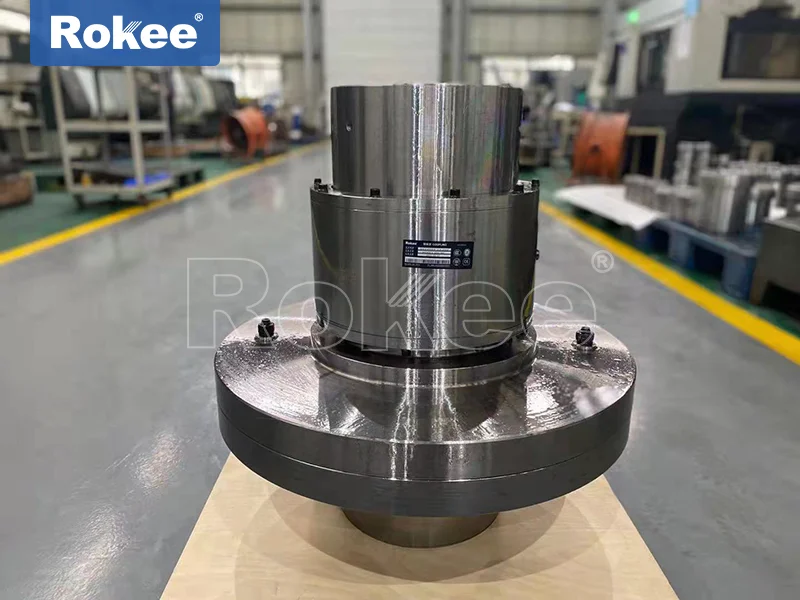
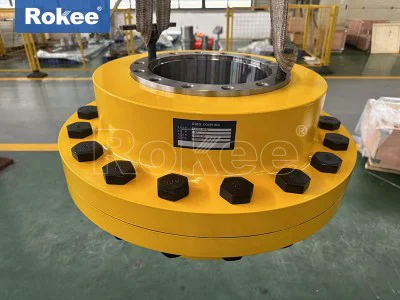
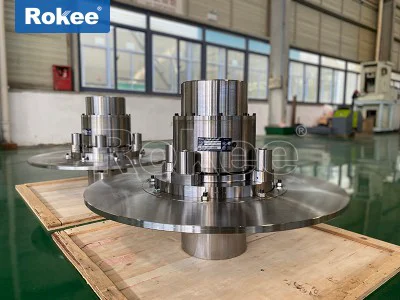
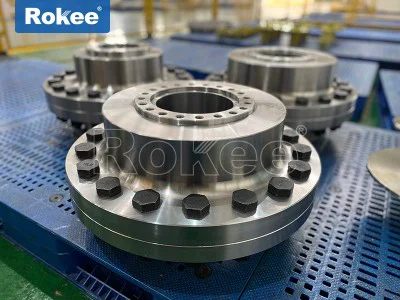
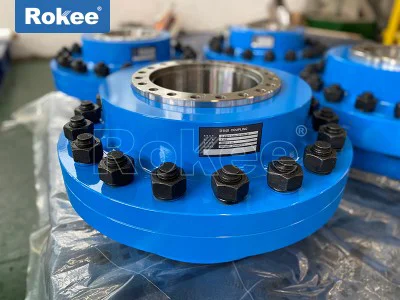
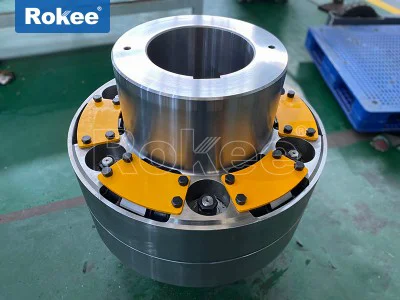
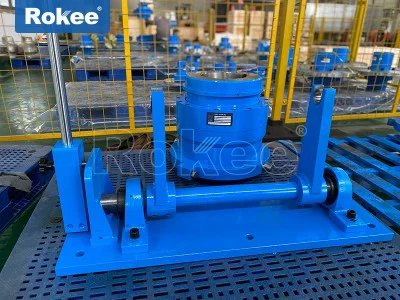
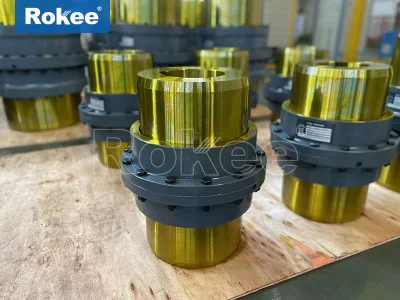
The structural design of safety couplings is rooted in balancing robust torque transmission during normal operation and rapid, predictable response under overload conditions, with every component crafted to fulfill this dual purpose. At its most fundamental level, a typical safety coupling consists of two primary hub assemblies—one attached to the driving shaft and the other to the driven shaft—connected by a specialized torque-limiting or disengagement mechanism that serves as the heart of the unit. This central mechanism varies widely across designs but generally incorporates precision-engineered elements such as friction surfaces, shear components, spring-loaded detents, magnetic interfaces, or hydraulic chambers, each calibrated to activate at a pre-set torque threshold. Many safety couplings also feature auxiliary components to enhance functionality, including alignment sleeves to compensate for radial, angular, or axial shaft misalignment, damping inserts to absorb vibration and shock loads, and reset mechanisms to restore operation once the overload condition is resolved. The materials selected for these structures are carefully chosen to optimize durability, wear resistance, and mechanical stability: high-grade alloy steels are commonly used for load-bearing hubs and torque-sensitive components to withstand repeated stress and heavy torque loads, while heat-treated metals, engineered polymers, and friction-enhanced composites are employed for the critical overload elements to ensure consistent performance and long service life. The overall structural profile is often compact and modular, allowing seamless integration into existing drive trains without extensive modifications, with designs ranging from rigid, low-backlash configurations for high-precision equipment to flexible, shock-absorbent variants for heavy industrial use.
Performance is the defining attribute of safety couplings, with key metrics that dictate their suitability for specific applications and reliability in real-world operation. The core performance characteristic is torque regulation, encompassing rated torque capacity—the maximum torque the coupling can transmit continuously under normal operating conditions—and disengagement or slip torque—the precise threshold at which the protective mechanism activates. High-quality safety couplings offer exceptional torque accuracy, activating consistently at the set load without false triggers or delayed responses, a critical feature for protecting sensitive precision equipment and heavy machinery alike. Response time is another vital performance metric; top-tier safety couplings actuate within milliseconds of exceeding the torque limit, minimizing the transfer of destructive force to downstream components and preventing cascading damage throughout the drive train. Durability and wear resistance are equally paramount, as safety couplings must endure repeated overload cycles, constant rotational stress, and exposure to diverse environmental factors such as temperature fluctuations, moisture, dust, and chemical contaminants without compromising performance. Units designed for heavy-duty use exhibit high fatigue resistance, avoiding deformation or failure under cyclic loading, while those for precision applications maintain zero backlash and consistent torque delivery to preserve operational accuracy. Additional performance traits include ease of reset, with some models offering automatic re-engagement once the overload is cleared to reduce downtime, and others requiring manual reset for enhanced safety in high-risk environments. Many safety couplings also feature low maintenance requirements, with sealed designs to prevent contamination and reduce the need for frequent lubrication or part replacements, further boosting operational efficiency and cost-effectiveness over the component’s lifespan.
Safety couplings are categorized into distinct types based on their core overload protection mechanism, each with unique structural traits, performance profiles, and ideal use cases, ensuring versatility across an extensive range of mechanical systems. One of the most prevalent types is the friction-type safety coupling, which relies on compressed friction plates or discs held together by adjustable spring preload to transmit torque. Under normal operation, the friction surfaces lock together to transfer rotational force seamlessly, but when torque exceeds the set limit, the plates slip against each other, disengaging the drive without damaging internal components. This type offers reusable operation, smooth torque limiting, and adjustable slip torque, making it suitable for applications requiring frequent overload protection and minimal downtime. Another widely used variant is the shear-pin safety coupling, a simple yet highly reliable design featuring precision-engineered shear pins or keys that connect the driving and driven hubs. These pins are calibrated to shear cleanly at a specific torque load, instantly breaking the power transmission path to shield equipment; while this type requires pin replacement after activation, it boasts a straightforward structure, high load capacity, and consistent actuation, ideal for heavy-duty setups where catastrophic overload prevention is critical. Ball-detent safety couplings feature spring-loaded steel balls seated in precision-machined grooves on the two hubs, creating a rigid, backlash-free connection during normal operation. When overload occurs, the balls dislodge from the grooves, separating the hubs and halting torque transfer, with quick manual or automatic reset capabilities and precise torque control, perfect for high-precision machinery and automated production lines.
Magnetic safety couplings represent a non-contact, wear-free alternative, utilizing permanent magnets or electromagnetic force to create a torque-transmitting bond between the driving and driven components without physical contact. These couplings disengage smoothly when torque exceeds the set limit, with no friction wear or mechanical fatigue, making them ideal for cleanroom environments, high-precision instrumentation, and applications requiring minimal maintenance and contamination control. Hydraulic or fluid-filled safety couplings operate using pressurized hydraulic fluid to transmit torque, with a pressure-sensitive valve that releases fluid and disengages the drive under overload; this design offers ultra-smooth torque regulation, high shock absorption, and adjustable torque settings, suited for large-scale industrial machinery, heavy conveyors, and equipment subjected to extreme shock loads. Toothed safety couplings combine the high torque capacity of gear couplings with integrated overload protection, featuring interlocking teeth that transmit torque efficiently and a built-in shear or friction mechanism that activates under overload, delivering robust performance for heavy-duty industrial drives, mining equipment, and construction machinery. Elastomer-insert safety couplings merge flexible misalignment compensation with torque limiting, using durable elastomer blocks to transmit torque and absorb vibration, with the elastomer compressing or disengaging under overload; these are ideal for light to medium-duty applications, small machinery, and systems with significant shaft misalignment and vibration issues. Each type is engineered to address specific operational challenges, with variations in size, torque capacity, reset functionality, and environmental resistance to align with the unique needs of diverse mechanical systems.
The versatility of safety couplings is reflected in their widespread use across nearly every industry that relies on mechanical power transmission, with applications tailored to the unique performance and protection demands of each sector. In manufacturing and automated production lines, safety couplings are integral to robotic arms, conveyor systems, assembly machinery, and material handling equipment, preventing damage from jams, misfeeds, or unexpected obstructions and ensuring uninterrupted production flow. The machine tool industry relies heavily on these components to protect high-precision CNC machines, milling machines, lathes, and grinding equipment, safeguarding delicate spindles, gears, and cutting tools from overload damage and maintaining machining accuracy. Packaging and printing machinery utilize friction-type and ball-detent safety couplings to prevent tearing, jamming, or mechanical failure during wrapping, sealing, labeling, and printing processes, where consistent, gentle torque delivery and rapid overload response are critical. In the agricultural sector, shear-pin and heavy-duty friction safety couplings protect tractors, harvesters, conveyors, and irrigation equipment from damage caused by rocks, debris, or overloading, ensuring reliable operation in rugged outdoor conditions.
Heavy industries such as mining, construction, and steel production depend on robust hydraulic and toothed safety couplings to shield large-scale equipment including crushers, conveyors, excavators, rolling mills, and tunnel boring machines from extreme torque loads and shock impacts, reducing costly repairs and downtime in harsh operating environments. The energy sector, including wind turbines, power generation equipment, and pump systems, uses safety couplings to protect gearboxes, generators, and drive shafts from overload caused by sudden load fluctuations or mechanical faults, enhancing the reliability and longevity of critical energy infrastructure. Marine and offshore applications utilize corrosion-resistant safety couplings to protect shipboard machinery, propulsion systems, and offshore drilling equipment, withstanding saltwater exposure, moisture, and heavy operational loads while preventing drive train failure in remote marine environments. Transportation and automotive manufacturing rely on these components for assembly line machinery, test equipment, and vehicle drive systems, ensuring worker safety and equipment protection during production and testing. Additionally, safety couplings find use in small-scale precision equipment such as medical devices, laboratory instrumentation, and small industrial motors, where compact size, zero backlash, and sensitive overload protection are essential to preserve precision and prevent component damage.
Beyond their primary role in overload protection, safety couplings deliver secondary benefits that elevate overall system performance and operational efficiency. They reduce maintenance costs by minimizing wear and tear on critical drive train components, extending the service life of motors, gearboxes, and shafts and lowering the frequency of repairs and replacements. By preventing unexpected equipment failures, these couplings also reduce production downtime, a key advantage in high-volume industrial settings where even short interruptions can result in significant financial losses. Safety couplings also enhance workplace safety by eliminating the risk of mechanical failure, flying debris, or equipment rupture caused by excessive torque loads, creating a safer operating environment for workers across all industries. As mechanical engineering continues to advance, the design and functionality of safety couplings evolve alongside it, with ongoing innovations focusing on enhanced torque accuracy, faster response times, smarter integration with automated monitoring systems, and improved adaptability to emerging industrial technologies. From compact precision setups to massive heavy-duty machinery, safety couplings remain a cornerstone of reliable, safe, and efficient mechanical power transmission, proving their value as essential components that balance performance and protection in every application they serve.
In summary, safety couplings are far more than mere connecting components in mechanical drive trains; they are precision-engineered safety solutions that harmonize efficient torque transmission, reliable overload protection, and long-term durability. Their diverse structural designs cater to a broad spectrum of performance needs, while their varied types ensure compatibility with every conceivable operational scenario, from light-duty precision tasks to heavy industrial operations. The critical role they play in protecting equipment, reducing downtime, and enhancing workplace safety solidifies their status as indispensable elements in modern mechanical design. As industrial processes become more automated, precise, and demanding, the importance of selecting the right safety coupling—tailored to the specific torque requirements, environmental conditions, and operational goals of a system—cannot be overstated. Whether in manufacturing, agriculture, energy, construction, or precision engineering, safety couplings continue to deliver unwavering protection, ensuring that mechanical systems operate smoothly, safely, and efficiently even in the face of unexpected challenges and overload conditions.