Lamina Couplings
In the realm of mechanical power transmission, the lamina coupling stands as a pivotal and versatile component, engineered to bridge rotating shafts while addressing misalignment, transmitting torque efficiently, and dampening minor vibrations without compromising operational stability. Unlike conventional coupling designs that rely on friction, gear meshing, or elastomeric materials for flexibility, the lamina coupling operates through the controlled elastic deformation of thin, high-strength metal laminates, making it a preferred choice across diverse industrial sectors that demand precision, durability, and low maintenance.

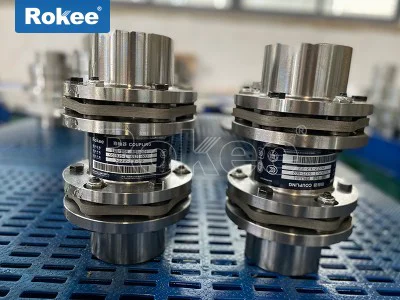
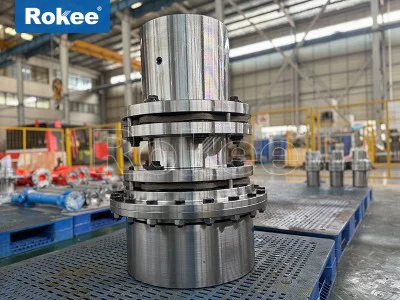
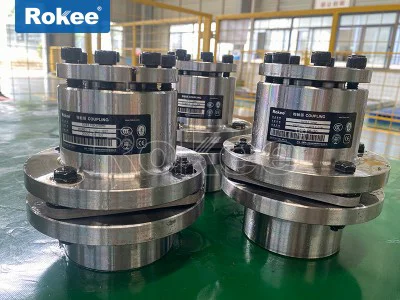
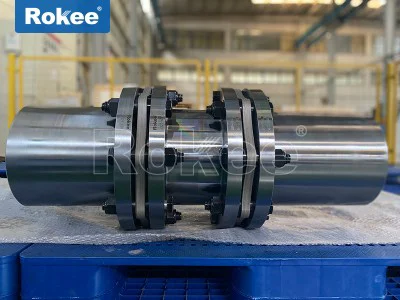
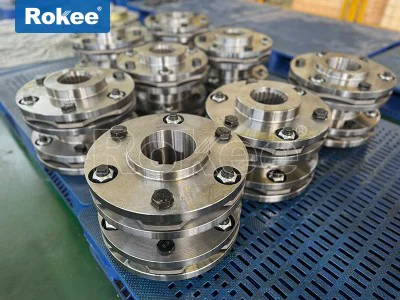
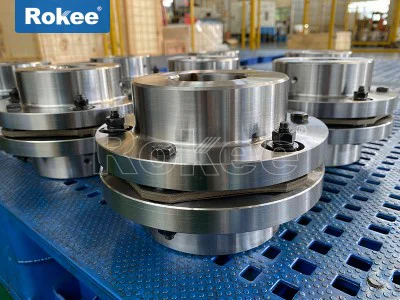
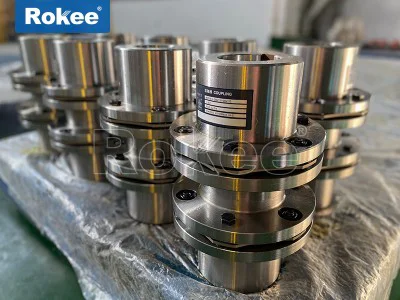
At its core, the lamina coupling features a streamlined yet robust structural composition, consisting of three primary elements: laminated metal disc packs, rigid hubs, and high-tensile fastening hardware. The laminated disc packs, the heart of the coupling, are fabricated from multiple layers of thin, precision-stamped metal sheets—typically high-grade alloy steel or stainless steel—stacked together to form a flexible yet torsionally rigid unit. These laminates are engineered to withstand cyclic bending and tensile stresses generated during torque transmission and shaft misalignment, without permanent deformation or fatigue failure over extended service life. The hubs, machined from solid high-strength metal alloys, serve as the connection interface between the coupling and the drive and driven shafts, ensuring a secure, concentric fit that minimizes runout and power loss. Fastening components, including precision bolts and washers, clamp the laminate packs firmly between the hubs, creating a rigid torque transmission path while allowing the laminates to flex dynamically to accommodate shaft offsets. The absence of moving parts, sliding surfaces, or lubrication-dependent mechanisms in this structure eliminates wear, friction, and the need for routine maintenance, a defining trait that enhances its operational reliability in demanding environments.
The performance characteristics of lamina couplings are shaped directly by their structural design, delivering a unique blend of torsional rigidity, misalignment compensation, and environmental resilience. One of the most prominent performance attributes is zero backlash operation, a critical feature for precision-driven applications where positional accuracy and synchronous rotation are non-negotiable. Unlike gear or jaw couplings that exhibit inherent backlash due to clearances between mating components, lamina couplings maintain a rigid torque transfer with no lost motion, ensuring that rotational speed and torque are transmitted instantaneously and accurately between shafts. This zero-backlash trait also reduces stress on connected equipment, such as bearings and gearboxes, prolonging the service life of entire drive systems.
Torsional stiffness is another key performance metric, tailored by the number, thickness, and material composition of the metal laminates. Lamina couplings offer high torsional rigidity, resisting torsional windup during torque transmission and maintaining consistent speed synchronization even under fluctuating load conditions. This rigidity does not come at the cost of flexibility, however; the laminate structure is engineered to compensate for multiple forms of shaft misalignment simultaneously, including angular, radial, and axial offsets. Angular misalignment, caused by non-parallel shaft axes, is accommodated through the bending of the laminate packs, with typical angular compensation capacities ranging from moderate to elevated levels depending on the design. Radial misalignment, stemming from lateral shaft displacement, is addressed by the combined flexure of the laminates, which absorb lateral shifts without imposing excessive radial loads on shaft bearings. Axial misalignment, resulting from shaft endplay or thermal expansion, is managed through the axial flexibility of the laminate stack, preventing binding or excessive thrust loads on connected machinery. This multi-axis misalignment compensation capability makes lamina couplings highly adaptable to imperfect installation conditions, where perfect shaft alignment is difficult to achieve or maintain over time.
Environmental durability further elevates the performance profile of lamina couplings, enabling operation in extreme conditions that would degrade or disable other coupling types. Constructed from corrosion-resistant and temperature-stable metal alloys, lamina couplings withstand wide temperature fluctuations, from sub-zero cold to high heat, without compromising material integrity or functional performance. They resist degradation from exposure to oils, chemicals, moisture, and abrasive particulates, making them suitable for harsh industrial settings such as manufacturing plants, mining operations, and marine environments. Additionally, the all-metal construction offers excellent fatigue resistance, enduring millions of cyclic load cycles without cracking or failure, ensuring long-term operational stability and reducing downtime associated with component replacement. Unlike elastomeric couplings that harden, crack, or deteriorate over time, lamina couplings retain their flexibility and performance characteristics throughout their service life, providing a cost-effective, long-lasting power transmission solution.
Lamina couplings are categorized into distinct varieties based on structural design, misalignment capacity, torque handling capabilities, and application-specific adaptations, each engineered to meet unique operational requirements. The most fundamental classification distinguishes between single lamina pack designs and dual lamina pack designs, each with distinct performance profiles suited for different use cases. Single lamina pack couplings feature a single set of metal laminates connecting the two hubs, offering a compact, lightweight profile with high torsional rigidity and moderate misalignment compensation. This design is ideal for applications with limited installation space, low to moderate torque loads, and minimal shaft misalignment, such as small-scale industrial machinery, precision instrumentation, and light-duty pump systems. The compact footprint of single lamina pack designs also makes them suitable for high-speed rotational applications, where reduced mass minimizes centrifugal forces and imbalance-related vibration.
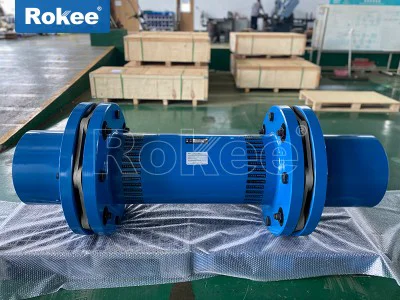
Dual lamina pack couplings, also referred to as double-disc couplings, incorporate two separate laminate packs linked by an intermediate spacer or sleeve, creating a longer, more flexible coupling assembly. This design significantly enhances misalignment compensation capabilities, particularly for angular and radial offsets, and increases torque transmission capacity compared to single lamina pack variants. The intermediate spacer isolates the two laminate packs, allowing each to flex independently to accommodate greater misalignment while maintaining high torsional rigidity. Dual lamina pack couplings are engineered for medium to heavy-duty applications, handling higher torque loads and larger shaft offsets, making them suitable for industrial equipment such as centrifugal pumps, fans, compressors, and conveyor systems. The extended length of this design also helps to reduce vibration transfer between drive and driven components, further protecting connected machinery from excessive wear.
Beyond single and dual pack designs, lamina couplings are further segmented by torque capacity, spanning low-torque precision models, medium-torque general-purpose variants, and high-torque heavy-duty configurations. Low-torque lamina couplings feature thinner, fewer laminates and compact hubs, optimized for precision motion control systems, small electric motors, and instrumentation where minimal power loss and maximum positional accuracy are critical. These couplings prioritize lightweight construction and zero backlash over high torque handling, ensuring smooth, precise rotation in delicate applications. Medium-torque general-purpose lamina couplings strike a balance between flexibility, rigidity, and torque capacity, serving as a versatile solution for a broad range of standard industrial machinery, including material handling equipment, small to medium-sized pumps, and machine tool drives. They offer robust misalignment compensation and reliable torque transmission for everyday industrial operations, delivering consistent performance without specialized design requirements. High-torque heavy-duty lamina couplings are engineered with thicker, reinforced laminate stacks, oversized hubs, and heavy-duty fastening hardware, capable of transmitting extremely high torque loads in heavy industrial settings. These couplings are built to withstand extreme operational stresses, making them suitable for large-scale processing equipment, mining machinery, power generation systems, and heavy mechanical drives where torque demands are substantial and misalignment is significant.
Specialized lamina coupling variants are also available to address niche operational requirements, further expanding their versatility. Some designs feature modified laminate geometries to enhance specific performance traits, such as increased axial flexibility for applications with extensive thermal expansion, or enhanced torsional damping for systems with high vibration levels. Corrosion-resistant variants, constructed entirely from stainless steel or other corrosion-proof alloys, are tailored for marine, chemical processing, and offshore applications where exposure to saltwater, chemicals, or moisture is constant. High-speed precision lamina couplings undergo dynamic balancing to minimize vibration at elevated rotational speeds, making them suitable for turbomachinery, high-speed spindles, and other high-RPM equipment. Additionally, custom-configured lamina couplings can be adapted to fit non-standard shaft sizes, unique installation spaces, or specialized operational conditions, ensuring compatibility with a vast array of mechanical drive systems.
The exceptional combination of structural integrity, performance versatility, and low-maintenance operation positions lamina couplings as indispensable components across countless industrial and commercial applications. In the manufacturing and machining sector, lamina couplings are widely integrated into machine tools, CNC equipment, robotic assemblies, and precision motion control systems, where zero backlash, high positional accuracy, and reliable torque transmission are essential for producing tight-tolerance components. Their ability to maintain precise rotation without wear or backlash ensures consistent machining quality and reduces downtime for calibration or component replacement, boosting overall production efficiency.
In the fluid processing and pumping industry, lamina couplings serve as critical connections between electric motors and pumps, including centrifugal pumps, chemical pumps, and hydraulic pumps. Their resistance to oil and chemical degradation, coupled with excellent misalignment compensation, makes them ideal for pumping systems that handle a wide range of fluids, from water and lubricants to corrosive chemicals. The maintenance-free design eliminates the need for lubrication or upkeep in remote or hard-to-access pump installations, reducing operational costs and enhancing system reliability in water treatment plants, chemical processing facilities, and industrial fluid handling systems.
The energy and power generation sector relies heavily on lamina couplings for various critical applications, including generator drives, turbine systems, and renewable energy equipment. Their high torque capacity, temperature resistance, and fatigue durability make them suitable for continuous-duty power transmission in conventional power plants, while their corrosion resistance and robust construction suit them for wind turbine drives and other renewable energy systems. Lamina couplings ensure efficient power transfer between rotating components in these systems, minimizing energy loss and maintaining stable operation even under variable load conditions.
Mining, construction, and heavy machinery industries utilize heavy-duty lamina couplings to withstand the extreme loads, vibration, and harsh environmental conditions inherent to these sectors. From crushing equipment and conveyor systems to construction machinery and material handling drives, these couplings deliver reliable torque transmission and misalignment compensation in rugged, high-stress environments. Their all-metal construction resists wear from dust, debris, and heavy loads, providing long service life and reducing maintenance needs in remote mining sites and construction projects.
Additional applications span marine and offshore engineering, aerospace support systems, food and beverage processing, and pharmaceutical manufacturing. In marine settings, corrosion-resistant lamina couplings power propulsion systems, winches, and onboard machinery, enduring saltwater exposure and harsh maritime conditions. In food and pharmaceutical processing, where hygiene and clean operation are critical, the non-lubricated, low-contamination design of lamina couplings makes them suitable for equipment that must adhere to strict sanitary standards. Across all these sectors, the core advantages of lamina couplings—zero backlash, high rigidity, misalignment compensation, environmental durability, and maintenance-free operation—consistently deliver value by improving system efficiency, reducing downtime, and extending the service life of connected mechanical components.
As industrial technology continues to advance toward higher precision, greater efficiency, and more demanding operational conditions, the role of lamina couplings in power transmission systems remains indispensable. Ongoing advancements in material science and manufacturing engineering further refine lamina coupling design, enhancing torque capacity, misalignment compensation, and fatigue resistance to meet evolving industrial needs. Unlike conventional coupling solutions that struggle to balance rigidity and flexibility, lamina couplings masterfully integrate these traits, offering a reliable, versatile, and cost-effective solution for nearly every power transmission application. Whether deployed in delicate precision machinery or heavy-duty industrial equipment, lamina couplings consistently deliver stable, efficient, and maintenance-free performance, solidifying their status as a cornerstone component in modern mechanical engineering and power transmission systems.