PU Sandwich Panel Production Line Is Equipped With Barrel Gear Coupling With Stronger Adaptability
In the modern manufacturing industry, the production of PU sandwich panels has become an indispensable part of the construction and industrial fields, thanks to their excellent thermal insulation, sound insulation, and structural stability. The PU sandwich panel production line, as the core equipment for realizing mass and high-quality production of such panels, relies heavily on the stability and coordination of each component to ensure continuous and efficient operation. Among all the key components of the production line, the coupling plays a crucial role as a connecting part between the motor and various working units, responsible for transmitting torque, compensating for shaft misalignment, and reducing vibration. In recent years, with the continuous improvement of production line automation, speed, and load capacity, the requirements for couplings have become increasingly strict. The barrel gear coupling, with its stronger adaptability, has gradually become the preferred choice for PU sandwich panel production lines, effectively solving the problems of poor adaptability, frequent maintenance, and short service life of traditional couplings in complex working environments.
To understand why the barrel gear coupling is highly suitable for PU sandwich panel production lines, it is first necessary to clarify the working characteristics and operational requirements of the production line itself. The PU sandwich panel production line is a continuous and automated production system that integrates multiple processes, including raw material unwinding, forming, foaming, laminating, cutting, and stacking. Each process is closely linked, and the coordination between different working units directly affects the production efficiency and product quality. The motor, as the power source of the production line, needs to transmit torque to various mechanisms such as the unwinding roller, forming roller, conveyor belt, and cutting machine through the coupling. During the operation process, the production line will inevitably encounter various factors that affect the stability of torque transmission, such as installation errors, thermal expansion and contraction of the shaft during operation, vibration generated by the operation of the motor and other equipment, and changes in load during the production process. These factors require the coupling to have strong adaptability, including the ability to compensate for various types of shaft misalignment, withstand large torque and impact load, resist wear and corrosion, and maintain stable operation in harsh working environments.
Traditional couplings, such as rigid couplings and elastic couplings, have obvious limitations in adapting to the working environment of PU sandwich panel production lines. Rigid couplings have no ability to compensate for shaft misalignment, and once there is an installation error or shaft deformation, it will cause additional stress on the motor, bearing, and other components, leading to premature wear and failure of the equipment. Elastic couplings, although they can compensate for a certain degree of misalignment and reduce vibration, have poor load-bearing capacity and are easily damaged under high torque and long-term continuous operation, which cannot meet the needs of large-scale and high-intensity production of PU sandwich panels. In contrast, the barrel gear coupling has significant advantages in adaptability, which is closely related to its unique structural design and working principle.
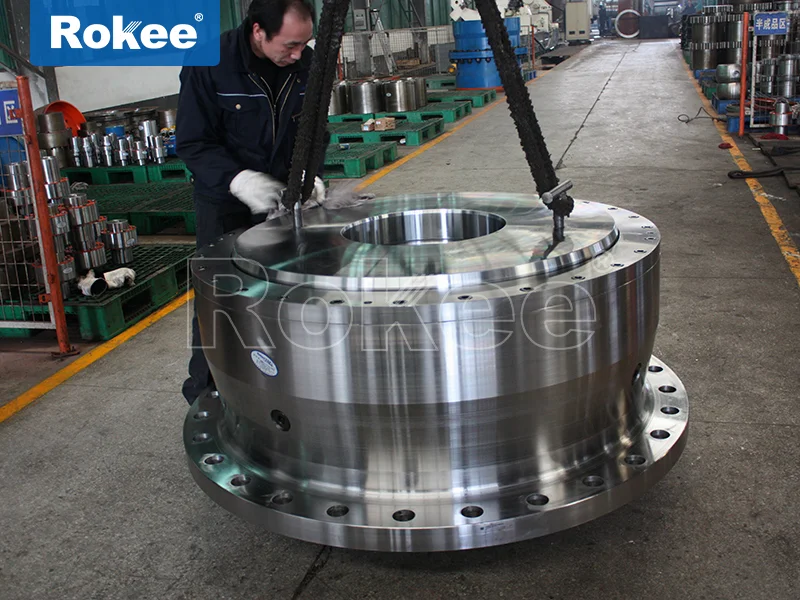
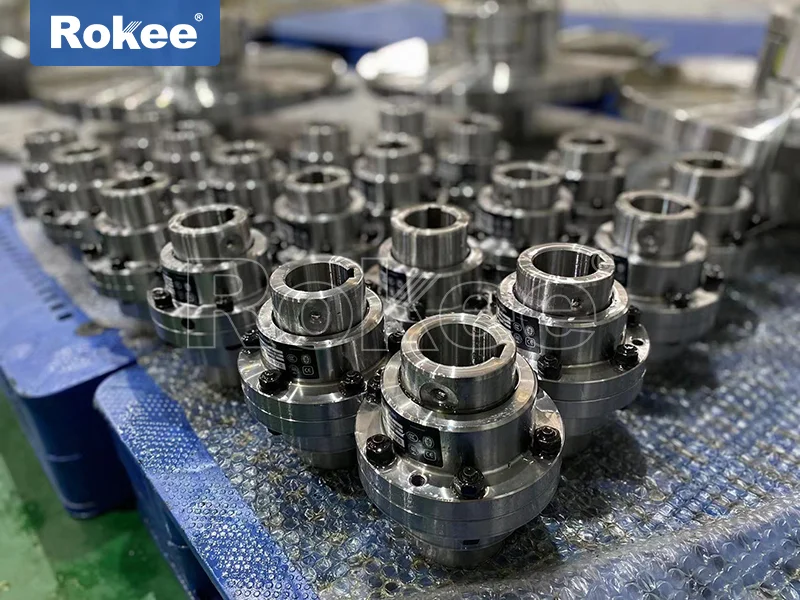
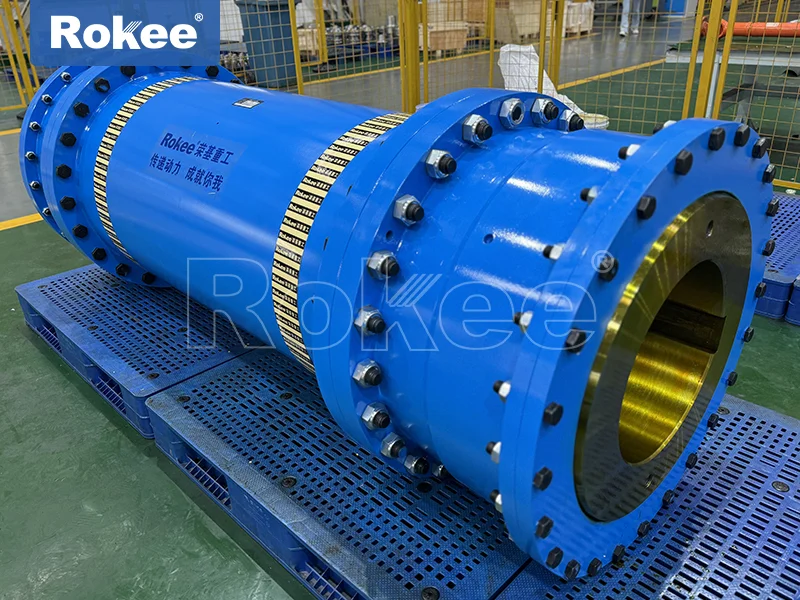
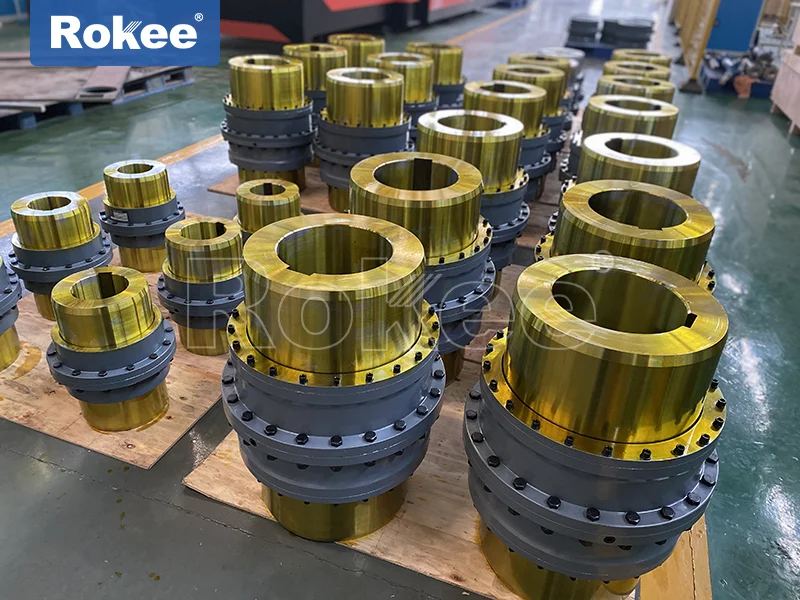
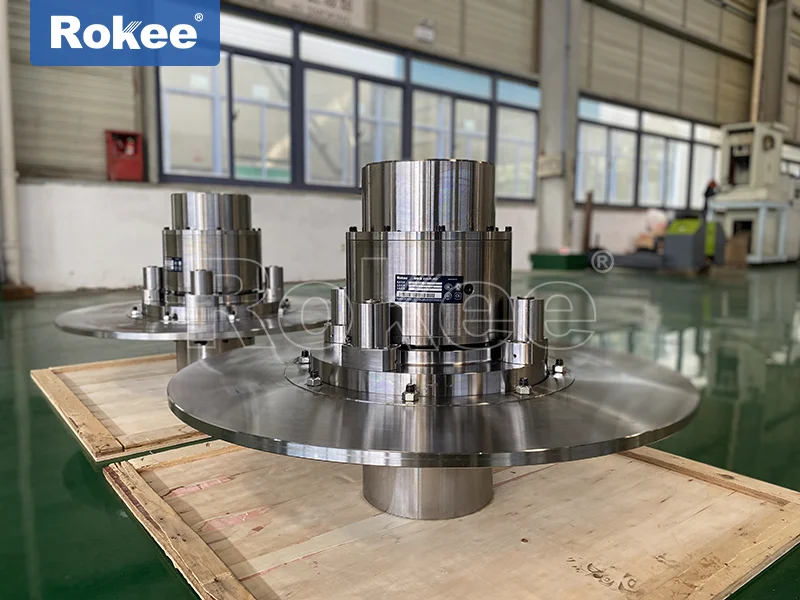
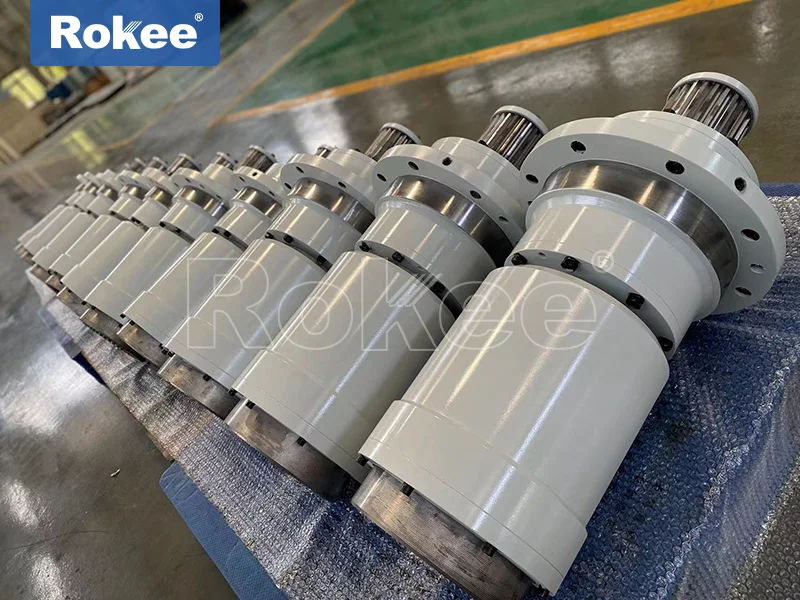
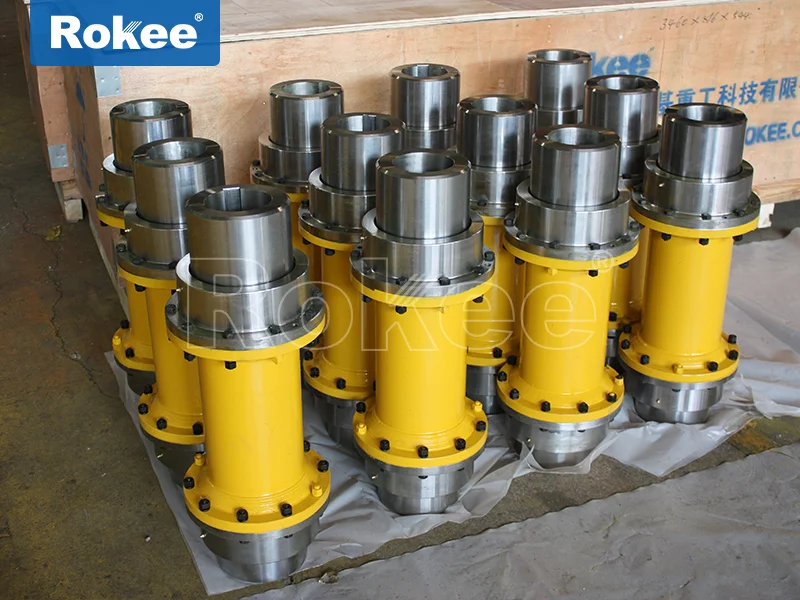
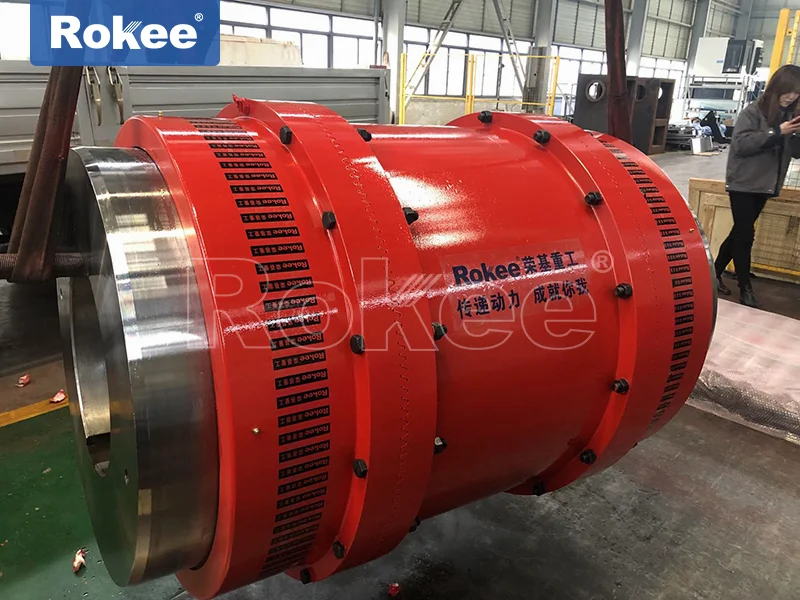
The barrel gear coupling is a type of gear coupling with a special structural design, which is mainly composed of an outer sleeve with drum-shaped teeth, an inner gear shaft, a seal, and a lubrication system. The most prominent feature of its structure is that the tooth surface of the outer sleeve is designed into a drum shape, which is different from the straight teeth of traditional gear couplings. This drum-shaped tooth design enables the coupling to have a strong ability to compensate for shaft misalignment, including angular misalignment, radial misalignment, and axial misalignment. In the PU sandwich panel production line, due to the long length of the production line, the installation of multiple motors and working units is difficult to achieve absolute alignment, and the thermal expansion and contraction of the shaft during the operation of the equipment will also cause changes in the relative position of the shaft. The barrel gear coupling can effectively absorb these misalignments through the meshing of the drum-shaped teeth and the inner gear, avoiding the generation of additional stress, thus protecting the motor, bearing, and other key components from damage.
The adaptability of the barrel gear coupling is not only reflected in its ability to compensate for shaft misalignment but also in its strong load-bearing capacity and impact resistance. The PU sandwich panel production line needs to transmit large torque during operation, especially in the forming and cutting processes, where the load will fluctuate instantaneously, generating a large impact load. The barrel gear coupling adopts a full-tooth meshing design, which has a large contact area between the teeth, enabling it to transmit larger torque compared to traditional couplings. At the same time, the drum-shaped tooth structure can evenly distribute the load on the entire tooth surface, avoiding local stress concentration, thus improving the impact resistance of the coupling. In actual production, even if the production line encounters sudden load changes or instantaneous impact, the barrel gear coupling can maintain stable torque transmission, ensuring the continuous operation of the production line without shutdown due to coupling failure.
Another important manifestation of the adaptability of the barrel gear coupling is its excellent wear resistance and corrosion resistance, which can adapt to the harsh working environment of the PU sandwich panel production line. The production process of PU sandwich panels involves the use of various raw materials, including polyurethane foam, metal plates, and auxiliary agents. Some of these raw materials may have certain corrosiveness, and the production site may also generate dust, oil stains, and other pollutants. In addition, the production line operates continuously for a long time, and the coupling is in a state of high-speed rotation, which will inevitably cause wear between the teeth. The barrel gear coupling is usually made of high-strength alloy steel, and the tooth surface is subjected to special heat treatment processes, such as carburizing and quenching, which greatly improve the hardness and wear resistance of the tooth surface. At the same time, the coupling is equipped with a reliable sealing system, which can prevent dust, oil stains, and corrosive substances from entering the interior of the coupling, avoiding corrosion and wear of the internal components, and extending the service life of the coupling.
In addition to the above advantages, the barrel gear coupling also has good adaptability to the speed change of the PU sandwich panel production line. With the continuous improvement of production efficiency, the speed of the PU sandwich panel production line is also constantly increasing, and the coupling needs to adapt to the change of speed while ensuring stable torque transmission. The barrel gear coupling has a small moment of inertia, which can quickly respond to the speed change of the motor, reduce the impact of speed change on the production line, and ensure the stability of the production process. At the same time, the lubrication system of the barrel gear coupling is designed reasonably, which can ensure that the coupling maintains good lubrication under different speeds and loads, reducing friction and wear, and further improving the adaptability of the coupling.
The application of barrel gear coupling in PU sandwich panel production line not only improves the adaptability and stability of the production line but also brings significant economic benefits to enterprises. On the one hand, the strong adaptability of the barrel gear coupling reduces the frequency of coupling failure and maintenance, reduces the downtime of the production line, and improves production efficiency. Compared with traditional couplings, the barrel gear coupling has a longer service life, which can reduce the cost of replacing couplings, and reduce the maintenance cost and labor intensity of the equipment. On the other hand, the stable operation of the coupling ensures the stability of the production process, reduces the defective rate of PU sandwich panels caused by equipment failure, improves product quality, and enhances the market competitiveness of enterprises.
In the actual application process, the selection and installation of the barrel gear coupling also need to be carried out according to the specific working conditions of the PU sandwich panel production line to give full play to its adaptability. When selecting the coupling, it is necessary to comprehensively consider the torque, speed, shaft diameter, and misalignment of the production line, and select the appropriate model and specification of the barrel gear coupling. In the installation process, it is necessary to strictly follow the installation requirements, ensure the accuracy of the installation, and adjust the misalignment within the allowable range of the coupling to avoid the impact of excessive misalignment on the service life of the coupling. At the same time, regular maintenance and lubrication of the coupling are also required, including checking the wear of the tooth surface, the sealing performance of the seal, and the amount of lubricating oil, and timely replacing the worn parts and lubricating oil to ensure the long-term stable operation of the coupling.
With the continuous development of the PU sandwich panel industry, the requirements for the production line are becoming more and more strict, and the adaptability of the coupling will face higher challenges. The barrel gear coupling, with its unique structural advantages and strong adaptability, will play a more important role in the PU sandwich panel production line. In the future, with the continuous improvement of material technology and processing technology, the barrel gear coupling will be further optimized and improved, such as improving the material performance to enhance wear resistance and corrosion resistance, optimizing the structural design to improve the ability to compensate for misalignment, and integrating intelligent monitoring functions to realize real-time monitoring of the operation status of the coupling. These improvements will further enhance the adaptability of the barrel gear coupling, making it better meet the needs of the development of the PU sandwich panel production line, and promote the high-quality development of the PU sandwich panel industry.
It is worth noting that the adaptability of the barrel gear coupling is not only reflected in its own performance but also in its compatibility with other components of the PU sandwich panel production line. The barrel gear coupling can be well matched with various types of motors, reducers, and working mechanisms, without the need for major modifications to the existing production line, which reduces the transformation cost of the enterprise and improves the convenience of application. In addition, the barrel gear coupling has a simple structure, easy disassembly and maintenance, which is convenient for the daily maintenance and repair of the production line, further improving the operational efficiency of the production line.
In the long-term operation practice of the PU sandwich panel production line, the barrel gear coupling has been fully verified to have stronger adaptability than traditional couplings. It can stably operate in complex working environments with large load changes, high speed, and certain corrosiveness, effectively solving the problems of frequent maintenance, short service life, and poor stability of traditional couplings. For enterprises engaged in the production of PU sandwich panels, choosing the barrel gear coupling to equip the production line is an effective way to improve production efficiency, reduce production costs, and ensure product quality. It not only conforms to the development trend of the modern manufacturing industry towards automation, high efficiency, and stability but also lays a solid foundation for the sustainable development of enterprises.
In conclusion, the PU sandwich panel production line, as a key equipment for the production of PU sandwich panels, has strict requirements on the adaptability of the coupling. The barrel gear coupling, with its unique drum-shaped tooth structure, strong load-bearing capacity, excellent wear resistance and corrosion resistance, and good adaptability to speed changes and shaft misalignment, has become an ideal choice for the PU sandwich panel production line. Its application not only improves the stability and efficiency of the production line but also brings significant economic benefits to enterprises. With the continuous progress of technology, the barrel gear coupling will be further optimized and upgraded, and its adaptability will be further enhanced, making greater contributions to the development of the PU sandwich panel industry.