Internal Gear Couplings
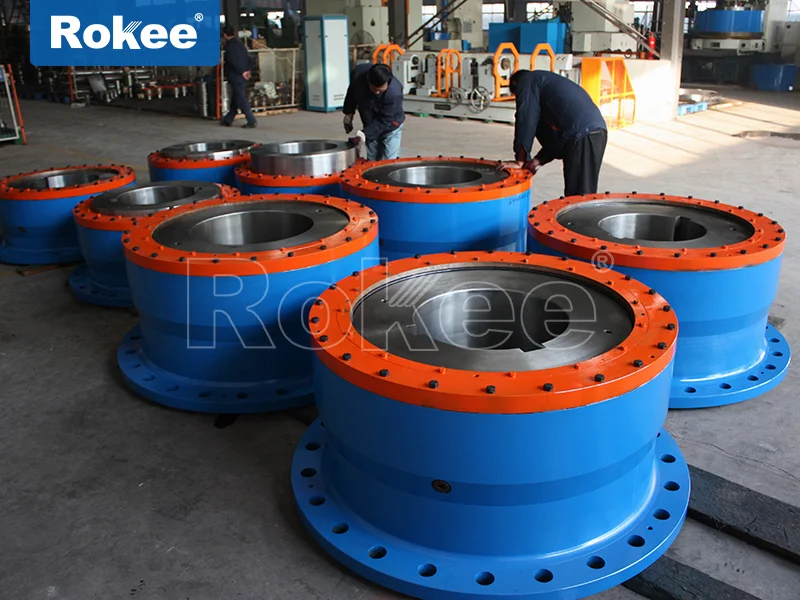
In the field of mechanical power transmission, internal gear couplings stand as one of the most widely applied rigid-flexible coupling components, designed to connect two rotating shafts, transmit torque and rotational motion efficiently, and compensate for minor positional deviations between driving and driven shafts that arise from manufacturing errors, installation inaccuracies, thermal expansion, or mechanical vibration during operation. Unlike rigid couplings that demand perfect shaft alignment and offer no tolerance for misalignment, internal gear couplings strike a balanced combination of structural rigidity and adaptive flexibility, making them indispensable in heavy-duty, high-load, and complex industrial transmission systems.
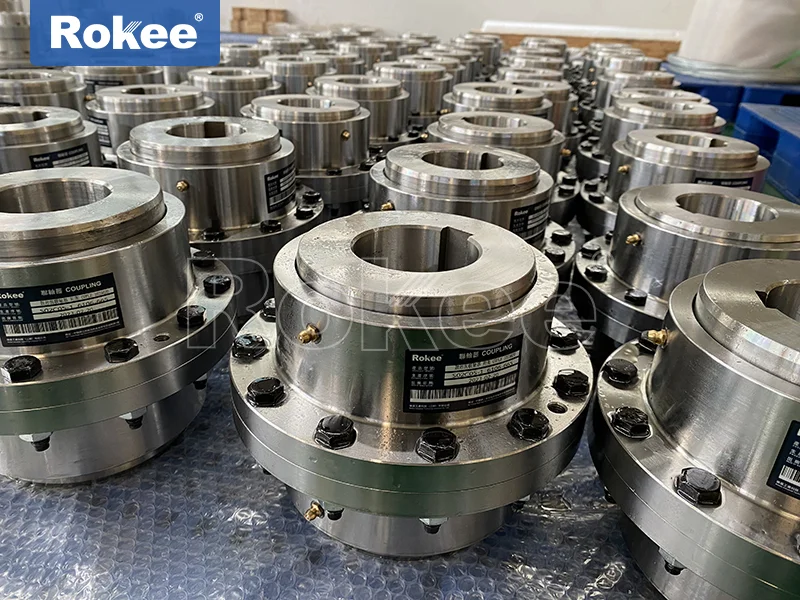
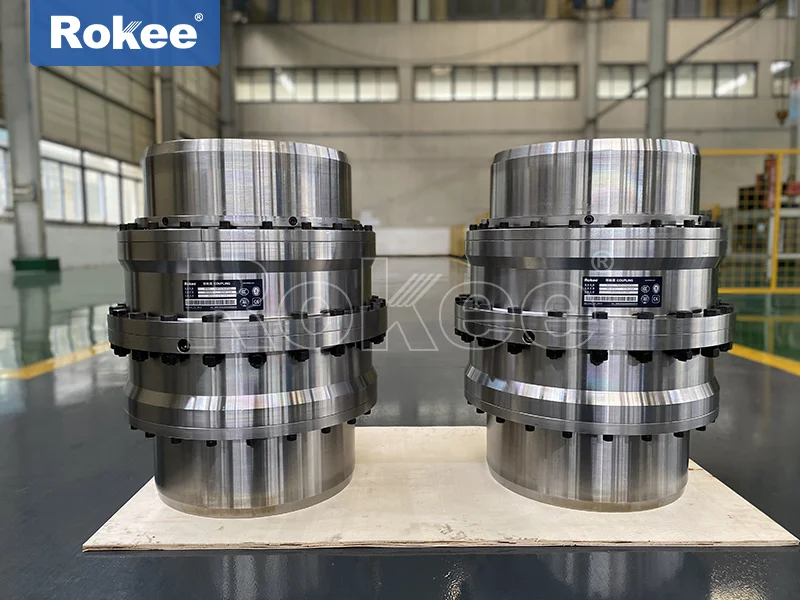
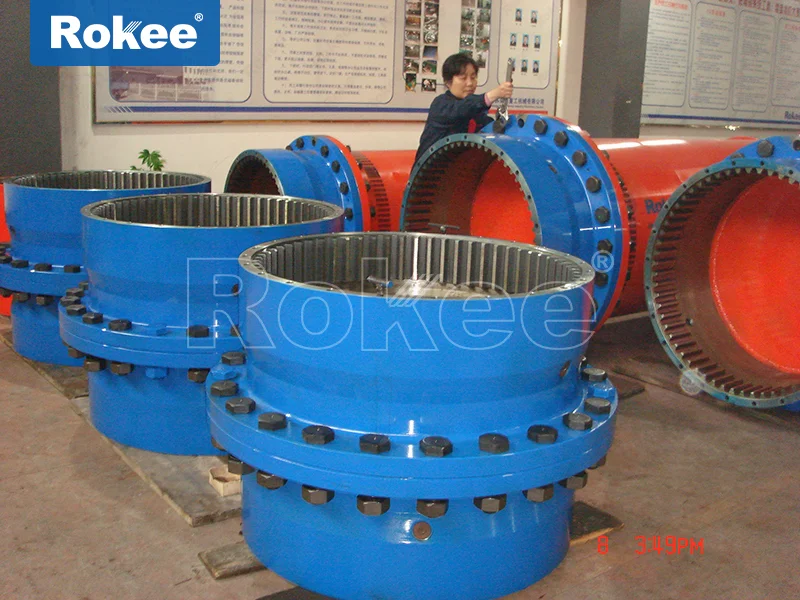
At its core, the internal gear coupling features a compact and robust structural framework built around precision-machined gear meshing, with its basic assembly consisting of two key modules: external gear hubs and internal gear sleeves. Each external gear hub is a precision-forged component with finely machined external gear teeth on its outer circumference, tailored to be securely mounted onto the end of the driving shaft and driven shaft respectively via interference fit, keyway connection, or clamping mechanisms, ensuring zero relative slippage between the hub and the shaft during torque transmission. The internal gear sleeve, a hollow annular component, is equipped with internal gear teeth that match the tooth profile and tooth count of the external gear hubs, forming a closed meshing pair with the two external gear hubs to complete the power transmission path. Most standard internal gear couplings are also equipped with auxiliary sealing components and lubrication channels to maintain stable operational conditions; sealing elements are installed at the joint gaps between the internal gear sleeves and external gear hubs to block the intrusion of external dust, moisture, abrasive particles, and other contaminants, while also preventing the leakage of internal lubricating medium that is critical for reducing friction and wear. Additional fastening hardware, such as high-strength connecting bolts, is used to fix the relative position of split-type internal gear sleeves, ensuring the overall structural stability of the coupling under continuous rotational load and impact forces. The entire structure adheres to the principle of gear meshing transmission, where torque is transferred uniformly through the contact between the tooth flanks of internal and external gears, rather than relying on elastic deformation, which distinguishes it from elastic couplings and endows it with exceptional load-bearing capacity.
The performance attributes of internal gear couplings are shaped directly by their structural design, material selection, and machining precision, covering multiple critical indicators that define their suitability for different transmission scenarios. Foremost among these is torque transmission capacity, a core performance metric that reflects the maximum rotational force the coupling can bear without structural deformation or tooth failure. Internal gear couplings boast high torque density, meaning they can transmit substantial torque within a relatively small radial and axial footprint, a trait that makes them ideal for equipment with limited installation space. This high load-bearing capability stems from the large contact area between meshing gear teeth and the use of high-strength alloy structural steels, which undergo heat treatment processes such as quenching and tempering to enhance surface hardness, wear resistance, and fatigue strength. Another pivotal performance feature is misalignment compensation, which encompasses three forms: angular misalignment, radial misalignment, and axial misalignment. The gear meshing structure allows for controlled relative movement between the internal and external gears, enabling the coupling to adapt to small-angle deflection, radial offset, and axial displacement between shafts without compromising transmission efficiency; this adaptability effectively reduces additional stress on shafts, bearings, and connected equipment, prolonging the service life of the entire transmission system. Transmission efficiency is also a standout performance indicator, with well-machined internal gear couplings achieving extremely high energy transfer efficiency, typically above 99%, as the gear meshing mode minimizes power loss caused by friction, sliding, or elastic hysteresis. Additionally, these couplings exhibit strong resistance to impact loads and vibration, absorbing minor mechanical shocks generated during machine startup, shutdown, or sudden load changes, and maintaining stable transmission even under fluctuating working conditions. Operational stability is further enhanced by uniform stress distribution across gear teeth, which prevents localized overloading and reduces the risk of fatigue failure over long-term continuous operation. It should be noted that optimal performance relies heavily on proper lubrication; sufficient lubricating medium forms a protective oil film between meshing tooth surfaces, reducing direct metal-to-metal friction, lowering heat generation, and slowing down wear, while also dampening noise produced by gear meshing during high-speed rotation.
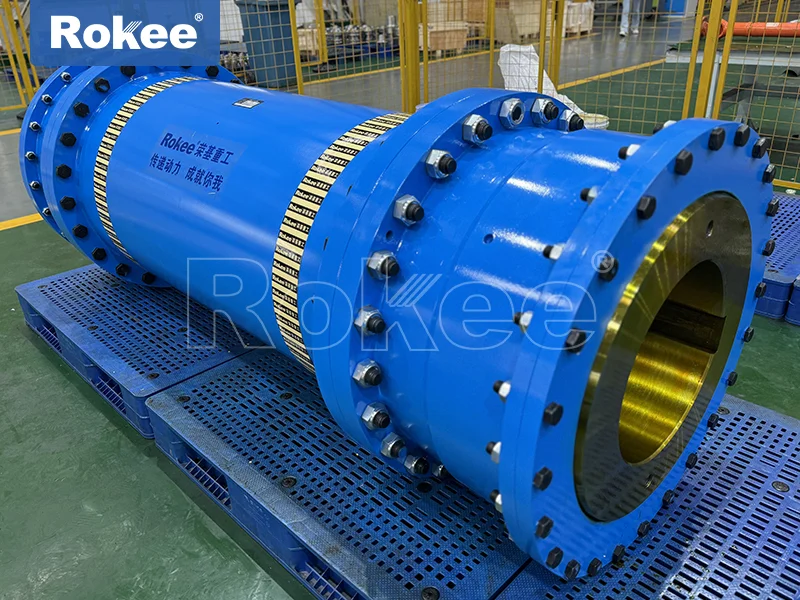
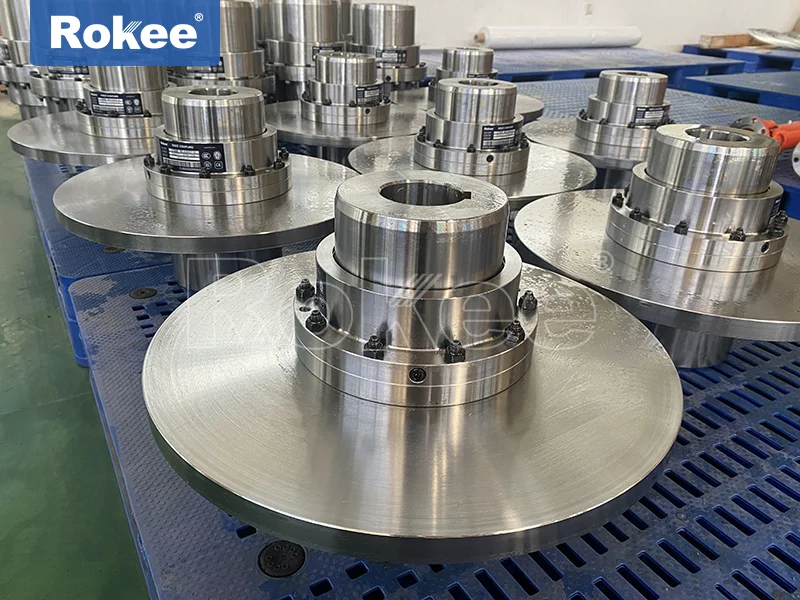
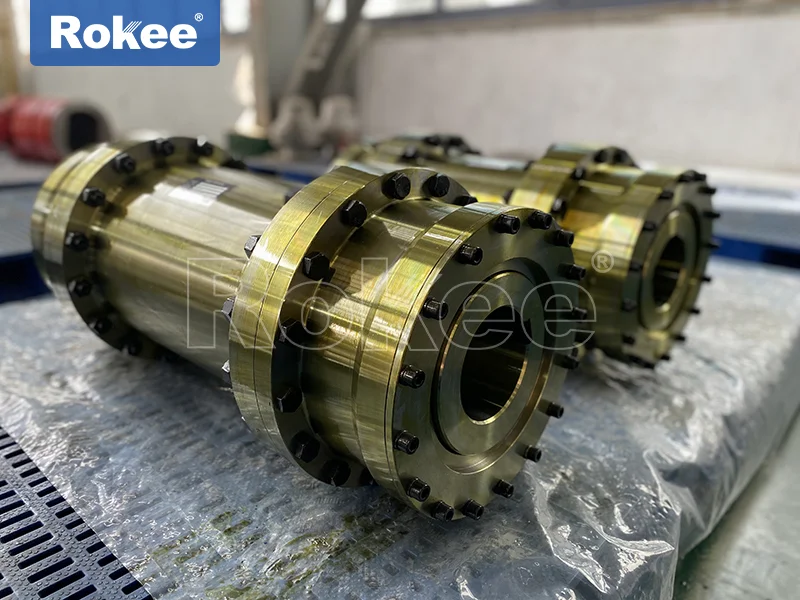
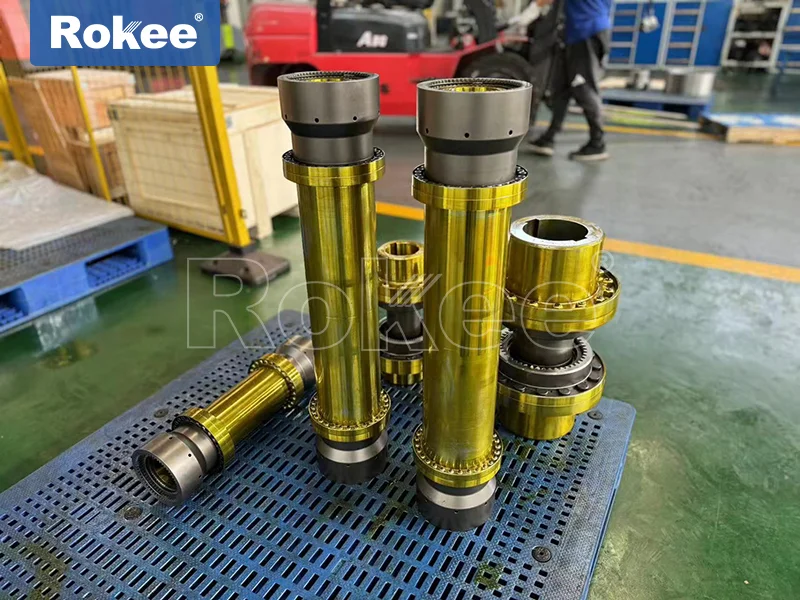
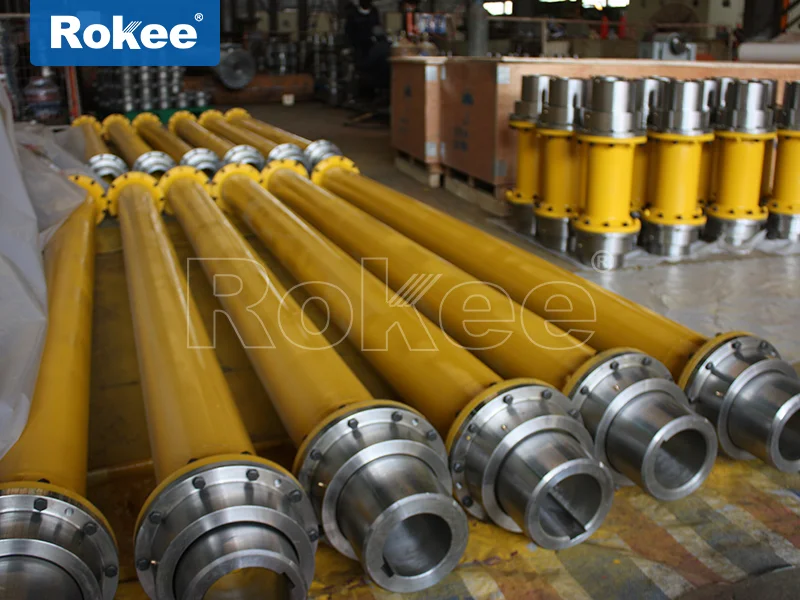
Internal gear couplings are categorized into distinct types based on multiple design criteria, primarily tooth profile structure, assembly form, and functional configuration, each tailored to address specific operational requirements and environmental conditions. The most fundamental classification is based on the external gear tooth profile, dividing couplings into straight tooth internal gear couplings and crowned tooth internal gear couplings. Straight tooth internal gear couplings feature cylindrical external gear teeth with parallel tooth flanks, a simplified structure that is easier to machine and assemble. This type offers basic misalignment compensation, mainly suitable for low-speed, light-load transmission systems with minimal shaft deviation, as its straight tooth design has limited tolerance for large angular misalignment and may produce uneven stress distribution under significant deflection. Crowned tooth internal gear couplings, by contrast, have external gear teeth machined into a spherical crowned profile, with the spherical center aligned with the coupling axis. This curved tooth profile design significantly increases the contact area between meshing teeth under misalignment conditions, distributes stress more uniformly, eliminates edge contact that causes rapid wear, and greatly enhances the capacity to compensate for angular and radial misalignment. Crowned tooth couplings are the dominant choice in heavy industrial applications, capable of withstanding higher loads, faster operating speeds, and more severe shaft misalignment compared to straight tooth variants. Based on assembly structure, internal gear couplings are divided into full gear couplings and half gear couplings. Full gear couplings are equipped with two external gear hubs and one or two internal gear sleeves, providing bidirectional misalignment compensation and balanced load distribution, suitable for high-precision and high-load transmission systems where both shaft ends require flexible connection. Half gear couplings feature one external gear hub and one rigid flange hub, with only one side having gear meshing flexibility; this design is intended for scenarios where only one shaft requires misalignment compensation, offering a more compact structure and simplified installation for specific single-side flexible transmission needs. Further classification includes floating shaft internal gear couplings, which integrate an intermediate floating shaft between two sets of gear meshing modules to bridge large distances between driving and driven equipment, addressing long-span shaft connection challenges in industries such as mining and marine engineering. There are also sealed and non-sealed versions: sealed internal gear couplings are fitted with integrated labyrinth or contact seals, ideal for harsh environments with high dust, moisture, or corrosive substances; non-sealed versions are lighter and more cost-effective, suitable for clean, indoor industrial environments with minimal contamination risks.
The versatile performance and structural adaptability of internal gear couplings enable their deployment across nearly all heavy industrial sectors, serving as critical connecting components in diverse mechanical transmission systems. In the mining and metallurgy industry, these couplings are extensively used in large-scale equipment such as ore crushers, ball mills, rolling mills, and conveyor systems, where they endure extreme continuous heavy loads, frequent impact forces, and harsh on-site environmental conditions. Their high torque capacity and misalignment compensation ability ensure stable power transmission even under severe mechanical vibration and shaft deformation, avoiding downtime caused by connection failure and improving overall production efficiency. In the energy and power generation field, internal gear couplings are applied in steam turbines, gas turbines, generators, water pumps, and compressors, supporting both high-speed rotational transmission and low-speed heavy-duty operation. Precision-machined and dynamically balanced crowned tooth couplings meet the strict stability requirements of power generation equipment, minimizing vibration and noise while maintaining efficient power transfer, and adapting to thermal expansion of shafts during long-term operation. For marine and offshore engineering, the compact structure and high load-bearing performance of internal gear couplings make them suitable for ship propulsion systems, deck machinery, and offshore drilling equipment, where space is limited and operational conditions are highly demanding; sealed versions resist seawater corrosion and moisture intrusion, ensuring reliable performance in marine environments. In the heavy machinery and manufacturing industry, these couplings are used in metal forming machines, lifting equipment, rubber processing machinery, and large-scale machine tools, providing stable shaft connection for various production machinery. They accommodate installation errors and operational misalignment, reduce wear on key transmission components, and lower maintenance frequency. Additionally, internal gear couplings find application in petroleum and chemical processing equipment, including oil pumps, reaction kettles, and conveyor systems, where they resist mild corrosive environments and maintain consistent transmission performance. In transportation engineering, they are integrated into large-scale construction machinery, railway equipment, and port handling machinery, supporting frequent startup, shutdown, and load fluctuation operations. Across all these applications, the selection of a specific type of internal gear coupling depends on comprehensive evaluation of operating parameters, including torque magnitude, rotational speed, shaft misalignment type, environmental temperature, humidity, and contamination level, ensuring the coupling matches the unique operational requirements of each piece of equipment.
Beyond core structural, performance, and application aspects, the practical value of internal gear couplings is further reflected in their long service life and maintainability. When selected correctly and operated under specified conditions with regular lubrication and routine inspection, these couplings exhibit exceptional durability, with minimal wear on meshing gear surfaces and stable performance over years of continuous use. Routine maintenance primarily involves checking the condition of sealing components, replenishing or replacing lubricating medium, and inspecting gear tooth surfaces for signs of wear, pitting, or fatigue damage; these simple maintenance steps effectively extend the operational lifespan of the coupling and reduce the risk of unexpected failure. While internal gear couplings require regular lubrication compared to lubrication-free elastic couplings, their superior load-bearing capacity, misalignment tolerance, and operational stability make them irreplaceable in scenarios where elastic and rigid couplings cannot meet transmission demands. As industrial machinery continues to develop towards higher loads, higher speeds, and greater precision, the design and manufacturing of internal gear couplings are also evolving, with advancements in material science, precision machining, and surface treatment technologies further enhancing their performance, expanding their application scope, and solidifying their position as a core component in modern mechanical power transmission systems. Understanding the structural fundamentals, performance characteristics, classification differences, and application scenarios of internal gear couplings is essential for mechanical engineers, equipment designers, and maintenance personnel to select, install, and maintain these components correctly, ultimately improving the reliability, efficiency, and service life of entire transmission systems.