Curved Tooth Coupling And PU Sandwich Panel Machine Precise Matching To Reduce Faults
In modern manufacturing, the stability and efficiency of production equipment are crucial to ensuring consistent product quality and reducing operational costs. Among the various components that make up production lines, the curved tooth coupling and the PU sandwich panel machine stand out as two key elements whose performance and compatibility directly affect the overall operational status of the production system. The PU sandwich panel machine is a sophisticated piece of equipment widely used in the construction, refrigeration, and industrial sectors, responsible for the continuous production of composite panels with a rigid polyurethane foam core and various facing materials. These panels are valued for their excellent thermal insulation, structural strength, and lightweight properties, making them indispensable in modern applications. The curved tooth coupling, on the other hand, is an advanced transmission component designed to connect the driving and driven shafts of machinery, enabling efficient torque transfer while compensating for axial, radial, and angular displacements between the shafts. The precise matching between these two components is not merely a matter of mechanical compatibility; it is a critical factor in minimizing equipment faults, extending service life, and optimizing production efficiency.
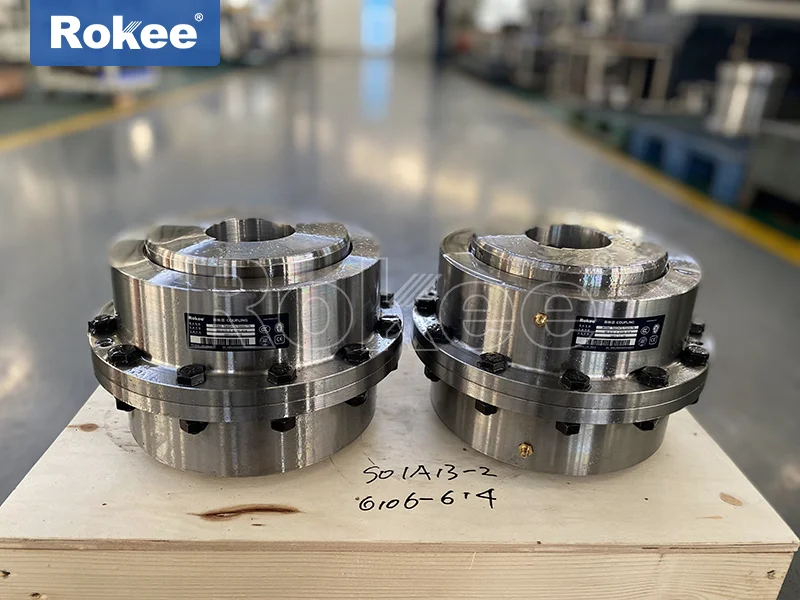
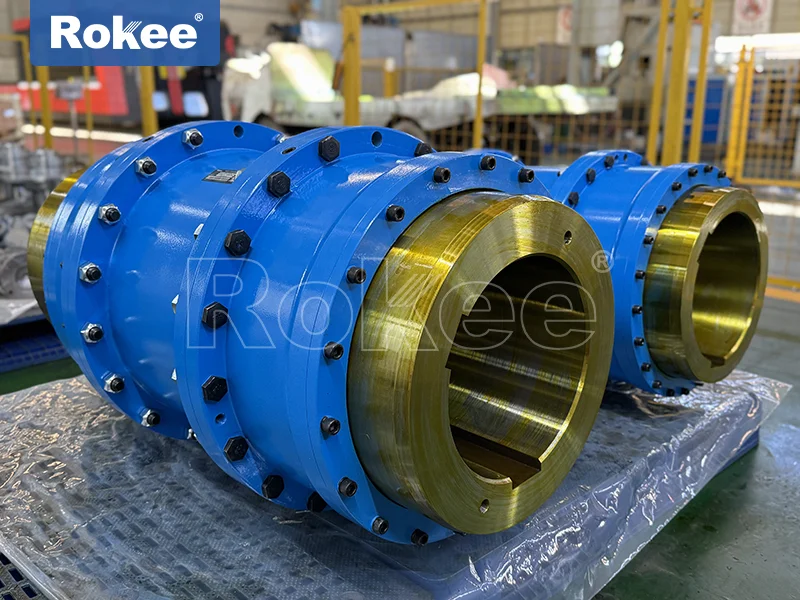
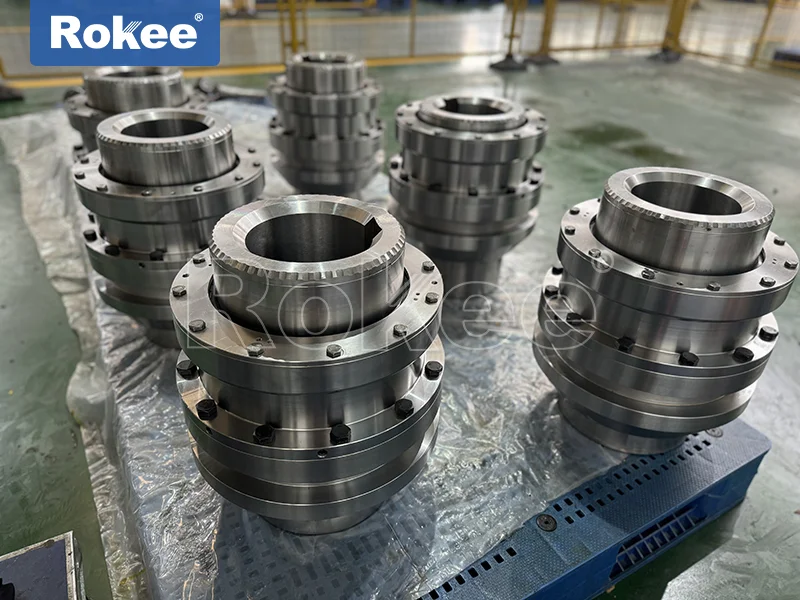
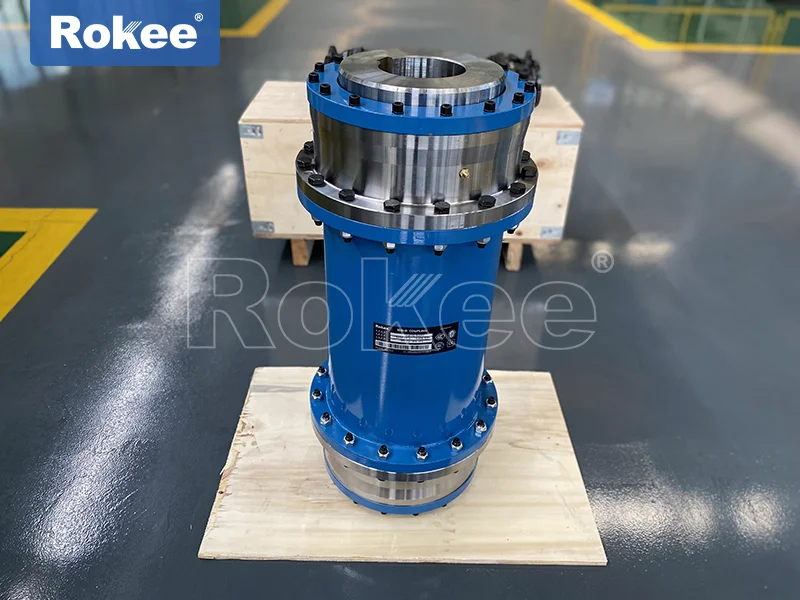
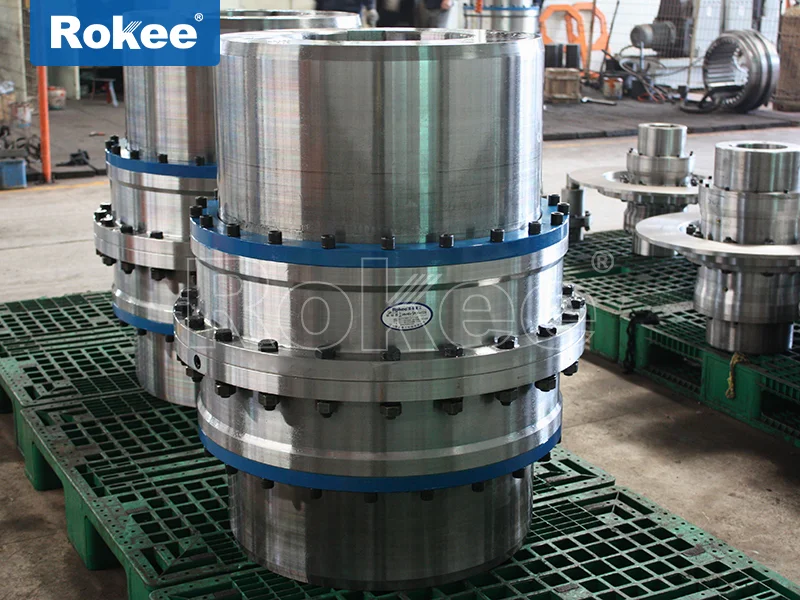
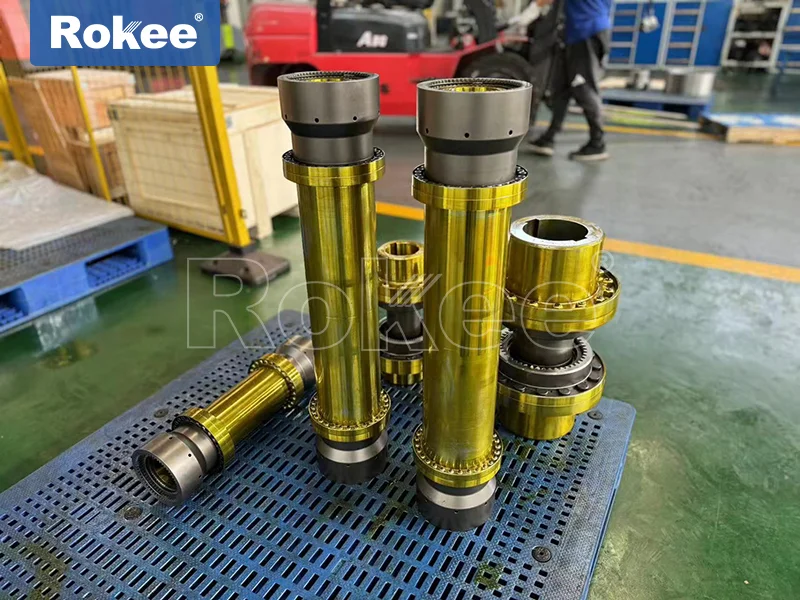
To understand the significance of precise matching, it is first necessary to clarify the core characteristics and working principles of each component. The curved tooth coupling is a specially designed gear coupling with outer teeth shaped into a spherical surface, where the center of the sphere coincides with the axis of the gear. This unique design differentiates it from traditional straight-tooth couplings, granting it superior performance in torque transmission and displacement compensation. The core structure of the curved tooth coupling is relatively simple yet exquisitely engineered, primarily consisting of an inner gear ring and an outer gear sleeve. The inner gear ring typically features involute straight teeth machined on its inner circumference, while the outer gear sleeve is equipped with the characteristic spherical curved teeth. The working principle of the curved tooth coupling is based on the precise meshing of these inner and outer teeth to transmit torque from the driving shaft to the driven shaft. When the driving shaft rotates, power is transferred through the meshing of the outer gear sleeve and the inner gear ring, ensuring efficient energy transmission with minimal power loss.
One of the most prominent advantages of the curved tooth coupling is its exceptional ability to compensate for shaft displacements. In any mechanical system, slight misalignments between shafts are inevitable due to factors such as manufacturing tolerances, thermal expansion during operation, and mechanical wear over time. The curved tooth design allows for a certain degree of relative displacement between the two shafts, including radial, axial, and angular deviations. Radial compensation is achieved through the design of tooth flank clearance and tooth crest arc, with the allowable radial displacement depending on the modulus and number of teeth. Axial compensation is enabled by the spherical characteristics of the curved teeth, which permit a certain degree of relative sliding between the inner and outer teeth in the axial direction. Angular compensation is particularly impressive, with the allowable angular displacement reaching 1° 30′, which is 50% higher than that of straight-tooth couplings. This ability to compensate for multiple types of displacements is critical in complex machinery like PU sandwich panel machines, where precise shaft alignment is essential for stable operation.
Additionally, the curved tooth coupling offers excellent load distribution and wear resistance. The spherical curved tooth surface increases the contact area between the inner and outer teeth, ensuring that the load is evenly distributed across the tooth surface. This even distribution minimizes stress concentration, which is a common cause of premature wear and failure in straight-tooth couplings. The tooth clearance of curved tooth couplings is slightly larger than that of general couplings, allowing for greater torque transmission and reducing the risk of tooth jamming. However, this increased clearance also means that proper lubrication is crucial to reducing wear. Thin oil lubrication, in particular, can reduce wear to approximately 10% of that caused by grease lubrication, while also dissipating the heat generated by tooth meshing to prevent degradation of the coupling materials. The design of the curved tooth curvature curve is another key factor in its performance; this curve, formed by the gradual phase change of non-conjugate tooth surfaces from different end sections, directly affects the coupling’s compensation ability and the contact state of the tooth surface. Two basic design requirements must be met: avoiding edge contact at maximum axial inclination angles to prevent stress concentration, and optimizing load distribution by using the largest possible bulge circle radius to reduce contact stress on the tooth surface.
Turning to the PU sandwich panel machine, this equipment is a complex system composed of multiple interconnected components, each playing a critical role in ensuring the efficiency and quality of the production process. The core functionality of the PU sandwich panel machine lies in its ability to continuously combine the PU foam core with facing materials, ensuring consistent bonding, uniform thickness, and optimal structural integrity of the final product. Unlike traditional manual or semi-automatic production methods, which are labor-intensive and prone to human error, modern PU sandwich panel machines streamline the production process into a continuous workflow, enhancing efficiency while maintaining strict quality control.
The key components of a PU sandwich panel machine include the material handling system, metering and mixing unit, double belt laminating system, and control system. The material handling system consists of uncoilers that hold large rolls of facing materials—such as metal sheets, fiberglass-reinforced plastic, aluminum, or coated fabrics—and feed them into the production line at a steady, controlled speed. Before reaching the foaming station, the facing materials undergo preliminary processing, including tempering to ensure optimal adhesion and the application of adhesion promoters if necessary. This preparation step is critical for enhancing the bond between the facing layers and the PU foam core, preventing delamination and ensuring long-term durability of the panels.
The metering and mixing unit is a core component that dictates the quality of the PU foam core. This unit precisely measures the two main components of polyurethane foam—polyol and isocyanate—along with additives such as catalysts, blowing agents, and flame retardants. The accuracy of this metering process is essential, as even minor deviations in the chemical ratio can affect the foam’s density, thermal conductivity, and mechanical strength. The components are mixed in a high-pressure mix head to ensure thorough homogenization before being dispensed onto the lower facing layer. Blowing agents, typically hydrocarbons like pentane, facilitate the expansion of the foam, creating a closed-cell structure that delivers excellent insulation properties. Safety systems, including explosion-proof enclosures and ventilation systems, are integrated into this unit to handle flammable blowing agents.
The double belt laminating system is responsible for pressing the facing materials and the foam core together, ensuring uniform thickness and strong adhesion. This system consists of two parallel conveyor belts that apply consistent pressure to the composite panel as it moves through the machine. The control system, often referred to as the “brain” of the machine, consists of a touch screen interface, a programmable logic controller (PLC), and sensors that monitor various production parameters such as temperature, pressure, speed, and foam flow rate. The PLC automatically adjusts the machine’s components to maintain the set parameters, ensuring consistent product quality. The control system also includes diagnostic functions that alert operators to potential faults or malfunctions, facilitating timely troubleshooting.
The continuous operation of the PU sandwich panel machine relies heavily on the stable transmission of power from the motor to the various rotating components, such as the uncoilers, conveyor belts, and mixing units. This is where the curved tooth coupling plays a vital role. As the key transmission component connecting the motor and the machine’s rotating shafts, the curved tooth coupling must be precisely matched to the PU sandwich panel machine to ensure seamless power transmission and minimize faults. The mismatch between the coupling and the machine can lead to a range of operational issues, including excessive vibration, noise, premature wear of components, and even unexpected shutdowns—all of which reduce production efficiency and increase maintenance costs.
The precise matching between the curved tooth coupling and the PU sandwich panel machine involves several key aspects, including torque matching, displacement compensation matching, and dimensional compatibility. Torque matching is the most fundamental requirement, as the curved tooth coupling must be capable of transmitting the maximum torque required by the PU sandwich panel machine during operation. The PU sandwich panel machine’s torque requirements vary depending on factors such as production speed, panel thickness, and the type of facing materials used. If the coupling’s torque capacity is insufficient, it will lead to tooth wear, deformation, or even breakage, resulting in equipment failure. Conversely, if the coupling’s torque capacity is excessively large, it will increase the overall weight and cost of the system without providing any additional benefits, and may even affect the machine’s responsiveness.
To achieve accurate torque matching, it is necessary to calculate the maximum torque required by the PU sandwich panel machine during normal operation and select a curved tooth coupling with a torque capacity that exceeds this value by a reasonable margin to account for unexpected load fluctuations. This margin ensures that the coupling can handle temporary overloads without damage, enhancing the reliability of the entire system. Additionally, the torque transmission efficiency of the coupling must be considered; the curved tooth coupling’s high transmission efficiency (typically above 99%) ensures that minimal power is lost during transmission, reducing energy consumption and improving the machine’s overall efficiency.
Displacement compensation matching is another critical aspect of precise matching. As mentioned earlier, the PU sandwich panel machine generates a significant amount of heat during operation, particularly in the metering and mixing unit and the laminating system. This heat causes thermal expansion of the machine’s shafts, leading to axial and radial displacements. Additionally, the continuous operation of the machine’s moving components can result in slight misalignments over time due to wear and tear. The curved tooth coupling’s ability to compensate for these displacements must be matched to the specific displacement characteristics of the PU sandwich panel machine. If the coupling’s compensation capacity is insufficient to accommodate the machine’s shaft displacements, it will lead to increased stress on the coupling teeth and the machine’s bearings, resulting in premature wear and potential failure. For example, if the machine’s shafts experience a large angular displacement during operation but the coupling can only compensate for a small angle, the meshing of the teeth will be uneven, leading to edge contact, stress concentration, and ultimately tooth damage.
Dimensional compatibility is also essential for precise matching. The curved tooth coupling must be compatible with the shaft diameters of the PU sandwich panel machine’s motor and driven components. The inner diameter of the coupling’s hubs must match the outer diameter of the shafts to ensure a secure fit, preventing slippage during operation. Additionally, the length of the coupling must be appropriate to ensure that the shafts are properly aligned and that there is sufficient clearance for the coupling to move during displacement compensation. Improper dimensional matching can lead to misalignment, vibration, and increased wear on both the coupling and the machine’s shafts.
The precise matching between the curved tooth coupling and the PU sandwich panel machine directly contributes to the reduction of common faults in production processes. One of the most common faults in PU sandwich panel machines is uneven panel thickness, which can lead to installation problems and product rejection. This fault is often caused by unsynchronized line speeds, which can result from unstable power transmission. The curved tooth coupling’s precise torque transmission and displacement compensation ensure that the machine’s rotating components, such as the conveyor belts and uncoilers, operate at a consistent speed, preventing line speed synchronization issues. By maintaining stable power transmission, the coupling helps to ensure that the facing materials and foam core are fed into the laminating system at a uniform rate, resulting in panels of consistent thickness.
Another common fault is surface waviness and sheet deformation, which is typically caused by poor sheet tension control or misaligned roll forming stations. The curved tooth coupling’s ability to compensate for shaft misalignments ensures that the uncoilers and roll forming stations operate in a stable and aligned manner, reducing the risk of sheet deformation. Additionally, the coupling’s smooth torque transmission minimizes vibration in the material handling system, preventing the facing materials from developing wrinkles or waves during feeding.
Weak adhesion between the facing materials and the foam core, which can lead to delamination, is another significant fault in PU sandwich panel production. This fault is often caused by incorrect chemical mixing ratios, low surface temperature, or insufficient curing time. While the curved tooth coupling does not directly affect the chemical mixing process, it plays a critical role in maintaining the stability of the metering and mixing unit. The stable power transmission provided by the coupling ensures that the metering pumps and mixing head operate at a consistent speed, maintaining accurate chemical ratios and ensuring thorough mixing of the foam components. Additionally, the coupling’s ability to reduce vibration helps to stabilize the temperature control system, ensuring that the facing materials and foam core are maintained at the optimal temperature for adhesion.
Foam overflow or insufficient filling is another common fault that can be mitigated by precise matching. This fault is caused by incorrect injection volume or a mismatch between line speed and foam reaction time. The curved tooth coupling’s role in maintaining stable line speed ensures that the foam injection volume can be accurately adjusted to match the line speed, preventing both overflow and insufficient filling. By ensuring that the machine’s components operate in a synchronized manner, the coupling helps to optimize the foam reaction process, resulting in a uniform foam core with no voids or excessive overflow.
In addition to reducing these common production faults, the precise matching between the curved tooth coupling and the PU sandwich panel machine also extends the service life of both components. The even load distribution and reduced stress on the coupling teeth minimize wear, while the compensation for shaft displacements reduces stress on the machine’s bearings and other rotating components. This reduces the frequency of maintenance and replacement, lowering operational costs and increasing the overall availability of the production line. Proper lubrication of the curved tooth coupling, combined with precise matching, further enhances its wear resistance and service life, ensuring long-term stable operation.
To ensure the continued effectiveness of the precise matching, regular maintenance and inspection are essential. The curved tooth coupling should be inspected regularly for signs of wear, such as tooth damage, lubricant contamination, or loose fasteners. The lubricant should be replaced at regular intervals to ensure optimal performance and reduce wear. Additionally, the alignment of the PU sandwich panel machine’s shafts should be checked periodically, as misalignments can develop over time and affect the matching between the coupling and the machine. Any deviations from the optimal alignment should be corrected promptly to prevent excessive stress on the coupling and other components.
In conclusion, the precise matching between the curved tooth coupling and the PU sandwich panel machine is a critical factor in ensuring the stable, efficient, and reliable operation of the production line. The curved tooth coupling’s unique design, with its superior torque transmission, displacement compensation, and load distribution capabilities, makes it an ideal transmission component for the complex requirements of PU sandwich panel machines. By achieving accurate torque matching, displacement compensation matching, and dimensional compatibility, manufacturers can significantly reduce common production faults such as uneven panel thickness, surface deformation, weak adhesion, and foam filling issues. This not only improves product quality and production efficiency but also extends the service life of the equipment, reducing maintenance costs and enhancing overall operational profitability. As the demand for high-quality PU sandwich panels continues to grow, the importance of precise matching between these two key components will only become more pronounced, making it a key consideration for manufacturers seeking to optimize their production processes and gain a competitive edge in the industry.