External Gear Couplings
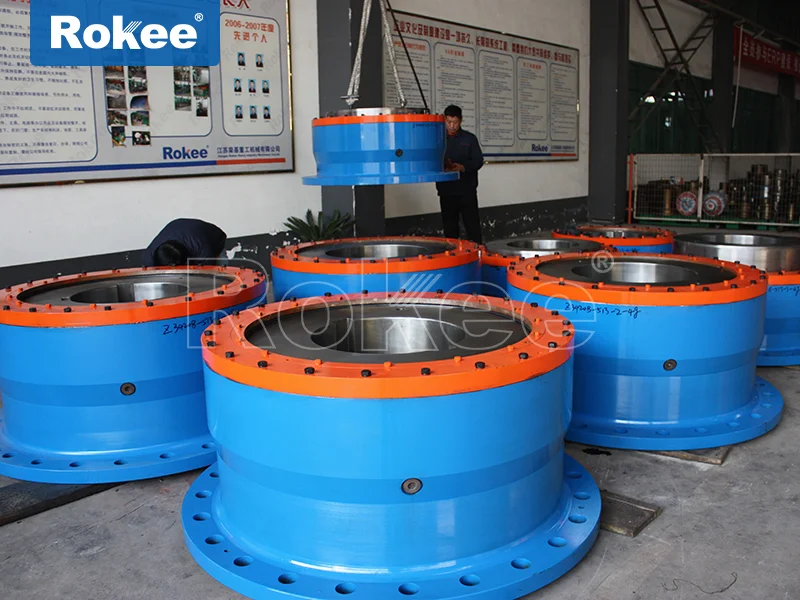
In the realm of industrial power transmission systems, external gear couplings stand as one of the most widely utilized and reliable mechanical connecting components, bridging the gap between driving and driven shafts while fulfilling core functions of torque transmission, misalignment compensation, and mechanical vibration damping. Unlike rigid couplings that offer no flexibility for shaft deviation, these gear-based connectors blend the structural stability of rigid connections with the adaptive flexibility of flexible components, making them indispensable in heavy-duty, high-load, and complex operating environments across countless industrial sectors. Every aspect of their design, from material selection to structural configuration, tooth profile processing to sealing integration, is meticulously engineered to balance strength, durability, and operational adaptability, ensuring consistent performance under varying mechanical stresses and environmental conditions.
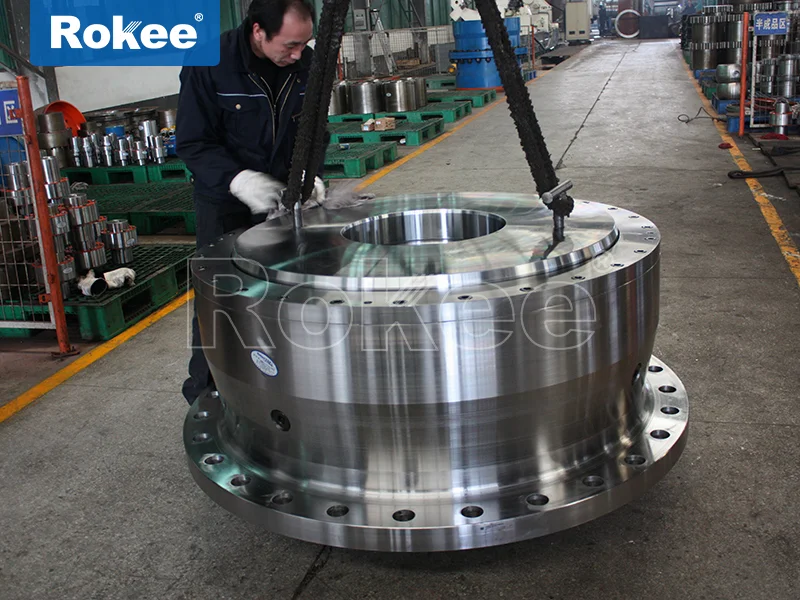
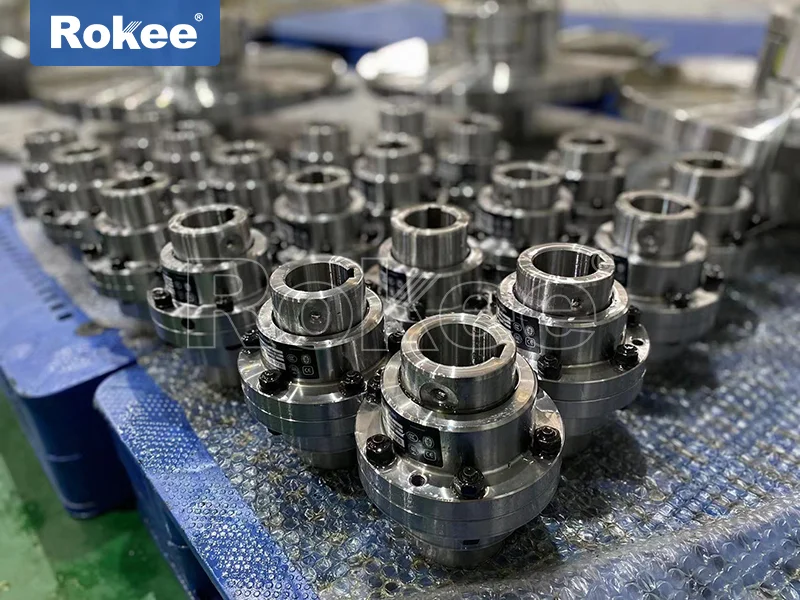
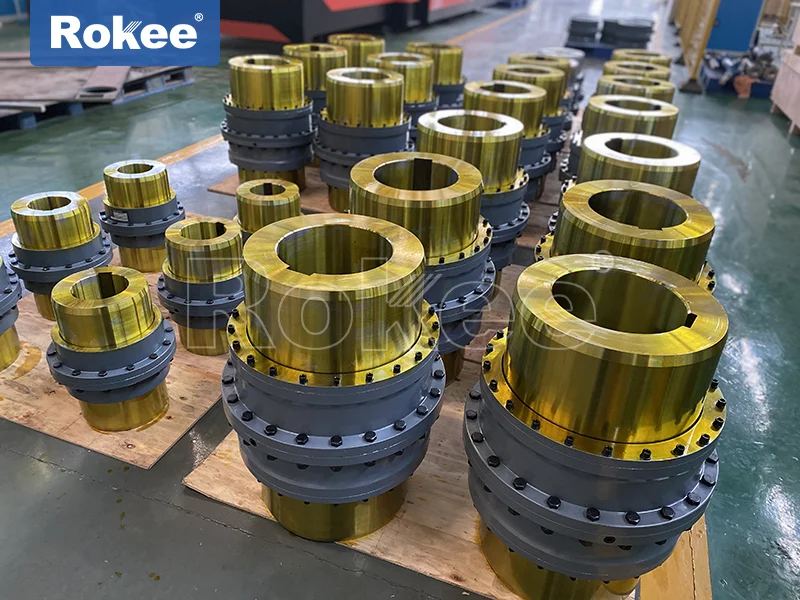
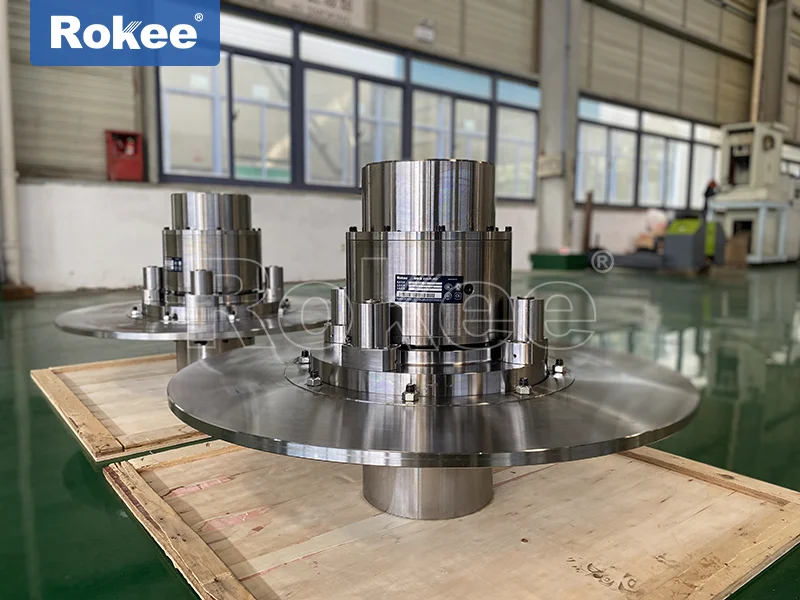
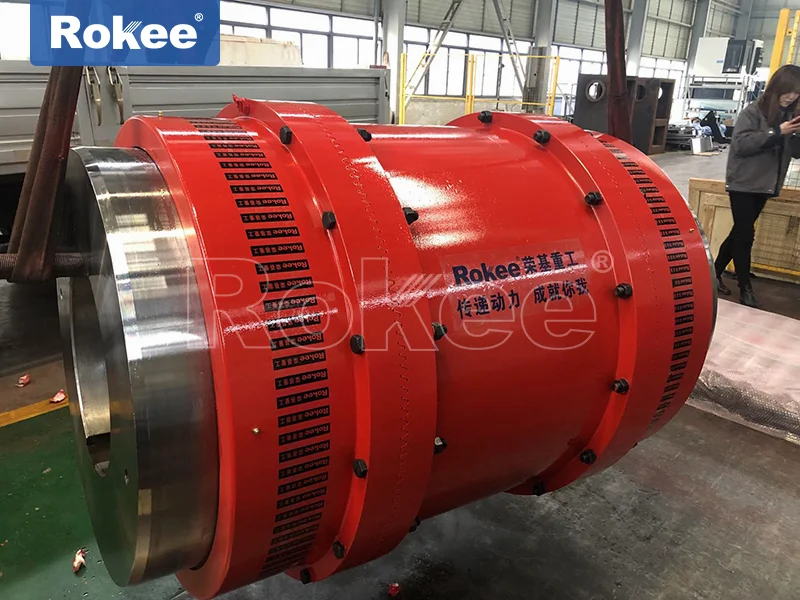
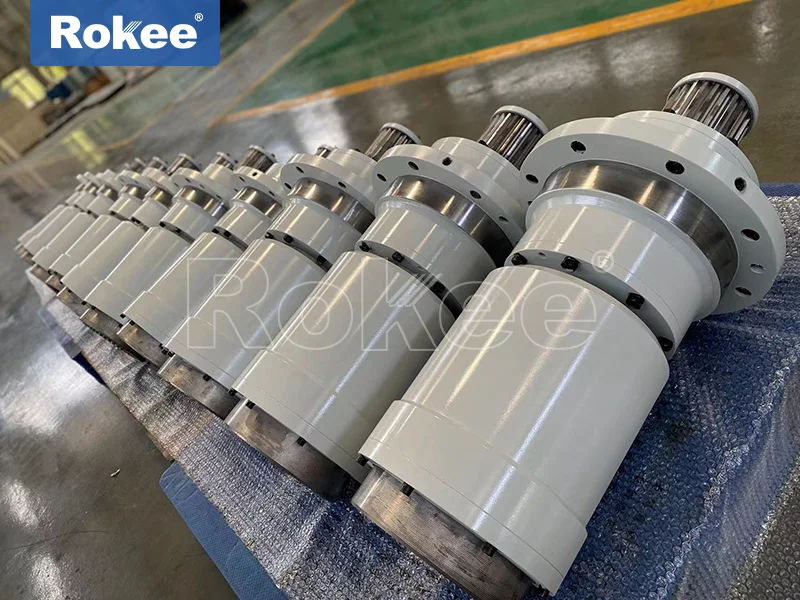
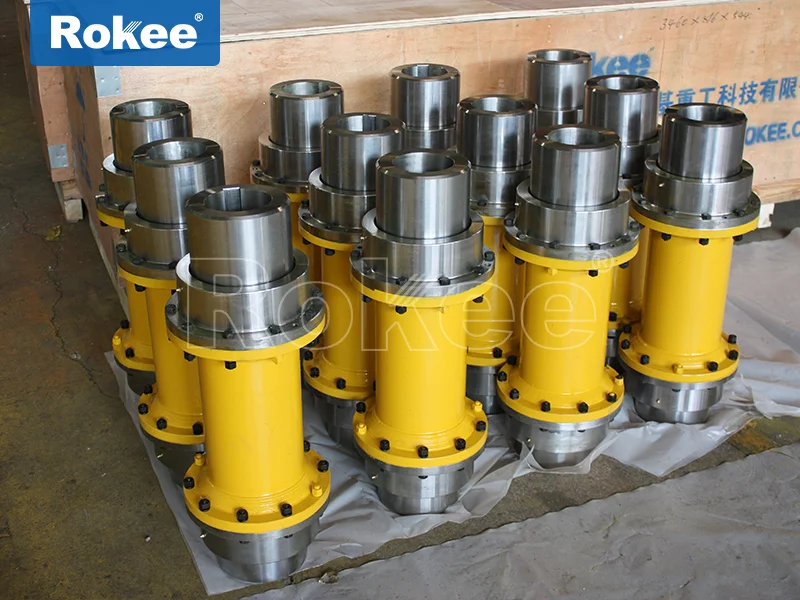
At its core, the external gear coupling features a streamlined yet robust structural framework, composed of several precision-machined components that work in seamless coordination to deliver efficient power transfer. The primary constituent parts include two external gear hubs, also referred to as external gear sleeves, an internal gear ring that serves as the connecting medium, sealing assemblies, fastening hardware, and integrated lubrication passages. Each external gear hub is a solid, shaft-mounted component machined with precision external involute gear teeth, designed to be securely attached to the ends of driving and driven shafts via keyway connections, interference fits, or tapered locking mechanisms; this direct shaft mounting ensures zero backlash during torque transmission and prevents radial slippage under high rotational loads. The internal gear ring, a cylindrical sleeve with precisely cut internal gear teeth, acts as the intermediate connector that meshes simultaneously with the external teeth of both hubs, creating a continuous power transmission path between the two shafts. Complementary sealing components are positioned at both ends of the internal gear ring, forming a closed internal cavity that retains lubricating medium and blocks the intrusion of external contaminants such as dust, moisture, metal shavings, and abrasive particles, which are major contributors to premature tooth wear and component failure. Fastening bolts and locking washers secure the entire assembly tightly, maintaining structural integrity even under extreme torsional stress and cyclic loading, while internal lubrication channels and oil injection ports are strategically integrated to deliver consistent lubrication to the meshing tooth surfaces, reducing friction, heat buildup, and mechanical wear during continuous operation.
The material selection and manufacturing processes of external gear couplings further define their structural integrity and long-term performance, with engineering decisions tailored to withstand the demands of heavy industrial operation. Most high-performance external gear hubs and internal gear rings are forged from high-strength alloy steels, chosen for their exceptional tensile strength, toughness, and resistance to fatigue failure; common material formulations prioritize a balanced combination of surface hardness and core toughness, achieved through specialized heat treatment protocols such as carburizing, quenching, and tempering. Precision machining techniques ensure tight tolerances for gear tooth profiles, pitch accuracy, and concentricity, minimizing meshing errors and uneven load distribution across tooth surfaces. The involute gear tooth design, the standard profile for most external gear couplings, optimizes contact area during meshing, distributing transmitted torque evenly across multiple teeth simultaneously and enhancing overall load-bearing capacity. This precision engineering eliminates localized stress concentrations that could lead to tooth cracking, pitting, or fracture, even under intermittent shock loads and repeated starting-stopping cycles. The compact axial footprint of the coupling structure also adds to its practicality, allowing installation in confined mechanical spaces where larger, more bulky transmission components cannot be accommodated, while maintaining a high torque-to-weight ratio that maximizes power transmission efficiency without excessive material bulk.
Performance characteristics are the defining attribute of external gear couplings, setting them apart from other flexible coupling types and dictating their suitability for specific industrial applications. Foremost among these performance metrics is exceptional high torque transmission capacity, a trait that makes these couplings the preferred choice for heavy-duty machinery. The multi-tooth meshing design distributes dynamic loads across a larger contact surface, enabling the coupling to handle extreme torsional forces that far exceed the capabilities of elastomeric or simple mechanical couplings, with torque handling capabilities scaled to match the requirements of everything from medium-sized industrial pumps to massive heavy machinery drive systems. A second critical performance trait is the ability to compensate for multi-directional shaft misalignment, a common challenge in real-world mechanical installations where perfect shaft alignment is rarely achievable. External gear couplings can effectively accommodate axial displacement, radial offset, and angular misalignment between connected shafts, absorbing small positional deviations without generating destructive additional radial or axial loads on shaft bearings, gearboxes, or motor components. This misalignment compensation not only prevents premature equipment failure but also reduces maintenance frequency and extends the service life of the entire transmission system.
Additional performance advantages include high transmission efficiency, robust shock absorption, and strong environmental adaptability. The gear meshing mechanism minimizes energy loss during power transfer, achieving efficiency levels close to rigid couplings while retaining flexible misalignment compensation, making it highly energy-efficient for continuous long-term operation. The inherent flexibility of the gear meshing interface also dampens mechanical shock and vibration generated during equipment startup, load fluctuations, or sudden operational changes, protecting sensitive internal components of connected machinery from impact damage. In terms of environmental resilience, the fully sealed structural design prevents lubricant leakage and shields internal gear surfaces from harsh operating conditions, including high humidity, dusty industrial environments, mild chemical exposure, and extreme temperature fluctuations. Properly maintained external gear couplings exhibit exceptional service life, with minimal wear on tooth surfaces when lubricated and aligned correctly, reducing downtime for component replacement and repair. It is important to note that performance is inherently tied to proper usage: regular lubrication renewal, periodic alignment checks, and timely replacement of worn sealing components are essential to sustain peak performance and prevent avoidable mechanical failures over time.
External gear couplings are categorized into distinct types based on structural design, tooth profile geometry, and functional adaptability, each engineered to address specific operational requirements and mechanical constraints. The most fundamental classification is based on external tooth profile, dividing couplings into straight tooth external gear couplings and drum tooth external gear couplings, the two most prevalent variants in industrial practice. Straight tooth external gear couplings feature linear, cylindrical external gear teeth with a simple, easy-to-machine profile; this design offers high torsional rigidity and precise torque transmission, ideal for systems with minimal shaft misalignment and stable operating conditions. While cost-effective to produce and straightforward to install, straight tooth models have limited angular misalignment compensation capacity, making them best suited for equipment where shaft alignment can be tightly controlled and maintained throughout operation. In contrast, drum tooth external gear couplings feature curved, spherical external gear teeth, a modified profile that significantly enhances misalignment compensation capabilities. The drum-shaped tooth design increases the contact area between meshing teeth during angular shaft deflection, reducing edge contact stress and allowing for greater angular, radial, and axial displacement without compromising load transmission. This type is far more versatile for applications where shaft misalignment is unavoidable, such as large industrial machinery, long-distance transmission shafts, and equipment subject to thermal expansion-induced positional shifts.
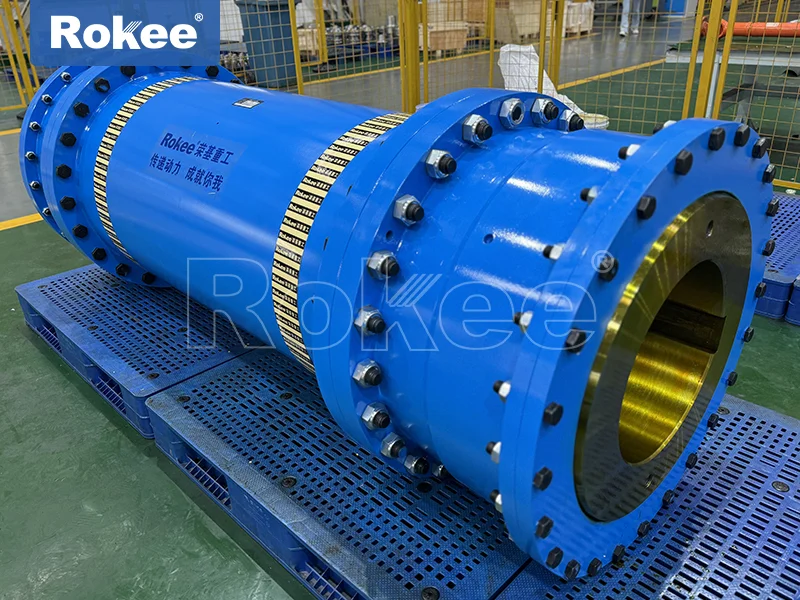
Further classification based on structural assembly and functional features yields additional specialized types tailored to niche industrial needs. Full external gear couplings, the standard configuration, consist of two external gear hubs and one internal gear ring, providing balanced flexibility and load-bearing capacity for most general heavy-duty applications; this all-gear design delivers uniform misalignment compensation on both shaft ends, making it the most widely adopted variant across industries. Half external gear couplings feature one external gear hub paired with a rigid flange hub, eliminating flexibility on one side while retaining it on the other, a design ideal for systems where only one shaft requires misalignment compensation, such as direct-drive motor assemblies connected to fixed gearboxes. Floating shaft external gear couplings incorporate an extended intermediate shaft between two sets of gear meshing components, designed specifically for applications where driving and driven shafts are separated by large distances, eliminating the need for overly long, unsupported shafting that is prone to bending and vibration. Continuous sleeve external gear couplings feature a single, unbroken internal gear sleeve that fully encloses both external gear hubs, offering enhanced sealing and contamination protection for harsh operating environments with high levels of dust, moisture, or debris. Additionally, some variants integrate brake wheel structures or specialized flange configurations directly into the gear hub design, creating multi-functional couplings that combine power transmission with braking or simplified mounting capabilities, streamlining mechanical assembly and reducing component count in complex drive systems.
Each type of external gear coupling is engineered to target specific operational scenarios, leading to an extremely broad range of industrial applications across heavy manufacturing, energy production, marine engineering, mining, construction, and transportation sectors. Their unparalleled combination of high torque capacity, misalignment compensation, and structural durability makes them the go-to choice for machinery that operates under heavy loads, continuous operation, and harsh environmental conditions. In the metallurgical and steel manufacturing industry, external gear couplings are widely deployed in rolling mills, continuous casting equipment, crushers, and conveyor systems, where they reliably transmit high torque while absorbing mechanical shock and thermal expansion-related shaft misalignment in high-temperature, high-vibration production environments. In mining and quarrying operations, these couplings power heavy-duty equipment such as mine hoists, ore crushers, belt conveyors, and grinding mills, withstanding the extreme loads, dust contamination, and intermittent shock loads inherent to mineral extraction and processing.
The energy production sector relies heavily on external gear couplings for both traditional and renewable power generation equipment, including hydroelectric turbine generators, thermal power plant conveyors, fan systems, and wind turbine drive assemblies; their ability to operate reliably under continuous load and adapt to minor shaft misalignment ensures stable power transmission and reduces maintenance in remote or hard-to-access power generation facilities. Marine and offshore engineering applications utilize water-resistant, fully sealed external gear couplings for ship propulsion systems, stern tube drives, and offshore drilling equipment, where they must withstand salt spray, moisture, and continuous operational stress while maintaining tight sealing to prevent lubricant leakage and water intrusion. In the transportation and heavy machinery sector, these couplings are integral to port cranes, bridge cranes, lifting equipment, large-scale excavators, and loading machinery, providing dependable power transmission for dynamic load-handling equipment that experiences constant movement and variable torsional stress. They are also commonly used in industrial pump and compressor systems, fan drives, paper manufacturing machinery, and chemical processing equipment, adapting to the unique operational demands of each industry while delivering consistent, low-maintenance performance.
Beyond heavy industrial applications, external gear couplings also serve critical roles in precision mechanical systems that require both torque precision and minor misalignment compensation, proving their versatility across the full spectrum of mechanical engineering. Their design flexibility allows for customization in size, load capacity, and installation configuration to match unique equipment requirements, from small-scale industrial machinery to massive heavy-duty transmission systems. While each application has unique operational parameters—including rotational speed, torque load, misalignment magnitude, and environmental conditions—the core advantages of external gear couplings remain consistent: reliable torque transmission, effective misalignment compensation, long service life, and adaptability to harsh working environments. When selecting the appropriate coupling type, engineers prioritize factors such as rated torque, operating speed, allowable misalignment range, installation space, and environmental exposure, ensuring the selected design aligns perfectly with the equipment’s operational needs.
As industrial machinery continues to evolve toward higher loads, greater automation, and extended service life, the design and application of external gear couplings have also undergone continuous optimization, with advancements focused on material science, tooth profile refinement, sealing technology, and lubrication efficiency. Modern engineering improvements have enhanced load-bearing capacity, extended maintenance intervals, reduced frictional wear, and expanded misalignment compensation ranges, further solidifying the role of external gear couplings as a cornerstone component in mechanical power transmission. Unlike more specialized, application-specific coupling types, external gear couplings maintain a unique balance of performance, versatility, and durability that ensures their enduring relevance across evolving industrial landscapes. Their widespread adoption stems not only from their core mechanical capabilities but also from their ability to address the practical challenges of real-world mechanical installation and operation, where perfect alignment, zero contamination, and steady loads are rarely achievable.
In summary, external gear couplings represent a pinnacle of practical mechanical engineering, integrating robust structural design, superior material performance, and targeted functional customization to meet the diverse demands of global industrial power transmission. Their well-defined structural composition delivers reliable torque transfer and multi-directional misalignment compensation; their classified variants offer tailored solutions for every conceivable operational scenario; and their exceptional performance traits ensure stable, long-term operation in the harshest industrial environments. From heavy mining and metallurgical equipment to precision power generation systems, these couplings play an irreplaceable role in maintaining the efficiency, reliability, and longevity of mechanical transmission systems. As industrial technology advances, ongoing refinements to design and manufacturing will continue to enhance their performance, ensuring that external gear couplings remain a vital, widely utilized component in the global machinery and equipment industry for years to come, supporting the seamless operation of critical infrastructure across every major industrial sector.